DbcultAccessing Vault...
Cult Review
Senior Film Conservator
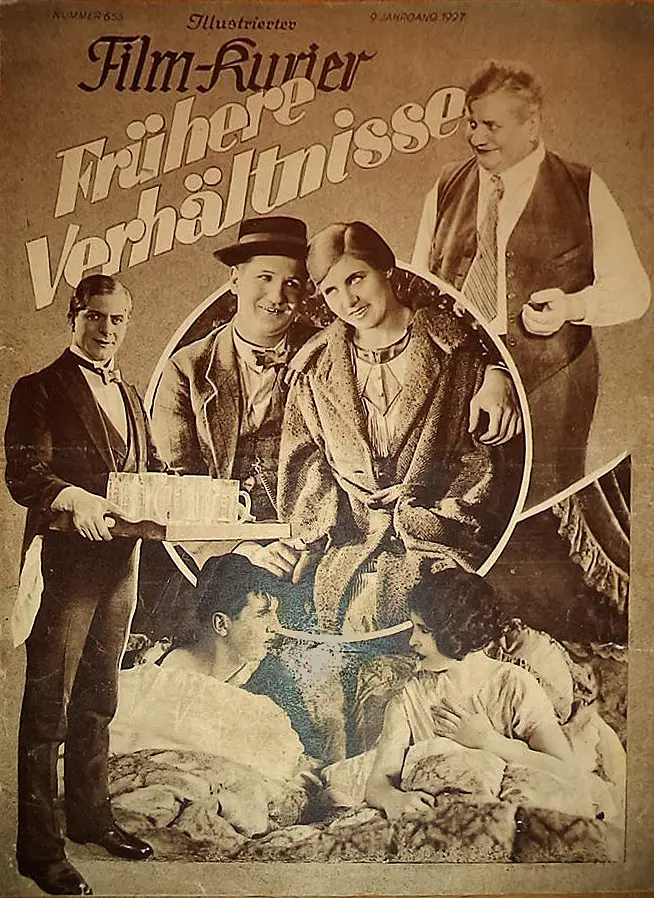
Does 'Frühere Verhältnisse' still hold up for contemporary viewers? Short answer: yes, but with a significant caveat that it caters to a very specific palate. This film is an absolute must-see for ardent silent film enthusiasts, cinephiles interested in the roots of German comedy, and anyone who appreciates the intricate stagecraft of a classic farce. However, those accustomed to modern pacing, dialogue-driven humor, or high-octane narratives will likely find its charms elusive.
In a world saturated with digital effects and rapid-fire dialogue, there's a unique pleasure in revisiting the foundational artistry of silent cinema. 'Frühere Verhältnisse,' a German comedy from an era long past, offers a fascinating window into the comedic sensibilities of its time. Directed by Paul Heidemann and written by Viktor Klein and the legendary Johann Nestroy, this film, while not as universally known as some of its contemporaries, deserves a closer look for its clever premise and spirited execution.
It's a reminder that humor, at its core, transcends language and technological limitations. The film leverages the universal language of physical comedy, exaggerated expressions, and the timeless absurdity of human predicament. For those willing to adjust their viewing expectations, 'Frühere Verhältnisse' provides a delightful, if occasionally demanding, experience.
At its heart, 'Frühere Verhältnisse' is a meticulous farce centered on the fragility of social standing and the explosive power of a well-kept secret. We are introduced to Eduard (played by Paul Heidemann himself), a man who has meticulously constructed a life of bourgeois comfort and marital tranquility with his sweet, somewhat naive wife, Josephine (Charlotte Susa). Their world, seemingly impermeable to outside chaos, is built on a foundation of blissful ignorance regarding Eduard's colorful past.
The catalyst for the film's comedic chaos arrives in the form of Peppi (Ossi Oswalda), Eduard's fiery, free-spirited former flame. Through a twist of fate – or perhaps a deliberate act of mischief – Peppi finds herself employed as the new household maid, thrust directly into the very heart of Eduard's carefully curated domestic bliss. This immediate proximity ignites a powder keg of potential scandal, forcing Eduard into a frantic, increasingly desperate dance of deception.
The film excels in illustrating the escalating tension. Every dropped tray, every overheard whisper, every unexpected encounter between Eduard and Peppi becomes a potential moment of exposure. Josephine's innocent questions and the prying eyes of other household staff and visiting relatives, such as the formidable Aunt (Adele Sandrock), serve to amplify Eduard's mounting panic. The comedy derives not just from the situations themselves, but from Eduard's exaggerated, almost theatrical efforts to maintain his facade, often digging himself deeper into the comedic hole.
The narrative is a masterclass in situational irony, with the audience privy to the secret that Eduard so desperately tries to guard. This dramatic irony fuels much of the humor, allowing us to anticipate and relish each near-miss and absurd complication. It’s a testament to Nestroy's enduring influence that even in its silent film adaptation, the tightly wound structure of a classic farce shines through, proving that some comedic formulas are truly timeless.
Paul Heidemann's direction in 'Frühere Verhältnisse' demonstrates a keen understanding of the mechanics of silent comedy and the specific demands of farce. He doesn't just film a stage play; he translates its energetic rhythm to the screen, using camera work and editing to enhance the comedic timing. The pacing, while slower by modern standards, is remarkably brisk for its era, particularly during moments of heightened tension.
Heidemann masterfully uses the confined spaces of the bourgeois home to amplify the sense of entrapment and escalating chaos. The film frequently employs multiple doorways and sightlines, reminiscent of theatrical staging, to create intricate sequences of characters narrowly missing each other or witnessing compromising moments from afar. For instance, there's a particularly effective sequence where Eduard attempts to discreetly pass a note to Peppi in the parlor, only for Josephine to enter from one door, the nosy Aunt from another, and a delivery boy from a third, forcing Eduard into a frantic, balletic display of evasion.
The editing, while not revolutionary, is precise enough to maintain the comedic momentum. Quick cuts are used to punctuate moments of surprise or panic, while longer takes allow the actors to fully develop their physical gags. This careful balance ensures that the audience remains engaged, even without spoken dialogue. It's a directorial choice that recognizes the power of the visual gag and the expressive potential of the human form.
Heidemann also understands the importance of visual contrast. The serene, orderly world of Eduard's home is constantly disrupted by Peppi's more boisterous presence, and the director highlights this clash through their interactions and reactions. This isn't groundbreaking direction, but it is highly effective within the genre, proving that sometimes, solid execution of established techniques is more impactful than experimental flair.
The strength of 'Frühere Verhältnisse' lies squarely in its ensemble cast, who deliver performances perfectly attuned to the demands of silent farce. Without spoken words, every gesture, every facial contortion, and every physical reaction carries immense weight. The actors here rise to the challenge, creating memorable characters through their expressive physicality.
Paul Heidemann, as the beleaguered Eduard, is a revelation. His performance is a masterclass in escalating panic and comedic desperation. He contorts his face into a myriad of expressions – from forced joviality to abject terror – often within a single scene. Watching him try to simultaneously charm his wife, placate his former lover, and avoid detection is a highlight. His physical comedy, such as his frantic attempts to hide Peppi behind a screen or his exaggerated stumbles when caught off guard, is genuinely laugh-inducing.
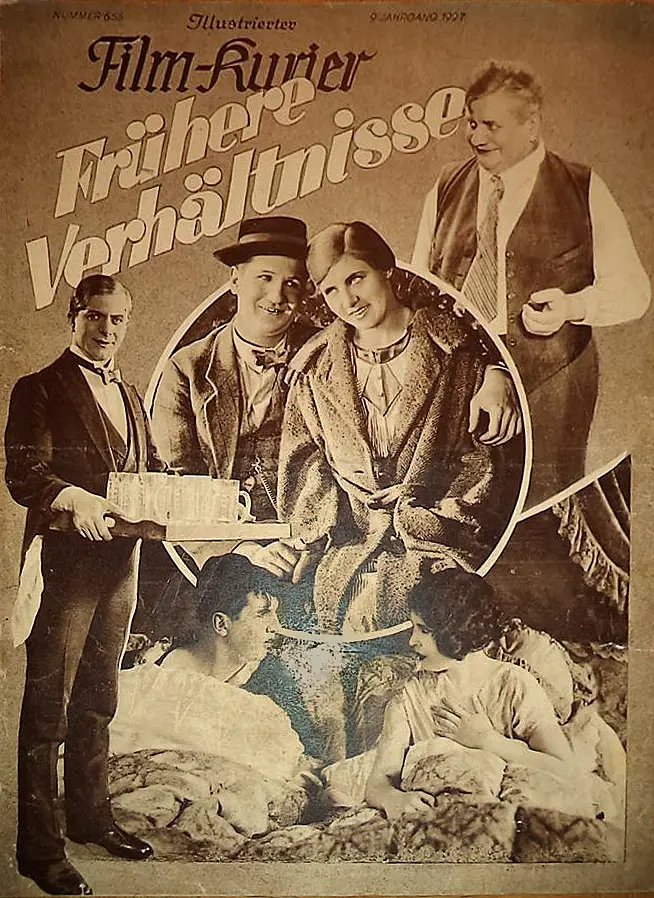
Ossi Oswalda, a prominent star of German silent cinema, shines as Peppi. She embodies the spirited, slightly mischievous former flame with an infectious energy. Oswalda's expressive eyes and vivacious movements convey Peppi's playful defiance and her enjoyment of Eduard's discomfort. She’s not just a plot device; she’s a force of nature, injecting a much-needed jolt of unpredictability into the staid household. Her performance here, much like in films such as The Yankee Girl, showcases her unique charm and ability to command the screen without uttering a single word.
Charlotte Susa, as the innocent Josephine, provides the perfect foil. Her naivety and gentle demeanor heighten the comedic stakes, as her obliviousness makes Eduard's struggle even more precarious. Adele Sandrock, as the stern and suspicious Aunt, is another standout. Her imposing presence and judgmental glares add another layer of comedic pressure, her every entrance signaling potential disaster for Eduard. The supporting cast, including Max Maximilian and Maria Forescu, also contribute effectively to the bustling, often chaotic atmosphere.
It’s a truly collaborative effort, where each actor understands their role in the comedic machinery. The physical interplay between them is finely tuned, creating a symphony of exaggerated reactions and near-misses that keeps the audience engaged. The film proves that silent acting, far from being simplistic, demanded an incredible range and precision from its performers.
The visual language of 'Frühere Verhältnisse' is typical of early German cinema, favoring clear compositions and functional, yet detailed, sets. The cinematography isn't overtly flashy, but it effectively serves the narrative and the comedic beats. The camera often remains static, allowing the actors and the meticulously designed sets to tell the story, much like a theatrical stage.
The production design, particularly of Eduard's home, is crucial. It’s a classic bourgeois setting, filled with ornate furniture, framed pictures, and multiple doorways – a veritable playground for a farce. The set itself becomes a character, facilitating the constant movement, hiding places, and dramatic entrances and exits that are essential to the film's humor. One particular parlor set, with its three distinct entrances, becomes the epicenter of much of the film’s frantic action, perfectly illustrating the claustrophobic feeling of Eduard’s predicament.
Lighting is used functionally, often brightly illuminating the entire scene to ensure all the physical comedy is visible. There are no dramatic shadows or complex chiaroscuro effects here; the focus is on clarity and the ability to capture every expressive detail of the actors' performances. This approach ensures that no comedic beat is lost, even in the absence of dialogue or intricate camera movements.
While 'Frühere Verhältnisse' may not boast the expressionistic flair of films like The Tired Business Man, its visual style is perfectly suited to its genre. It prioritizes storytelling and comedic impact over stylistic experimentation, creating a believable and engaging world within its theatrical constraints. The costumes, too, play a role, with Eduard's formal attire contrasting sharply with Peppi's simpler maid's uniform, visually reinforcing their differing social positions and the comedic clash between them.
Beyond the surface-level gags, 'Frühere Verhältnisse' taps into several enduring human themes. The most prominent is the precariousness of social status and the lengths to which individuals will go to maintain appearances. Eduard's frantic efforts to conceal his past are driven by a deep-seated fear of social ostracization and the potential ruin of his respectable life. This anxiety is surprisingly relatable, even today, in an age of digital footprints and public scrutiny.
The film also subtly explores class dynamics. Peppi, as a former lover now reduced to a servant, represents a threat from a lower social stratum. Her presence in Eduard's home is a constant reminder of a world he has tried to leave behind. The comedy often arises from the clash between her more uninhibited nature and the rigid decorum of the bourgeois household. This tension between freedom and constraint is a recurring motif in many comedies of the era.
Furthermore, the film touches upon the complexities of marital trust and the secrets that can undermine it. While played for laughs, Eduard's deception highlights the fragility of his seemingly idyllic marriage. Josephine's eventual, albeit temporary, confusion and suspicion add a layer of emotional weight, reminding us that even in farce, there are human stakes involved. The film, therefore, is not just a series of gags; it's a commentary on the societal pressures and personal anxieties of its time, delivered with a light, humorous touch.
Absolutely, but with a clear understanding of what you're getting into. 'Frühere Verhältnisse' is a valuable historical document and a genuinely entertaining piece of silent comedy. It offers a unique insight into early German cinematic humor and the adaptations of theatrical farces to the screen.
For silent film aficionados, it's a must-see for Ossi Oswalda's vibrant performance and Paul Heidemann's expert comedic timing. For those new to silent cinema, it serves as an accessible entry point to the genre's comedic potential, though patience for its particular rhythm is required. It works. But it’s flawed.
It's a film that asks you to meet it halfway, to appreciate its artistry within its historical context. If you approach it with an open mind and a willingness to engage with its unique form of storytelling, you'll find a rewarding and often hilarious experience. It's a testament to the enduring power of a good story and engaging performances, even without the benefit of sound.
While 'Frühere Verhältnisse' may not ignite the same broad appeal as some of its more famous contemporaries, it stands as a delightful and remarkably well-executed silent comedy. Its clever premise, brought to life by an exceptional cast and Heidemann's astute direction, offers a rich tapestry of human foibles and social anxieties. It's a film that rewards patience with genuine laughs and a fascinating glimpse into the comedic artistry of a bygone era. For those with an appreciation for the subtle nuances of silent performance and the intricate dance of theatrical farce, this forgotten gem is absolutely worth seeking out. It’s a testament to the fact that true humor, rooted in character and situation, is indeed timeless.
IMDb —
1936
Community
Log in to comment.