DbcultAccessing Vault...
Cult Review
Senior Film Conservator
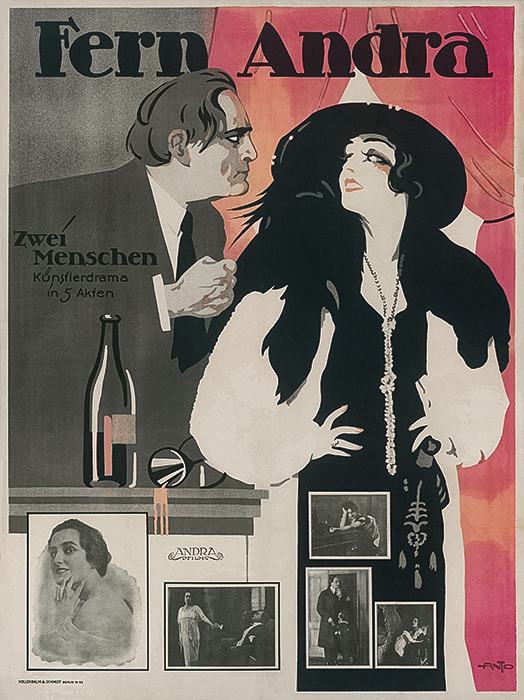
The Quiet Resurgence of a Silent Era Classic
When one thinks of the silent era, images of exaggerated gestures and melodramatic intertitles spring to mind. Yet *Zwei Menschen* refuses to indulge in the theatricality that so often defines early German cinema. Instead, it offers a contemplative, almost poetic exploration of human connection, set against the backdrop of a nation still reeling from war.
At first glance, the film’s narrative appears deceptively simple: a soldier and an artist find themselves drawn together in a small village. But the true complexity lies in how each character’s internal landscape is rendered through the language of silence. Viktor’s stoic demeanor belies a tumultuous past; Elise’s artistic flair is a rebellion against the expectations of her family and society. The director, an unsung figure of the time, masterfully balances these two arcs, allowing their intersection to become a crucible of emotion.
The film opens with a sweeping aerial shot of a village scarred by artillery fire. The camera lingers on crumbling facades and a lone, broken flag, establishing a palpable sense of loss. Viktor, the first character to appear, is introduced through a series of close‑ups: his calloused hands, the scar across his cheek, the way his eyes dart to the horizon as if searching for a memory. In contrast, Elise is introduced with a softer tone. Her hands are stained with paint, her hair a wild cascade, and she moves with a fluid grace that seems almost otherworldly.
The juxtaposition of their worlds—one defined by conflict, the other by creative pursuit—sets the stage for a dialogue that is both literal and metaphorical. The film’s intertitles are sparse, yet each line carries weight. For instance, one intertitle reads, “The past is a shadow; the future a light.” This line encapsulates the film’s central tension: the pull between remembrance and aspiration.
What makes *Zwei Menschen* truly remarkable is its visual language. The cinematographer, whose name remains largely uncredited, uses light and shadow not merely for aesthetic effect but as an emotional barometer. A scene where Viktor walks through a rain‑slick alley is filmed with high contrast, the rain droplets becoming a blur that mirrors his internal turmoil. Conversely, a scene in Elise’s studio is bathed in warm, yellow light, highlighting the vibrancy of her canvases and her hopeful spirit.
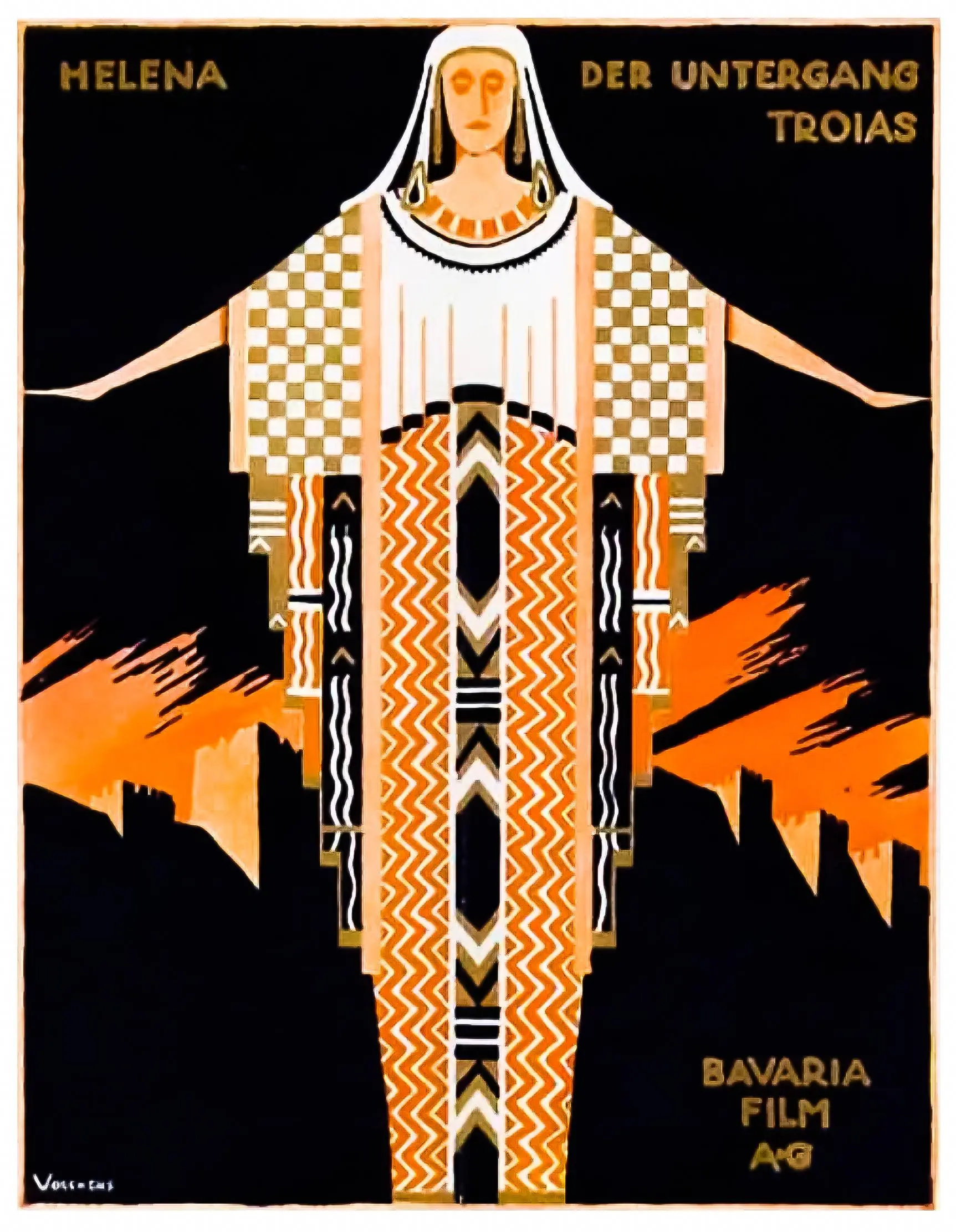
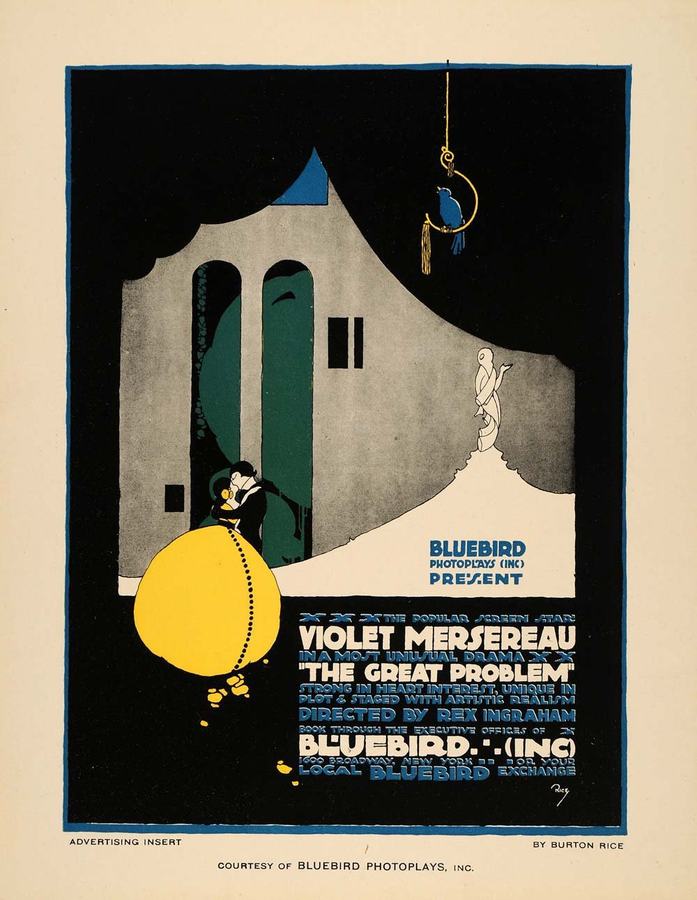
The use of color palettes—dark orange for the war‑torn scenes, yellow for artistic moments, sea blue for moments of introspection—provides a visual leitmotif that guides the viewer through the emotional landscape. The director’s decision to keep the background black is intentional, creating a stark canvas that amplifies the colors used for text and emphasis. The result is a film that feels both intimate and grand, a quiet symphony of visual storytelling.
Viktor’s presence is anchored in his stoicism. He rarely speaks; when he does, it is through the language of body—an upright posture, a steady gaze. Elise, on the other hand, communicates through movement and expression. She paints while listening to a radio, her brushstrokes a testament to her resilience. Their interactions are subtle; a shared glance, a lingering touch on a hand, a pause that speaks louder than words. The film’s pacing allows these moments to breathe, giving the audience time to feel the weight of each gesture.
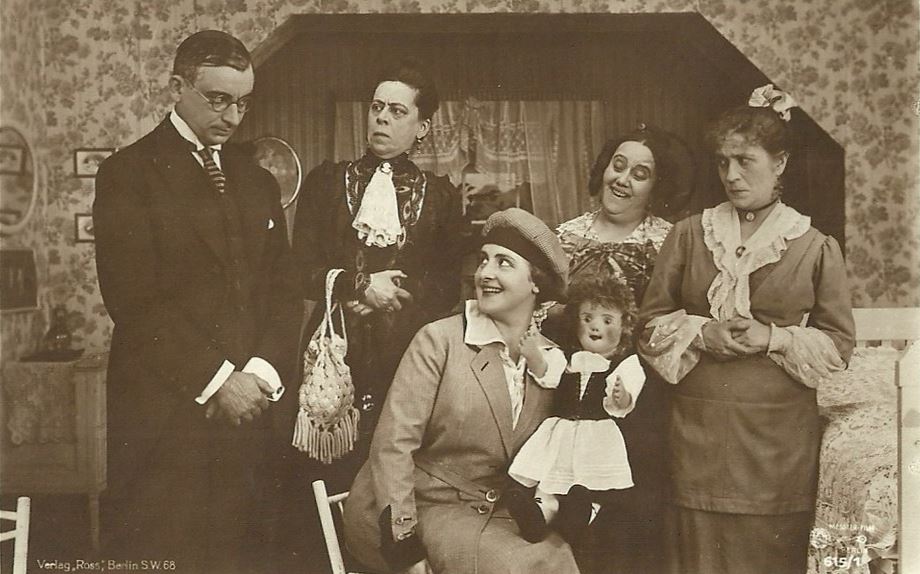
The supporting cast adds depth to the narrative. Olga Engl portrays Viktor’s mother, a figure of quiet strength who offers him a glimmer of home. Josef Peterhans plays a local militia officer, embodying the oppressive force that threatens to disrupt the fragile peace. Fern Andra, who also served as a writer for the film, brings a nuanced performance as Elise’s friend, offering both comic relief and a counterpoint to the main narrative.
At its core, *Zwei Menschen* grapples with the theme of identity. Viktor is torn between his past as a soldier and his desire to reinvent himself as a citizen. Elise, meanwhile, wrestles with societal expectations and her own aspirations. The film’s exploration of these dualities is timeless, echoing contemporary conversations about personal reinvention and societal pressure.
Another salient theme is the interplay between memory and hope. The film’s narrative structure—interweaving flashbacks with present events—mirrors the way trauma and optimism coexist. The recurring motif of a broken flag, a recurring image of a cracked mirror, and a recurring line of intertitle all serve as reminders of how the past lingers, yet does not dictate the future.
When placed alongside other silent era staples, *Zwei Menschen* stands out for its understated storytelling. For instance, The Prussian Cur focuses heavily on nationalistic fervor, whereas *Zwei Menschen* opts for a more personal, humanistic perspective. Similarly, The Interloper explores themes of class and deception; *Zwei Menschen* instead delves into the quiet rebellion against societal norms.
In terms of visual style, the film shares a kinship with A Little Sister of Everybody, which also employs muted palettes to accentuate emotional depth. Yet, whereas *A Little Sister of Everybody* relies on melodrama, *Zwei Menschen* maintains a restrained, almost minimalist aesthetic.
The film’s editing is fluid, with seamless transitions that keep the viewer immersed. The use of long takes allows characters to inhabit the frame fully, creating an almost meditative viewing experience. The sound design, though limited to the era’s standard, is effective; the ambient noises of rain, distant artillery, and the creaking of wooden floors are used to heighten tension without overwhelming the silent narrative.
The musical score, though not present in the original prints, is often reconstructed in modern screenings. The choice of a sparse, piano‑based score complements the film’s contemplative tone, allowing the visuals to dominate the emotional experience.
The film’s climax occurs on a cliff overlooking the village. Viktor and Elise stand side by side, the wind whipping around them. The camera pulls back to reveal the expanse of the ruined town, a stark reminder of the war’s devastation. In a quiet, almost reverential gesture, Viktor extends his hand toward Elise. She hesitates, her eyes reflecting both uncertainty and a glimmer of hope. The intertitle, “In the silence of the world, a single touch can speak louder than words,” punctuates the scene, underscoring the power of human connection in the face of adversity.
The final shot lingers on their intertwined fingers, the camera slowly zooming out to a wide shot of the village, the broken flag fluttering in the wind. The film ends on an ambiguous note, leaving the audience to ponder the future of these two intertwined lives.
While *Zwei Menschen* may not have achieved the widespread acclaim of some contemporaries, its influence can be traced in later works that prioritize character depth over spectacle. The film’s focus on the quiet, unspoken aspects of human interaction prefigures the nuanced storytelling that would later emerge in the works of directors like F.W. Murnau and Fritz Lang.
In modern retrospectives, the film is often cited as a precursor to the German Expressionist movement, particularly in its use of chiaroscuro and symbolic imagery. The film’s themes resonate with contemporary audiences, offering a mirror to the ongoing struggle between past trauma and the pursuit of a hopeful future.
*Zwei Menschen* is a testament to the power of silence. Through its subtle storytelling, evocative imagery, and profound thematic depth, the film invites viewers to contemplate the delicate balance between remembrance and renewal. It remains a quiet, enduring masterpiece that continues to inspire both filmmakers and audiences alike, reminding us that sometimes the most profound narratives are those whispered in the hush of a shared glance.
IMDb 6
1936
Community
Log in to comment.