DbcultAccessing Vault...
Cult Review
Senior Film Conservator
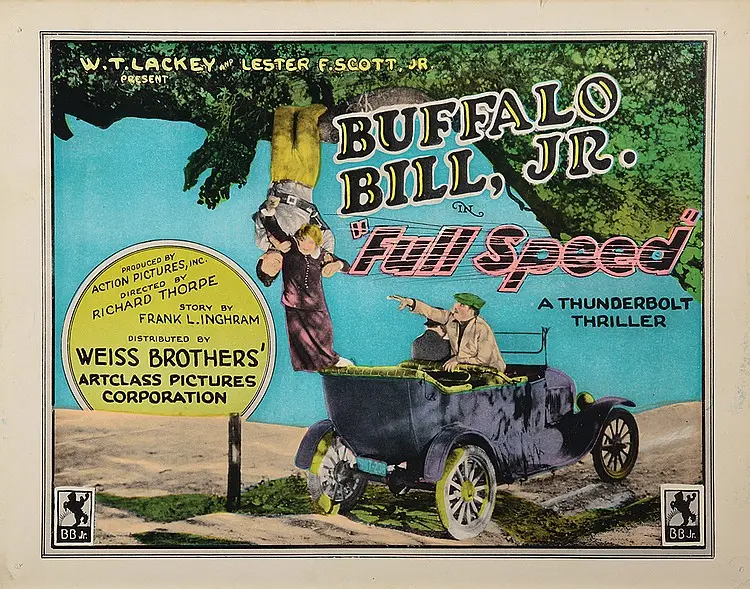
From the outset, 'Full Speed' captures the audience in its intricate web of suspense and intrigue. Directed with a deft hand, this film is a testament to the golden era of cinema, where every frame is a masterpiece. Mildred Vincent, in one of her most compelling roles, plays a character whose resilience and ingenuity are the driving forces behind the narrative.
The plot is meticulously crafted, with a series of events that escalate in intensity. Each scene is a meticulously arranged puzzle piece, fitting seamlessly into the larger picture. The story unfolds through a series of high-stakes scenarios, each one more thrilling than the last. Vincent's character, driven by a personal mission, navigates a landscape fraught with danger and moral complexity. Her journey is not just about survival but about uncovering the truth and ensuring justice prevails.
Supporting the lead is an ensemble cast that elevates 'Full Speed' to new heights. Jerome La Grasse brings a quiet strength to his role, providing a stabilizing influence amidst the chaos. Neil Brandley and Harry Todd add depth and emotional resonance, their characters' arcs enriching the narrative. Meanwhile, Lafe McKee and Lew Meehan deliver memorable performances, their interactions with Vincent creating moments of both tension and camaraderie.
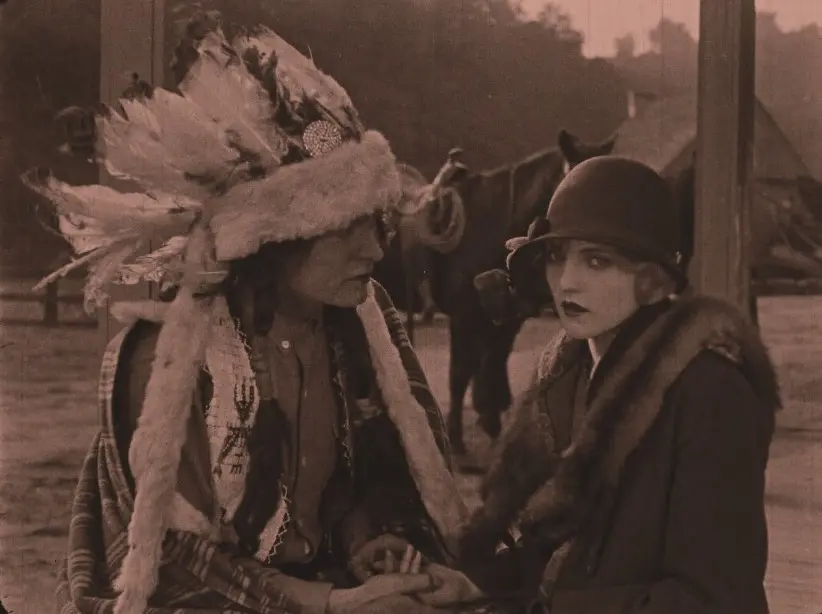
The film's cinematography is a marvel, with each shot meticulously composed to enhance the narrative. The use of natural light and shadow, combined with strategic camera movements, creates a sense of immediacy and urgency. The settings, ranging from bustling city streets to desolate landscapes, are portrayed with a vividness that draws the viewer into the story.
One cannot discuss 'Full Speed' without acknowledging its thematic depth. The film explores themes of duty, sacrifice, and the fight against injustice. Vincent's character embodies these ideals, her actions driven by a profound sense of purpose. The script, penned by Betty Burbridge, is a tour de force, balancing action with poignant moments of introspection. Each dialogue is carefully crafted, offering insight into the characters' motivations and the broader societal issues at play.
The film's pacing is masterful, with a rhythm that keeps the audience engaged throughout. The tension builds incrementally, reaching its climax in a series of heart-pounding sequences. The editing, too, is impeccable, with transitions that are both seamless and impactful. The score, composed with a blend of orchestral and electronic elements, complements the visuals, heightening the emotional impact of key scenes.
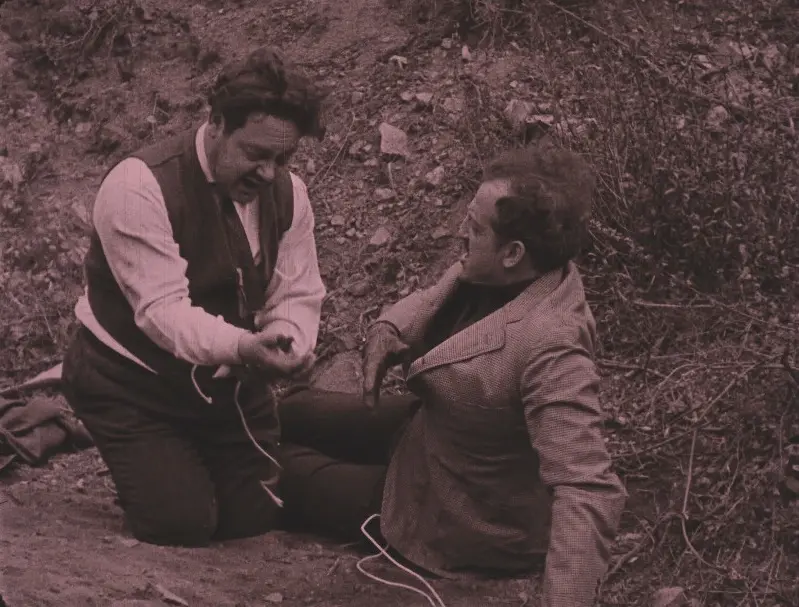
'Full Speed' also stands out for its technical prowess. The special effects, where employed, are seamlessly integrated, adding to the realism of the action sequences. The sound design, with its use of ambient noise and strategic sound effects, enhances the overall immersion. The film's sound mix is particularly noteworthy, with a balance that ensures clarity without overshadowing the dialogue.
Compared to other films of its era, 'Full Speed' holds its own with its contemporaries. 'No Parking' (1932) and 'Boomerang Bill' (1936) offer a contrasting yet complementary viewing experience. 'No Parking' focuses more on comedic elements, while 'Boomerang Bill' explores a different genre altogether. In contrast, 'Le marchand de plaisirs' (1934) and 'Lady Godiva' (1936) offer a glimpse into the more fantastical and romantic sides of cinema, while 'The Fly Ball' (1932) and 'The Boer War' (1916) delve into historical and sports-related narratives, respectively. 'When Knighthood Was in Fashion' (1935), 'The Challenge of the Law' (1933), and 'The Cricket on the Hearth' (1939) provide examples of more traditional period dramas and family films, which, while different in style, share a similar commitment to storytelling and character development.
For those looking for a film that combines action, suspense, and sophisticated storytelling, 'Full Speed' is a standout. It is a film that not only entertains but also challenges the viewer to reflect on the moral and ethical dimensions of the story. The performances, from the lead to the ensemble, are consistently strong, and the direction, cinematography, and technical aspects all contribute to a film that stands the test of time. 'Full Speed' is a reminder of the enduring power of well-crafted cinema and the timeless appeal of stories that resonate on multiple levels.
With its blend of action, drama, and subtle social commentary, 'Full Speed' is a film that deserves a place in the pantheon of classic cinema. It is a film that, like its characters, is determined to leave a lasting impression. For those who appreciate the art of cinema, 'Full Speed' is a must-watch.
Final Verdict: A captivating and thought-provoking film, 'Full Speed' is a testament to the golden age of cinema. With its strong performances, intricate plot, and masterful direction, it is a film that will engage and entertain audiences for generations to come.
IMDb —
1917
Community
Log in to comment.