DbcultAccessing Vault...
Cult Review
Senior Film Conservator
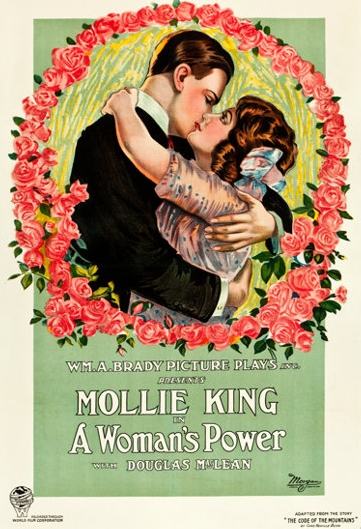
There is a peculiar, almost primitive intensity to 1916 cinema that contemporary digital clarity often fails to replicate. In A Woman's Power, we find ourselves submerged in the psychological mire of Newt Spooner, a protagonist whose very existence is defined by the gravity of a grudge. This isn't the lighthearted melodrama often associated with the era; rather, it is a precursor to the noir sensibilities that would later dominate the screen. Newt’s hatred for Henry Falkins isn't merely a plot point—it is a physiological condition. The script, penned by the evocative Charles Neville Buck, treats this 'red-branded hatred' as a physical scar, a searing impression that dictates the rhythm of Newt's heart and the trajectory of his life. Much like the moral transgressions explored in The Scarlet Sin, the film posits that the choices made in a moment of crisis can echo through decades of isolation.
Newt's incarceration is handled with a stark, unblinking realism that contrasts sharply with the more whimsical releases of the same year. Prison here is a forge, not a place of rehabilitation. It hardens Newt, turning his desire for retribution into a diamond-sharp focus. When he finally emerges, he is a man out of time, a relic of a feud that the world might have forgotten, but which he has curated with the obsessive care of a curator of horrors. The film’s pacing in these early acts is deliberate, mirroring the slow crawl of years behind bars, a stylistic choice that demands patience from the viewer but rewards it with a deep sense of atmospheric immersion.
Enter Minerva Rawlins, played with a luminous sensitivity by Lillian Cook. In the lexicon of early 20th-century film, 'a woman's power' was frequently synonymous with a domesticating influence, but here, Minerva acts as a spiritual disruptor. Her entry into Newt’s life doesn't trigger a Hollywood-style 'flash' of enlightenment. Instead, the film offers a more nuanced, human portrayal of change. Newt continues to cherish his hatred even as he begins to cherish Minerva. This duality—the coexistence of a murderous impulse and a burgeoning capacity for love—elevates the film above the standard morality plays of its time, such as The Fatal Card.
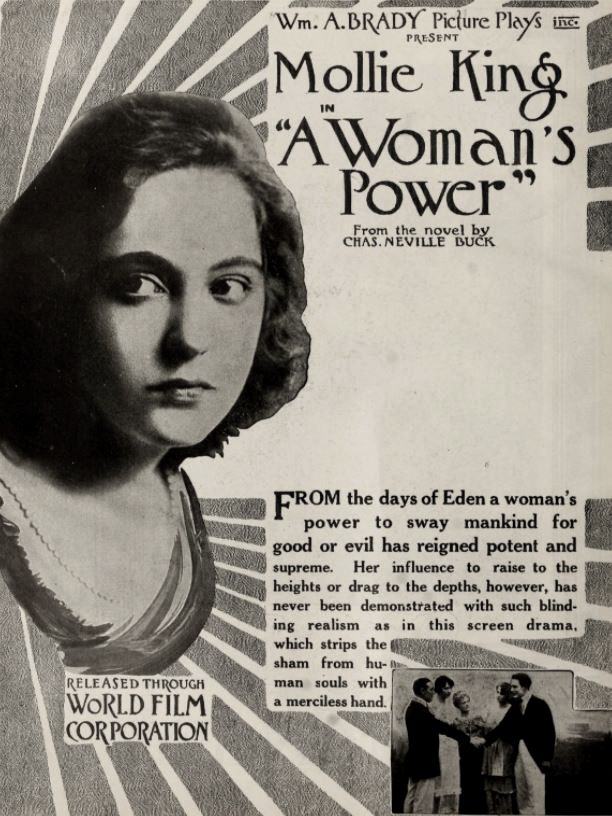
Minerva is not a passive observer; she is the moral anchor that prevents Newt from drifting into the abyss. The chemistry between Cook and the brooding Newt creates a palpable tension. Every scene they share is a battleground between Newt's past and his potential future. It is a testament to the direction and the nuanced performances that this internal struggle is made visible through glances and gestures, bypassing the need for heavy-handed intertitles. The film understands that the most significant wars are fought within the silence of the soul, a theme that resonates as much today as it did a century ago.
In a startling narrative pivot, the film transports its characters from the familiar domestic landscape to the war-torn Philippines. This shift provides a grander stage for the final confrontation between Spooner and Falkins. The choice of setting is fascinatingly topical for 1916, tapping into the American consciousness of the era regarding its overseas territories. While documentaries like Panama and the Canal from an Aeroplane sought to capture the industrial scale of American expansion, A Woman's Power uses the exotic locale to underscore the universality of human conflict. The heat, the blood, and the omnipresent threat of death serve to strip away the societal veneers of both men, leaving only their rawest selves.
The battle sequences are surprisingly visceral, avoiding the sanitized choreography often found in contemporary war films. Amidst this chaos, the vision of Minerva haunts Newt. This is where the film ventures into the realm of the metaphysical. Her influence is portrayed as a tangible force that crosses 'miles of salt ocean.' It is a poetic conceit that works because of the film's grounded emotional stakes. When Newt finally has the opportunity to slay Falkins, the hesitation is not born of fear or cowardice, but of a profound spiritual exhaustion. He realizes that to kill Falkins is to kill the part of himself that Minerva loves. The 'eleventh hour' stay of his hand is a masterclass in suspense, played out against the backdrop of an empire in the making.
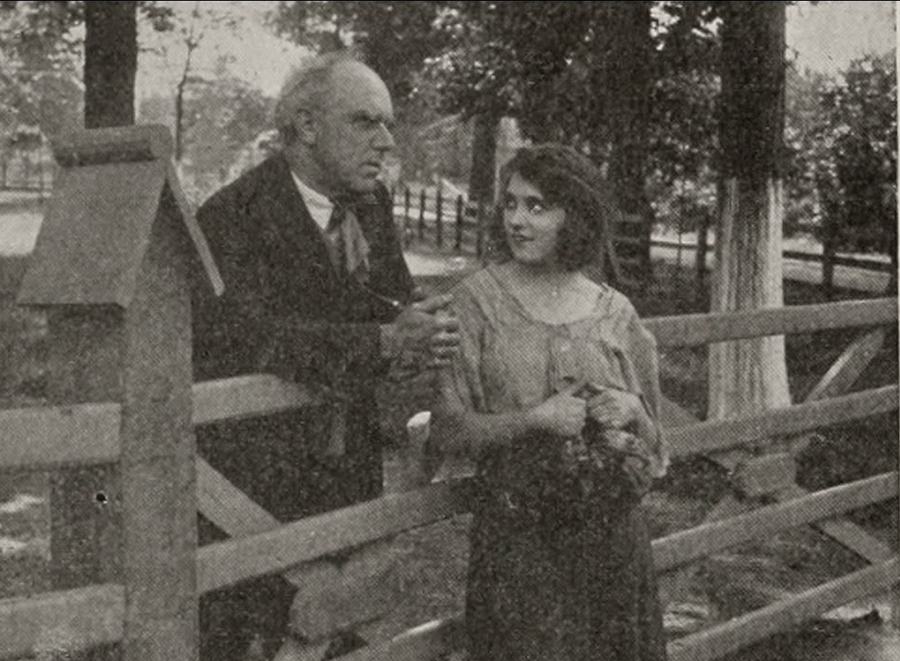
Technically, the film is a marvel of its era. The cinematography manages to capture both the claustrophobia of the prison and the sprawling, humid density of the Philippine jungle. The use of light and shadow—particularly in the scenes where Newt’s 'dark hatred' is most prominent—suggests an awareness of German Expressionist techniques before they were fully codified. The film avoids the static, stagey feel that plagued many early features, opting instead for dynamic compositions that guide the eye through the emotional landscape of the story. It shares a certain visual ambition with The Explorer, pushing the boundaries of what audiences expected from a narrative feature.
Charles Neville Buck’s writing deserves special mention. Known for his 'mountain fiction,' Buck brings a sense of fatalism and rugged honor to the script. The dialogue (via intertitles) is sparse but impactful, avoiding the flowery sentimentality that often dates silent films. Instead, he focuses on the 'upward path'—a concept that suggests redemption is an active, difficult journey rather than a sudden destination. This thematic depth is what separates A Woman's Power from more superficial fare like One Million Dollars. It is a story about the cost of peace and the weight of the law, both human and divine.
The climax of the film is not a physical battle, but a psychological surrender. The 'last barriers' that Newt had used to steel his heart are swept away in a dramatic sequence that emphasizes the transformative power of empathy. By choosing to spare Falkins, Newt does more than just avoid the vengeance of the law; he breaks a cycle of violence that likely preceded him by generations. This is the true 'woman's power' referenced in the title—the ability to foster a moral evolution that transcends the simplistic eye-for-an-eye logic of the traditional masculine hero.
Comparing this to the psychological manipulation seen in Trilby, we see a much more optimistic view of human influence. Minerva doesn't control Newt; she inspires him to control himself. It is a subtle but vital distinction. The film concludes on a note of hard-won grace, leaving the audience to reflect on their own capacity for forgiveness. In the vast library of the silent era, few films manage to capture the transition from darkness to light with such earnestness and cinematic flair. It remains a poignant reminder that even the deepest scars of hatred can be healed by the persistent, quiet strength of love.
IMDb —
1919
Community
Log in to comment.