DbcultAccessing Vault...
Cult Review
Senior Film Conservator
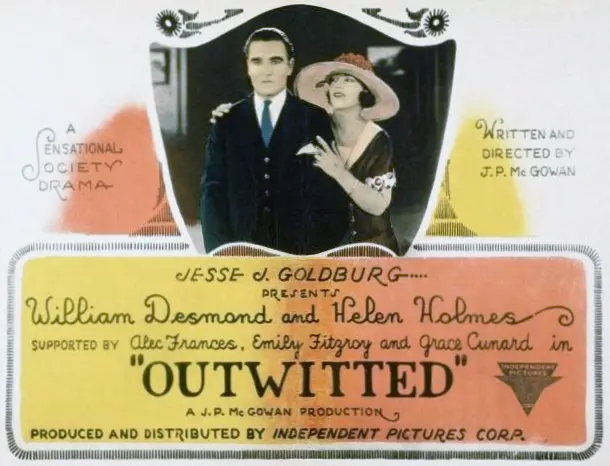
Stepping back into the cinematic landscape of 1925, one encounters a fascinating tapestry of storytelling, where narrative prowess was conveyed through gesture, expression, and the rhythmic cadence of intertitles. Among these offerings, Outwitted emerges as a particularly potent example of the crime thriller, a genre that consistently captivated audiences of the silent era. This film, a product of a nascent industry still experimenting with its voice, delivers a gripping tale of justice, escape, and the consuming fire of personal vengeance, all without uttering a single spoken word. It’s a testament to the power of visual narrative, where the stakes are communicated not by dialogue, but by the widening of an eye, the clenching of a jaw, or the desperate struggle against an unseen force.
The film plunges its viewers directly into the heart of a high-stakes cat-and-mouse game. We are introduced to a diligent Treasury Department agent, whose unwavering commitment to law and order leads him to dismantle a sophisticated counterfeiting operation. This narrative arc, common in the thrillers of the period, establishes a clear moral dichotomy: the righteous hand of the law against the insidious corruption of the criminal underworld. The agent’s successful apprehension of the ringleader, a figure of considerable menace, culminates in a twenty-year sentence, seemingly bringing a definitive close to this chapter of illicit enterprise. However, as any connoisseur of suspense knows, true villains rarely accept their fate with quiet resignation. The very essence of the genre demands a resurgence, a defiance of the established order that propels the conflict into more dangerous, more personal territory.
The narrative pivot arrives with a dramatic prison break, a sequence designed to inject renewed urgency and peril into the unfolding drama. The gang’s audacious liberation of their leader is not merely an act of loyalty; it’s a declaration of war, a direct challenge to the authority that confined him. From this point, the film transitions from a standard law enforcement procedural to a deeply personal vendetta. The counterfeiter, now free, is consumed by a singular, burning desire for vengeance against the agent who put him behind bars. This shift in motivation elevates the stakes considerably. No longer is it simply about upholding the law; it’s about a deeply personal struggle, a clash of wills between two men whose fates are now inextricably linked. The criminal’s chosen method of retaliation, the kidnapping of the agent's fiancé, transforms the abstract concept of justice into a visceral, emotional battle for the life and happiness of an innocent individual. This classic trope of the imperiled loved one, while perhaps clichéd by modern standards, was a powerful emotional lever in silent cinema, drawing audiences into the protagonist's desperate plight with immediate empathy. The fragility of love in the face of criminal malice is a theme that resonates, echoing similar narrative devices found in contemporary thrillers like Forbidden Fruit, though the societal commentary in the latter often took a more pointed, allegorical turn.
The efficacy of a silent film rests heavily on the shoulders of its cast, whose ability to convey complex emotions and propel the plot through physical presence alone is paramount. William Desmond, portraying the Treasury agent, embodies the stoic heroism expected of such a character. His performance is a study in controlled intensity, his expressions conveying determination, frustration, and ultimately, desperate concern for his beloved. He navigates the emotional landscape of his role with a commendable subtlety, avoiding the overly theatrical gestures that sometimes marred lesser silent performances. Desmond’s portrayal grounds the film, providing a relatable anchor amidst the escalating chaos. His unwavering focus on duty, even when personal stakes become overwhelmingly high, aligns him with the archetypal heroes of the era, reminiscent of the steadfast protagonists in Westerns or other action-oriented dramas, where moral clarity was often a defining trait.
J.P. McGowan, who also holds a writing credit for Outwitted, delivers a compelling performance as the vengeful counterfeiter. His villain is not merely a caricature of evil, but a figure driven by a palpable sense of injustice and a burning desire for revenge. McGowan’s presence commands attention, his gestures and facial expressions painting a portrait of a man consumed by his own bitter agenda. He provides a formidable antagonist, one whose intelligence and ruthlessness are never in doubt, making the agent's task all the more daunting. This dual role as writer and actor likely afforded McGowan a deeper understanding of his character’s motivations, allowing him to imbue the villain with a nuanced malevolence that transcends simple villainy. Such complex portrayals of antagonists were not uncommon, as seen in other works where the line between hero and villain could be blurred by circumstance or internal conflict, though perhaps not to the extent of a character study found in something like The Black Circle, which delved into the psychological underpinnings of its criminal elements.
Helen Holmes, as the kidnapped fiancé, carries the burden of the damsel in distress with grace and conviction. Her performance effectively communicates fear, vulnerability, and a desperate hope for rescue, eliciting genuine sympathy from the audience. The scenes of her captivity are rendered with a palpable tension, relying on her expressive eyes and subtle body language to convey the terror of her predicament. The supporting cast, including Emily Fitzroy, Alec B. Francis, and Grace Cunard, contribute effectively to the ensemble, each playing their part in constructing the film's intricate web of loyalties and betrayals. Their collective efforts ensure that the narrative remains engaging, even in moments where the plot might veer towards the melodramatic, a common stylistic flourish of the era.
The direction of Outwitted, while not overtly flashy, demonstrates a clear understanding of how to build suspense and convey narrative visually. The pacing is generally brisk, particularly during the action sequences, which are choreographed with a certain kinetic energy. The use of close-ups effectively highlights key emotional beats, drawing the audience into the characters' inner turmoil. The cinematography, while perhaps lacking the groundbreaking artistry of a Griffith or a Murnau, is competent and serves the story well, creating a visual clarity that is crucial for a silent film. The framing of shots, the movement of the camera (where employed), and the strategic deployment of intertitles all work in concert to propel the plot forward without unnecessary exposition. This efficiency in visual storytelling is a hallmark of effective silent cinema, where every frame must contribute meaningfully to the overarching narrative. The relentless pursuit sequences, for instance, capture a raw energy that is quite compelling, evoking the same kind of breathless excitement as other chase-driven narratives of the time, such as The Night Riders, albeit with a more urban, contemporary setting.
Outwitted, released in 1925, sits firmly within a period of rapid social and technological change in America. The Roaring Twenties, with its booming economy and burgeoning urban centers, also saw a rise in organized crime, making films about law enforcement and criminal enterprises particularly resonant with audiences. The counterfeiting plot, while a classic thriller device, also tapped into contemporary anxieties about economic stability and the hidden dangers lurking beneath the surface of prosperity. The film implicitly champions the forces of law and order, reinforcing societal norms and the idea that justice, though sometimes delayed, will ultimately prevail. This moral clarity was a comforting aspect for audiences grappling with a world in flux, a sentiment shared by many films of the era that presented clear ethical boundaries. The depiction of the Treasury Department agent as an unflappable guardian of the public trust is a reflection of this cultural desire for stability and accountability.
The theme of vengeance, a primal human emotion, is explored with a dramatic intensity that underlines its destructive power. The counterfeiter’s single-minded pursuit of retribution blinds him to all else, driving the plot forward with a relentless momentum. This focus on personal vendetta, rather than purely financial gain, gives the villain a more complex, albeit still malevolent, dimension. It’s a classic narrative engine, one that has fueled countless stories across various mediums, from ancient epics to modern thrillers. The kidnapping of the fiancé, in particular, elevates the personal stakes, transforming a professional conflict into a deeply emotional one. This manipulation of personal relationships for criminal ends is a powerful dramatic device, amplifying the hero's struggle and the audience's investment in his success. One can draw parallels to the high personal costs explored in films like The Prodigal Liar, where individual choices lead to profound and often tragic consequences, although Outwitted maintains a more direct, action-oriented approach to its moral dilemmas.
While Outwitted may not feature in every canonical list of silent film masterpieces, its significance lies in its robust contribution to the popular entertainment of its time. It represents the craftsmanship and storytelling sensibilities of an era that was rapidly evolving, laying the groundwork for the sound films that would soon revolutionize the industry. For modern viewers, particularly those with an appreciation for film history, it offers a valuable glimpse into the narrative conventions, acting styles, and technical limitations (and ingenious solutions) of 1920s cinema. The film’s ability to generate genuine suspense and emotional engagement without spoken dialogue is a powerful reminder of the universal language of visual storytelling. It stands as a testament to the talent of its cast and crew who, working within the constraints of their medium, managed to weave a compelling and exciting tale.
The collaborative effort of the cast and the writer, J.P. McGowan, is particularly noteworthy. McGowan, a prolific figure in early cinema, often wore multiple hats, contributing significantly to the fabric of countless silent productions. His understanding of popular tastes and his ability to craft engaging, fast-paced narratives were instrumental in the success of films like Outwitted. His writing ensured a plot that, while adhering to genre conventions, maintained a certain freshness and urgency. This kind of multi-faceted contribution was common in the early days of Hollywood, where individuals often directed, wrote, and acted, shaping the nascent art form with their diverse talents. The film’s clear plot progression and well-defined character arcs are a credit to this foundational work.
Ultimately, Outwitted serves as more than just a historical artifact; it is a vibrant piece of entertainment that, even nearly a century later, can still captivate. Its exploration of themes like justice, revenge, and the resilience of the human spirit remains timeless. While the stylistic conventions of silent film may require a different kind of engagement from contemporary audiences, the underlying human drama is universally understood. It’s a film that speaks to the enduring appeal of the good versus evil narrative, spiced with high-stakes action and personal peril. For those interested in the evolution of the thriller genre, or simply in experiencing the unique charm of silent cinema, Outwitted is a compelling watch, offering a window into a bygone era of filmmaking where visual imagination reigned supreme and every gesture told a story. Its straightforward yet impactful narrative makes it an accessible entry point for those new to silent films, demonstrating how effectively stories could be told without the benefit of synchronized sound, relying instead on the universal language of human emotion and action. The film delivers a punchy, satisfying conclusion that reinforces the triumph of good, a common and often comforting resolution in the popular cinema of the era, contrasting with the more ambiguous endings sometimes found in European art cinema of the period, such as La terre, which explored harsher realities with less sentimentality.
The enduring appeal of such films lies in their foundational role in cinematic language. Every camera angle, every cut, every dramatic close-up in Outwitted contributes to a grammar of visual storytelling that modern cinema still employs. Witnessing these elements in their earlier forms provides a richer appreciation for the craft. The tension built around the agent's pursuit and the villain's escape, for example, is a masterclass in silent suspense, relying on rapid cuts and dynamic compositions to convey urgency. This kinetic energy is a hallmark of many action-oriented silent films, creating a visceral experience for the audience. The film avoids sluggish exposition, instead opting for a propulsive narrative that keeps the audience on the edge of their seats, a quality that remains highly sought after in thrillers today. The sheer ingenuity in conveying complex plot points and character motivations through purely visual means is a constant source of admiration when revisiting these historical works. It truly encapsulates an era where the moving image alone was enough to transport and thrill. The straightforward yet effective narrative arc can be seen as a precursor to the directness of later action films, focusing on clear objectives and escalating stakes, much like the clear-cut heroics observed in films such as The Spitfire, though the contexts and specific challenges faced by the protagonists naturally differ across genres.
IMDb —
1919
Community
Log in to comment.