DbcultAccessing Vault...
Cult Review
Senior Film Conservator
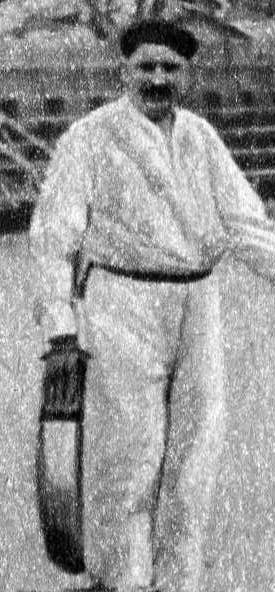
Stepping back into the annals of early cinema, one occasionally uncovers a film whose resonance transcends its era, offering insights not just into the past, but into the perennial human condition. Gachucha, fille basque, a work often overlooked in broader cinematic discourse, is precisely such a treasure. Penned by Charles Torquet and brought to life by a dedicated ensemble including Chiquito de Cambo and Paulette Ray, this silent-era drama is far more than a mere historical curiosity; it is a vivid, emotionally charged exploration of identity, tradition, and the inexorable pull of love amidst a rapidly changing world. Its narrative, set against the breathtaking backdrop of the Basque Pyrenees, paints a picture of a community grappling with modernity, seen through the eyes of its most spirited daughter.
At its core, Gachucha, fille basque is a profound meditation on the clash between heritage and progress. Gachucha, portrayed with compelling authenticity by Paulette Ray, is not merely a character; she is an archetype, a living embodiment of her Basque ancestry. Her days are woven into the rhythm of ancient customs, her spirit as resilient as the mountains that guard her village. Yet, this harmonious existence is disrupted by the arrival of André, a sophisticated artist, whose urbanity and liberal worldview present a stark contrast to the stoic, time-honored ways of her people. André, with his promises of a wider world and a life unburdened by tradition, offers a tantalizing glimpse into a future that Gachucha might never have imagined. This narrative arc, while seemingly straightforward, is imbued with a nuanced psychological depth that elevates the film beyond simple melodrama. The tension between the familiar comfort of one's roots and the seductive allure of the unknown is a universal theme, here rendered with a particular poignancy through the lens of Basque culture.
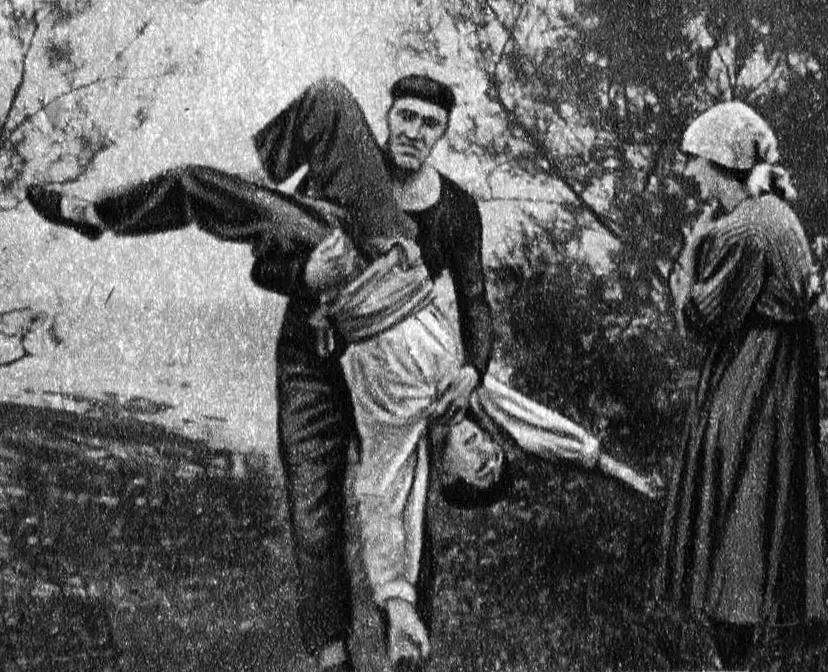
The performances in Gachucha, fille basque are a masterclass in silent-era acting, relying on expressive physicality and nuanced facial expressions to convey profound emotional states. Paulette Ray, as Gachucha, is nothing short of captivating. Her eyes, often wide with wonder or clouded with indecision, become windows into her soul, articulating the internal conflict that rages within her. She portrays Gachucha not as a passive recipient of fate, but as an active agent, wrestling with choices that carry immense weight for her personal destiny and the future of her community. Her chemistry with both Chiquito de Cambo, who imbues the local shepherd Mikel with a quiet, unwavering strength, and Hugues de Bagratide, whose André is a compelling mix of charm and perhaps a touch of opportunistic naiveté, is palpable. The supporting cast, including Raoul Paoli and Ninon Balzan, skillfully flesh out the village tapestry, adding layers of communal wisdom, suspicion, and solidarity. Each gesture, each lingering glance, contributes to a rich emotional landscape that defies the absence of spoken dialogue, proving that true artistry transcends verbal communication. This level of emotional conveyance is a hallmark of the best silent films, reminding one of the raw power found in works like Regeneration, where character depth emerges from sheer visual storytelling.
The dramatic fulcrum of the film arrives with a crisis that threatens to shatter the very foundations of Gachucha’s world. Whether it’s a devastating storm, a common trope in early cinema for testing human resolve, or a land dispute instigated by external forces seeking to exploit the natural resources of the Pyrenees, this external conflict serves to amplify Gachucha’s internal turmoil. It is here that the film truly shines, transforming a personal love triangle into a broader allegory about communal survival and cultural identity. Gachucha is thrust into a position where her decisions have far-reaching consequences, extending beyond her own happiness to the very fabric of her village. This kind of high-stakes, community-centric drama, where the individual's fate is inextricably linked to the collective, evokes the powerful social commentary sometimes found in films like Has the World Gone Mad!, albeit with a focus on regional rather than global concerns. Her journey becomes a testament to resilience, a demonstration of how deeply ingrained cultural values can provide strength in the face of overwhelming adversity. The resolution, without giving too much away for those fortunate enough to unearth this film, is both emotionally satisfying and intellectually stimulating, leaving the audience to ponder the delicate balance between progress and preservation.
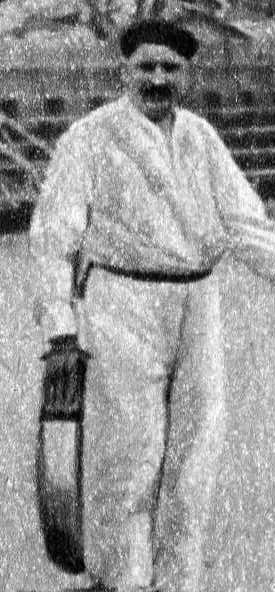
Charles Torquet’s screenplay is a marvel of concise storytelling, managing to convey complex themes and character arcs within the constraints of silent film. The pacing is deliberate, allowing the audience to fully absorb the visual poetry and emotional nuances of each scene. But perhaps the unsung hero of Gachucha, fille basque is the Basque landscape itself. The sweeping panoramas of the Pyrenees, the quaint charm of the village, and the rugged beauty of the coastline are not mere backdrops; they are active participants in the narrative. The mountains symbolize the enduring strength of tradition, the sea represents the unpredictable forces of nature and the call of the unknown, and the village itself is a microcosm of a way of life under threat. The cinematography, though rudimentary by today's standards, masterfully captures the grandeur and intimacy of these settings, using natural light and thoughtful framing to enhance the film's emotional resonance. This integration of setting as a vital character can be seen in other geographically focused dramas of the era, such as Out of the Silent North, where the harsh environment dictates much of the narrative and character development.
What sets Gachucha, fille basque apart is its unwavering commitment to cultural authenticity. The film doesn't merely use the Basque region as an exotic locale; it delves into the heart of its people, their customs, and their struggles. One can discern a genuine respect for the traditions depicted, from the intricacies of village life to the subtle expressions of communal identity. This dedication to portraying a specific cultural milieu with such depth was not always common in early cinema, which often favored broader, more universal narratives. Yet, here, the specificity enriches the universal themes, making the story of Gachucha all the more compelling. It acts as a valuable ethnographic document, preserving glimpses of a way of life that, even then, was beginning to face the pressures of industrialization and globalization. The film serves as a reminder that even in an age of rapid technological and societal change, the core values of community, family, and heritage remain potent forces, capable of shaping destinies and inspiring enduring tales.
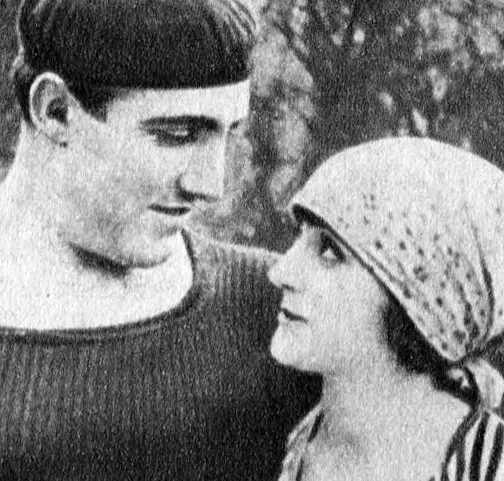
The narrative of Gachucha, fille basque is a powerful exploration of the perennial human dilemma: how to embrace progress without sacrificing identity. Gachucha's journey is not simply a romantic entanglement; it is a coming-of-age story set against the backdrop of a cultural crossroads. Her ultimate choices, whether they lead to a renewed commitment to her traditions or a brave step into an uncharted future, resonate deeply because they are born from genuine conflict and a profound sense of responsibility. The film suggests that true strength lies not in rigid adherence to the past, nor in uncritical acceptance of the new, but in finding a harmonious synthesis. This delicate balance is a theme that continues to challenge societies worldwide, making Gachucha, fille basque surprisingly relevant even a century after its initial release. It encourages us to reflect on our own relationships with heritage and modernity, and to consider the sacrifices and triumphs inherent in navigating these complex terrains. Much like Im Zeichen der Schuld explores moral complexities within a specific societal context, Gachucha delves into the ethical and emotional dimensions of personal and communal loyalty.
In an age saturated with digital spectacle and rapid-fire narratives, there is something profoundly refreshing, almost meditative, about experiencing a film like Gachucha, fille basque. It demands patience, rewards contemplation, and leaves an indelible mark on the viewer's psyche. Its quiet power lies in its ability to tell a grand story through intimate moments, to explore universal truths through specific cultural lenses, and to remind us that the human heart, with all its complexities and contradictions, remains the most compelling subject of all. Charles Torquet's vision, brought to life by a dedicated cast and the raw beauty of the Basque country, crafts a cinematic experience that is both historically significant and emotionally timeless. It is a film that deserves to be rediscovered, studied, and celebrated for its artistic merit and its enduring message. If you ever have the chance to witness this silent masterpiece, do not hesitate; it offers a rare glimpse into a bygone era, yet speaks with an eloquence that transcends time, proving that some stories, much like the mountains themselves, are built to last.
IMDb 6.6
1917
Community
Log in to comment.