DbcultAccessing Vault...
6.1/10
Senior Film Conservator
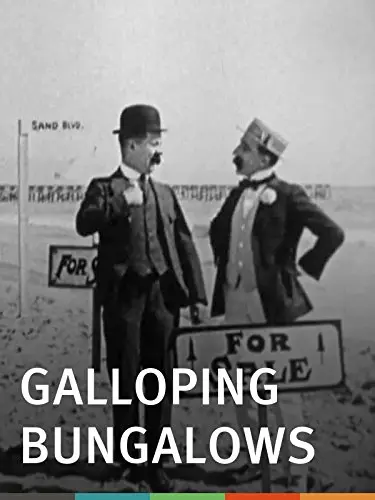
A definitive 6.1/10 rating for a film that redefined the boundaries of cult cinema. Galloping Bungalows remains a cornerstone of transgressive art.
Galloping Bungalows
A cinematic concoction that bewilders and beguiles, Galloping Bungalows presents an intriguing narrative replete with deception, mistaken identities, and the pursuit of matrimony.
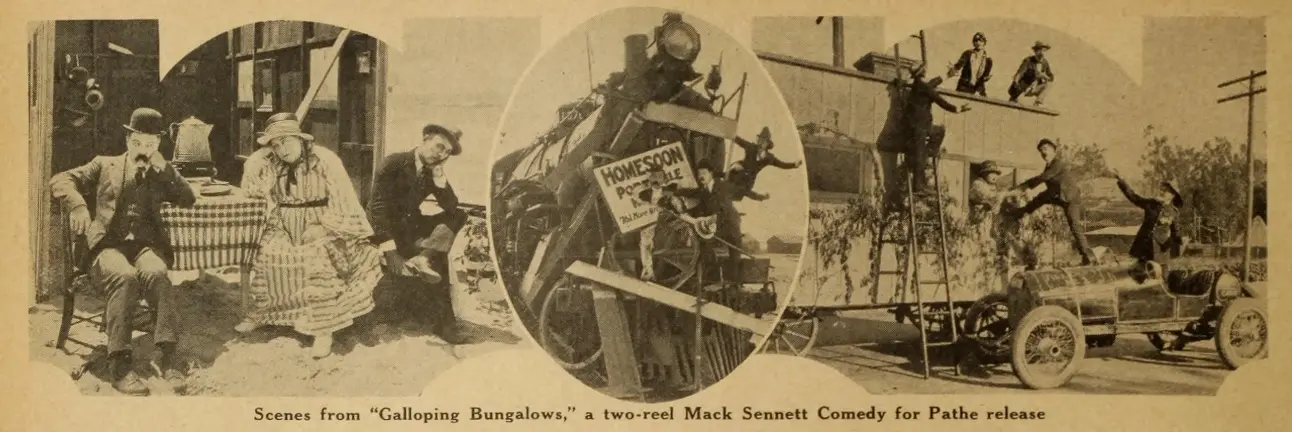
At its core, the film revolves around a seemingly frivolous contest where men compete to showcase the most fascinating mustache, with the grand prize being the hand of an heiress, Diana Palmer, and a mansion to call one's own. This unusual premise sets the stage for a series of events that are as unpredictable as they are engaging.
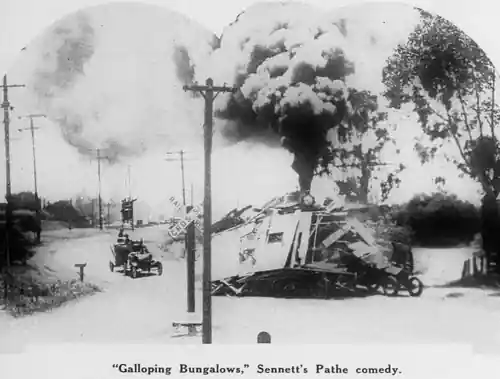
The protagonist, John Syrup Soother, finds himself at the center of this whirlwind when he wins the coveted marriage, only to be confronted with the unexpected revelation that his betrothed is not the youthful Diana but her mother, Olive Palmer. This twist not only upends John's expectations but also serves as a catalyst for a deeper exploration of the themes of identity, deception, and the consequences of one's actions.
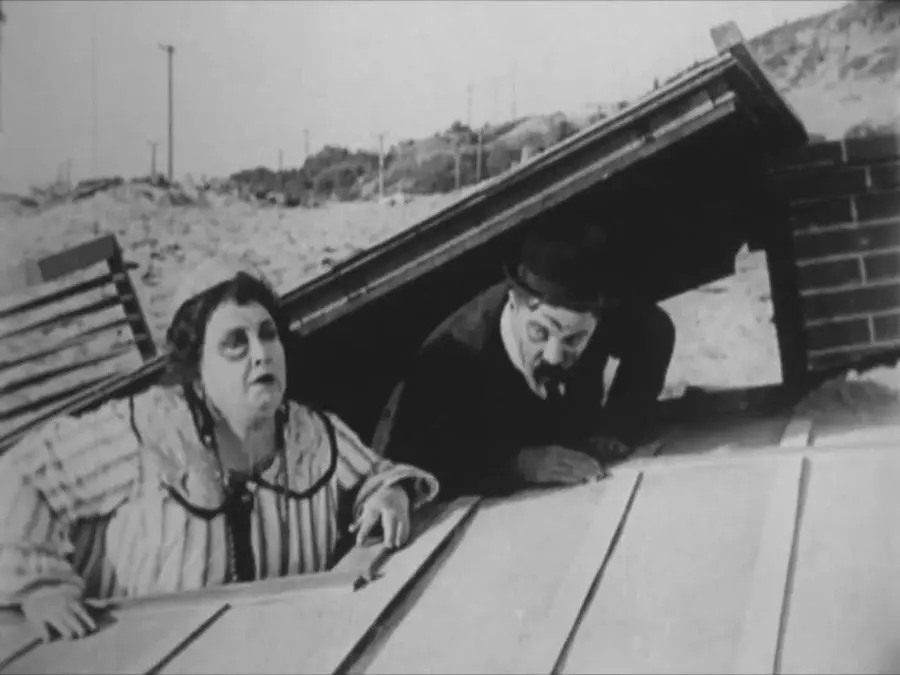
The character dynamics in Galloping Bungalows are multifaceted and contribute significantly to the film's overall impact. John Syrup Soother, portrayed by John J. Richardson, brings a certain charm and naivety to the role, making his journey all the more compelling. The portrayal of Olive Palmer, the tank of a woman who has lost her beauty with age, by Thelma Hill, adds a layer of complexity to the narrative, challenging the audience's perceptions of beauty and matrimony.
The supporting cast, including Gladys Tennyson, Barney Hellum, and Natalie Kingston, among others, add depth and variety to the story, each bringing their own unique energy to their respective roles. The character of Howson Lotts, a shyster with a penchant for dubious real estate deals, played by Si Jenks, stands out as a particularly memorable figure, embodying the film's themes of deception and the pursuit of self-interest.
In comparison to other films of a similar vein, such as Reported Missing and Prima Vera, Galloping Bungalows distinguishes itself through its unique blend of humor, deception, and the complexities of human relationships. While The Virtuous Thief and Le ravin sans fond explore themes of morality and the human condition, Galloping Bungalows approaches these topics with a lighter tone, focusing on the absurdities and intricacies of the human experience.
The direction of Galloping Bungalows, a collaborative effort by John A. Waldron, Tay Garnett, and Edward F. Cline, is noteworthy for its pacing and ability to balance the film's various elements. The screenplay navigates the complex web of relationships and deceptions with a deft touch, ensuring that the audience remains engaged and invested in the characters' fates.
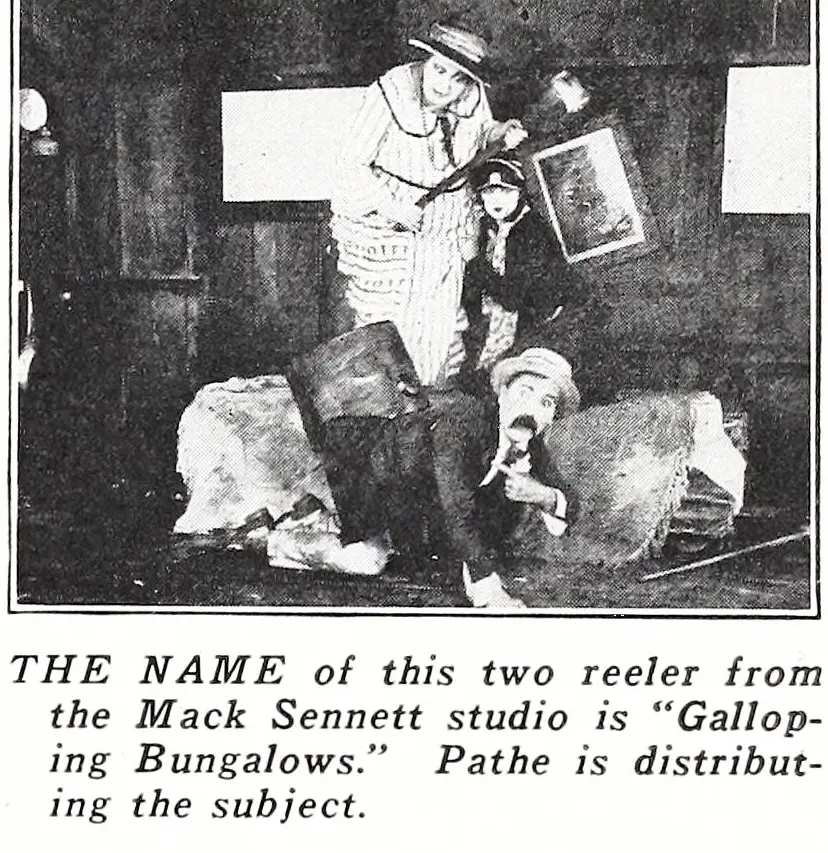
Ultimately, Galloping Bungalows is a film that defies easy categorization. It is at once a romantic comedy, a tale of deception, and a commentary on the human condition. Its enduring appeal lies in its ability to entertain, provoke thought, and offer a glimpse into the complexities of human relationships, all while maintaining a lighthearted and engaging tone.
In conclusion, Galloping Bungalows is a cinematic gem that offers a unique viewing experience. Its blend of humor, intrigue, and social commentary makes it a must-see for fans of classic cinema. So, if you're in the mood for a film that will challenge your perceptions and leave you entertained, Galloping Bungalows is an excellent choice.
IMDb —
1933
Community
Log in to comment.