DbcultAccessing Vault...
Cult Review
Senior Film Conservator
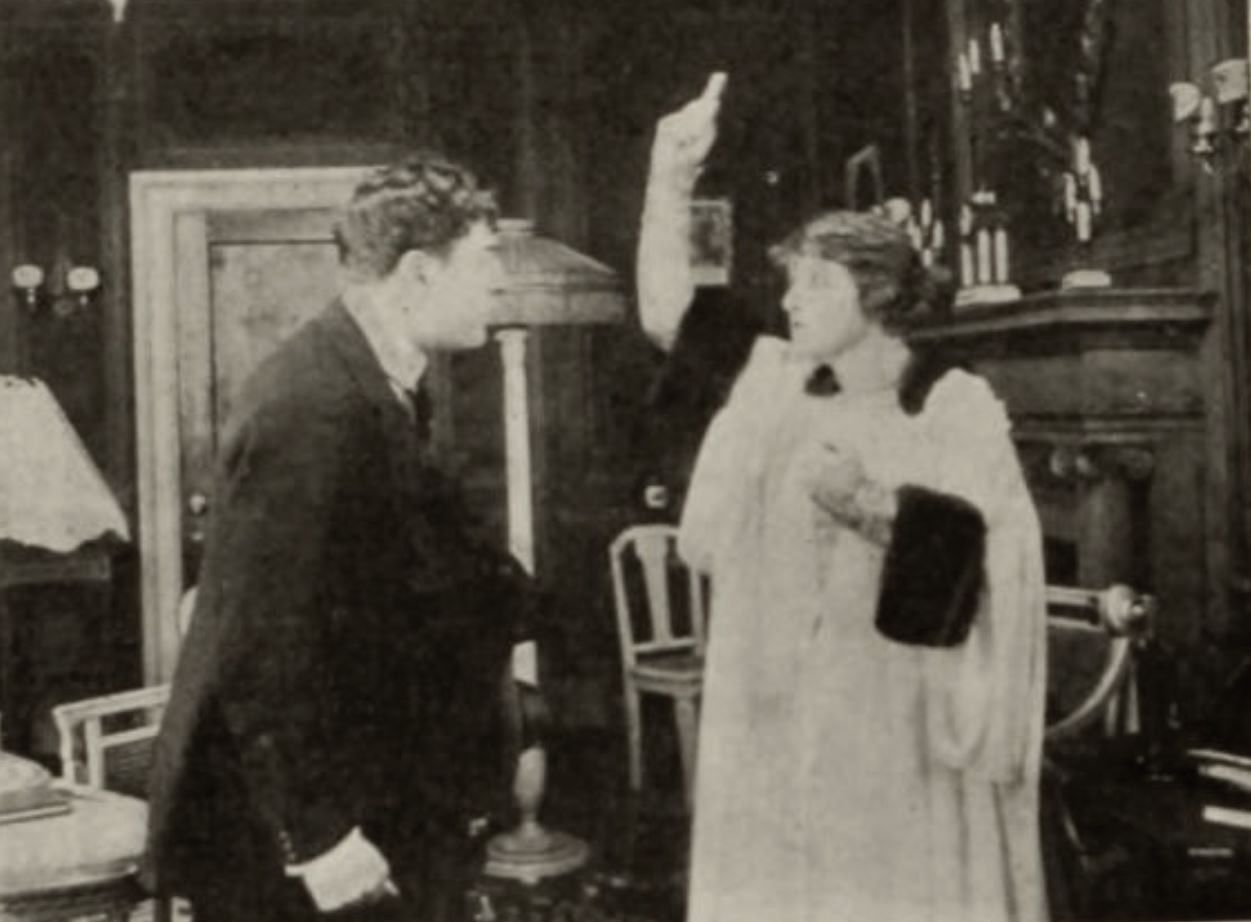
In the annals of early cinema, where narratives often grappled with the nascent possibilities of visual storytelling, a particular gem like 'The Woman's Law' emerges not just as a historical artifact but as a profound exploration of human nature, morality, and the convoluted dance of identity. This silent era masterpiece, far from being a mere relic, resonates with a startling psychological depth, challenging its audience to confront uncomfortable truths about justice, sacrifice, and the lengths to which an individual might go to preserve a semblance of order amidst chaos.
The film ignites with an act as old as drama itself: a murder born of unchecked privilege and volatile jealousy. George Orcutt, a man whose wealth seems to have insulated him from the consequences of his dissolute lifestyle, plunges a knife into the artist Lucas Emmet. The motive? A sordid quarrel over Emmet's girlfriend, a testament to Orcutt's possessive and destructive character. This opening gambit immediately establishes the moral stakes, positioning Orcutt not as a tragic figure, but as a perpetrator whose actions ripple outwards, irrevocably altering the lives of all connected to him. The immediate confession to his wife, Gail, is not an act of contrition but a desperate plea for complicity, an expectation that her devotion will extend to shielding him from the inevitable.
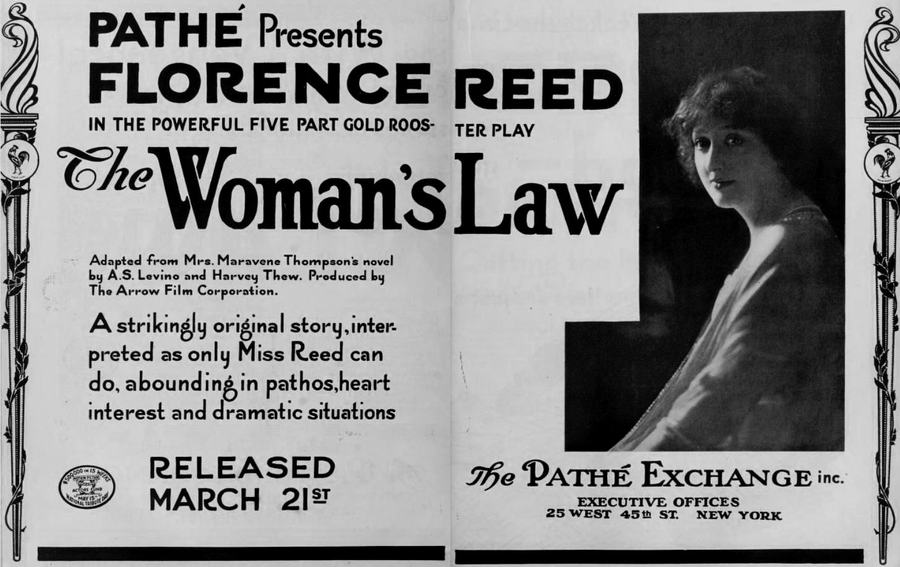
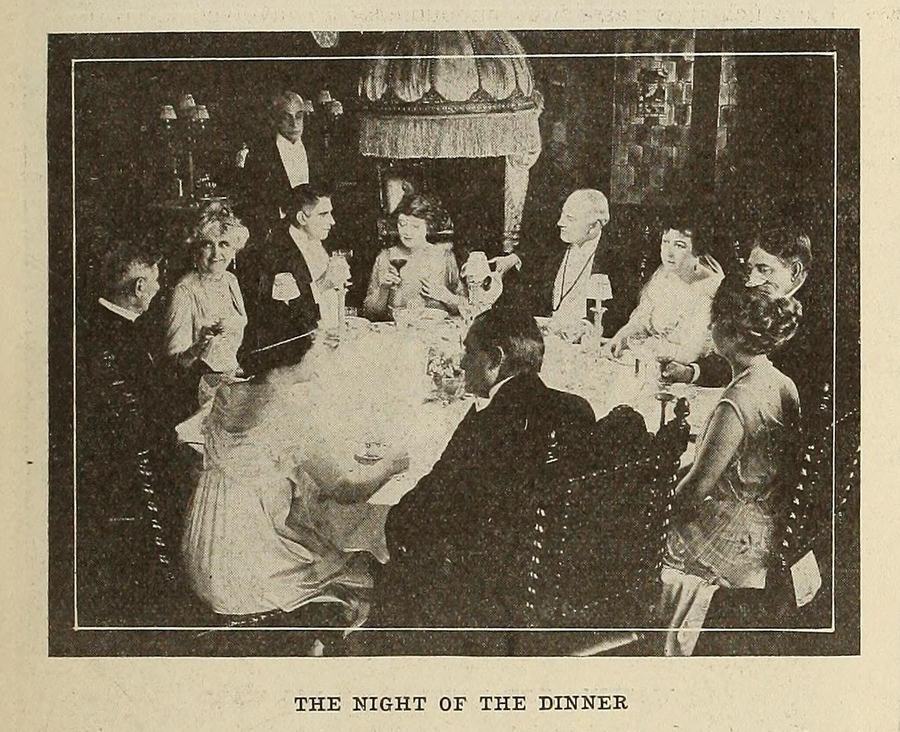
Gail Orcutt, however, is no mere accessory. Her character is the very crucible in which the film's ethical dilemmas are forged. Faced with the stark reality of her husband's crime and the looming destruction of their son's future, she is thrust into an unenviable position. Her decision to orchestrate a deception is not born of malice, but of a primal maternal instinct, a desperate attempt to protect her child from the taint of a father's infamy. This act, ethically dubious as it may be, immediately elevates the narrative beyond a simple crime drama into a profound psychological study. The serendipitous discovery of a dazed, amnesiac man on a park bench – a man bearing an uncanny resemblance to George – provides the impossible solution. It's a moment of cinematic synchronicity, almost too convenient, yet it is grounded in a prior dinner conversation where esteemed judges and her friend, District Attorney John Kent, mused on the philosophical notion of everyone having a double. This seemingly innocuous discussion transforms into the very justification for Gail's audacious plan, blurring the lines between coincidence and fate, legal theory and desperate action.
Her resolve, while shocking, resonates with a tragic heroism. She chooses the salvation of her family's reputation and her son's innocence over adherence to strict legal rectitude. This moral tightrope walk is what gives 'The Woman's Law' its enduring power. It asks us, the audience, what we would do in such an impossible situation. Would we uphold the letter of the law, condemning an innocent child to a life shadowed by a murderer, or would we bend the rules, creating a new reality, however fragile, to preserve a greater good?
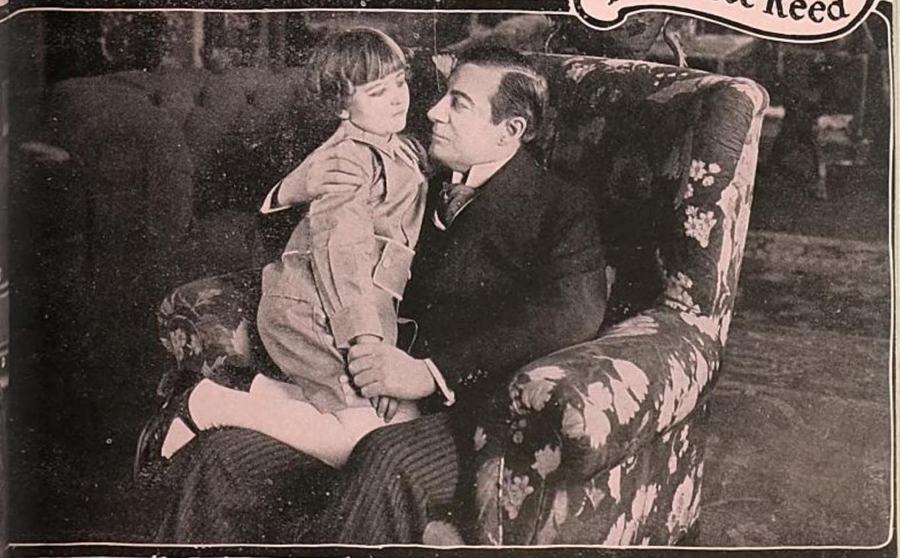
The unwitting pawn in Gail's grand deception is arguably the film's most tragic figure. Stripped of his identity by amnesia, he is thrust into a life not his own, declared insane, and confined to a sanitarium. His subsequent release and integration into Gail's household as her 'husband' is a testament to the power of circumstance and the human capacity for adaptation. He lives a borrowed life, a man without a past, yet he forms a genuine connection with Gail, a bond built on shared secrecy and an burgeoning affection. This central conceit echoes themes explored in later films dealing with mistaken identity or psychological amnesia, perhaps finding a distant cousin in the atmospheric A gyanú (The Suspicion) or even the more modern Memoria dell'altro (Memory of the Other), where the loss of self fundamentally reshapes destiny. The profound irony is that this man, initially a tool for deception, becomes a source of genuine love and stability for Gail, a stark contrast to the volatile George.
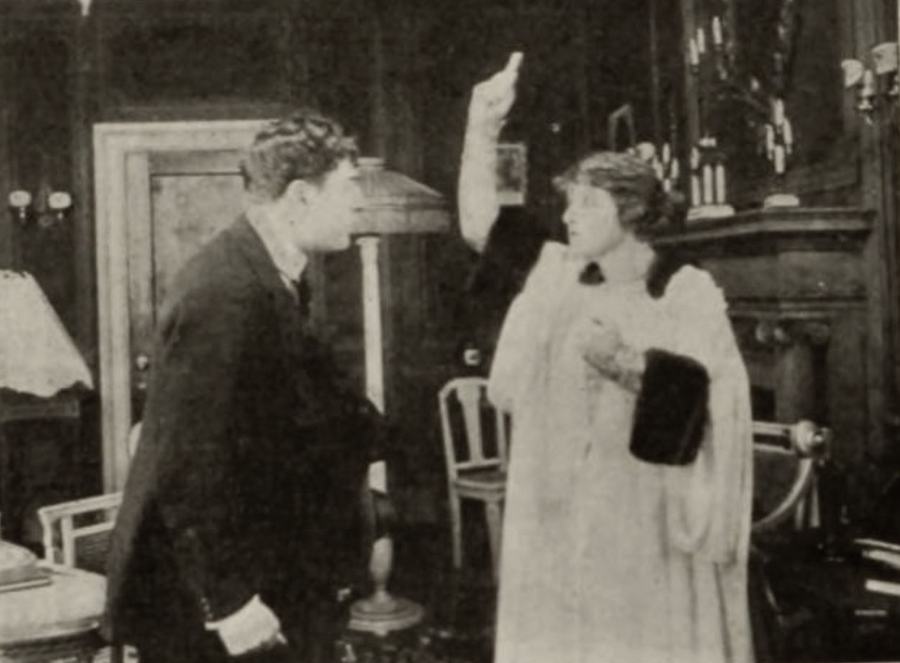
No deception, however meticulously planned, can withstand the relentless march of fate. The return of the real George Orcutt, now a shadow of his former opulent self, glimpsed by the astute reporter Frank Fisher in a seedy saloon, signals the inevitable unraveling. Fisher, a character embodying the journalistic drive for truth, becomes the catalyst for the rising tension. His investigation, driven by professional curiosity, threatens to expose the fragile new reality Gail has painstakingly constructed. George's reappearance is not for reconciliation or repentance, but for extortion, fueled by jealousy and a sense of entitlement to his former life and wealth. His violent intrusion into his former home, demanding money from Gail, culminates in a shocking climax. The butler, mistaking him for a common thief, shoots and kills him. It's a moment of poetic justice, a grim twist of fate that delivers retribution not through the slow machinations of the law, but through a brutal, instantaneous act of self-preservation. The irony is palpable: the man who escaped the law's grasp is ultimately undone by the very domesticity he scorned.
In the aftermath of George's demise, the final pieces of the puzzle fall into place. The impostor, now free from the spectral presence of his predecessor, experiences a breakthrough: his memory returns. He is Keith Edgerton, his amnesia a psychological shield against the trauma of his parents' death. This revelation adds another layer of tragic depth to his character, transforming him from a blank slate into a man with a past, albeit one that has been cruelly withheld. The burgeoning love between Keith and Gail, forged in the crucible of shared deception and quiet companionship, now stands on solid ground, free from the shadow of George. The resolution, however, is not a simple triumph of good over evil. Frank Fisher and District Attorney John Kent, the very figures who represent the pursuit of truth and justice, are confronted with a profound ethical quandary. Do they expose the elaborate deception, shattering Gail's newfound happiness and potentially implicating her, or do they allow the secret to remain buried, preserving a fragile peace built on a lie? Their decision to keep the matter secret is a powerful statement on the complexities of justice. It suggests that sometimes, the letter of the law must yield to a more humane, compassionate understanding of right and wrong, especially when the innocent have suffered enough and true love has blossomed from the ashes of deceit. This echoes the moral ambiguities found in legal dramas like Gambier's Advocate, where the lines between legal and moral justice are often blurred.
Beyond its thrilling plot, 'The Woman's Law' delves into several compelling themes. The most prominent is, of course, identity. The film masterfully explores how identity can be stolen, lost, assumed, and ultimately reclaimed. It questions the very essence of self: is it defined by memory, by societal perception, or by the choices we make? The impostor's journey from a man without a name to Keith Edgerton, a man who chooses love and a new life, is a powerful testament to the resilience of the human spirit. This thematic exploration of identity is often seen in cinema, from the psychological nuances of Das Spiel ist aus to the more straightforward narratives of mistaken identity.
Another crucial theme is the nature of justice. Is justice merely the strict application of the law, or does it encompass a broader sense of fairness, compassion, and restorative peace? The film challenges traditional notions of retribution, suggesting that sometimes, allowing a secret to remain unspoken can lead to a more profound and equitable outcome for those involved, particularly when the original perpetrator has met a deserved end through other means. The actions of Fisher and Kent, representing the pillars of societal order, underscore this nuanced perspective, making the film remarkably progressive for its time. It’s a compelling look at the grey areas that legal systems often struggle with, making it a precursor to many modern dramas that explore the ethical quandaries within the justice system.
The film also subtly critiques societal expectations and class. George Orcutt's initial impunity stems from his wealth, and Gail's desperate act is partly driven by a desire to maintain her family's social standing. The contrast between the dissolute millionaire and the innocent amnesiac, who ultimately proves to be a more worthy partner, speaks volumes about true character transcending superficial status. The silent film medium, reliant on visual cues and powerful performances, would have conveyed these class distinctions through costume, setting, and body language with remarkable clarity.
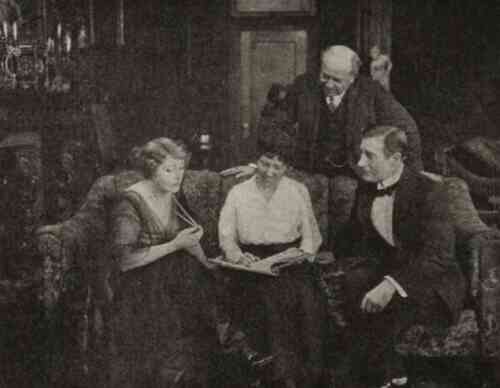
While specific directorial choices and performances are harder to ascertain without direct access to the film itself, the narrative structure, as described, speaks volumes about its inherent dramatic strength. The constant tension, the moral ambiguities, and the unexpected twists would have kept early 20th-century audiences enthralled. The screenplay by Harvey F. Thew, Albert S. Le Vino, and Maravene Thompson, based on a compelling plot, demonstrates a sophisticated understanding of dramatic pacing and character development, even within the constraints of the silent era. The use of a 'double' as a central plot device is a classic trope, but here it is infused with a psychological realism that elevates it beyond mere gimmickry. The film's ability to evoke empathy for Gail, despite her morally questionable actions, is a testament to strong writing and, undoubtedly, powerful acting from Anita d'Este Scott.
The performances, particularly that of Anita d'Este Scott as Gail, would have been central to conveying the emotional turmoil and resolute determination of her character. In the silent era, actors like her had to rely heavily on expressive facial movements and body language to communicate complex emotions, making their craft particularly demanding. Similarly, the portrayal of the impostor, likely by William A. Williams, would have required a delicate balance of vulnerability, confusion, and growing affection. Jack Curtis, as the villainous George Orcutt, would have needed to exude the entitled malevolence that drives the initial crime and subsequent attempts at blackmail. The interplay between these characters, conveyed through gestures and intertitles, would have been crucial to the film's success in engaging its audience.
'The Woman's Law' stands as a powerful example of early cinema's capacity to explore complex ethical landscapes. It avoids simplistic black-and-white morality, instead immersing its audience in the nuanced shades of grey that define real-life decisions. It asks us to consider the fluid boundaries of identity, the elastic nature of justice, and the profound sacrifices made in the name of love and family. Its narrative echoes the dramatic intensity found in other films of its period, like Thou Shalt Not Steal, which also grappled with moral transgressions and their consequences, albeit from a different angle. The film's enduring relevance lies in its timeless themes, which continue to provoke thought and discussion even a century later. It is a testament to the enduring power of storytelling, proving that even without spoken dialogue, a film can speak volumes about the human condition and the intricate laws, both societal and personal, that govern our lives.
The ingenuity of the plot, the depth of its characters, and its fearless dive into moral ambiguities ensure 'The Woman's Law' remains a significant piece of cinematic history. It's a stark reminder that the silent era was anything but silent in its thematic resonance, offering rich, layered narratives that continue to captivate and challenge audiences, inviting them to ponder the true meaning of law, identity, and the extraordinary lengths to which the human heart will go for love.
In its quiet intensity, 'The Woman's Law' achieves a grandeur often associated with more celebrated works, cementing its place as a compelling and thought-provoking drama that transcends its historical context. It is a powerful exploration of the human psyche under duress, a narrative that, despite its age, feels profoundly modern in its understanding of moral compromise and the intricate dance between personal desire and societal duty. This film is a compelling argument for the preservation and re-evaluation of silent cinema, proving that these early works are not just historical footnotes but vibrant, engaging narratives that continue to speak to the enduring complexities of the human experience.
IMDb —
1918
Community
Log in to comment.