DbcultAccessing Vault...
Cult Review
Senior Film Conservator
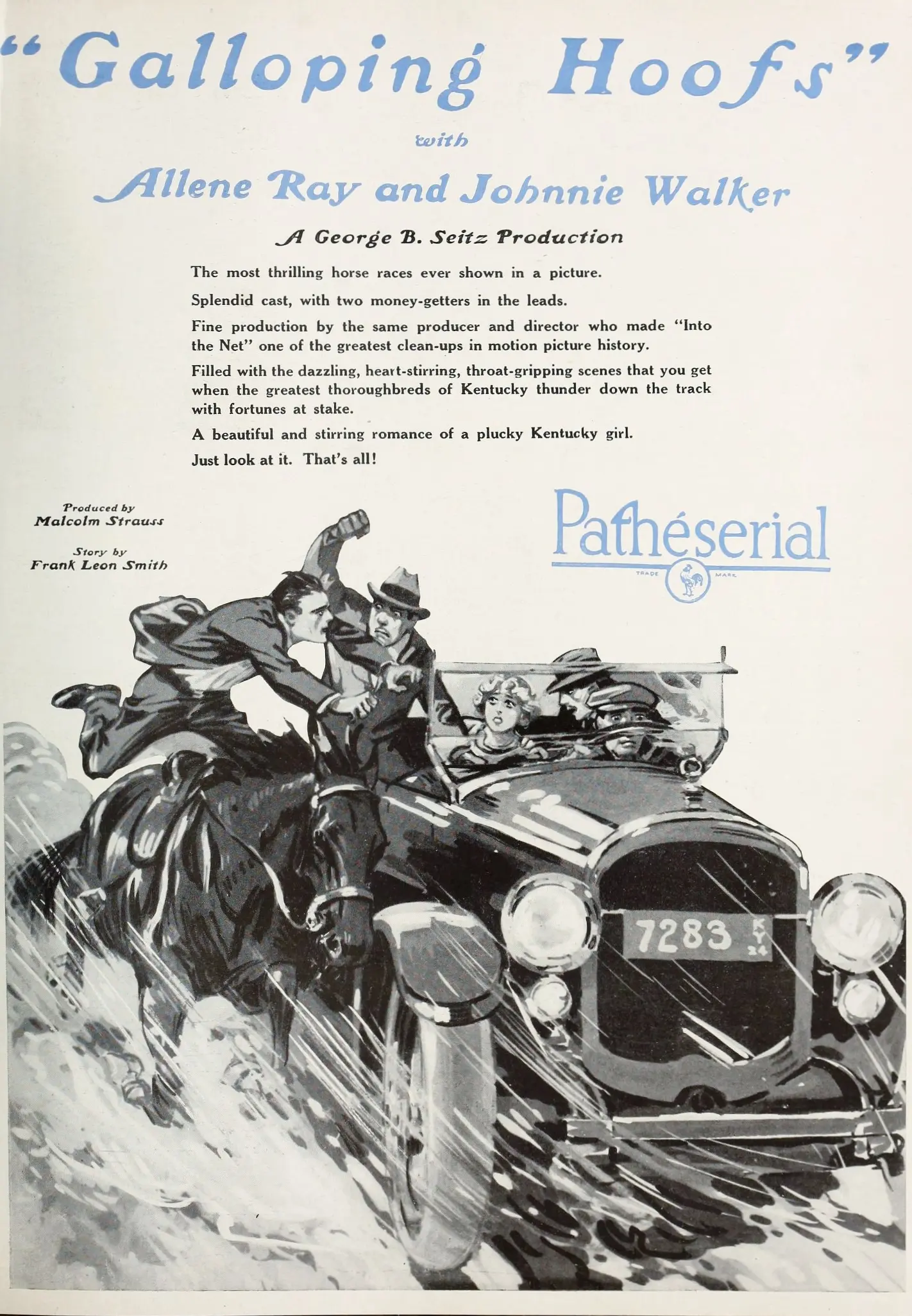
In the quiet expanse of rural America, life is a delicate balance of toil and tradition. Armand Cortes stars as a farmer named Jack who navigates the unyielding demands of his land and the rapidly encroaching industrialization. The film opens with a serene morning on the farm, the sun casting long shadows over the rolling hills as Jack and his family wake to the rhythmic sounds of the wind and the distant call of birds. As the day progresses, the serene facade begins to crack under the strain of financial pressures.
The narrative unfolds through a series of interwoven vignettes that showcase the resilience of Jack and his community. We see him struggling with debts, the harsh realities of crop failures, and the looming threat of mechanization that could displace him and his neighbors. Yet, amidst the challenges, there are moments of tenderness and warmth, such as the family’s bond and the support from fellow farmers. These scenes are interspersed with more somber reflections on the changing times and the uncertain future.
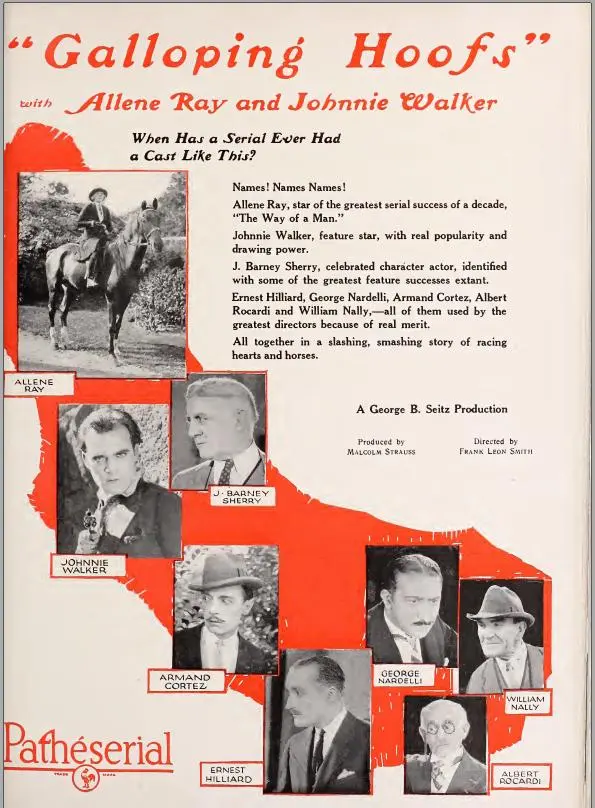
Cortes’ performance is a standout, capturing the emotional depth of Jack’s character. His portrayal is not merely that of a stoic farmer but a man torn between his pride and the necessity of adaptation. The supporting cast, including Walter P. Lewis, Johnnie Walker, and others, bring authenticity to their roles, enriching the film with a sense of community and shared struggle.
The cinematography is a highlight, with the lush landscapes of rural America beautifully captured. The use of natural light and the changing seasons subtly convey the passage of time and the cyclical nature of life. The film’s pacing is deliberate, allowing viewers to fully immerse themselves in the world of the characters and the broader socio-economic context.
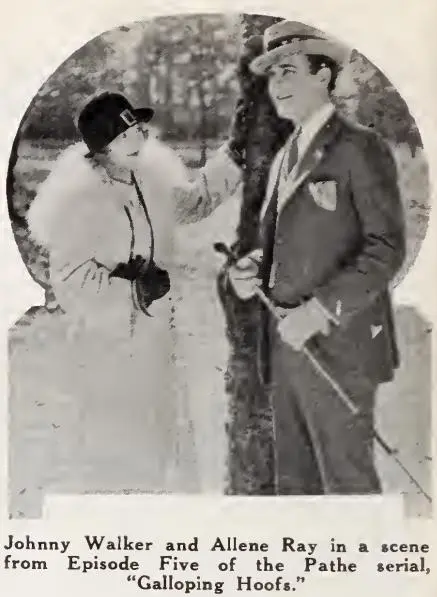
While the film is not without its flaws, such as occasional pacing issues and some clichéd elements, the overall execution is commendable. The script, written by Frank Leon Smith, balances humor, tragedy, and social commentary with an almost poetic touch. It raises pertinent questions about the cost of progress and the resilience of rural communities.
In comparison to other films from the era, such as 'Squire Phin' (1917) and 'National Red Cross Pageant,' 'Galloping Hoofs' stands out for its more nuanced exploration of rural life and its subtle critique of industrialization’s impact. It aligns more closely with the social dramas of the time, such as 'The Little Intruder' (1919) and 'To a Finish' (1919), which also delve into the lives of ordinary people facing extraordinary challenges.
Moreover, the film’s emphasis on family and communal support resonates with contemporary films like 'Le chant de l'amour triomphant' (1919), where such themes are also central. However, 'Galloping Hoofs' offers a more textured and less romanticized portrayal of rural life, making it a valuable addition to the genre.
In conclusion, 'Galloping Hoofs' is a deeply moving and thought-provoking film that captures the essence of rural life in early 20th century America. Armand Cortes’ performance, coupled with a richly detailed screenplay and stunning cinematography, create a powerful narrative that challenges viewers to reflect on the enduring values of community and resilience. While it may not be a perfect film, it is undoubtedly a significant piece of early American cinema that deserves a place in the canon of rural dramas.
IMDb 4.6
1919
Community
Log in to comment.