DbcultAccessing Vault...
Cult Review
Senior Film Conservator
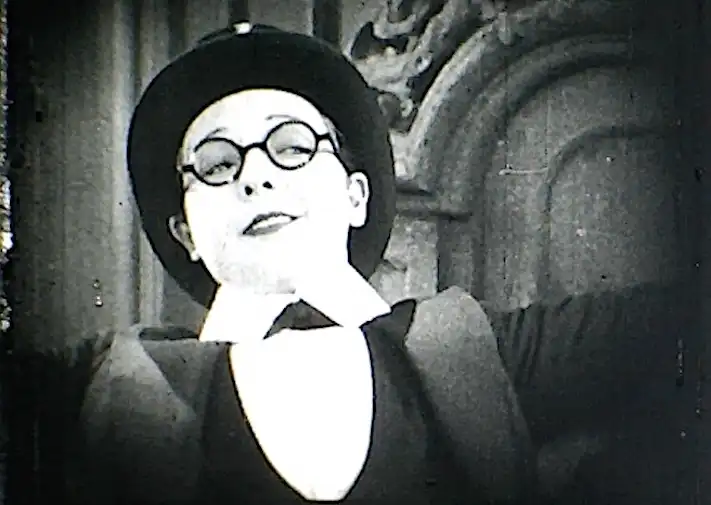
So, you're wondering if you should track down *Ein kleiner Vorschuß auf die Seligkeit* from 1929? 🧐 Well, if you're a silent film enthusiast, someone curious about early German cinema, or just enjoy a very different kind of storytelling, then **yes**, absolutely give it a go. For anyone expecting modern pacing, explosive sound, or a slick, easy narrative, you'll probably find it a bit of a slog. This one's definitely for the patient viewer.
Right off the bat, I noticed Mici Erdélyi. She has these eyes, right? They just *pop* even through the grainy print. You can see every flicker of emotion there, which is **everything** in a silent picture.
The story itself is fairly simple. Roland Varno plays our earnest young hero, trying to make his way and, of course, find love. He's got that infectious, slightly bewildered smile that just tells you he's the good guy, even when he's probably messing things up.
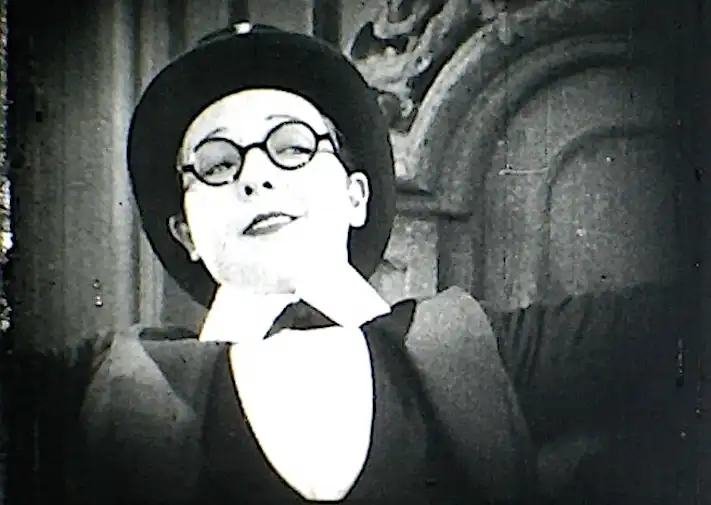
There's this one scene where Georg Berg's character is pacing, and the way the camera cuts to his shadow… it felt a little too dramatic for a second. Almost like a cartoon villain, which was a bit odd given the overall gentle vibe.
The intertitles, for the most part, do their job. They move the plot along without too much fuss. But then, you get one that just *explains everything* for like, three lines. It really breaks the flow a bit, pulls you out of the visual storytelling. Made me wonder if they thought audiences wouldn't get it.
Sophie Pagay, playing what I assume is a kindly grandmother type, has this really subtle head nod. When she approves of something, it’s just a tiny tilt. That's the stuff that makes these old films feel real, these small, perfect gestures.
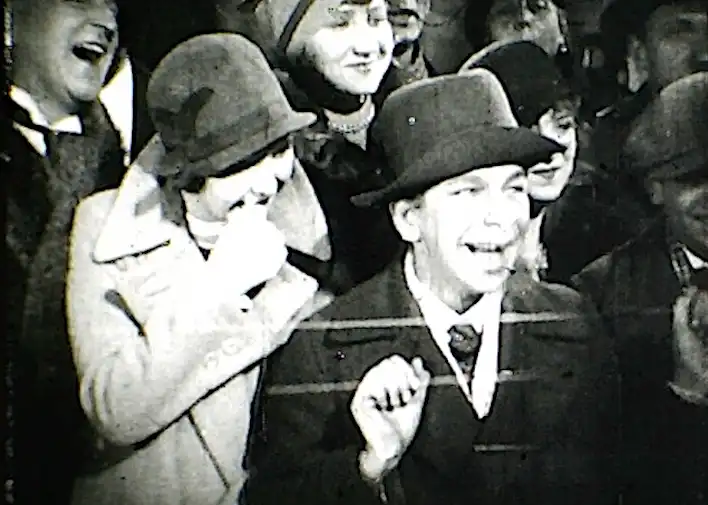
The pacing is… well, it's 1929. You get these long stretches of someone just looking out a window, or walking across a room. Then suddenly, five things happen at once. It's a rhythm you absolutely have to get used to, otherwise you'll be checking your watch.
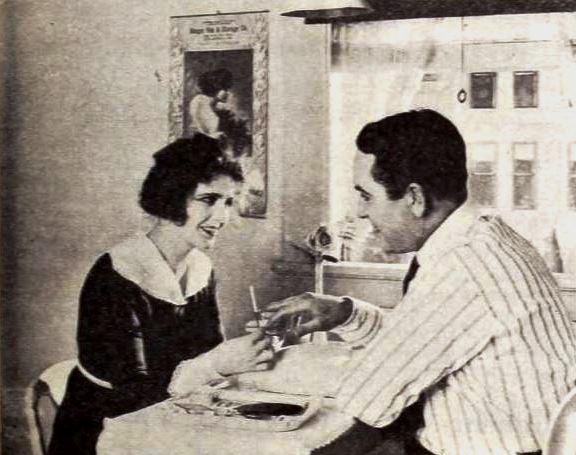
The sets are actually surprisingly detailed for what you can glimpse. That café scene, with all the little tables and cups – someone definitely put real thought into making it look lived-in. It helps ground the whole thing.
And speaking of details, Paul Hörbiger’s character, who seems to be the sort of minor antagonist, has this bit where he’s trying to trip someone. It’s so *obvious*. Like, not even trying to be smooth about it. It was kinda funny, honestly. A moment of accidental slapstick.
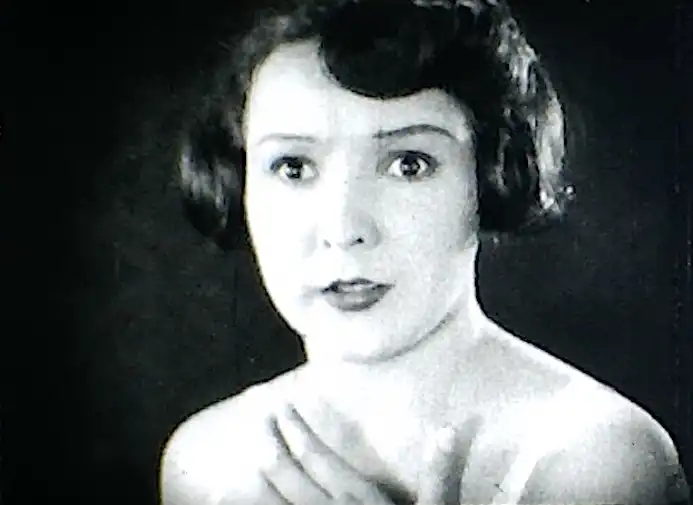
You can really tell when the director wants you to feel something. They just *hold* on a close-up of a teary eye. Sometimes it works, and you feel that pang of sympathy. Other times, it feels a bit much, almost like a demand for emotion.
I kept wondering if the piano accompaniment I was listening to was the *original* one. It really shapes how you feel about certain scenes, doesn't it? A different score could totally change the mood, especially for the more dramatic bits.
Bruno Ziener, he’s the grumpy boss type, and every time he puffs out his chest? It’s just perfect. You *know* that guy. He’s in every office, every generation.
The ending felt a little rushed after all that build-up, almost like they ran out of film or something. It ties things up, but maybe a bit too neatly after the journey.
It's not a film that's going to blow your mind with special effects or intricate plots. But it’s got a genuine heart. It reminds you that sometimes, just getting a *little* bit of happiness, a small step towards where you want to be, really does feel like a blessing.
IMDb 5.9
1936
Community
Log in to comment.