DbcultAccessing Vault...
6.2/10
Senior Film Conservator
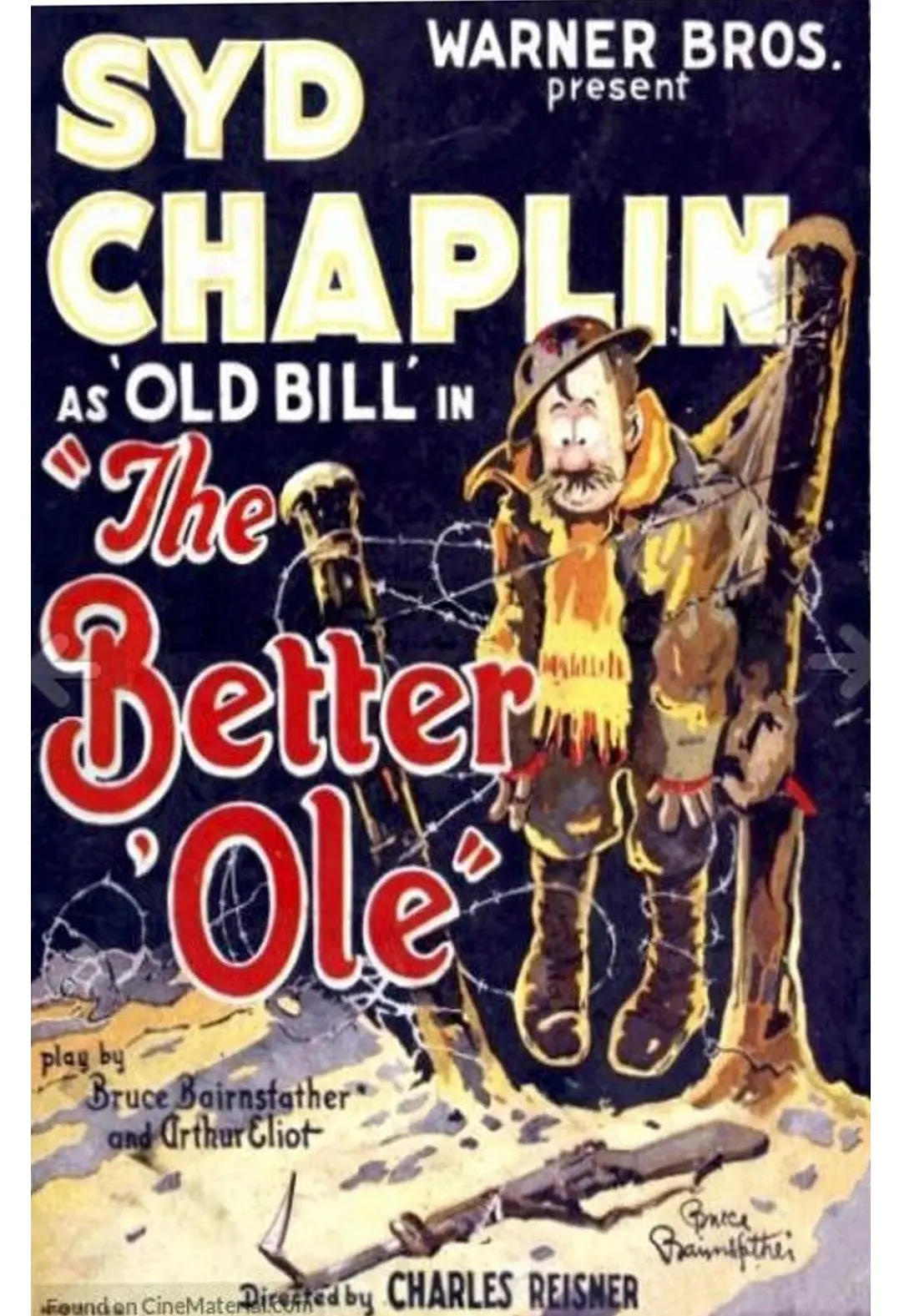
A definitive 6.2/10 rating for a film that redefined the boundaries of cult cinema. The Better 'Ole remains a cornerstone of transgressive art.
Is the 1926 version of The Better 'Ole worth your time in the modern era? Short answer: yes, but only if you approach it as a historical artifact of resilience rather than a standard war movie. While many silent films from this period attempted to capture the tragedy of the trenches, this film chooses to laugh at the mud, the rats, and the incompetence of leadership. It is a specific, rowdy kind of entertainment that feels surprisingly punk-rock for its age.
This film is for enthusiasts of silent-era physical comedy and those interested in the evolution of wartime propaganda into populist entertainment. It is absolutely not for viewers who require the visceral, high-stakes realism of modern combat cinema or those who find the slower pacing of 1920s slapstick tedious.
1) This film works because Syd Chaplin delivers a performance that is entirely distinct from his brother Charlie, offering a grounded, blue-collar grit that makes the absurdity of the trenches feel earned rather than forced.
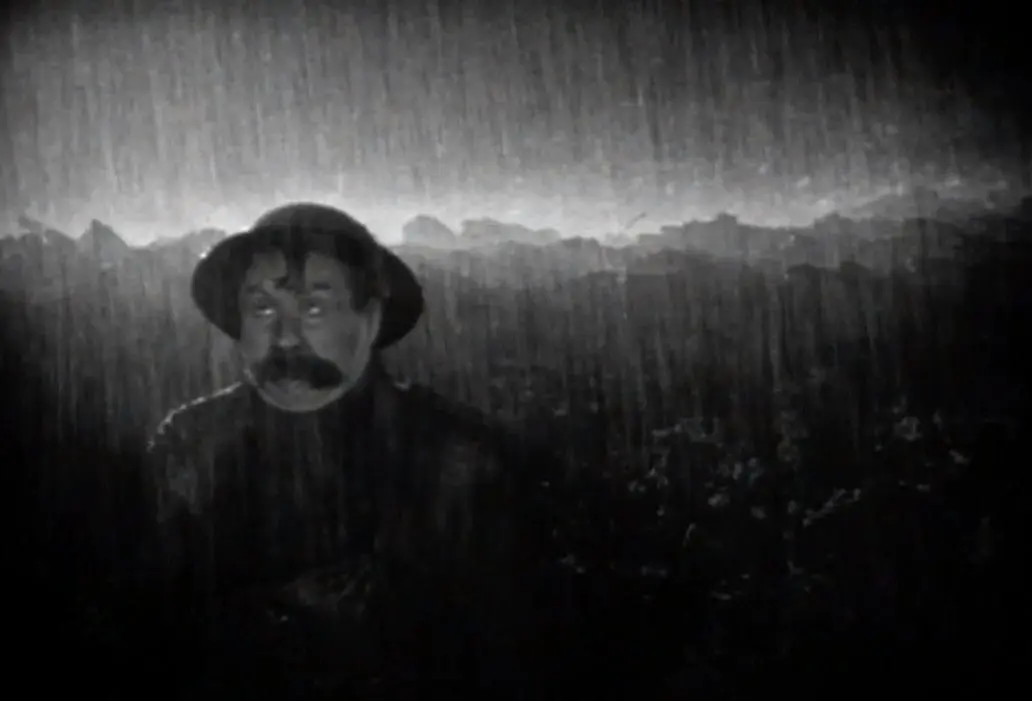
2) This film fails because the second act becomes bogged down in a spy subplot that feels disconnected from the character-driven humor of the opening scenes, slowing the momentum to a crawl.
3) You should watch it if you want to see the missing link between the cartoons of the Great War and the sophisticated physical comedy that would define the late 1920s.
Yes, The Better 'Ole is worth watching because it provides a rare, contemporary look at how the survivors of World War I chose to remember the conflict. Instead of focusing on the politics of the war, it focuses on the camaraderie of the 'Tommy.' It serves as a masterclass in how to use physical comedy to mask deep-seated trauma. It is funny. But it is also heavy.
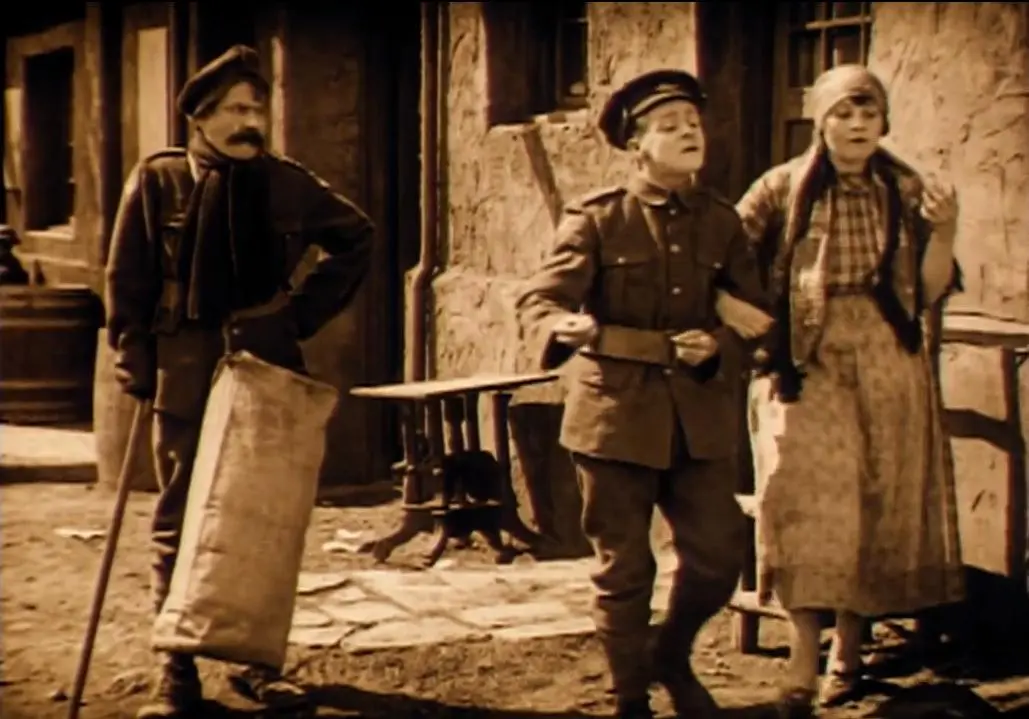
For decades, Syd Chaplin has been relegated to a footnote in the biography of his brother, Charlie. The Better 'Ole proves that this is a historical injustice. In this film, Syd embodies Old Bill with a physicality that is less balletic than Charlie’s but far more relatable. There is a weight to his movements. When he trudges through the mud, you feel the dampness in his boots. Unlike the ethereal quality of the Little Tramp, Old Bill is a man of the earth, motivated by beer and a warm bed.
Consider the scene where Bill attempts to fix a bayonet while distracted by a piece of falling shrapnel. The timing is precise, yet Syd plays it with a weary nonchalance that perfectly captures the 'muddling through' attitude of the British infantry. It is a performance that anticipates the gritty realism of later war comedies, yet it remains firmly rooted in the vaudevillian traditions of the time. Compared to the more polished performances in The Perfect Flapper, Syd’s work here feels raw and dangerously alive.
Director Charles Reisner and the writing team, which included a young Darryl F. Zanuck, managed to create a set that feels claustrophobic and expansive all at once. The trenches aren't just backgrounds; they are characters. They are dirty, messy, and constantly in the way. This isn't the sanitized version of war seen in Guarding Old Glory. This is a world of corrugated iron and muddy puddles.
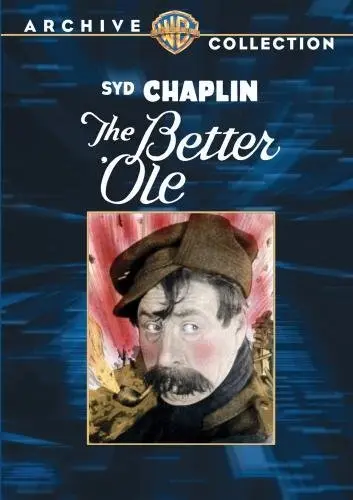
The cinematography utilizes deep shadows and high-contrast lighting to emphasize the grittiness of the environment. There is a specific shot where Bill is seen through a hole in a wall, framed by the destruction around him, that feels as modern as anything filmed in the last twenty years. It’s loud. Even without sound. The visual noise of the explosions and the frantic movement of the extras creates a sense of chaos that is rarely achieved in silent cinema.
It is fascinating to see the fingerprints of Darryl F. Zanuck on this script. Even early in his career, Zanuck understood the need for a strong narrative hook. The transition from episodic trench life to a focused plot involving a German officer disguise keeps the film from becoming a mere series of sketches. While the spy elements are the weakest part of the film, they provide the necessary stakes to keep the audience engaged through the 90-minute runtime.
The dialogue titles are punchy and often surprisingly cynical. They reflect the 'Bairnsfather' spirit—a dry, British wit that refuses to take the 'glory' of war seriously. This cynicism is a sharp departure from the earnestness of films like The Moonstone or the melodramatic flair of Lady Hamilton. It’s a movie that knows its audience has seen the worst of the world and just wants a reason to smirk at it.
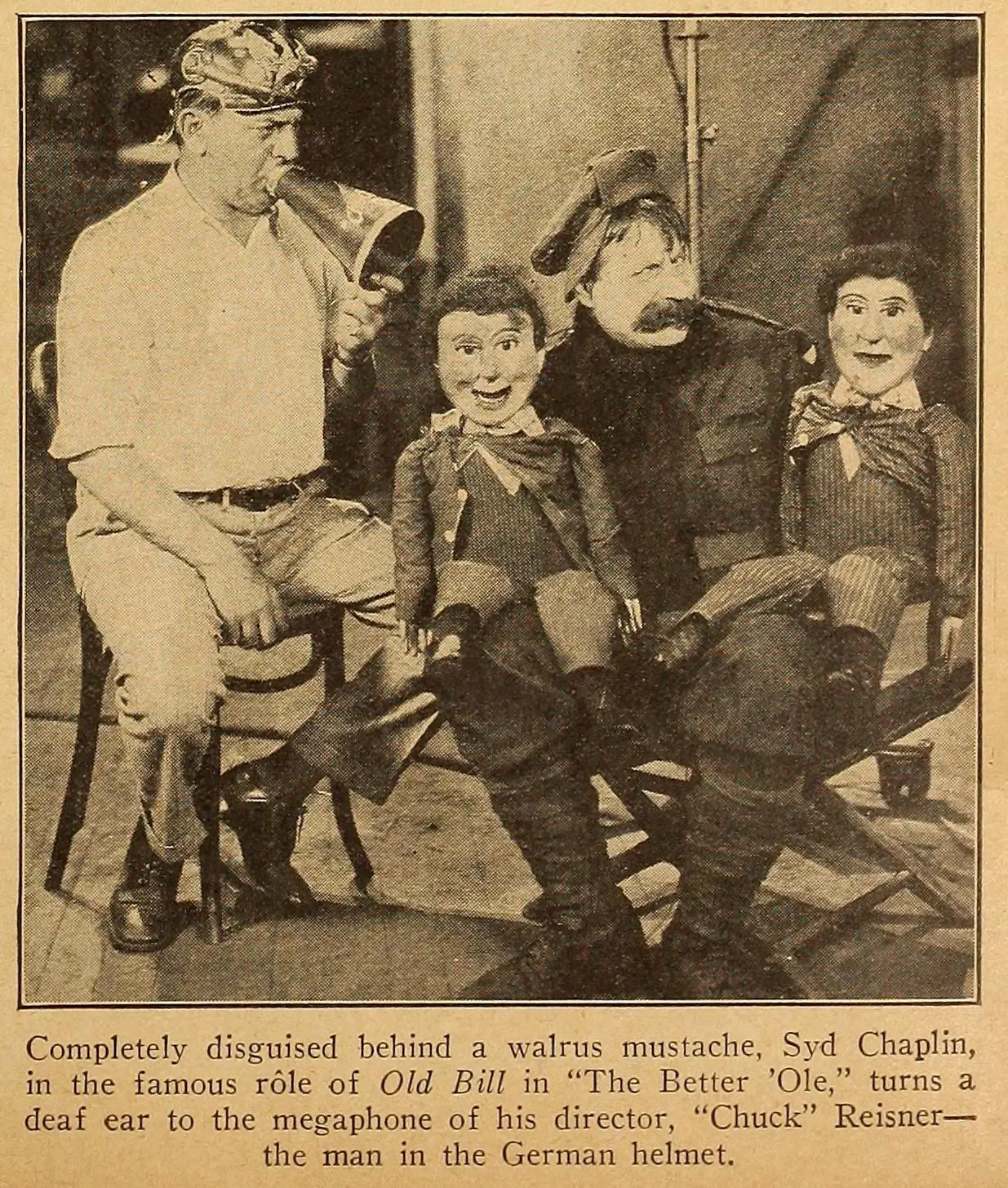
No discussion of The Better 'Ole is complete without mentioning Tom Kennedy and Jack Ackroyd as Alf and Bert. They function as the perfect foils to Syd’s Bill. Kennedy, in particular, brings a lumbering physicality that contrasts beautifully with Syd’s more frantic energy. Their chemistry feels like a precursor to the Three Stooges, but with a darker, more desperate edge.
One of the most memorable sequences involves the trio trying to share a single cigarette under heavy fire. The way they pass the tobacco, shielding the flame from the wind and the enemy, is a beautiful piece of ensemble acting. It’s a small moment, but it speaks volumes about the theme of the film: survival is a team sport. It reminds me of the character dynamics in Battling Mason, where the comedy is born out of shared struggle rather than individual ego.
The film’s greatest challenge is its tone. How do you make a comedy about a conflict that killed millions? The answer lies in the 'Better 'Ole' philosophy. If you find a better hole, go to it. The film doesn't mock the dead; it mocks the circumstances that put the living in such ridiculous positions. It’s a stance that is far more daring than the safe, patriotic sentiments found in Hei de Vencer.
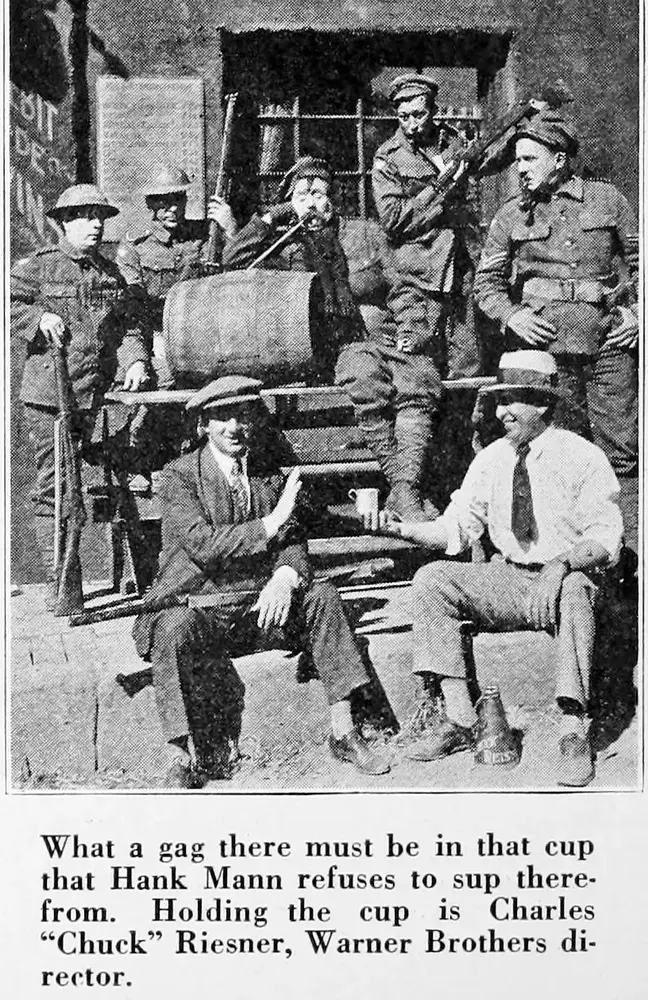
However, the pacing does suffer in the final third. The chase sequences, while technically impressive for 1926, feel overextended. There is a sense that Reisner didn't quite know how to end the film, leading to a climax that feels more like a standard action movie than the character study it started as. Despite this, the energy remains high, and Syd Chaplin’s charisma carries the film across the finish line.
Pros:
Cons:
The Better 'Ole is a fascinating, mud-splattered gem that deserves more recognition. It lacks the polish of a Chaplin masterpiece or the technical perfection of a Buster Keaton feature, but it has a heart that is uniquely its own. It is a film that finds humor in the most hopeless of places, proving that even in the darkest trenches, there is always a reason to laugh. It isn't a perfect film—it's flawed, occasionally messy, and sometimes too long—but it is vital. If you can look past the 1920s conventions, you’ll find a story that is as much about the human spirit as it is about war. It’s a better hole than most movies of its era. Dig in.
IMDb —
1934
Community
Log in to comment.