DbcultAccessing Vault...
Cult Review
Senior Film Conservator
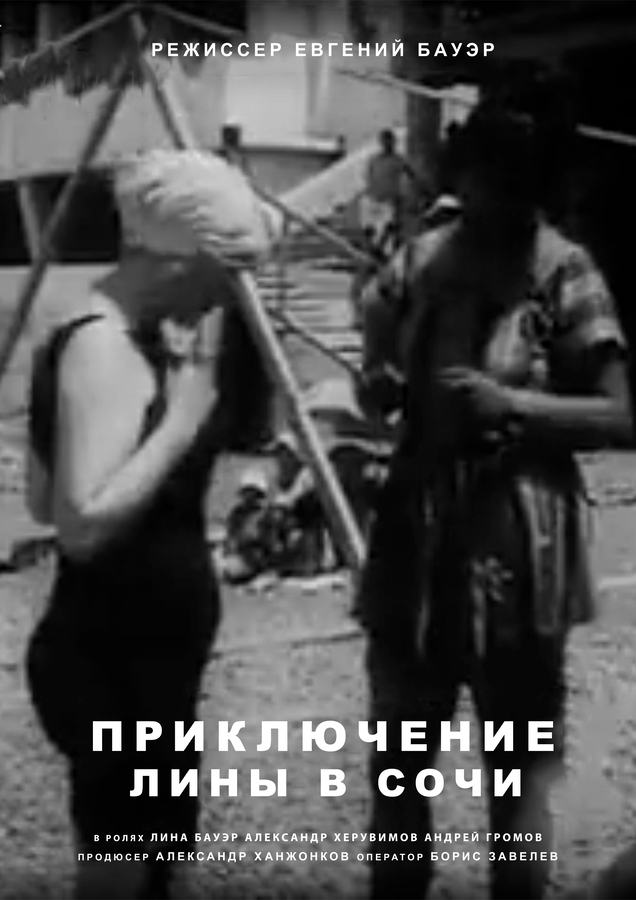
From the very first frame, Priklyuchenie Liny v Sochi (or 'Lina's Adventure in Sochi') doesn't just invite you into its world; it practically drags you in, kicking and screaming with laughter, much like its eponymous protagonist. This isn't just a film; it's a vibrant, unhinged carnival of human desire, a rollicking exploration of what happens when an individual's yearning for escape becomes a physical, almost pathological, malady. The premise itself is a stroke of comedic genius: Lina, portrayed with an astonishing blend of fragility and fierce determination by Emma Bauer, is afflicted by 'resort fever.' It's not a metaphorical ailment, mind you, but a tangible sickness, a fever pitch of longing for the sun-drenched shores of the Caucasus that grips her entire being. This isn't merely a quaint plot device; it's the very engine of the farce, a brilliant metaphor for the universal human impulse to break free from the mundane, to chase an idealized vision of happiness, even if it means upending one's entire existence.
The film immediately establishes a tone of controlled chaos. Lina’s husband, brought to life with a nuanced, perpetually flustered exasperation by Aleksandr Kheruvimov, is a study in devoted bewilderment. His concern is genuine, his attempts to cure Lina's peculiar affliction both earnest and utterly futile. The scene where he convenes a consultation of doctors is a masterclass in escalating absurdity. Imagine a panel of esteemed medical professionals, their faces etched with a mixture of academic gravitas and utter bafflement, attempting to diagnose and treat a condition that defies all conventional understanding. Andrey Gromov, likely as one of these bewildered physicians or perhaps a later acquaintance in Sochi, contributes to this symphony of confusion, his performance adding another layer to the film's rich comedic tapestry. The sterile, clinical setting of the consultation sharply contrasts with the burgeoning, untamed desire within Lina, highlighting the chasm between rational attempts at control and the irrational force of human will.
What makes Priklyuchenie Liny v Sochi truly stand out is its commitment to the escalating nature of farce. Lina's escape isn't a quiet departure; it's a dramatic, almost theatrical, breaking of bonds. Her journey to Sochi transforms into a series of increasingly improbable and uproarious 'adventures.' The film doesn't just show her getting there; it meticulously, and hilariously, details the convoluted path she takes, each obstacle morphing into an opportunity for more comedic mayhem. We witness her navigate misunderstandings, encounter eccentric characters, and stumble into situations that would send a less determined individual spiraling. Yet, Lina, fueled by her 'resort fever,' presses on, a single-minded force of nature in pursuit of her sun-drenched destiny. This relentless pursuit of a singular goal, despite all logical impediments, is where the film finds its profound comedic rhythm.
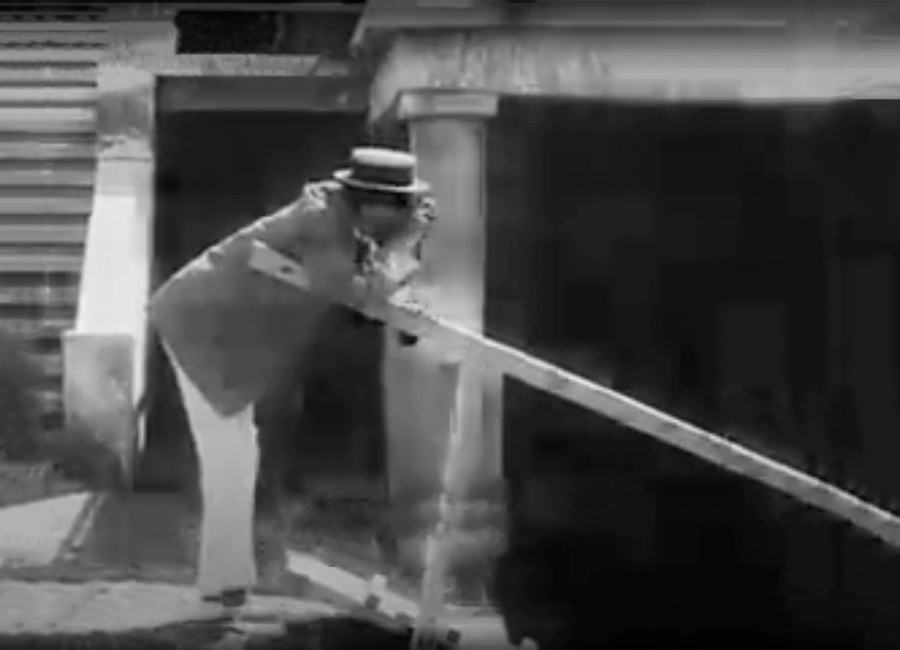
Emma Bauer's portrayal of Lina is nothing short of magnetic. She embodies the character with a physicality that speaks volumes, her eyes conveying both a desperate longing and a mischievous glint of rebellion. It's a performance that demands empathy even as we laugh at her predicaments. Her Lina is not merely a caricature; she is a woman possessed by an idea, an ideal, and Bauer ensures that this possession feels both authentic and utterly hilarious. Kheruvimov’s husband, on the other hand, provides the perfect foil: a grounding presence, a voice of reason perpetually drowned out by the cacophony of Lina’s escapades. Their dynamic is the beating heart of the film, a push and pull between domesticity and wild abandonment. The supporting cast, including Gromov, further enriches this ensemble, each character adding a unique flavor to the comedic brew, from the well-meaning but ultimately ineffectual doctors to the various colorful personalities Lina encounters on her journey.
The film's visual language is as vibrant as its narrative. The shift from the seemingly drab, confined world of Lina's initial illness to the bustling, sun-drenched chaos of Sochi is striking. The cinematography embraces the energy of the resort town, capturing its vibrant colors, its lively crowds, and the inherent theatricality of a place designed for escape and revelry. The use of bright, often saturated, hues during Lina's adventures in Sochi contrasts beautifully with the more muted tones of her home life, visually reinforcing her emotional and physical liberation. This visual storytelling enhances the comedic impact, making the audience feel the intoxicating allure of Sochi alongside Lina, even as her journey descends into delightful disarray. The editing maintains a brisk pace, ensuring that the gags land effectively and the narrative never loses its momentum, propelling Lina from one zany situation to the next with seamless fluidity.
The thematic undercurrents of Priklyuchenie Liny v Sochi are surprisingly rich for a farce. Beyond the surface-level humor, the film delves into the universal human desire for freedom, for breaking free from societal expectations and the confines of routine. Lina's 'resort fever' can be seen as an extreme manifestation of mid-life ennui, a desperate cry for adventure in a life that has perhaps become too predictable. Her journey, while farcical, resonates with anyone who has ever dreamed of packing it all in and running away to a place where they feel truly alive. It asks provocative questions about the nature of happiness: Is it found in the comfort of domesticity, or in the wild, unpredictable pursuit of a dream, no matter how irrational? The film doesn't offer easy answers, but it revels in the glorious absurdity of the pursuit itself. This depth elevates it beyond mere slapstick, positioning it as a thoughtful, albeit hilarious, commentary on the human condition.
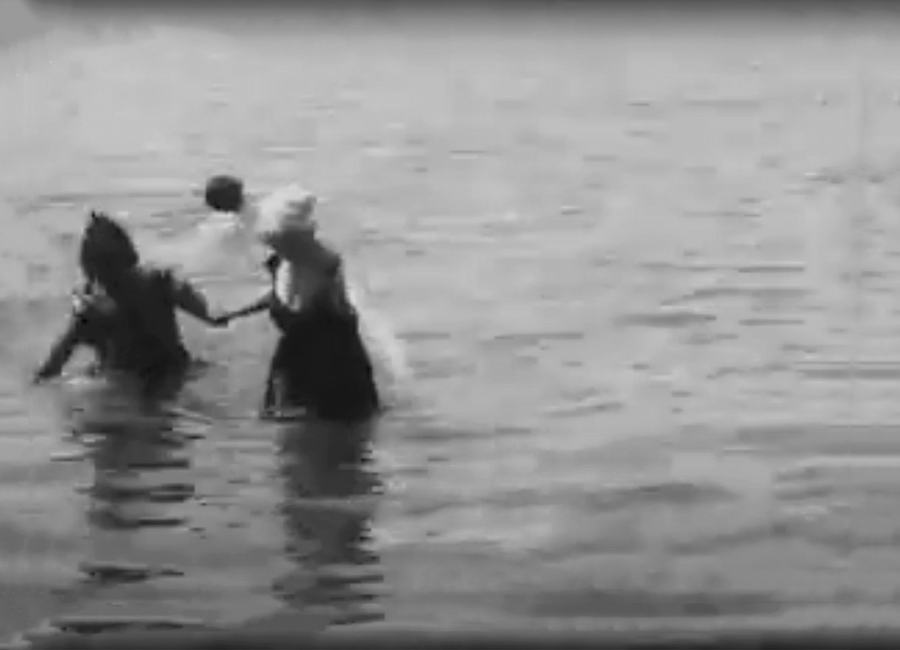
Comparing it to other works, one might find echoes of classic screwball comedies in its rapid-fire dialogue and escalating misunderstandings, though it maintains a distinctly Russian flavor in its characterizations and humor. While not a direct comparison, the sheer determination of a protagonist against overwhelming odds, albeit in a more dramatic context, might evoke a fleeting thought of The Running Fight or the single-minded pursuit of a goal seen in Alias Jimmy Valentine, though Priklyuchenie Liny v Sochi firmly plants its flag in the realm of joyous absurdity. The film’s spirit of rebellion and breaking free from convention could also be loosely aligned with the adventurous spirit found in films like The Madcap, where characters often defy societal norms for personal fulfillment, albeit with a far more lighthearted and comedic tone here. The underlying theme of a character's intense yearning for a specific place or experience, almost to the point of obsession, also brings to mind the dramatic weight of desire explored in films like Love Never Dies, though in 'Lina's Adventure,' this yearning is channeled through the lens of pure, unadulterated comedy.
The screenplay is a marvel of intricate plotting, constantly introducing new complications and characters without ever feeling convoluted. Each humorous encounter builds upon the last, creating a cumulative effect that leaves the audience breathless with laughter. The dialogue is sharp, witty, and often delivered with impeccable timing by the cast. There are no wasted lines, no superfluous scenes; every element serves to propel Lina further into her farcical odyssey. The direction expertly balances the frantic energy of the farce with moments of genuine character insight, ensuring that Lina remains a relatable, if wonderfully unhinged, figure throughout. It’s a testament to the filmmakers’ skill that they manage to sustain such a high level of comedic intensity without sacrificing the emotional core of the story. The film's pacing is relentless, a rapid-fire succession of gags and escalating predicaments that keeps the audience on the edge of their seats, eagerly anticipating Lina's next move or the next absurd character she encounters.
The sound design also deserves commendation. The vibrant soundscape of Sochi, with its cacophony of voices, music, and the ever-present sounds of a bustling resort, immerses the viewer completely. The musical score, often playful and whimsical, perfectly complements the on-screen antics, swelling during moments of high comedy and providing a lighthearted backdrop to Lina's escapades. It never overwhelms the narrative but rather enhances the overall experience, guiding the audience's emotions and reinforcing the film's jubilant tone. The production design, too, plays a crucial role, creating distinct environments that range from the cozy, if confining, domestic setting to the sprawling, vibrant landscapes of Sochi. Every detail, from the furnishings in Lina's home to the bustling market stalls in the resort town, feels authentic and contributes to the film's immersive quality.
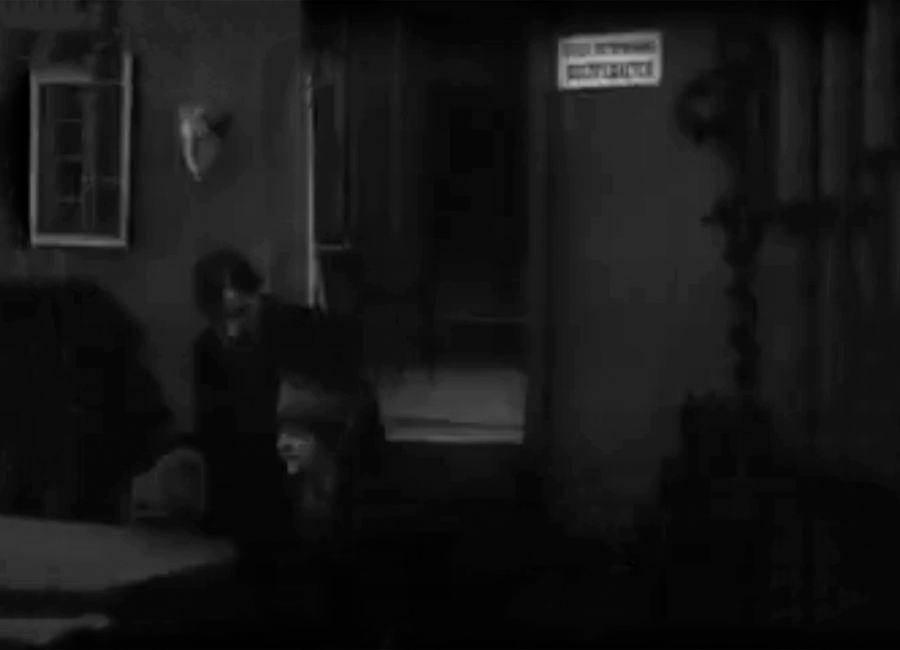
In an era where many comedies often rely on cynical humor or predictable tropes, Priklyuchenie Liny v Sochi feels like a breath of fresh air. It embraces the joyous, often anarchic, spirit of pure farce, celebrating the human capacity for irrational desire and the hilarious chaos that can ensue. It's a film that doesn't just make you laugh; it makes you ponder the peculiar nature of our wants and the lengths we'll go to fulfill them. Emma Bauer's Lina is an unforgettable creation, a testament to the power of a singular performance to elevate a comedic premise into something truly special. Kheruvimov’s worried husband, with his endearing attempts to rein in the chaos, provides the perfect emotional anchor, ensuring that the film, for all its absurdity, never loses its heart. And Andrey Gromov, in his contribution, helps complete a truly memorable ensemble.
This film is a delightful anomaly, a cinematic journey that defies easy categorization while delivering consistent, uproarious entertainment. It's a testament to the enduring appeal of well-crafted physical comedy and sharp wit. For anyone seeking a genuine escape, a film that transports you to a world where the pursuit of happiness, no matter how outlandish, is celebrated with gusto, Priklyuchenie Liny v Sochi is an absolute must-see. It's a reminder that sometimes, the cure for what ails us isn't found in a doctor's prescription, but in a mad dash towards the horizon, driven by nothing more than an irresistible, albeit bizarre, yearning for the sun and sea. The film manages to be both deeply silly and profoundly insightful, a rare and commendable feat in the comedic genre. It leaves you with a wide smile and perhaps, a sudden, inexplicable urge to book a ticket to a far-off resort yourself.
The cultural resonance of a film like this, particularly its portrayal of Sochi, adds another layer of appreciation. Sochi isn't just a backdrop; it's almost a character in itself, embodying the very essence of the dream Lina so desperately chases. The film subtly captures the allure of such resort towns – places of temporary freedom, where inhibitions are shed, and the everyday rules of life seem to loosen their grip. This makes Lina’s ‘resort fever’ all the more understandable, tapping into a collective desire for liberation that many viewers can relate to, even if their own manifestations are less dramatic. The sheer joy and vivacity depicted in Sochi contrast sharply with the initial domestic confinement, making Lina’s eventual triumph all the more satisfying. It’s a vivid portrayal of escapism, both its humorous challenges and its ultimate rewards, painting a picture of a destination that truly lives up to its mythic status in Lina’s mind. The journey, fraught with comedic peril, only serves to heighten the eventual, albeit chaotic, realization of her dream.
IMDb —
1919
Community
Log in to comment.