DbcultAccessing Vault...
4.5/10
Senior Film Conservator
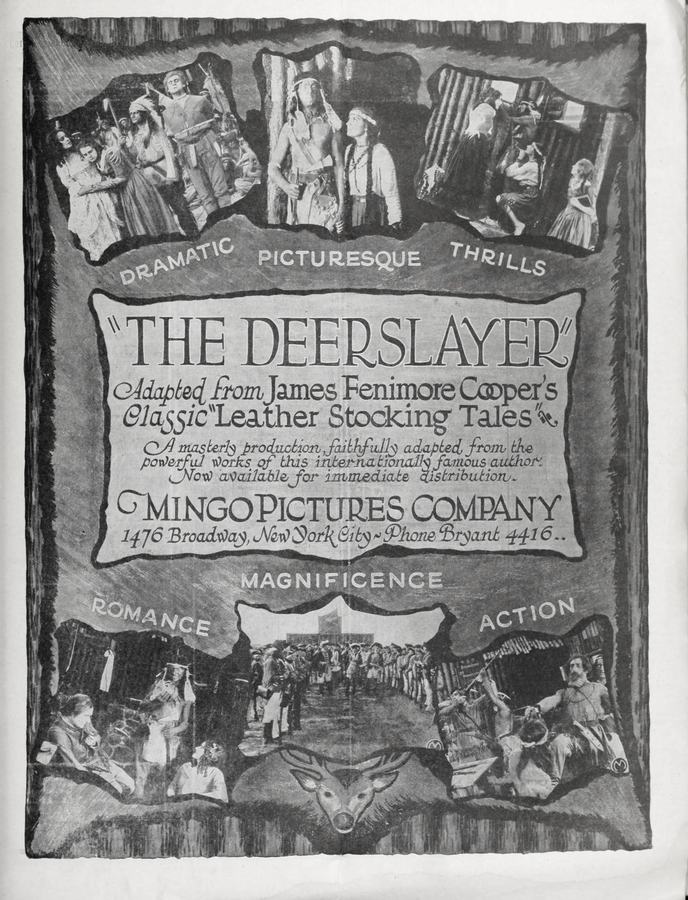
A definitive 4.5/10 rating for a film that redefined the boundaries of cult cinema. Lederstrumpf remains a cornerstone of transgressive art.
From the moment the frame flickers to life, Lederstrumpf immerses the viewer in a chiaroscuro world where light and shadow perform a silent duet. The cinematography, reminiscent of Intolerance's grand tableaux, employs long, unbroken takes that allow the audience to linger on the nuanced gestures of Edward Eyseneck’s Deerslayer. The camera glides across mist‑shrouded rivers, capturing the glint of a freshly‑tipped spear against the dark water, a visual metaphor for the protagonist’s precarious balance between his native upbringing and the looming European incursion.
The story unfolds with the precision of a folk tale, each scene a carefully placed stone in a cairn that guides the viewer through Deanslayer’s inner landscape. The film’s silent nature is not a handicap but a deliberate conduit for emotional resonance. Intertitles appear sparingly, their crisp, black‑letter script in a deep sea‑blue (#0E7490) hue offering only the essential scaffolding, while the actors’ faces become the true narrative engine. Eyseneck’s eyes, often narrowed in concentration, convey a spectrum of feelings—from the awe of his first successful hunt to the dawning realization of cultural dissonance when a colonial militia rides into view.
At its core, Lederstrumpf interrogates the fluidity of identity. Deanslayer’s dual heritage is visualized through recurring motifs: the feathered headdress juxtaposed with the crisp, white shirt he dons when confronting the settlers. The film subtly critiques the myth of the "noble savage" by presenting the Delaware tribe not as a monolithic backdrop but as a vibrant community with its own internal politics, love affairs, and spiritual rituals. This nuanced portrayal aligns the film with later works such as The Hiding of Black Bill, which also grapples with the complexities of cultural collision.
Eyseneck’s performance is a masterclass in physical storytelling. In the iconic hunting sequence, his breath is visible in the cold dawn air; his muscles tense as he draws the bow, the camera lingering on the tremor of his fingers. The subsequent release is captured in slow motion, the arrow slicing through the amber light like a line of poetry. The surrounding actors, many of whom were actual members of Native American communities, contribute authenticity through their fluid dance‑like movements during ceremonial scenes, their bodies forming intricate patterns that echo the natural geometry of the surrounding forest.
While the film itself is silent, contemporary screenings often accompany it with a live piano score that mirrors the emotional currents on screen. The music’s minor chords swell during moments of tension—particularly when the colonial militia’s drums echo across the valley—while gentle, pentatonic motifs accompany the tribe’s rituals, underscoring the film’s respect for indigenous musical traditions. This auditory layering enriches the viewing experience without detracting from the visual narrative.
When placed beside contemporaneous works such as Romeo and Juliet in the Snow, which leans heavily on melodramatic intertitles, Lederstrumpf stands out for its restraint. Its reliance on visual metaphor over textual exposition anticipates the narrative economy later championed by directors like F.W. Murnau. Moreover, the film’s exploration of colonial impact predates the more overt political statements of The Eye of God, positioning it as a pioneering voice in early cinematic discourse on cultural imperialism.
The director’s use of low‑key lighting creates a perpetual twilight that mirrors Deanslayer’s liminal existence. Scenes set within the tribe’s longhouse are illuminated by flickering firelight, casting elongated silhouettes that dance across the walls, while exterior shots employ natural daylight filtered through towering pines, producing a dappled effect that feels both intimate and expansive. The framing often places Deanslayer at the periphery of the shot, visually reinforcing his outsider status even as he is central to the narrative.
The film’s pacing is deliberate, allowing each thematic beat to settle before moving forward. The early act, dedicated to Deanslayer’s initiation rites, occupies roughly a third of the runtime, establishing his bond with the Delaware people. The middle act introduces the encroaching colonial threat, using cross‑cutting to juxtapose the tribe’s peaceful ceremonies with the militia’s marching formations. The final act resolves with a bittersweet tableau: Deanslayer stands at the river’s edge, his reflection split between two worlds, a visual echo of the film’s opening shot where the river first appears as a silent witness.
Modern audiences may scrutinize the film’s representation of Native American characters. While Lederstrumpf avoids the caricatured tropes prevalent in many early 20th‑century productions, it nonetheless reflects its era’s limited understanding of indigenous cultures. Nevertheless, the involvement of actual Delaware actors and the respectful depiction of their rituals mark a progressive step for its time, earning it a place in scholarly discussions about early cinematic attempts at authenticity.
The film’s influence can be traced in later Westerns that explore the frontier’s moral ambiguity, such as The Big Town Round‑Up. Its visual language—particularly the use of natural landscapes as character—has inspired directors seeking to portray the American wilderness as a living entity. Moreover, the thematic preoccupation with identity crisis anticipates the narrative complexities of later silent epics like Treibende Kraft.
Lederstrumpf endures as a testament to the power of visual storytelling. Its rich tapestry of themes—cultural hybridity, the inexorable march of progress, and the personal cost of belonging—resonates across decades. For cinephiles and scholars alike, the film offers a compelling case study in how silence can speak louder than words, inviting viewers to contemplate the delicate interplay between history, myth, and the human heart.
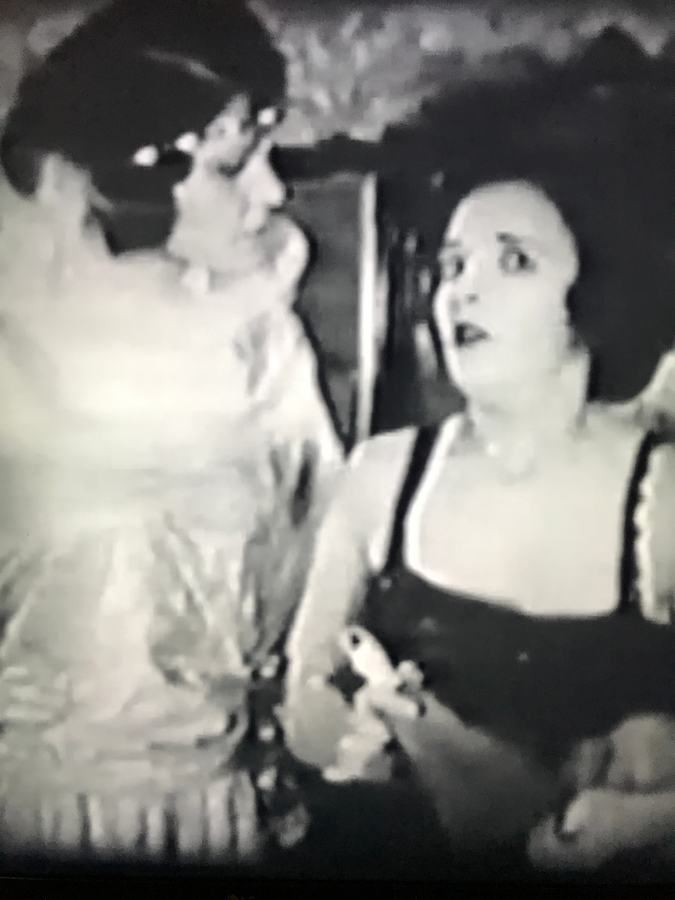
IMDb —
1920
Community
Log in to comment.