DbcultAccessing Vault...
7.9/10
Senior Film Conservator
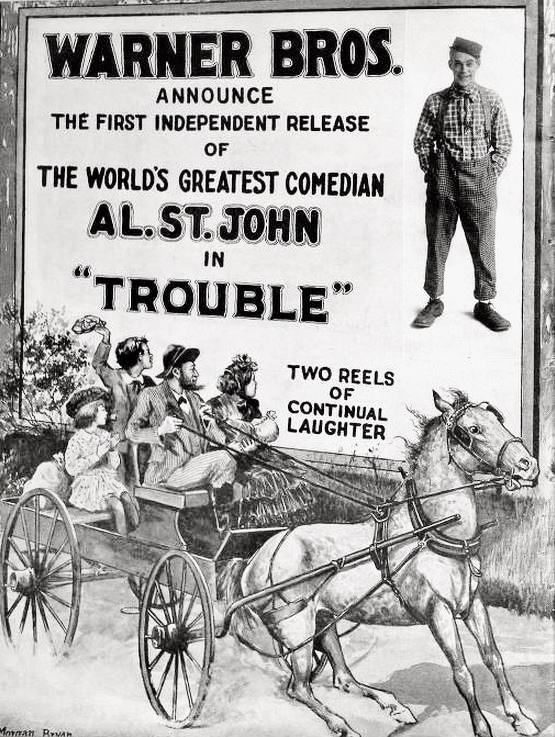
A definitive 7.9/10 rating for a film that redefined the boundaries of cult cinema. Trouble remains a cornerstone of transgressive art.
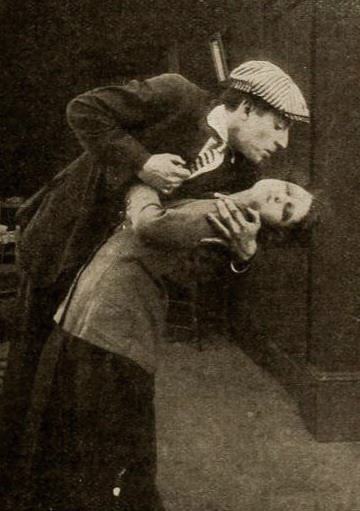
In the realm of silent cinema, Trouble stands as a testament to the enduring power of storytelling, a film that delves into the complexities of human nature with unflinching candor. As the narrative unfolds, the audience is introduced to a cast of characters, each with their own unique struggles and motivations, played by Al St. John, Cliff Bowes, and Joe Murphy. The film's writer and director, Al St. John, demonstrates a profound understanding of the human condition, crafting a story that resonates deeply with the viewer, much like the The Chosen Prince, or the Friendship of David and Jonathan.
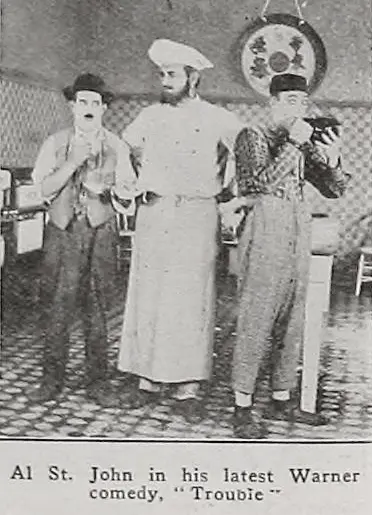
Through the lens of St. John's direction, the film navigates the intricacies of human relationships, mirroring the emotional depth of Todd of the Times and the biting satire of Strictly Confidential. As the characters grapple with their own personal demons, the film raises important questions about the nature of humanity, inviting the viewer to reflect on their own experiences and emotions. The cinematography, a masterful blend of light and shadow, adds depth and nuance to the narrative, drawing the viewer into the world of the film, much like the visually stunning Driftwood.
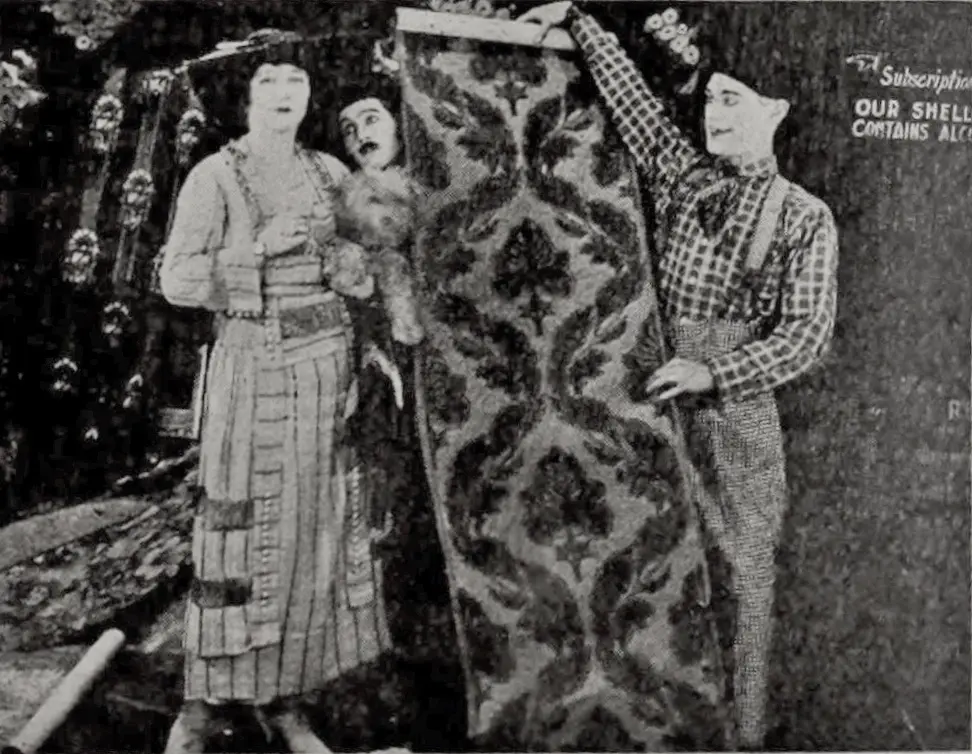
The film's use of symbolism and metaphor adds a layer of complexity to the narrative, inviting the viewer to interpret the events of the film in a deeply personal way. The characters, each with their own unique struggles and motivations, serve as a reflection of the human experience, their stories weaving together to create a rich tapestry of emotion and drama. As the film reaches its climax, the viewer is left to ponder the consequences of the characters' actions, and the lasting impact of their decisions, much like the thought-provoking Telefondamen and the poignant Wild Flowers.
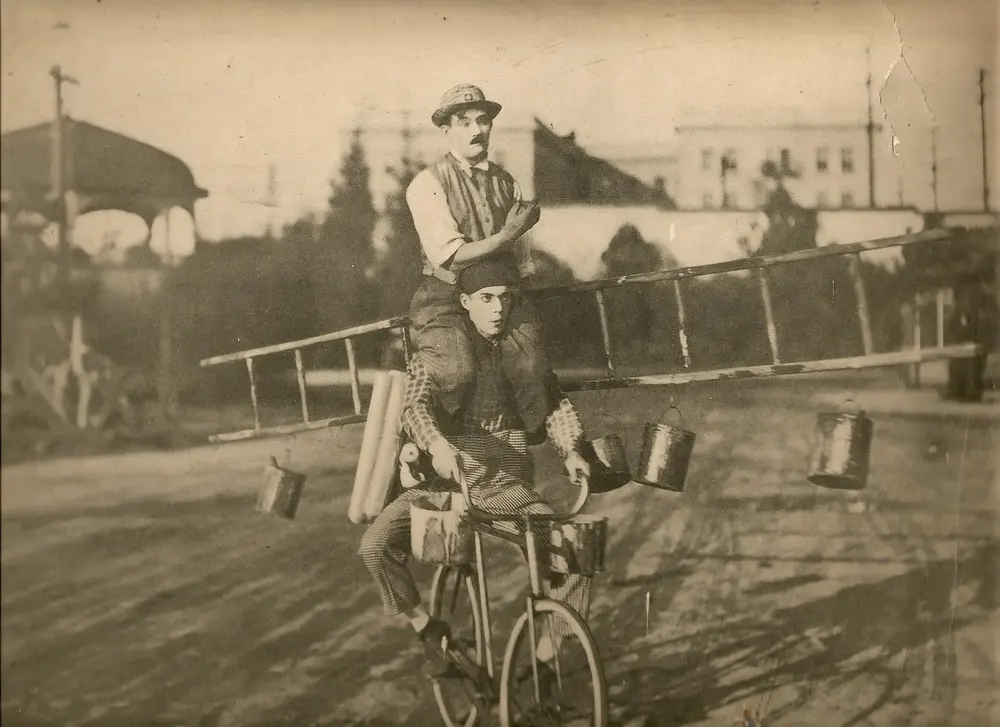
In comparison to other films of the era, Trouble stands as a testament to the innovative spirit of its creators, a film that pushes the boundaries of cinematic storytelling and challenges the viewer to confront the complexities of human nature. The film's themes of love, loss, and redemption are timeless, echoing the works of Ain't Love Grand? and the classic Der Tänzer. As the credits roll, the viewer is left to reflect on the film's message, and the lasting impact of its themes on their own life, much like the haunting Chumps and Cops and the whimsical Jön a rozson át!.
The film's influence can be seen in the works of later directors, who have drawn inspiration from St. John's innovative approach to storytelling, much like the epic The Fall of Babylon and the gripping The Great Gamble. As a testament to the enduring power of cinema, Trouble remains a vital part of film history, a reminder of the medium's ability to capture the essence of the human experience, much like the classic Her American Husband. The film's exploration of the human condition, its use of symbolism and metaphor, and its impact on the development of cinema as an art form all contribute to its significance, cementing its place as a landmark of silent cinema, a true masterpiece of the era, and a must-see for any film enthusiast.
IMDb 6.9
1913
Community
Log in to comment.