DbcultAccessing Vault...
5.4/10
Senior Film Conservator
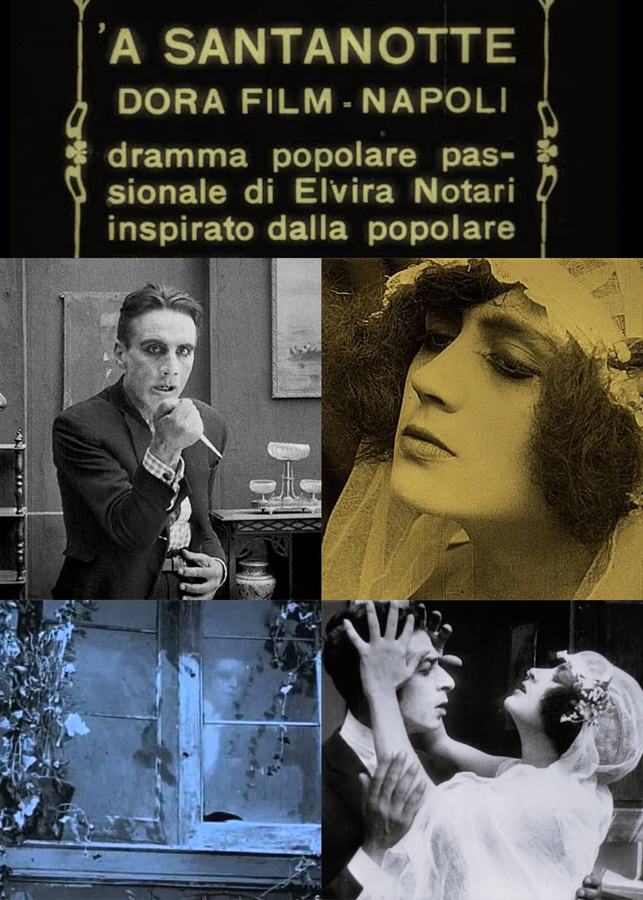
A definitive 5.4/10 rating for a film that redefined the boundaries of cult cinema. 'A Santanotte remains a cornerstone of transgressive art.
There are films you watch, and films that watch you. A Santanotte, buried for a century in nitrate purgatory, belongs to the latter. The print—scarred, flickering, reeking of vinegar—still exhales the sweat of the Neapolitan waterfront. Frames tremble like the knees of a child forced to serve grappa to her own predator. This is pre-neorealism before neorealism had a name, a howl from 1922 that arrives with salt on its lips and blood under its fingernails.
E. Scala’s screenplay is a serrated lullaby: no exposition, only eruptions. The camera, handheld by Eduardo Notari—part-time director, full-time anarchist—doesn’t observe poverty; it colludes with it. Every pan is a pickpocket, every cut a slap. Rosè Angione’s face, all clavicles and candle-wax pallor, fills the frame so often that the lens fogs with her breath. She is not lit; she is haunted from within, a lantern of meat and bone.
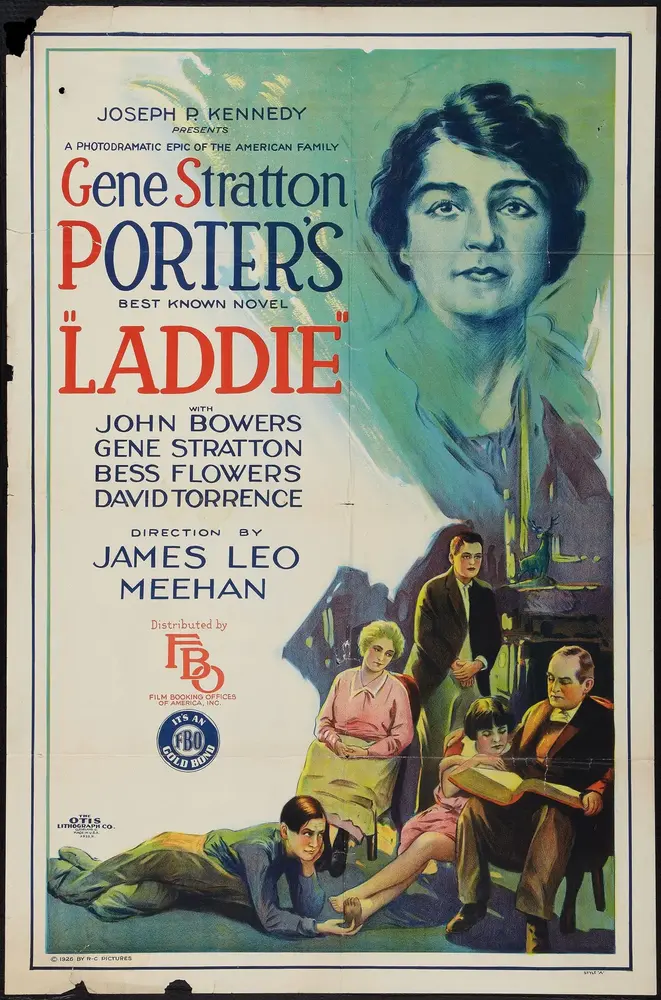
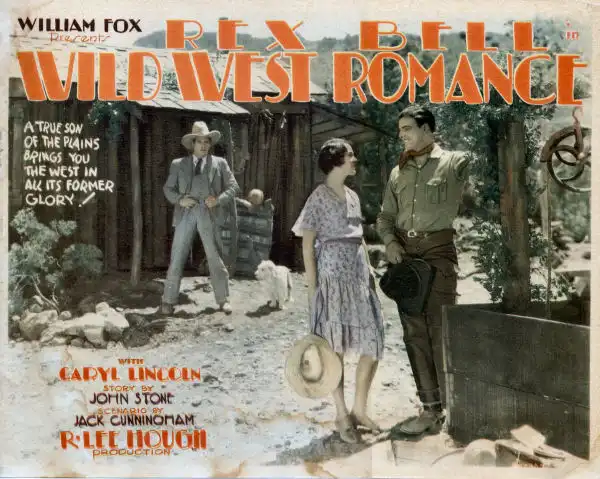
Compare it, if you must, to Judy of Rogues’ Harbor where Mary Pickford’s urchin winks at destitution, or to The Cinderella Man whose rags-to-riches arc smells of soap. Here, rags stay rags; the only ascent is the father’s belch rising from a tavern stool. The film refuses redemption the way a mule refuses the bit.
“I feed the beast that bites me,” Nanninella whispers to a stray cat, her voice scraped raw by intertitles that look carved with a fish-knife.
The father—played by Antonio Palmieri with a belly like a cathedral and eyes like confession booths—doesn’t merely demand her wages; he inhales them, nostrils flaring at the scent of her exhaustion. In one tableau, he counts coins while she peels potatoes, the parings curling like the scrolls of a baroque score. The mise-en-scène is claustrophobic baroque: cracked majolica saints, a crib upturned to serve as coal scuttle, a mother-shaped absence that hovers like incense.
Scala’s structure is a spiral, not a staircase. Nights bleed into each other, differentiated only by the escalating cruelty of small transactions. A customer slips Nanninella a silver token; the father snatches it, buys a scarf, strangles her with it metaphorically. The scarf reappears later, soaked in lamp oil, a fuse waiting for a spark.
Elisa Cava as the café owner performs a miniature masterclass in complicit femininity. She clucks her tongue, counts the till, looks away. Her silence is currency, tendered nightly. When she finally speaks—“Some fathers are graves you never finish digging”—the line detonates like a dropped tray.
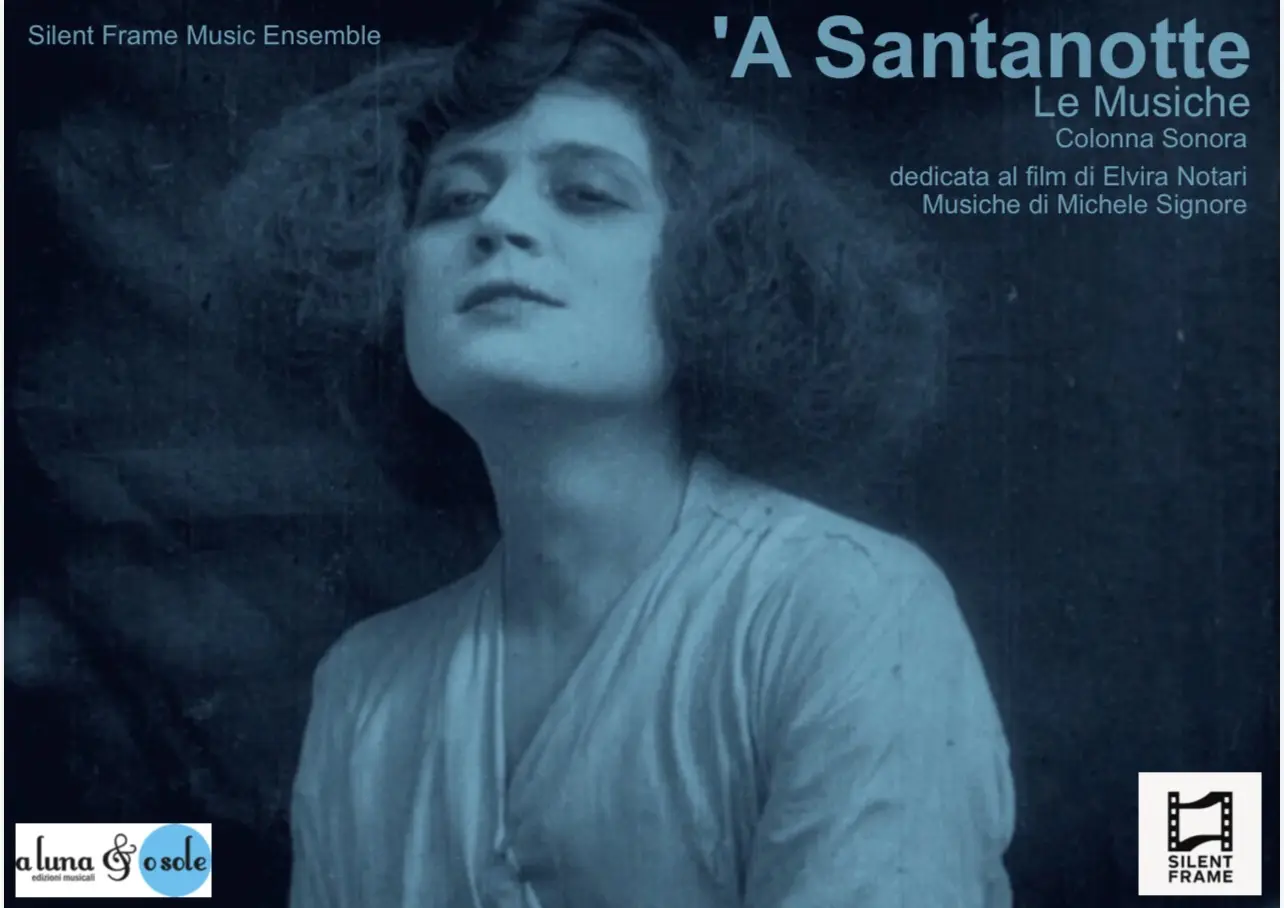
Angione’s body is the film’s true text. Shoulders hunched as if carrying the entire bay, she navigates the tavern like a penitent crossing hot coals. Watch her hands: they flutter, clasp, retreat, betraying a semaphore of shame. In close-up, her pupils swallow the iris; black holes where childhood implodes. She ages decades in ninety-three minutes; by the final reel her gait is an atlas of fractures.
And yet, the film is ravishing. Notaria’s cinematography bathes squalor in Caravaggio chiaroscuro. A gutter becomes a golden river; a bruise, a violet nebula. Colour tinting—amber for interiors, cerulean for exteriors—renders class divisions as chromatic warfare. The score, reconstructed from Neapolitan folk fragments, grinds tarantella into funeral march, love song into vendetta.
There is a scene—one of the great unsung scenes of silent cinema—where Nanninella, sent to buy wine, pauses beneath a streetlamp. Fog swirls; the bulb flickers like a faulty conscience. For ten full seconds she simply breathes, ribcage stuttering, while somewhere off-screen a ship’s horn ululates. In that suspended heartbeat, the entire twentieth century seems possible: wars, revolutions, the slow burn of women’s rage.
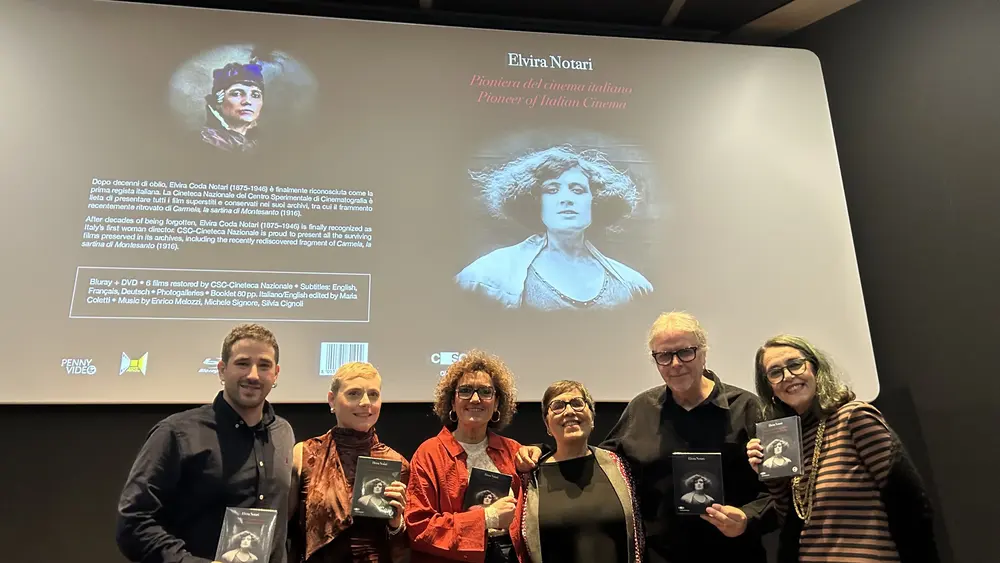
Freedom, the film suggests, is not a destination but a tremor in the lungs before the next scream.
Compare this to the suffragette pageantry of Womanhood, the Glory of the Nation—all banners and bombast—or to the tropical escapism of The Dangerous Paradise. A Santanotte offers no flags, no islands, only the knife-edge between breath and asphyxiation.
The climax arrives without warning. Father, drunk on her future, attempts to pawn her virginity to a sailor. Cut to: a match struck against the dark. The sailor’s grin dissolves as Nanninella, eyes wide as communion wafers, douses herself with lamp oil. She does not plead; she ignites. Off-camera, Scala refuses us the spectacle of burning flesh. Instead, he shows walls dancing with orange shadows, the father’s face erasing itself in reflected flare, a child’s silhouette dissolving into over-exposed white. It is not death; it is disappearance as insurgency.
What follows is a coda so quiet it feels like aftershave on reopened wounds. Neighbors gather, not to mourn but to sweep. The café reopens the next night; a new girl, younger, carries plates. The cycle reboots, but something—an irreducible ember—hovers in the air. The final intertitle, half melted by decay, reads: “She walked into the sea and the sea refused to return her.”

Historians might slot the film beside Der Kampf mit dem Drachen for its expressionist angst, or Fireworks for its queer-coded pyrotechnics. Yet A Santanotte is sui generis: a folk ballad hurled into the machinery of modernity, emerging shredded but singing.
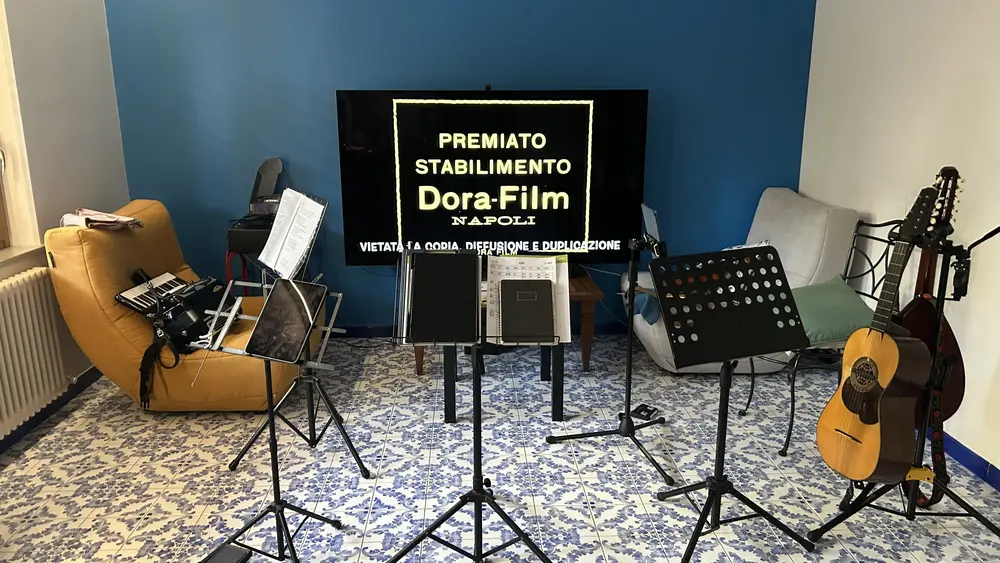
Restoration-wise, the Cineteca di Napoli’s 4K scan salvages what it can. Scratches remain, like scars a grandmother refuses to hide. The tinting required forensic guesswork; comparisons with hand-colored lantern slides recovered from a Pompeiian attic guided chromatic choices. The score, performed by Trio Minuti Contati, uses ancient mandolins rescued from earthquake rubble, their warped necks lending every chord a limp.
Viewing it today—amid #MeToo reckonings and ongoing battles for bodily autonomy—A Santanotte feels less like archaeology than prophecy. The father’s entitlement, the bystanders’ complicity, the economic chokehold: update the costumes and you have headline news. Yet the film also whispers of powers that precede hashtags: the incendiary potential of a single no, the solidarity of ghosts who refuse to stay buried.
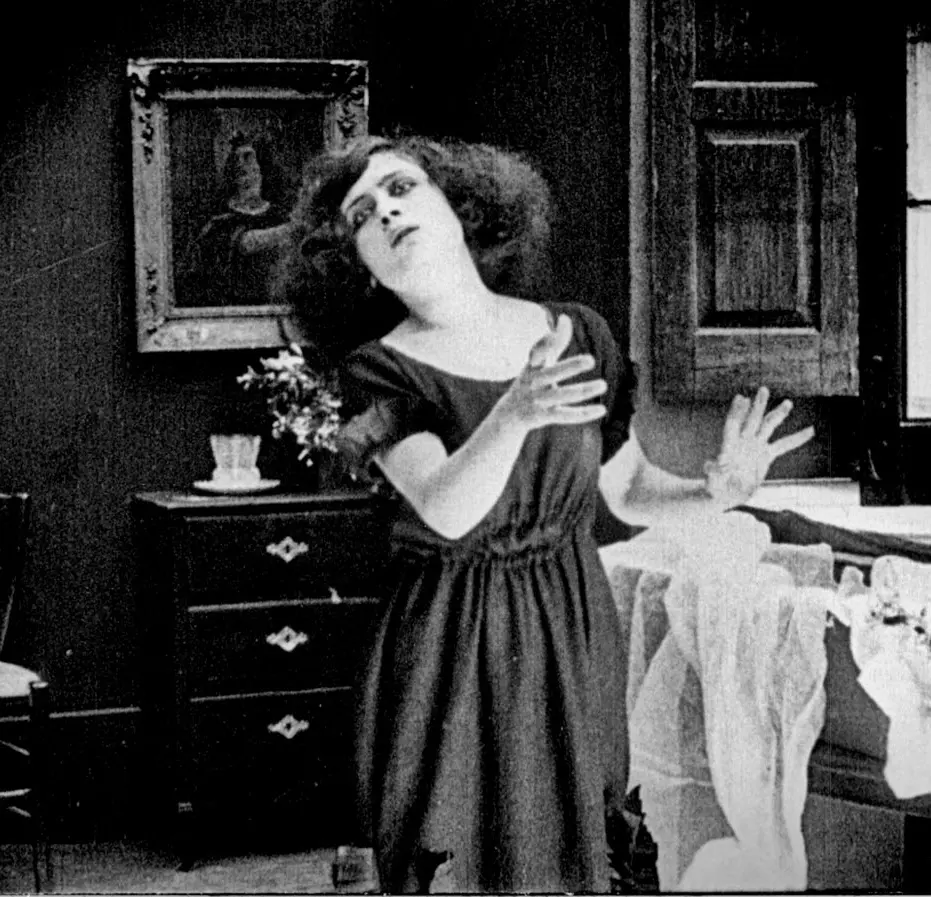
History forgettes the names of girls who burned; cinema, at its savage best, burns their names onto our retinas.
For the cine-curious, a word of caution: this is not comfort viewing. It will follow you home, sit in your kitchen, drink your wine. You may find yourself flinching at the clink of coins, side-eyeing patriarchs on public transport. Good. Art should haunt like a good haunting, rattling its chains until you answer the door.
In the glut of 1920s escapism—The Bugle Call rallying troops, Something Different peddling whimsy—A Santanotte stands as a rebuttal: a spike in the carnival ride, drawing blood. It predates Rossellini’s rubble, De Sica’s shoeshine boys, Fellini’s circus grotesques. It is the unacknowledged ancestor, the mold from which Italian cinema should have sprouted had it not been seduced by muses and machismo.
So seek it out, if you dare. Let its grainy darkness crawl under your skin. Let Nanninella’s final walk—into waves that refuse to give her back—remind you that survival is sometimes indistinguishable from vanishing, and that refusal can be a form of flame. The past is never past; it is only waiting, match in hand, for the moment we decide to light the dark.
IMDb —
1917
Community
Log in to comment.