DbcultAccessing Vault...
7.4/10
Senior Film Conservator
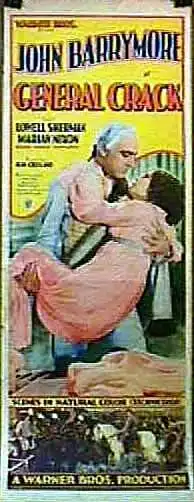
A definitive 7.4/10 rating for a film that redefined the boundaries of cult cinema. General Crack remains a cornerstone of transgressive art.
Okay, so General Crack from way back in 1929. Is it worth tracking down today? Well, if you're into those early sound pictures, or you've got a soft spot for John Barrymore, then yeah, absolutely. For everyone else, maybe a tough sell. It's really a product of its time, and you'll either find that charming or just, well, a little slow. If you expect modern pacing or subtle performances, you'll probably just tune out. 🤷♀️
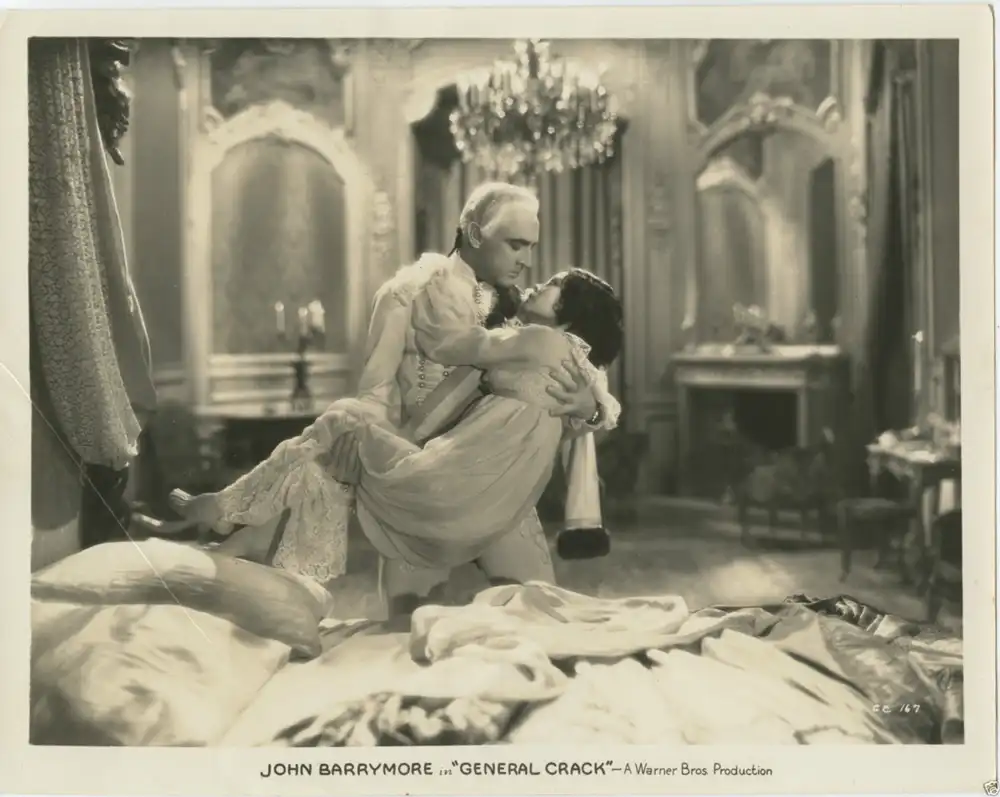
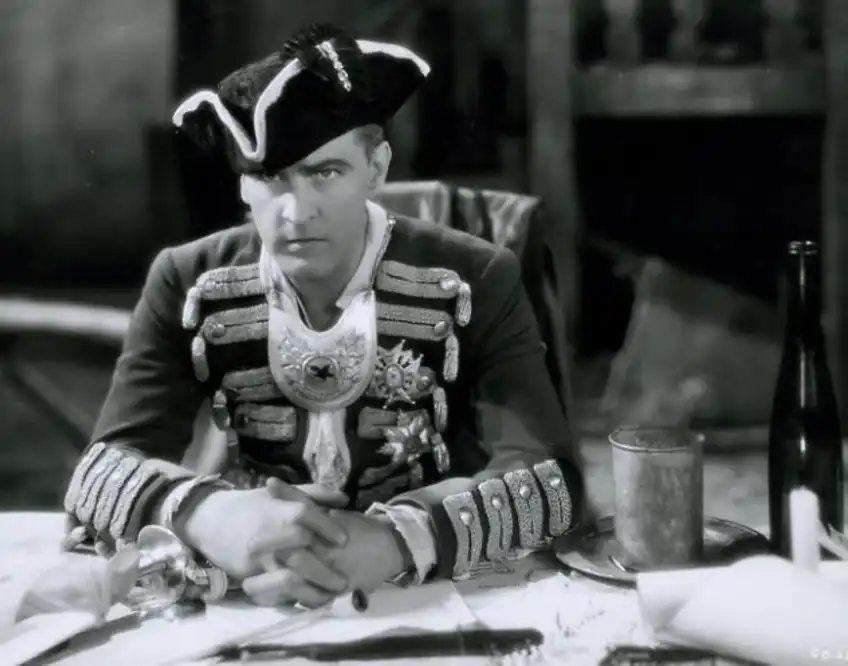
Barrymore here plays Duke Christian, who becomes "General Crack." He's this swaggering nobleman, a bit of a rogue. His early scenes, particularly when he's romancing Armida's character, the gypsy girl, feel almost like a silent movie still. Big, expressive gestures. But then he's at court, and things get... complicated. He meets Princess Fedora, played by Jacqueline Logan, and you can practically see the wheels turning in his head. The man just can't help himself.
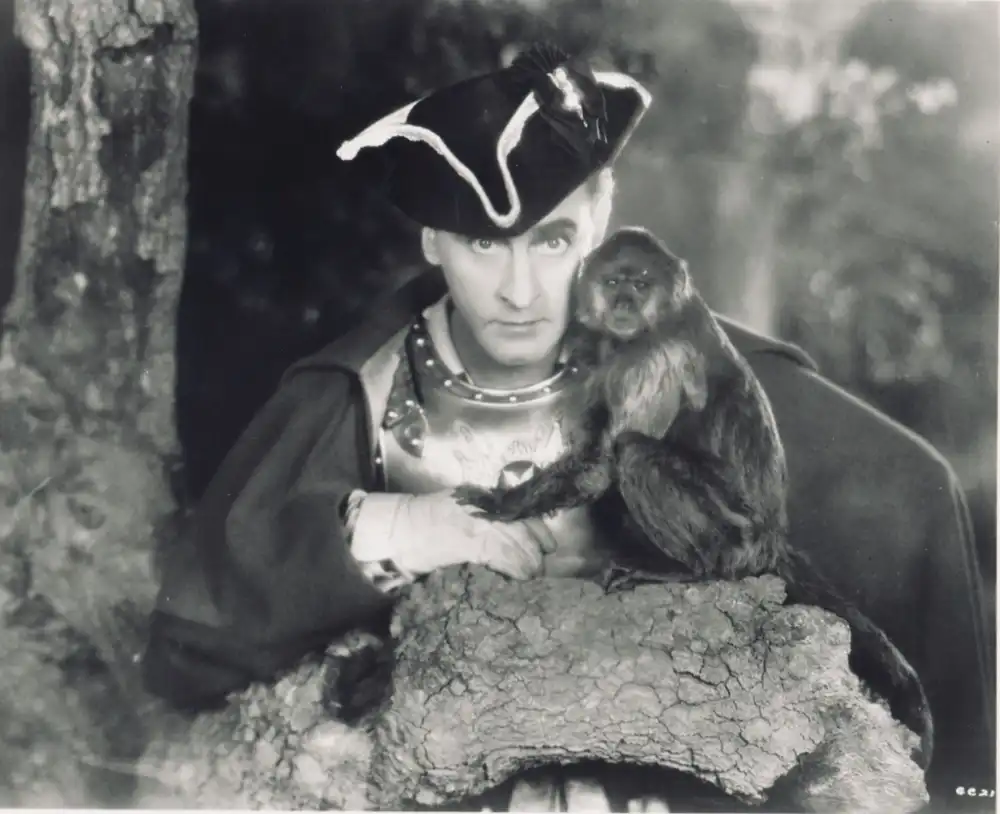
There's this one moment when Christian first sees Fedora. The camera, quite a clunky thing for 1929 I imagine, just holds on Barrymore's face for a beat too long. You're supposed to get that "love at first sight" vibe, but it almost veers into "is he going to sneeze?" territory. It's kinda funny, honestly. His internal conflict, such as it is, mostly plays out on his very famous profile.
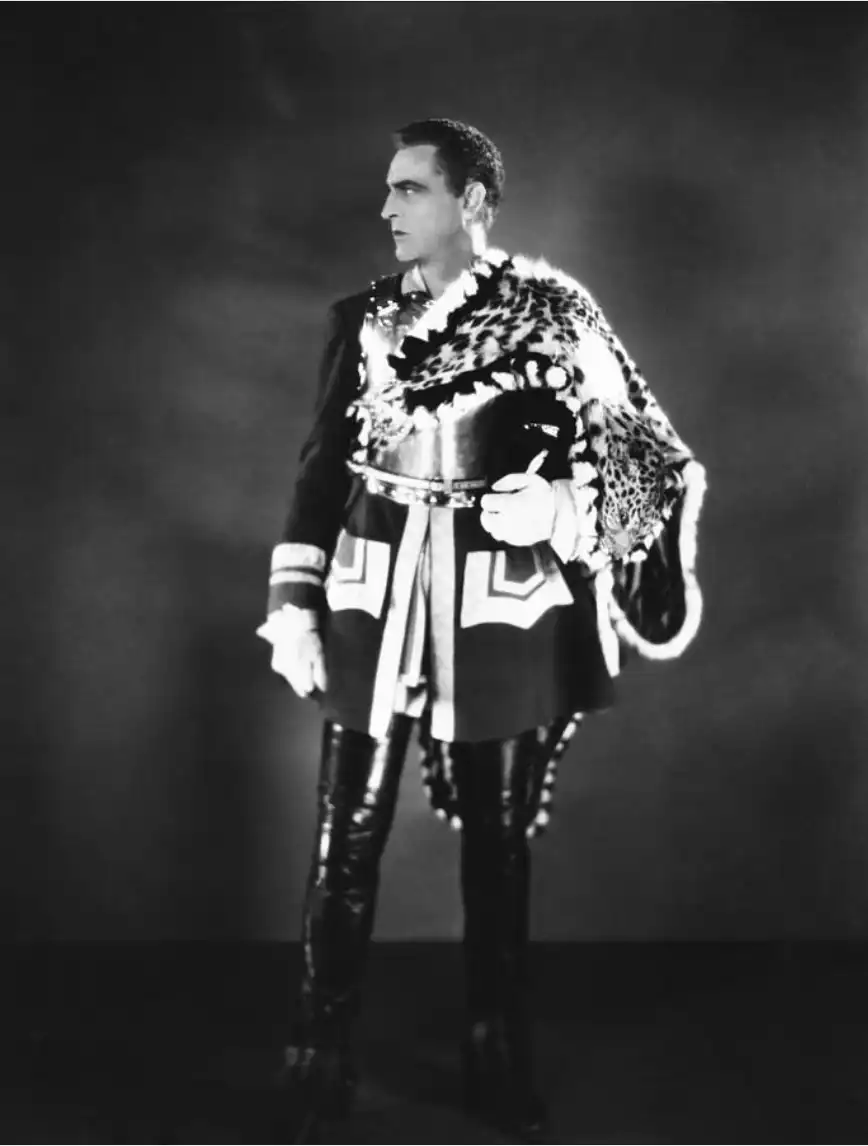
The whole setup, a nobleman falling for a commoner then getting drawn to royalty, is pure melodrama. The film leans into it. There are duels, lots of dramatic pronouncements, and some pretty lavish sets for the era. But sometimes the dialogue feels like it's being read from cue cards, especially when the supporting cast gets going. It's that early sound era charm, I guess.
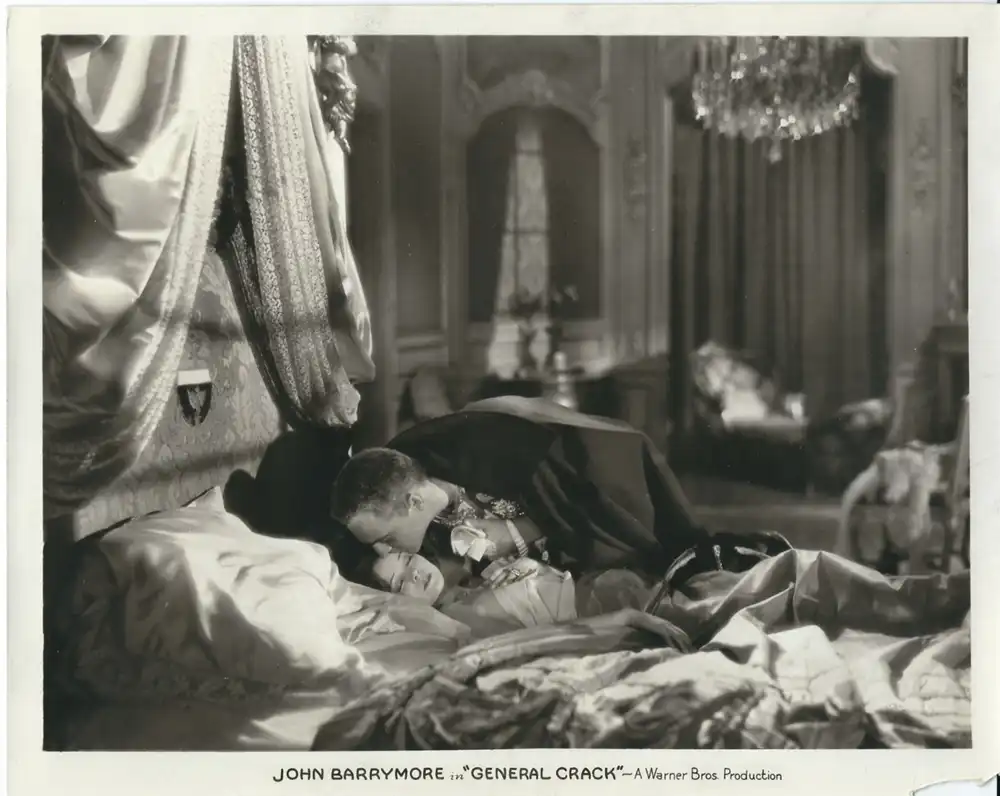
Armida as the gypsy girl, Maria, she's got this fiery spirit that honestly feels more alive than the prim princess. Her scenes, brief as they are once Christian heads to court, have a raw energy. You almost wish the movie stayed with her, honestly. It feels like the film itself is more comfortable in the opulent, if stuffy, court.
Speaking of court, Lowell Sherman as the villain, Leopold, is just deliciously slimy. He twirls his invisible mustache with every line. He's not subtle, not at all, but he’s having a blast. You can tell. It's the kind of performance that grounds the more theatrical aspects.
The film's pacing is... well, it's 1929. Scenes often linger. There's a scene involving some political machinations that just keeps going, with people talking in hushed tones that are sometimes hard to make out. The audio quality isn't always great, which is understandable. You sometimes really have to lean in.
What sticks with me most is Barrymore's sheer presence. He carries this whole thing. He's got that undeniable star power, even when the plot feels a bit thin. He makes you believe, even for a second, that this ridiculous love triangle is the most important thing happening. It's a snapshot of a different kind of filmmaking, where performance was often bigger than life itself.
It's not a perfect movie, not by a long shot. Some of it drags, and some performances are definitely just "doing the lines." But for historical curiousity, or to see a legend in action, it's pretty neat. A strange little gem. ✨
IMDb 6.5
1931
Community
Log in to comment.