DbcultAccessing Vault...
5.4/10
Senior Film Conservator
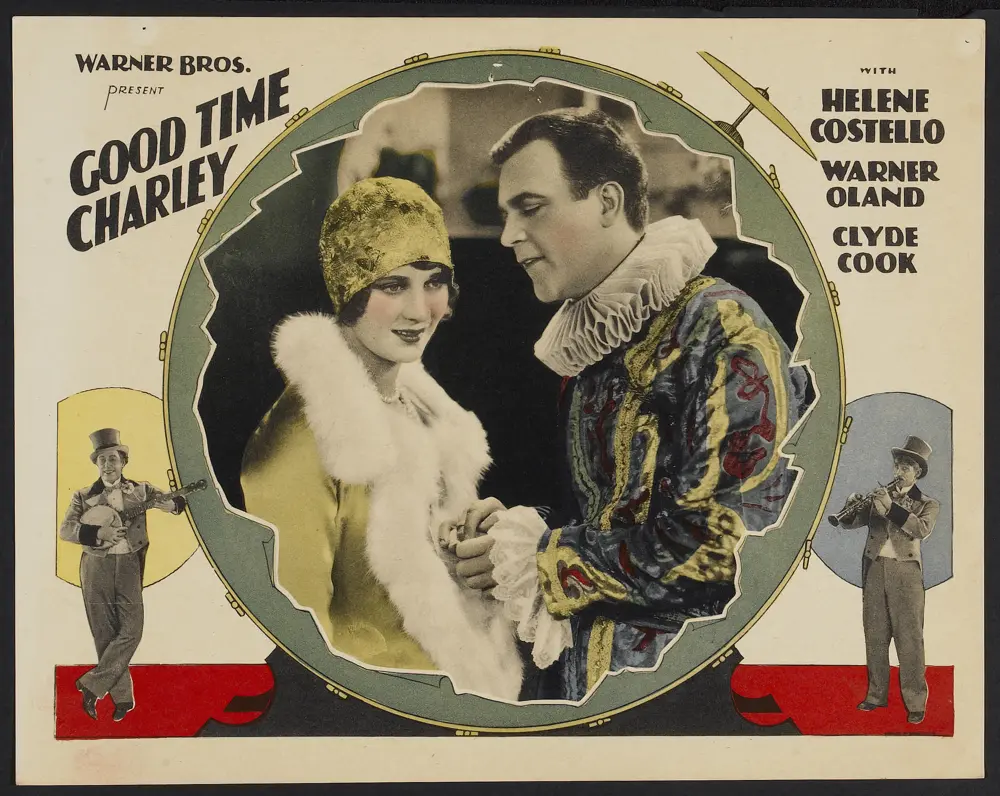
A definitive 5.4/10 rating for a film that redefined the boundaries of cult cinema. Good Time Charley remains a cornerstone of transgressive art.
Is Good Time Charley worth watching today? Short answer: yes, but only if you are prepared for a film that feels more like a wake than a celebration of the stage.
This film is for enthusiasts of early Hollywood melodrama and those who appreciate a nuanced look at the psychological toll of professional obsolescence. It is decidedly not for viewers seeking the lighthearted escapism often associated with the 'Roaring Twenties' or those who find silent-era pacing too deliberate.
Yes, Good Time Charley is a vital piece of cinema because it subverts the typical 'rags to riches' trope. Instead, it offers a 'riches to rags' descent that feels uncomfortably modern in its depiction of financial mismanagement and the fickle nature of celebrity. It is a cautionary tale that remains relevant in the age of viral fame.
1) This film works because it treats the father-daughter dynamic with a complex mix of pride and jealousy.
2) This film fails because the middle act relies too heavily on financial minutiae that can feel repetitive.
3) You should watch it if you want to see Warner Oland deliver a performance of immense, tragic gravity.
The script, co-written by a young Darryl F. Zanuck, avoids the easy sentimentality that plagued many films of this era, such as Social Hypocrites. Instead, it builds a claustrophobic atmosphere of impending doom. Charley Keane is not a bad man; he is a foolish one. His foolishness is grounded in a desperate need to maintain appearances, a theme that resonates just as loudly today as it did in 1927.
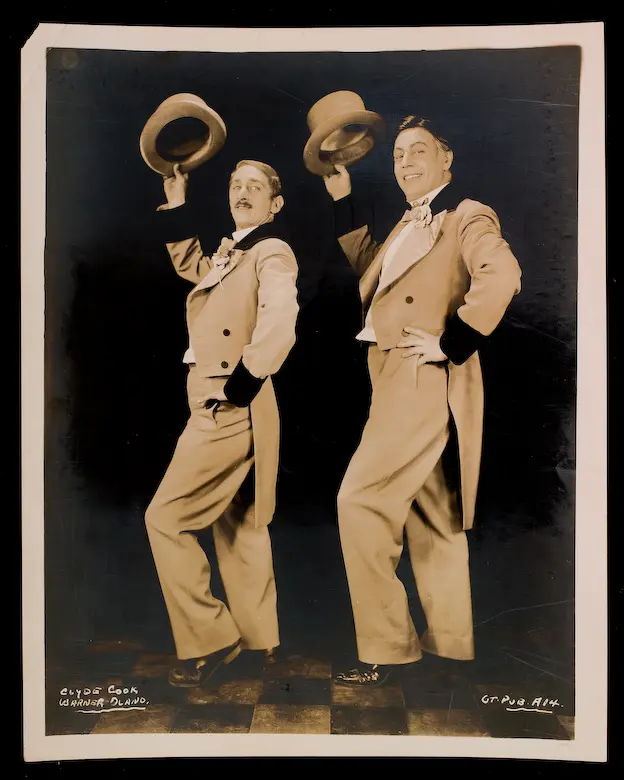
The film excels in its depiction of the vaudeville circuit. This isn't the glamorous, high-energy world we often see in later musicals. It is a world of dusty curtains, dimly lit dressing rooms, and the constant, gnawing fear of the next booking. The cinematography emphasizes this by keeping Charley framed in tight, restrictive spaces even when he is on stage.
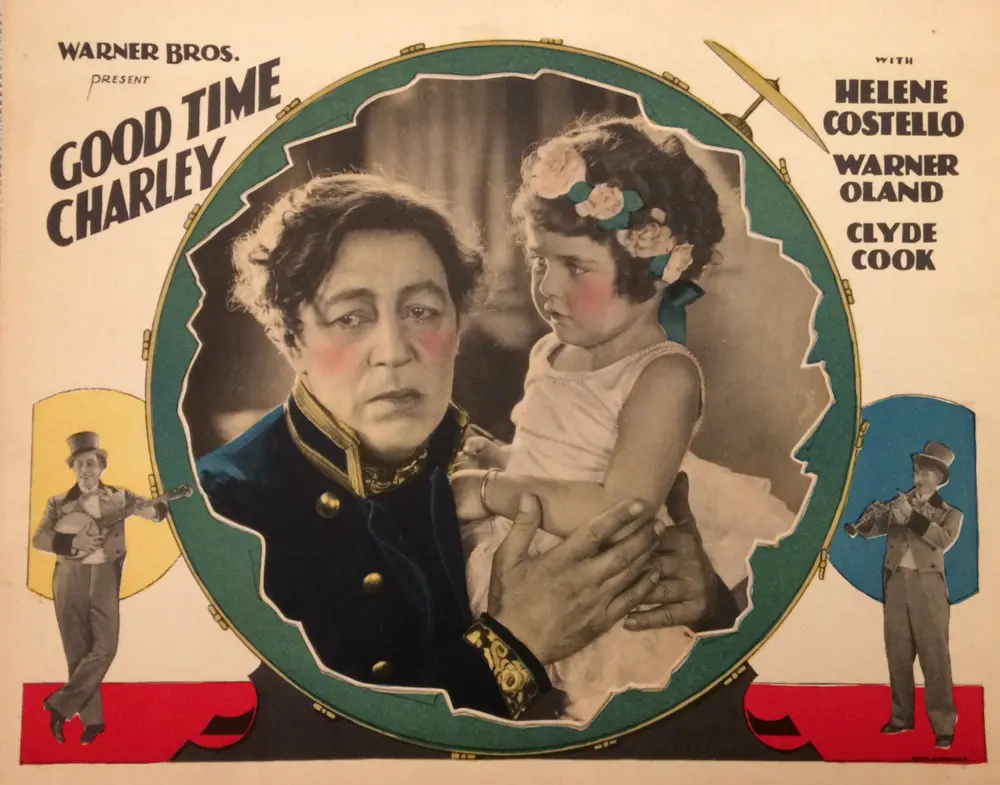
One specific scene stands out: Charley stands in the wings watching his daughter perform. The camera stays on his face, capturing the precise moment his paternal pride is swallowed by the realization that he is no longer the draw. It is a brutal piece of acting. It hurts to watch.
Warner Oland is frequently remembered for his later, more controversial roles, but here he is a powerhouse of silent expression. He plays Charley with a physical heaviness that suggests the weight of every bad decision. Unlike the more stylized performances found in The Ace of Cads, Oland opts for a grounded, almost weary realism.
His chemistry with Helene Costello is the heart of the film. Costello brings a vibrant, youthful energy that provides a stark contrast to Oland’s growing decrepitude. As her star rises, her movements become more expansive and confident, while Oland literally seems to shrink. This visual storytelling is far more effective than any title card could ever be.
The supporting cast, including Montagu Love as the crooked manager, provides the necessary friction. Love plays the role with a slick, oily precision that makes you want to reach through the screen and warn Charley. It’s a standard archetype, but it’s executed with enough venom to make the betrayal feel personal.
You can see the fingerprints of Darryl F. Zanuck all over this production. There is a lean, unsentimental logic to the narrative progression. The film doesn't waste time on subplots that don't serve Charley's decline. Compared to the sprawling narratives of The Common Law, this film is a focused, surgical strike on the ego.
The pacing is deliberate, perhaps too much so for modern audiences. However, this slowness serves a purpose. It mimics the slow-motion car crash that is Charley’s life. You see the disaster coming from miles away, but you are forced to watch every inch of the impact. The film uses shadow effectively, particularly in the later scenes where Charley’s home life begins to crumble. The darkness isn't just a stylistic choice; it's a character.
One could argue the film is too grim. It lacks the balance found in something like The Prince and the Pauper. But that grimness is its greatest strength. It refuses to give the audience an easy out. It demands that you sit with Charley in his failure.
Good Time Charley is a masterclass in the 'downward spiral' genre. It is a film that understands the cruelty of time and the fragility of human ego. While it occasionally stumbles into the tropes of the era, the central performances and the unflinching script elevate it above its contemporaries. It is a haunting, beautiful, and deeply uncomfortable experience. It works. But it’s flawed. If you can handle the gloom, it is a journey well worth taking. It serves as a stark reminder that the spotlight eventually moves on, whether we are ready for the dark or not.
IMDb —
1917
Community
Log in to comment.