DbcultAccessing Vault...
Cult Review
Senior Film Conservator
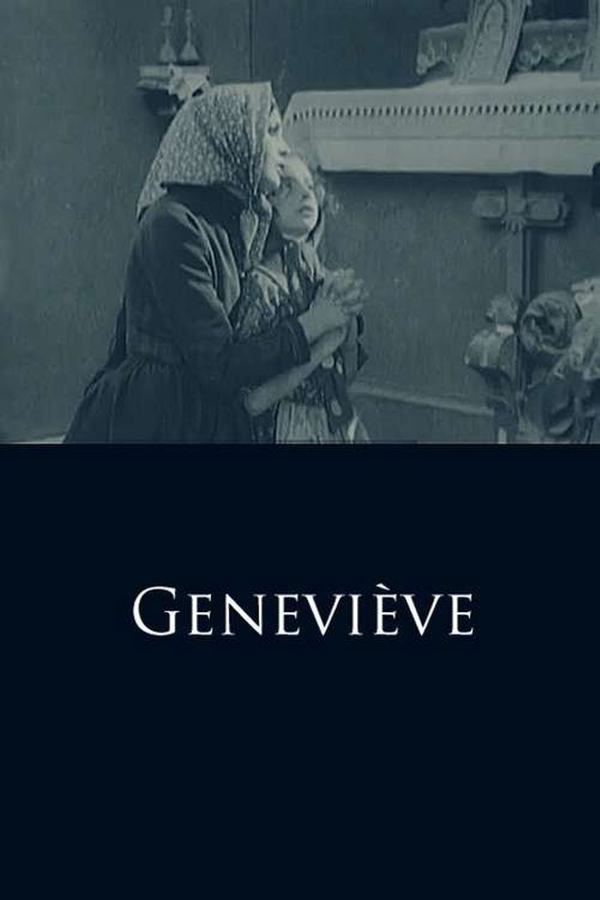
The cinematic landscape, particularly from earlier epochs, often presents narratives that, despite their age, resonate with an uncanny contemporary relevance. Such is the case with Geneviève, a film that delves into the profound complexities of female agency and societal expectation, loosely drawing from the rich, dramatic tapestry woven by Alphonse de Lamartine. This isn't merely a recounting of events; it's a deep dive into the psyche of a woman who dares to defy the prescribed norms of her era, embarking on a perilous quest for self-determination. The film’s narrative arc is less about grand, sweeping gestures and more about the quiet, internal revolution that propels its protagonist through a series of deeply personal upheavals.
At its core, Geneviève is a searing portrait of a young woman's struggle against the invisible shackles of convention. Our titular heroine, an orphan, carries the weighty responsibility of her younger sister, Josette, a burden that subtly underscores her inherent strength and resilience from the outset. Her initial marital union, to a man described as 'honest and respectful,' might, on the surface, appear to be a haven. Yet, the film masterfully illustrates that respectability and integrity do not always equate to emotional fulfillment or personal liberty. Geneviève's decision to dissolve this marriage, a radical act for its time, signals a profound yearning for something more authentic, a connection that transcends mere societal approval. This bold stroke sets in motion a chain of events that are as dramatic as they are emotionally charged, transforming her life into a veritable odyssey.
The journey Geneviève undertakes after her marital dissolution is far from straightforward. It's a meandering, often harrowing path marked by 'dramatic incidents' and extended periods of 'wandering.' These aren't just plot devices; they are symbolic representations of her internal turmoil and the external obstacles placed before any woman daring to stray from the beaten track. Her peregrinations are not aimless; they are a desperate search for a sanctuary, a place where her spirit can find repose and her heart, a true home. The narrative builds considerable tension through these segments, allowing the audience to truly feel the weight of her vulnerability and the formidable strength of her resolve. The world outside her abandoned domesticity is presented as a formidable, often unforgiving realm, yet Geneviève navigates it with an unwavering tenacity that is both admirable and deeply human.
The film's exploration of Geneviève’s emotional landscape is particularly compelling, a testament to the influence of Alphonse de Lamartine’s literary sensibilities. Known for his romanticism and deep psychological insight, Lamartine’s narrative style, even if loosely adapted, imbues the film with a rich emotional texture. We are not just observing Geneviève; we are invited into her internal world, privy to her fears, her hopes, and her unwavering determination. This depth of characterization elevates Geneviève beyond a simple melodrama, positioning it as a significant work of emotional realism for its era. The 'wandering' phase is crucial here, allowing for character development through adversity, stripping away the superficial layers and revealing the core of her being.
The cast, though perhaps less universally recognized today, delivers performances that anchor the film’s emotional weight. Paul Horace, Henryath, and Pierre Blanchar, alongside Dolly Davis and Marie Lacroix, embody their roles with a palpable earnestness. While specific details of their individual performances are now historical artifacts, the collective impact is undeniable. The portrayal of Geneviève herself, likely by one of the lead actresses, must have been a tour de force, requiring a delicate balance of vulnerability and steely resolve. The nuanced portrayal of her journey, from a constrained wife to a woman actively seeking her destiny, would have demanded an actress capable of conveying profound internal shifts with subtle expressions and gestures. The supporting cast members, including Thomy Bourdelle, Francia Seguy, and Madame Lenoir, contribute to the tapestry of her challenging world, each interaction adding another layer to the protagonist’s fraught existence.
Consider the role of Geneviève’s sister, Josette. While her presence is a source of responsibility for Geneviève, it also serves as a poignant reminder of the protagonist’s nurturing spirit and her capacity for unconditional love. This familial bond, often stressed under the duress of their circumstances, provides a touching counterpoint to Geneviève’s more tumultuous romantic pursuits. The actors tasked with these roles, even in their brevity, are crucial in establishing the emotional stakes and the deep-seated motivations that drive Geneviève forward. Their interactions, however fleeting, paint a vivid picture of the social dynamics and personal sacrifices inherent in her quest for a better life. The authenticity these performers bring to their characters is what ultimately allows the audience to invest deeply in Geneviève’s plight.
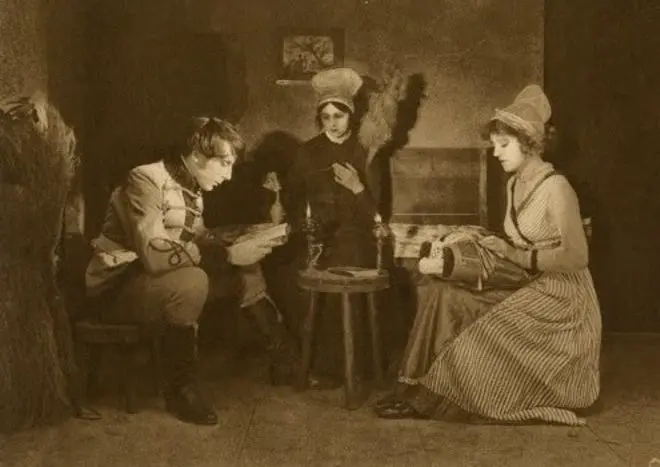
It's impossible to discuss Geneviève without drawing parallels to other seminal works that explore similar themes of female liberation and societal critique. The most striking comparison, of course, is with Henrik Ibsen’s A Doll's House. Just as Nora Helmer famously slams the door on her seemingly perfect, yet ultimately suffocating, marriage, Geneviève makes a similarly audacious choice. Both women, despite living in vastly different cultural and historical contexts, are driven by an unshakeable need for authenticity and a life lived on their own terms, rather than as an extension of their husbands or societal expectations. The societal outcry and moral condemnation faced by Nora would undoubtedly have been mirrored in Geneviève's world, making her decision all the more courageous.
Furthermore, one might find thematic resonance with films like Her Life and His, which often explored the intricate and frequently unequal dynamics within marital relationships during that period. While the specific plot points diverge, the underlying tension between individual desires and prescribed gender roles forms a powerful common thread. Geneviève's journey is not just about finding a new partner; it's about finding herself, a quest that transcends the romantic and delves into the existential. Her 'wandering' could even be seen as a precursor to narratives found in films like Tangled Trails, albeit in a dramatically different setting, where characters embark on physical journeys that mirror their internal struggles for resolution or escape.
The film's culmination, Geneviève's arrival at her fiancé's house, is fraught with emotional significance. It’s not merely a physical destination but the symbolic conclusion of a harrowing pilgrimage. This moment represents the potential for a new beginning, a chance at a union built on genuine affection and mutual understanding, rather than societal convenience or obligation. Yet, the film, if it truly embraces the nuances of Lamartine, would likely suggest that such an arrival is merely another chapter, not the definitive end of her journey of self-discovery. True liberation is an ongoing process, and while the fiancé's house offers solace, it also presents new challenges and opportunities for growth. The narrative avoids a simplistic 'happily ever after,' instead hinting at the complex realities that await even the most determined of spirits.
The dramatic incidents leading up to this point serve to underscore the immense value Geneviève places on this prospective union. Her trials, tribulations, and the sheer grit required to overcome them transform her from a passive victim of circumstance into an active architect of her own fate. Each setback, each moment of despair, only strengthens her resolve, forging a character of immense fortitude. This journey of 'wandering' is less about physical distance and more about the internal distance she travels from her past self, shedding the constraints that once bound her. It’s a powerful narrative choice that emphasizes the transformative power of adversity.
While specific details of Geneviève’s cinematic techniques are elusive without a direct viewing, one can infer much about its style based on its era and literary origins. Films adapted from romantic literary works often leaned into expressive visuals, perhaps employing dramatic lighting, evocative set designs, and a heightened sense of emotionality in their framing and editing. The goal would have been to translate Lamartine’s poetic grandeur and psychological depth into a visual medium, creating an immersive experience for the audience. The pacing, characteristic of earlier cinema, might have been deliberate, allowing scenes to unfold with a measured rhythm, emphasizing the emotional weight of each significant moment in Geneviève's arduous journey.
The enduring legacy of Geneviève lies in its unflinching portrayal of a woman’s quest for autonomy. It stands as a testament to the timeless appeal of stories that champion the individual spirit against the tide of societal expectations. For contemporary viewers, it offers a fascinating glimpse into the historical roots of feminist narratives in cinema, demonstrating that the struggle for personal freedom is not a modern invention but a perennial human endeavor. The film’s capacity to evoke empathy for Geneviève’s plight, to make her radical choices understandable and even laudable, is a mark of its profound impact. It reminds us that true courage often lies not in grand heroics, but in the quiet, persistent pursuit of one's own truth, even when the path is fraught with uncertainty and danger.
In conclusion, Geneviève is more than just a historical artifact; it is a vibrant narrative pulse that continues to beat with relevance. It invites us to reflect on the nature of love, the meaning of commitment, and the enduring human desire for a life lived authentically. Its dramatic incidents and wandering protagonist are not just plot points; they are universal metaphors for the challenges inherent in forging one’s own destiny. This film, rooted in a rich literary tradition and brought to life by dedicated performers, remains a compelling and vital piece of cinematic history, a poignant reminder of the strength found in vulnerability and the triumph of the human spirit.
IMDb —
1927
Community
Log in to comment.