DbcultAccessing Vault...
Cult Review
Senior Film Conservator
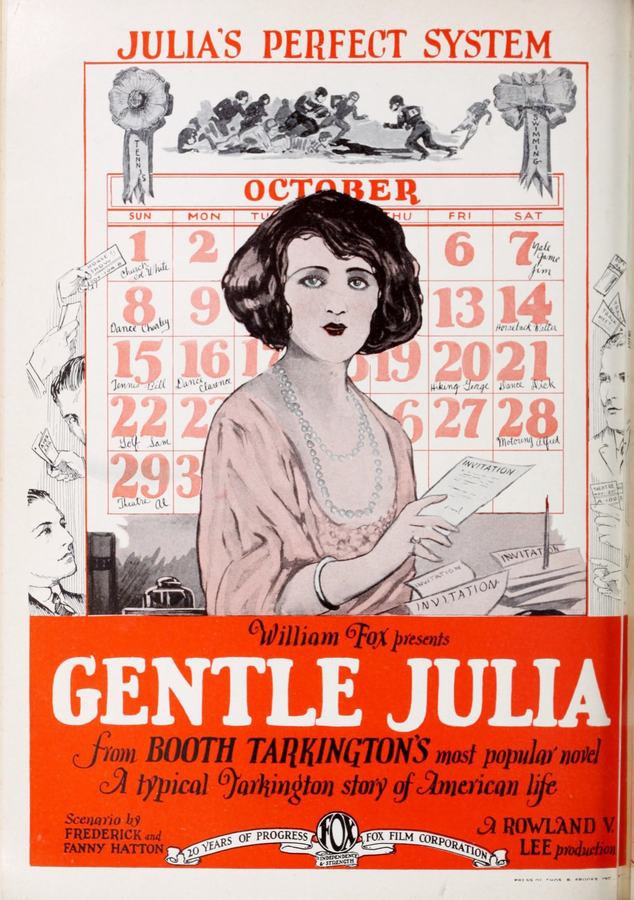
The cinematic landscape of the 1920s was replete with tales of love, heartache, and self-discovery, and Gentle Julia is a quintessential exemplar of this genre, boasting a narrative that is at once both deeply personal and universally relatable. As the eponymous heroine, Julia, navigates the complexities of her own desires and the societal expectations that surround her, the film presents a nuanced exploration of the human experience, one that is both poignant and profound.
The film's narrative is set in motion by Julia's decision to leave her quaint hometown and its multitude of suitors behind, opting instead for the bright lights and promises of Chicago, where she becomes embroiled in a romantic affair with an older, worldly man. However, as the relationship progresses, Julia discovers that her paramour is, in fact, already married, prompting a crisis of conscience and a reevaluation of her priorities. This pivotal moment serves as a catalyst for Julia's journey of self-discovery, as she grapples with the consequences of her choices and the values that have guided her thus far.
Upon her return home, Julia is reunited with her devoted sweetheart, Noble Dill, and the film's narrative begins to coalesce around the central theme of love and its many permutations. Through the characters of Julia and Noble, the film presents a powerful exploration of the human heart, one that is marked by both vulnerability and resilience. As the story unfolds, the audience is invited to bear witness to the evolution of Julia's emotional landscape, as she navigates the intricacies of her own feelings and the expectations that surround her.
In terms of its cinematic progeny, Gentle Julia can be seen as part of a larger tradition of films that explore the complexities of love and relationships, including Heart o' the Hills and The Little Patriot. However, whereas these films often rely on more overtly melodramatic plot twists and character archetypes, Gentle Julia distinguishes itself through its more subdued and introspective approach, one that prioritizes nuance and emotional depth over grand gestures and sentimental platitudes.
The film's performances are also noteworthy, with Leslie Fenton and Bessie Love delivering standout portrayals of Noble Dill and Julia, respectively. Through their performances, the actors bring a sense of authenticity and emotional resonance to the film, imbuing the narrative with a sense of lived experience and visceral immediacy. The chemistry between the leads is particularly noteworthy, as they convey the complexities and nuances of their characters' relationships with a subtlety and sensitivity that is all too rare in contemporary cinema.

In addition to its narrative and performances, Gentle Julia is also notable for its technical achievements, particularly in terms of its cinematography and editing. The film's use of lighting and composition is especially noteworthy, as the cinematographer employs a range of visual motifs and techniques to convey the emotional textures and thematic concerns of the narrative. From the lush, idyllic landscapes of Julia's hometown to the grim, urban vistas of Chicago, the film's visual palette is characterized by a keen sense of observation and a deep understanding of the ways in which environment and atmosphere can shape and reflect the human experience.
Furthermore, the film's editing is also deserving of praise, as the editor employs a range of techniques to convey the rhythms and cadences of the narrative. Through the judicious use of cross-cutting, montage, and other editing strategies, the film's editor creates a sense of fluidity and continuity, drawing the viewer into the world of the narrative and refusing to let go. This is particularly evident in the film's more dramatic moments, where the editing serves to heighten the emotional impact of the scene, creating a sense of tension and release that is both captivating and emotionally resonant.
In comparison to other films of the era, such as Hypnose and A Soldier's Oath, Gentle Julia is notable for its more subdued and introspective approach, one that prioritizes nuance and emotional depth over grand gestures and sentimental platitudes. While these films often rely on more overtly melodramatic plot twists and character archetypes, Gentle Julia distinguishes itself through its more restrained and contemplative approach, one that invites the viewer to engage with the narrative on a deeper, more personal level.
The film's themes and motifs are also worthy of consideration, as they offer a fascinating glimpse into the social and cultural attitudes of the era. Through its portrayal of Julia's journey, the film presents a powerful exploration of the human heart, one that is marked by both vulnerability and resilience. As Julia navigates the complexities of her own desires and the societal expectations that surround her, the film raises important questions about the nature of love, identity, and agency, inviting the viewer to reflect on their own values and priorities.
Ultimately, Gentle Julia is a film that rewards close attention and reflection, offering a rich and nuanced exploration of the human experience that is both poignant and profound. Through its narrative, performances, and technical achievements, the film creates a sense of emotional resonance and visceral immediacy, drawing the viewer into the world of the story and refusing to let go. As a work of cinematic art, Gentle Julia is a testament to the power of film to capture the complexities and nuances of the human heart, and its influence can still be felt in contemporary cinema, with films like Sweetheart of the Doomed and Cleopatra owing a debt to its innovative storytelling and technical achievements.
In conclusion, Gentle Julia is a film that is worthy of consideration and reflection, offering a nuanced and powerful exploration of the human experience that is both poignant and profound. Through its narrative, performances, and technical achievements, the film creates a sense of emotional resonance and visceral immediacy, drawing the viewer into the world of the story and refusing to let go. As a work of cinematic art, Gentle Julia is a testament to the power of film to capture the complexities and nuances of the human heart, and its influence can still be felt in contemporary cinema.

IMDb 5.2
1930
Community
Log in to comment.