Is 'George the Winner' worth watching today? Short answer: yes, but with significant caveats. This early comedic romp, a charming artifact from a bygone era, offers a fascinating glimpse into the nascent stages of cinematic storytelling and physical comedy. It's a film best suited for cinephiles, historians of silent cinema, and those with a deep appreciation for the foundational elements of slapstick and romantic farce. Conversely, it is decidedly not for viewers seeking modern pacing, sophisticated narrative complexity, or high-definition visual polish.
It's a foundational piece, a blueprint for countless comedies that would follow. While its technical limitations are evident, its spirit is undeniable.
A Glimpse into Early Cinematic Comedy
Dating back to an era where the language of film was still being codified, 'George the Winner' presents a straightforward, almost archetypal narrative. The film, penned by George McManus, who also wrote A Perfect 36, relies heavily on situation and physical humor, a hallmark of its time. It’s a testament to the enduring appeal of the underdog story, even when that underdog is a bumbling fraud.
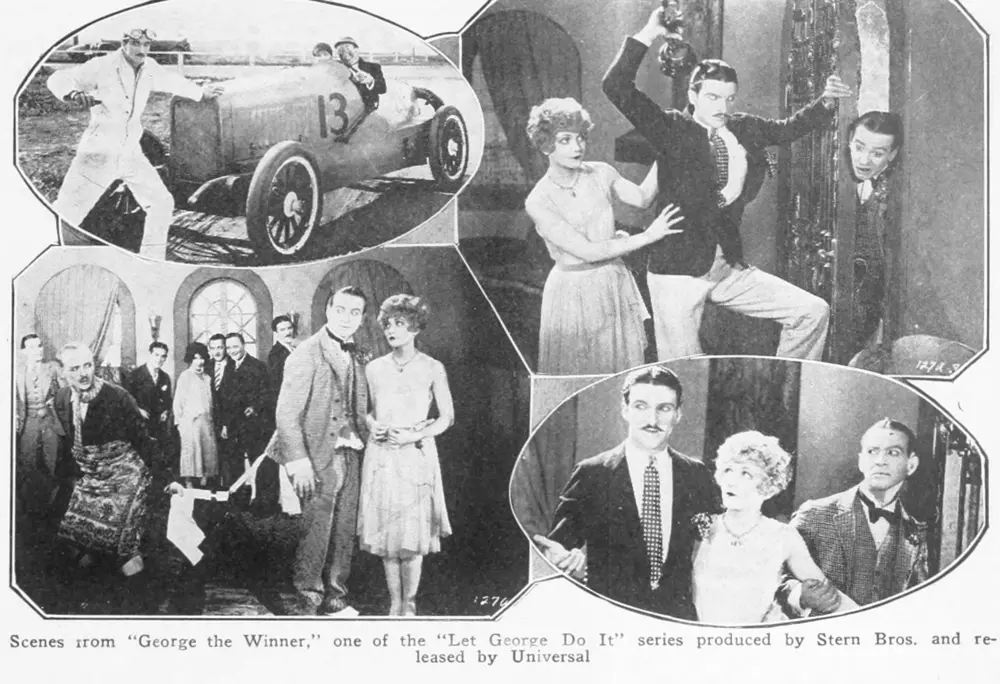
The plot, while simple, is effective: a mother's relentless pursuit of a wife for her son, George, leads to a grand deception involving a racing driver persona. This premise, while thin, provides a sturdy framework for comedic set pieces.
The Core Mechanics: Why It Works and Where It Stumbles
This film works because: It perfectly captures the innocent charm and foundational mechanics of early silent comedy, delivering genuine laughs through physical gags and a relatable, albeit exaggerated, premise of social pressure and unexpected heroism.
This film fails because: Its narrative simplicity and technical limitations, while historically significant, prevent it from resonating deeply with a contemporary audience accustomed to more complex storytelling and polished production values.
You should watch it if: You are a student of film history, appreciate the origins of comedic performance, or simply enjoy the unique aesthetic and pacing of silent-era cinema.
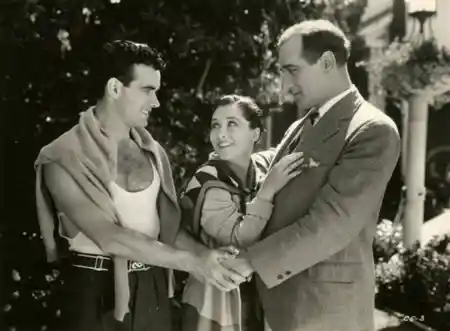
Scene from George the Winner
Cinematic perspective: Exploring the visual vocabulary of George the Winner (1926) through its definitive frames.
Performance and Character Arcs
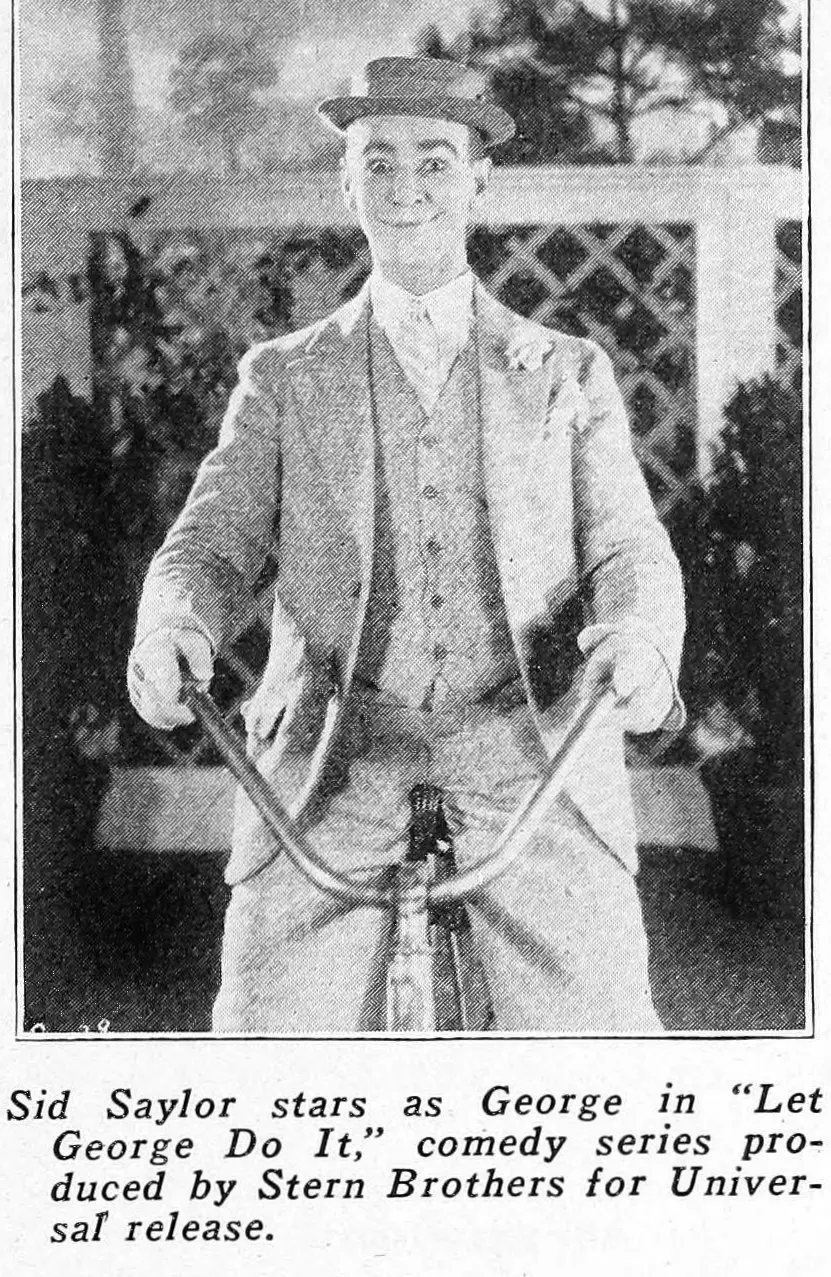
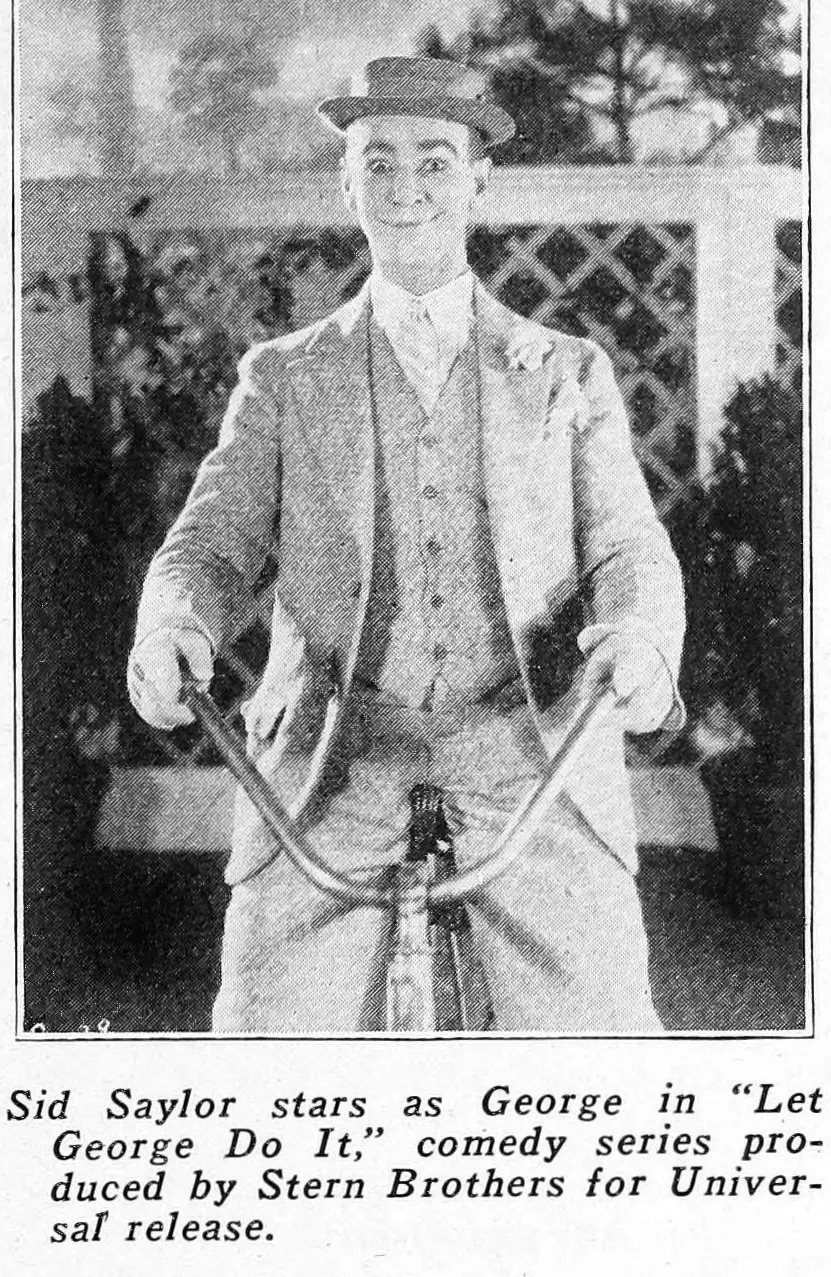
The performances in 'George the Winner' are, by necessity, broad and expressive, typical of silent-era acting where gestures and facial expressions conveyed much of the emotion. Syd Saylor, as George, carries the film with a commendable blend of nervous energy and comedic timing. His transformation from a timid mama's boy to a reluctant, yet ultimately victorious, racing driver is the film's central comedic engine.
Saylor's physical comedy shines brightest during the climactic race sequence. His wide-eyed terror, clumsy maneuvers, and sheer bewildered determination are genuinely amusing. It’s a performance that doesn't aim for subtlety but rather for direct, visceral laughs, and in that, it largely succeeds.
Thelma Daniels, playing the object of George's affection, provides a necessary grounding presence. Her reactions, often conveying a mix of skepticism and eventual admiration, serve as a counterpoint to George's exaggerated antics. While her role is somewhat archetypal for the period – the prize to be won – Daniels imbues it with enough personality to make her more than just a plot device. Her subtle eye-rolls at George's initial boasts are a particular highlight, hinting at a sharp intelligence beneath the demure exterior.
The supporting cast, though less prominent, effectively supports the comedic structure. The father figure, initially unimpressed by the 'real' driver, sets up George's impossible predicament with a wonderfully dismissive air. It's these small, well-executed moments that elevate the film beyond mere novelty.
Direction, Pacing, and Cinematography
The direction, while uncredited in some archives, exhibits a clear understanding of the comedic beats necessary for a silent film. Pacing is crucial in silent cinema, and 'George the Winner' maintains a brisk, engaging rhythm. The initial setup, George's boasts, the introduction of the girl and her father, and the eventual forced race, all unfold efficiently, never overstaying their welcome.
The climax, the race itself, is a masterclass in early cinematic thrills. It’s less about actual speed and more about the chaotic sequence of near-misses, unexpected turns, and George’s sheer luck. The camera work, while rudimentary by modern standards, effectively captures the urgency and absurdity of the situation. Close-ups of George's terrified face are juxtaposed with wider shots of the speeding cars, creating a sense of both personal panic and broader spectacle.
One unconventional observation: the film's 'wild time' during the race is surprisingly effective not because of realistic racing, but because it feels like a live-action cartoon. The stunts, though simple, carry a genuine sense of risk and improvisation that modern CGI often struggles to replicate. It's a raw, unfiltered energy that feels almost punk rock in its execution.
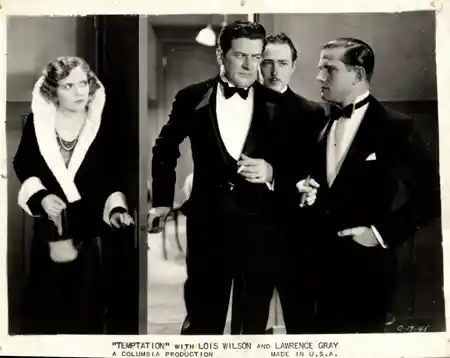
Scene from George the Winner
Cinematic perspective: Exploring the visual vocabulary of George the Winner (1926) through its definitive frames.
The cinematography, while not groundbreaking, serves the story well. Lighting is functional, ensuring characters and actions are clearly visible. The sets are minimal, focusing attention squarely on the performers. This simplicity, far from being a drawback, contributes to the film's timeless, almost theatrical quality. It strips away distractions, forcing the audience to engage with the core performance and narrative.
Compared to other films of the era, such as All Wet or The Love Burglar, 'George the Winner' holds its own in terms of comedic ingenuity and narrative clarity. It might not have the star power of a Chaplin or Keaton, but it embodies the collective creative spirit of early Hollywood trying to figure out what makes an audience laugh.
Themes and Enduring Relevance
Beneath the slapstick, 'George the Winner' touches on surprisingly relevant themes. The pressure from family to conform to societal expectations, the lengths one goes to impress a romantic interest, and the eventual triumph of genuine character over superficial boasts are all present. George's initial deception, driven by his mother's push for marriage, is a universal human experience, albeit exaggerated for comedic effect.
The film subtly critiques the superficiality of appearances. The 'real' racing driver fails to impress, while George, through sheer, bumbling luck and unexpected courage, wins the day. This notion that authenticity, even accidental authenticity, trumps pretense is a powerful, enduring message. It’s a simple truth delivered with a wink and a smile.
One might argue that the mother's role, while a classic trope, possesses a surprising agency for the era. She is the catalyst, the driving force behind the entire plot, rather than a passive observer. This makes her character, despite her limited screen time, surprisingly dynamic and crucial to the narrative's propulsion.
Is This Film Worth Watching Today?
Absolutely, but with the right mindset. 'George the Winner' is a historical document as much as it is an entertainment piece. It offers a window into the silent era's comedic sensibilities. For those willing to adjust their expectations for pacing and production values, it provides genuine laughs and a fascinating look at how cinematic language evolved. It's simple. It works.
Key Takeaways
Best for: Film historians, silent movie enthusiasts, and fans of early slapstick comedy.
Not for: Viewers accustomed to modern blockbusters or complex narrative dramas.
Standout element: Syd Saylor's committed physical comedy during the climactic, chaotic race sequence.
Biggest flaw: Its narrative simplicity and lack of character depth beyond the immediate comedic setup.
Pros and Cons
Pros:
Engaging and humorous physical comedy from Syd Saylor.
A charming, if predictable, underdog story.
Provides valuable insight into early cinematic techniques and comedic tropes.
The race sequence is surprisingly thrilling and well-executed for its time.
A brisk runtime ensures it never outstays its welcome.
Cons:
Narrative is extremely simple and lacks sophistication.
Character development is minimal, focusing entirely on the comedic situation.
Technical limitations of silent film may deter casual viewers.
The humor, while effective, can feel dated to modern sensibilities.
Verdict
'George the Winner' is more than just a forgotten relic; it's a vibrant, if unsophisticated, piece of early cinematic history. It's a film that demands a certain generosity from its audience, a willingness to appreciate its context and its pioneering spirit. While it won't redefine your understanding of cinema, it will certainly offer a smile and a nod to the foundations upon which all subsequent comedies were built. It's a small, unassuming film that, against all odds, still manages to cross the finish line with a grin. For the right audience, it’s an absolute win.