DbcultAccessing Vault...
Cult Review
Senior Film Conservator
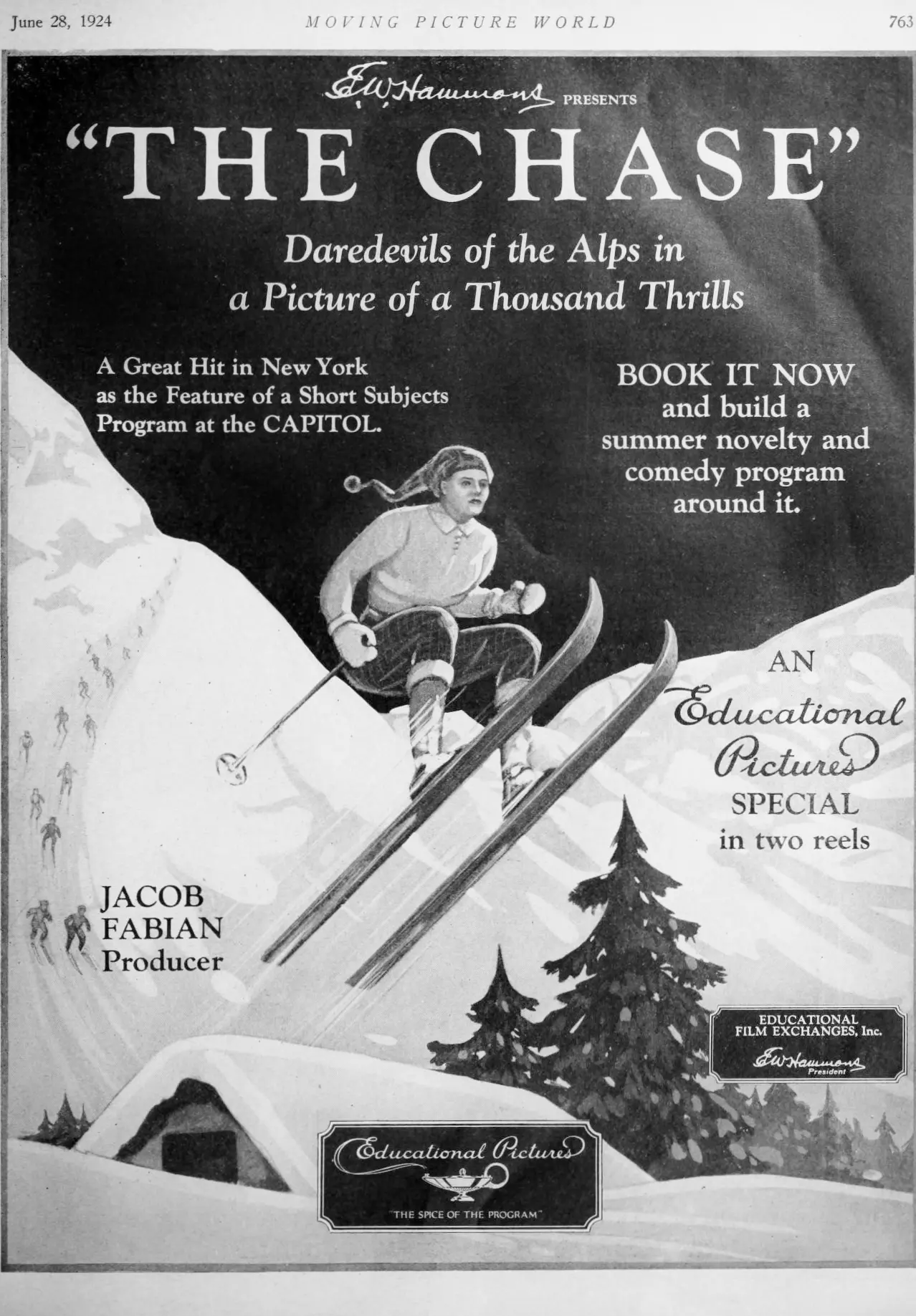
From the moment the opening frames of The Chase unspool, an undeniable truth asserts itself: this isn't merely a film; it's an experience, a visceral plunge into the heart of high-altitude exhilaration. Conceived with audacious ambition and executed with pioneering spirit, this cinematic marvel transcends its simple premise to deliver a breathtaking ballet of human will against the formidable grandeur of the Swiss Alps. It captures a raw, almost primal essence of competition and survival, etching itself into the annals of film history not just as a technical achievement, but as a profound exploration of what drives us to push beyond perceived limits. The film doesn't just show a chase; it embodies the very spirit of pursuit, both physical and existential, against a canvas of blinding white and unforgiving ice.
The narrative, deceptively straightforward, centers around a champion skier, a figure of almost mythic stature whose mastery of the slopes is unparalleled. This individual, an archetype of athletic perfection, becomes the elusive quarry in a relentless pursuit down the dizzying gradients of the Alps. Their identity, largely unspoken, is conveyed through sheer physical artistry – every carve, every controlled descent, every audacious leap speaks volumes. The pursuers are not a monolithic entity; rather, they are a diverse phalanx of rivals, admirers, and perhaps even those driven by a more mercenary intent, each propelled by a cocktail of motivations ranging from pure sporting challenge to a desperate desire for glory or gain. The film brilliantly articulates this unspoken tension, allowing the audience to project their own understanding onto the high-stakes drama unfolding before them. It’s a testament to the power of visual storytelling, where the language of movement and environment supersedes dialogue.
What truly elevates The Chase is its audacious visual artistry. The Swiss Alps are not merely a backdrop; they are a formidable character, an antagonist and a stage all at once. The cinematography, particularly for its era, is nothing short of revolutionary. One can almost feel the biting wind, hear the crunch of compacted snow, and taste the crystalline air as the camera sweeps and dives, mirroring the skiers' trajectory. The scale is immense, yet the focus remains intimately on the human figures, dwarfed by the majestic peaks but magnified by their sheer audacity. Long shots establish the epic scope, showcasing vast, untouched expanses of snow and rock, while tighter compositions plunge us into the heart of the action, capturing the spray of snow, the tension in the skiers' bodies, and the dizzying speed of their descent. This meticulous attention to detail, combined with sweeping panoramas, creates a palpable sense of both danger and exhilarating freedom. The use of natural light, often harsh and brilliant, further accentuates the stark beauty and inherent peril of the alpine environment. It’s a visual feast that leaves an indelible impression, proving that some of the most profound stories can be told without a single spoken word, relying instead on the universal language of image and motion.
The sense of speed and peril is masterfully conveyed through innovative camera work and editing. The audience is not just observing; they are hurtling down the mountain alongside the champion, feeling every turn, every drop, every moment of near-disaster. This immersive quality, a hallmark of truly great action cinema, was groundbreaking for its time. It’s a testament to the filmmakers' vision that they could transform a simple act of skiing into such a compelling, edge-of-your-seat spectacle. The way the light catches the snow, the shadows play across the crevasses, and the sheer verticality of the landscape is exploited for dramatic effect is simply breathtaking. In an era where special effects were rudimentary, The Chase relied on authentic daring and ingenious framing to achieve its impact, setting a precedent for future extreme sports cinematography. It's a film that demands to be seen on the largest possible screen, allowing its grand vistas and kinetic energy to fully envelop the viewer.
Beneath the exhilarating surface of the chase lies a rich tapestry of thematic depth. The film interrogates the very nature of freedom – the champion skier, in their solitary defiance of gravity and pursuers, embodies a profound sense of liberation. Yet, this freedom is constantly threatened by the relentless pressure from those who seek to capture or surpass them. This dynamic resonates with the yearning for escape and self-determination seen in films like The Dawn of Freedom, where the struggle for personal liberty against overwhelming odds takes center stage. The champion's flight is not just from other skiers, but perhaps from the expectations of their own renown, a quest for a pure, unadulterated experience of their craft.
The element of pursuit itself carries multiple layers of meaning. Is it a hunt for a prize, as suggested by the title of $5, 000 Reward, or is it a more abstract pursuit of glory and recognition? The film hints at both, creating an ambiguity that enriches the viewing experience. The champion is an object of desire, their skill a coveted secret, their position at the pinnacle a challenge to all others. This tension of being both admired and targeted creates a fascinating psychological undercurrent, reminiscent of the existential pressure faced by protagonists in films like Under Suspicion, where the feeling of being constantly observed and judged drives the narrative. The relentless nature of the pursuit, even in the absence of explicit dialogue, conveys a powerful message about the cost of greatness and the burdens of exceptional talent.
Moreover, The Chase is a profound meditation on humanity's relationship with nature. The majestic, indifferent Alps serve as a powerful metaphor for the overwhelming forces that shape our lives. The skiers, tiny figures against the vast white expanse, represent the enduring human spirit that seeks to conquer, or at least navigate, these grand challenges. This struggle against the raw power of the environment draws parallels to the harrowing maritime survival depicted in The Sea Wolf, where human resilience is tested against the brutal indifference of the ocean. Both films celebrate the tenacity of the human spirit when confronted with elemental forces that threaten to overwhelm it. The film doesn't shy away from depicting the danger, the falls, the near misses, which only serve to heighten the champion's extraordinary ability and the sheer courage required for such a feat.
The sense of urgency and high stakes is palpable throughout. While the specific 'prize' or 'secret' that might drive the pursuers is left to the viewer's imagination, the intensity of the pursuit itself suggests something of immense value, much like the coveted items in De røvede Kanontegninger. The champion's escape is not just a demonstration of skill, but a desperate dash for something intangible – perhaps peace, perhaps continued dominance, or simply the thrill of living on the edge. This ambiguity allows the film to resonate on multiple levels, making it more than just a sports spectacle; it becomes a universal tale of ambition, escape, and the relentless human drive to overcome.
The Chase carved out a unique niche in cinematic history, influencing countless adventure and sports films that followed. Its innovative use of location, its commitment to authentic action, and its ability to convey complex emotions through pure visual storytelling set a new benchmark. It proved that the silent screen was capable of delivering not just melodrama and comedy, but also pulse-pounding, high-octane thrills that could transcend cultural and linguistic barriers. The film's enduring appeal lies in its timeless themes: the allure of danger, the pursuit of excellence, and the indomitable spirit of humanity facing down the vastness of nature. Its legacy is evident in every subsequent film that dares to place its characters in extreme environments, testing their mettle against the elements.
The film's pacing is a masterclass in building tension and releasing it with perfectly timed bursts of speed and spectacle. The quieter moments, as rare as they are, allow for a brief respite, a chance to appreciate the stark beauty of the landscape before the next exhilarating plunge. This rhythm, akin to a perfectly choreographed piece of music, ensures that the audience remains utterly captivated from start to finish. It’s a testament to the skill of the filmmakers that they could sustain such a high level of intensity without dialogue, relying solely on the power of image, movement, and the sheer audacity of the premise. This cinematic bravery makes The Chase a work that continues to inspire awe and admiration, a true pioneer in the genre of action-adventure. It's a reminder that some stories are best told through the universal language of experience, where the thrill is felt, not just heard.
In an era of increasingly complex narratives and technological wizardry, The Chase stands as a powerful reminder of cinema's fundamental power: to transport, to thrill, and to evoke profound emotion through pure, unadulterated visual storytelling. It is a work of art that captures the ephemeral beauty of human endeavor pushed to its absolute limit, a kinetic poem etched against the grand, unforgiving canvas of the Alps. This film is more than just a historical artifact; it is a living, breathing testament to the enduring appeal of high-stakes adventure and the universal human desire to both escape and conquer. A truly essential viewing experience for anyone who appreciates the art of film and the thrill of the chase.

IMDb 7.3
1930
Community
Log in to comment.