DbcultAccessing Vault...
Cult Review
Senior Film Conservator
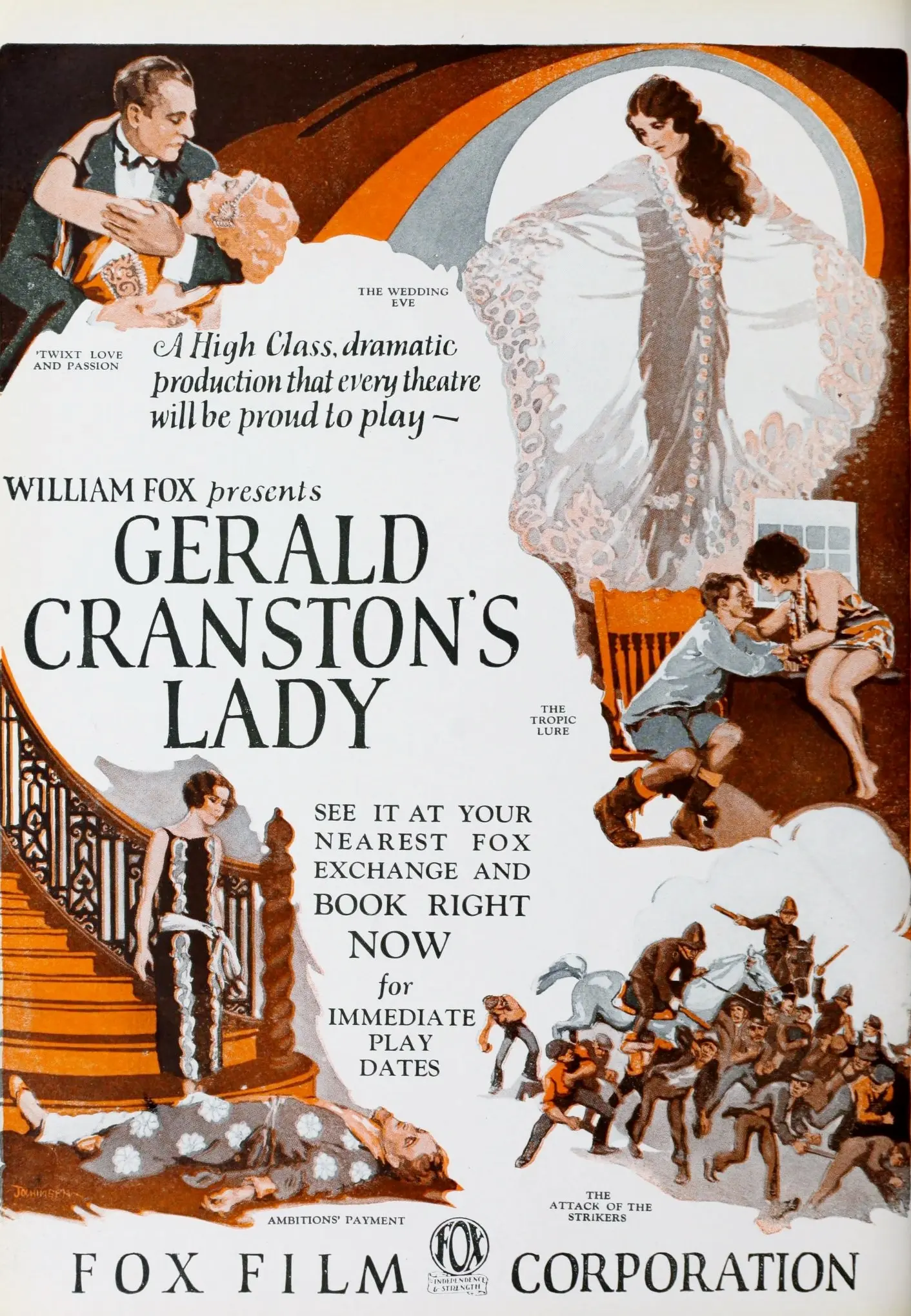
In the silent film era, Gerald Cranston's Lady emerges as a nuanced portrayal of a marriage born out of convenience rather than love. This cinematic piece, directed by Edmund Goulding, presents a fascinating study of characters navigating the intricate social hierarchies of their time.
The story centers around Gerald Cranston, a financier and industrialist who has climbed the social ladder through sheer determination and acumen. His decision to enter into a marriage of convenience with Lady Hermione is a strategic move aimed at gaining social prestige. Conversely, Lady Hermione seeks financial independence, making their union a mutually beneficial arrangement.
However, the dynamics of their relationship are soon complicated by the emergence of Gordon Ibbotsleigh, who attempts to woo Lady Hermione, and Angela, Hermione's cousin, who directs her affections towards Gerald. These subplots introduce a layer of complexity to the narrative, exploring themes of love, loyalty, and deception.
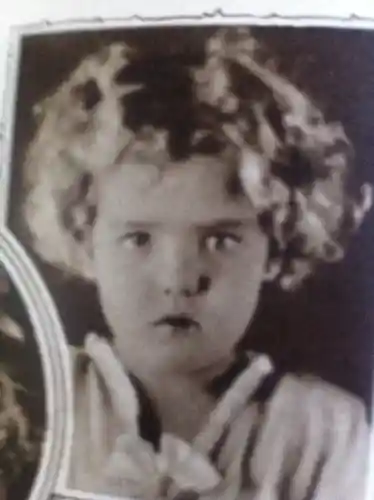
The character development in Gerald Cranston's Lady is noteworthy, with each actor delivering performances that bring depth to their respective roles. Templar Saxe, Alma Rubens, and Walter McGrail form the core of the cast, portraying characters that are both relatable and engaging. Their performances are complemented by a talented ensemble, including Lydia Knott, Lucien Littlefield, and Marilyn Warner, among others.
A critical examination of the film's themes reveals a commentary on the societal pressures of the era. The film adeptly portrays the constraints and expectations placed on individuals, particularly women, in the early 20th century. Lady Hermione's quest for financial independence and Gerald's pursuit of social standing serve as microcosms for the broader societal shifts occurring during this period.
In comparison to its contemporaries, Gerald Cranston's Lady stands out for its thoughtful exploration of relationships and social status. Films like The Blue Bonnet and Es werde Licht! 4. Teil: Sündige Mütter also delve into themes of love and societal expectations but approach them from different narrative angles.
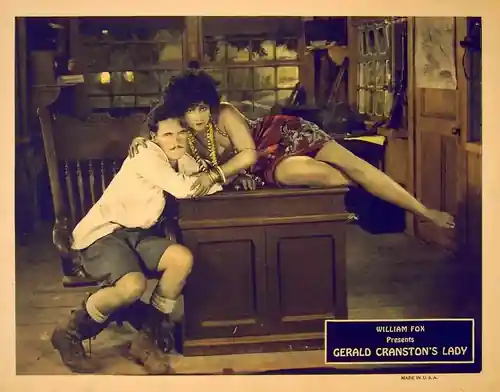
The cinematography and direction in Gerald Cranston's Lady are equally impressive, with Edmund Goulding's direction weaving the various plot threads into a cohesive and engaging narrative. The film's use of visual storytelling, characteristic of the silent era, adds a layer of depth to the viewing experience, inviting audiences to interpret the emotions and motivations of the characters.
In conclusion, Gerald Cranston's Lady is a remarkable film that offers a glimpse into the complexities of relationships and the societal pressures of its time. With its talented cast, nuanced direction, and thoughtful exploration of themes, it remains a significant work in the history of cinema. For those interested in the silent film era and the evolution of cinematic storytelling, this film is a must-watch.
When evaluating Gerald Cranston's Lady alongside other films of the era, such as Merchant of Menace and The Marriage Lie, it becomes clear that this film's exploration of social status and relationships is both unique and thought-provoking. The film's ability to balance comedy and drama, much like Alf's Button, adds to its appeal, making it a memorable watch.
The film's portrayal of a marriage of convenience also draws comparisons to Gemini Ambrose and He Couldn't Fool His Wife, both of which explore similar themes of love, deception, and social standing. However, Gerald Cranston's Lady distinguishes itself through its nuanced character development and thoughtful exploration of societal pressures.
Ultimately, Gerald Cranston's Lady is a film that warrants attention from both film enthusiasts and those interested in the social dynamics of the early 20th century. Its exploration of love, relationships, and societal expectations offers a captivating viewing experience that is sure to resonate with audiences.
IMDb 7
1919
Community
Log in to comment.