DbcultAccessing Vault...
7/10
Senior Film Conservator
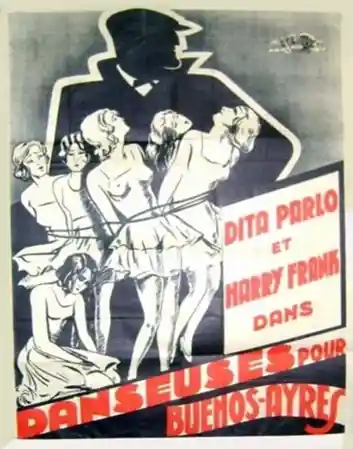
A definitive 7/10 rating for a film that redefined the boundaries of cult cinema. Girls for Sale remains a cornerstone of transgressive art.
So, Girls for Sale from 1931. Is it worth tracking down today? Well, that depends on what you're looking for. If you're into early cinema, especially German films from that era, and you don't mind a *really* heavy subject, then yeah, it's a piece of history worth seeing. But if you just want a fun movie night or something light, you'll probably want to skip this one entirely. It’s a bit of a tough sit, honestly. 😬
The premise alone is pretty stark: a Buenos Aires nightclub is basically advertising for blonde women, promising them 'glamorous jobs.' You know right away where that's going, and it's not anywhere good. The film doesn't really shy away from the nastiness of human trafficking, even if it has to dance around the absolute worst details, given the time it was made.
What really sticks with you is the _feeling_ of it all. You can almost sense the quiet desperation in those initial recruitment scenes. The women, played by actors like Dita Parlo and Ilse Trautschold, look so hopeful, so naive, packing their bags for a dream that's actually a nightmare. It’s hard to watch.
The film, written by Leopold Thoma and Georg C. Klaren, feels less like a thrilling drama and more like a social commentary, a warning. You see the manipulation play out, subtle at first, then becoming more obvious as the women arrive and realize the 'glamour' is a cruel lie. The whole operation run by characters like Paul Otto’s feels sickeningly efficient.
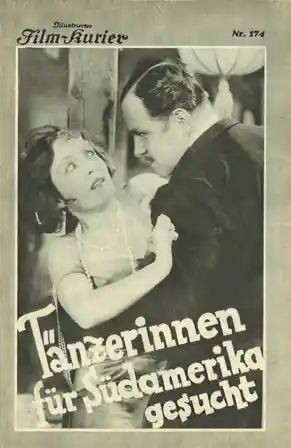
There are these little moments, tiny details, that really hit home. Like, a shot of a letter being sent home, full of forced cheer, trying to hide the truth. Or the way Hedwig Bleibtreu, as maybe one of the older, wiser victims, carries herself with such weary resignation. These small things speak volumes.
The pacing is very much of its time, which means it can feel slow to a modern audience. There are long stretches where the tension builds through implication rather than frantic action. It really makes you focus on the expressions, the quiet fear.
I found myself wondering about the audience reaction back in 1931. Did people fully grasp the horror of it? Or was it just seen as a sensationalized tale? Either way, it’s a pretty bold subject for the era. Harry Frank as one of the darker figures has this cold, calculating stare that’s quite effective, even without a lot of dialogue.
It’s not a visually stunning film in the modern sense; it's quite stark, almost documentary-like in its approach. But that gritty realism actually works for the subject matter. It doesn't try to glamorize anything, which is a good thing.
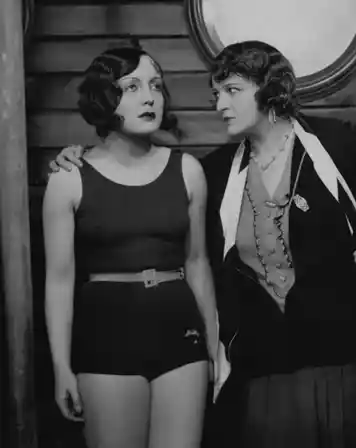
You can tell it was trying to make a point, to expose something ugly beneath the surface of society. And for that, it’s still pretty powerful. It’s a heavy watch, sure, but it also makes you think about how little some things change, even almost a century later. 🤔
It’s not perfect; some of the acting can feel a bit melodramatic by today's standards, and the resolution (if there is one) feels somewhat constrained by the social norms of the 30s. But as a historical document, a window into a grim reality, it’s _fascinating_.
So, if you’re a film student, a history buff, or just someone who can appreciate a tough but important story told through early cinema, give it a look. Just be prepared for the heavy material. It's not a popcorn movie. 🍿🚫
IMDb —
1924
Community
Log in to comment.