DbcultAccessing Vault...
Cult Review
Senior Film Conservator
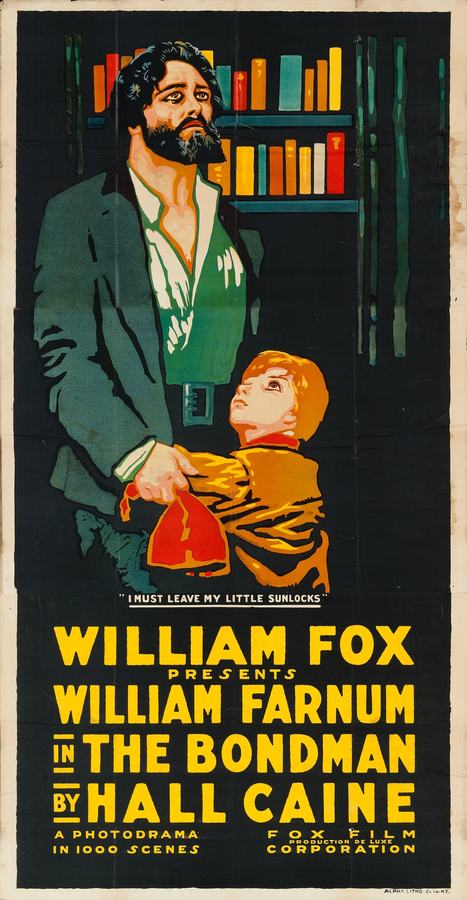
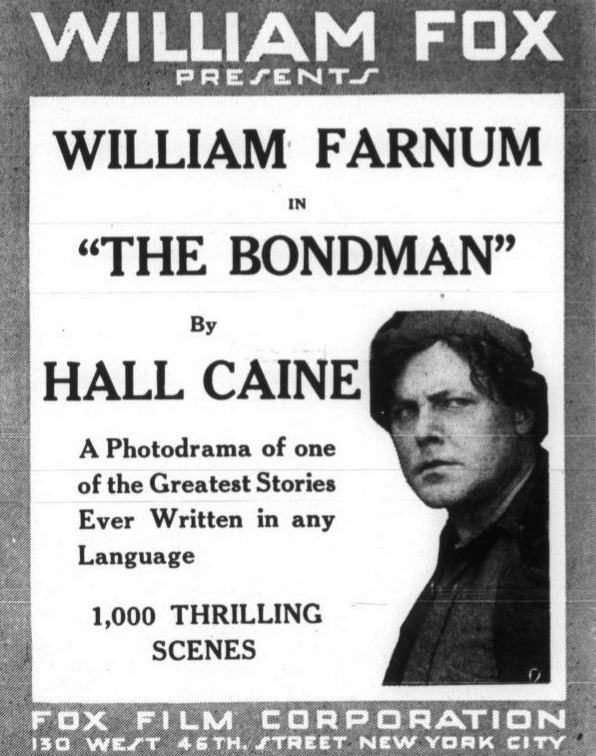
To witness The Bondman in its 1916 iteration is to step into a time capsule of high-stakes morality and rugged aestheticism. Directed by Edgar Lewis and based on the gargantuan literary output of Hall Caine, this film represents a pivotal moment in the transition from the nickelodeon's bite-sized narratives to the sprawling epic of the silent era. Caine, a writer whose popularity once rivaled Dickens, specialized in the 'Manx' gothic—a subgenre where the geography of the Isle of Man dictates the psychological turbulence of its inhabitants. In this cinematic adaptation, the screen crackles with a primitive, almost elemental energy that modern digital blockbusters struggle to replicate.
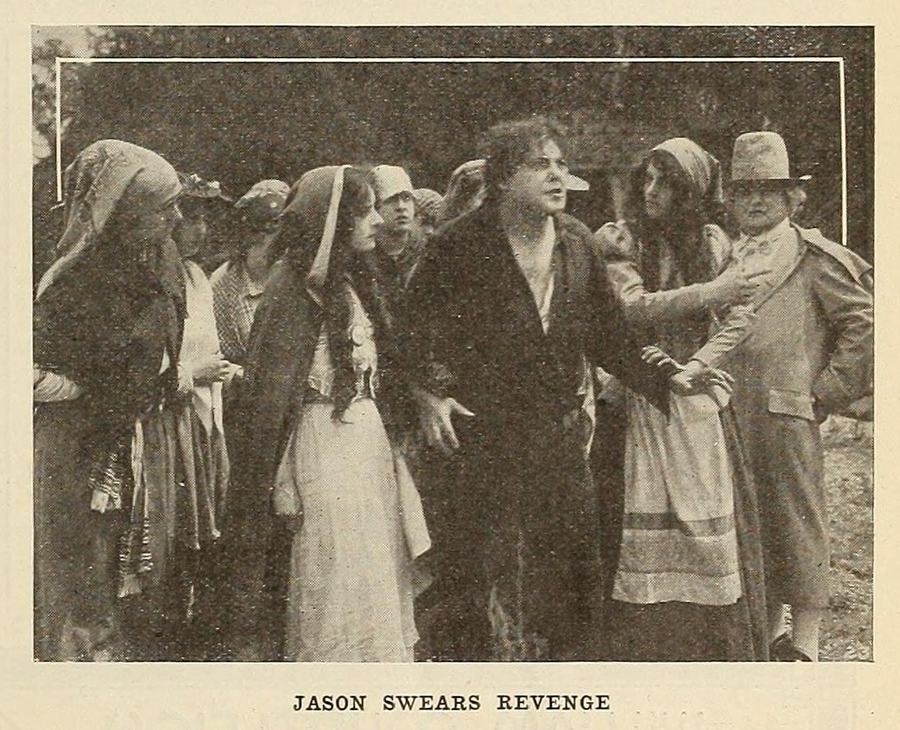
The narrative engine is fueled by the 'sins of the father' trope, but it is executed with a ferocity that feels visceral even a century later. Stephen Orry, portrayed with a desperate, shifting morality by L.O. Hart, is not merely a villain; he is a force of nature, a vagabond whose lack of internal compass sets a tragic destiny in motion. When he seduces Rachel, the Governor's daughter, we see the collision of social strata that defined much of early 20th-century drama. This isn't just a romance; it's a social transgression that demands a heavy price. The subsequent abandonment of Rachel and her son Jason sets the stage for a cross-continental pursuit that mirrors the epic voyages of Norse sagas.
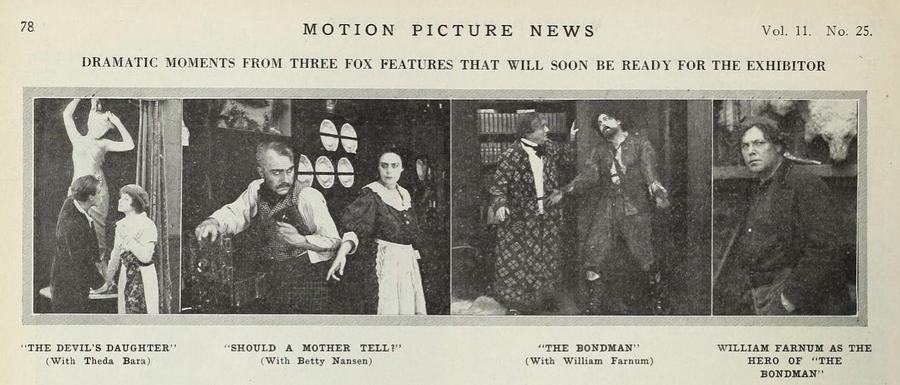
The brilliance of the script lies in its structural symmetry. While Jason grows up in the shadow of poverty and maternal grief, his half-brother Sunlocks is raised in the relative sanctity of the Isle of Man's governance. This duality provides a rich ground for exploring the 'nature vs. nurture' debate. William Farnum, an actor of immense physical presence, anchors the production. His performance avoids the hyper-gestural traps of many silent actors, opting instead for a brooding intensity that conveys the weight of his character's inherited burden. In many ways, his journey reminds me of the protagonist in The Vagabond Prince, though where that film leans into the romanticism of the wanderer, The Bondman finds only the jagged edges of survival.
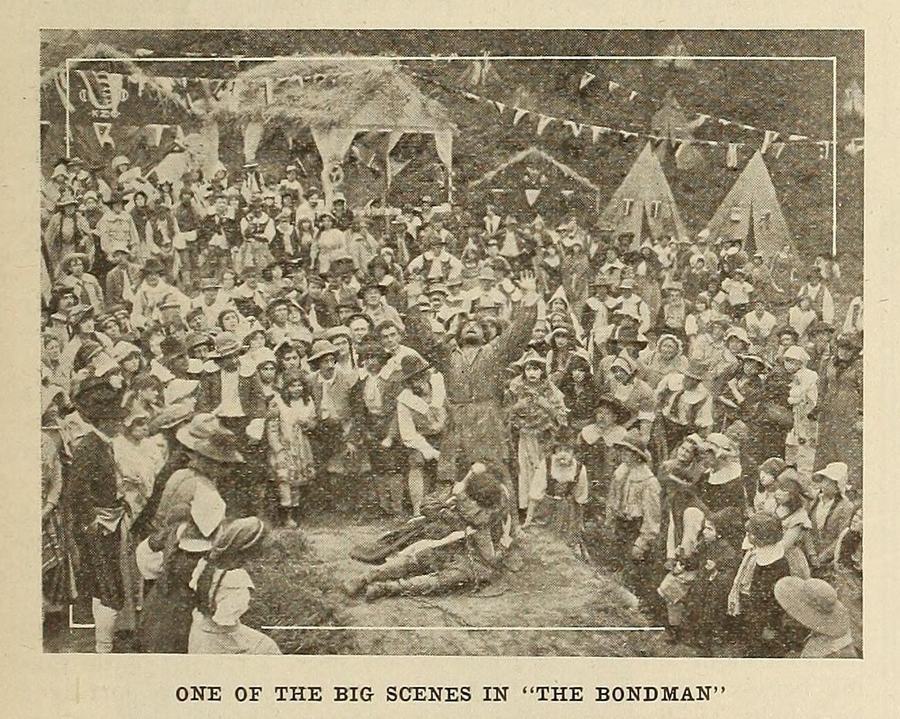
The cinematography of 1916 was often limited by the sheer bulk of the equipment, yet Edgar Lewis manages to imbue the frames with a sense of place. The Icelandic sequences—recreated with a starkness that suggests the end of the world—contrast sharply with the more pastoral, yet equally treacherous, Isle of Man. There is a specific shot of the sea that lingers, a churning grey expanse that serves as the film's true antagonist. It is the sea that takes Orry, and it is the sea that brings the brothers together. This maritime fatalism is a hallmark of Caine’s work, and here it is rendered with a haunting clarity.
When placing The Bondman alongside its contemporaries, such as The Trey o' Hearts, one notices a distinct shift in tone. While the latter relies on the kinetic thrills of the serial format, Lewis’s film is interested in the slow-burn accumulation of emotional debt. There is a gravity here that feels closer to the psychological probing found in The Criminal Path. The film asks: can a son ever truly escape the shadow of his father’s failures? Jason’s transformation from a man possessed by a singular thirst for vengeance to one capable of ultimate sacrifice is handled with a narrative grace that defies the era's reputation for simplistic morality.
The supporting cast, including Carey Lee and Doris Wooldridge, provides the necessary emotional ballast. Lee’s portrayal of Rachel is particularly poignant; she captures the exhaustion of a woman discarded by society and her husband alike. Her performance serves as the film's moral North Star, her suffering being the catalyst for Jason’s eventual redemption. Unlike the more whimsical characters in Mistress Nell, the women in The Bondman are forged in the fires of domestic tragedy, their resilience acting as the backbone of the story.
"The Bondman is not merely a story of revenge; it is a liturgical exploration of atonement, where the cold winds of Iceland meet the crushing waves of the Manx coast to wash away the sins of the past."
Edgar Lewis was a director who understood the power of the medium-long shot. In an era where close-ups were still being refined as a psychological tool, Lewis used the environment to dwarf his characters, emphasizing their helplessness against the machinations of fate. This is evident in the scene where Jason saves his father from drowning. The choreography of the rescue is frantic and unglamorous, lacking the polished artifice of modern stunts. It feels real. It feels dangerous. This raw quality is something we also see in The Hazards of Helen, but here it is applied to a Shakespearean tragedy rather than an adventure serial.
The pacing of the film is deliberate. It requires a modern viewer to recalibrate their internal clock. However, the reward for this patience is a deep immersion into a world where honor and bloodlines were the currency of existence. The writing by Hall Caine and Edgar Lewis ensures that every plot point, no matter how coincidental, feels earned through character development. The moment Jason decides to die in Sunlocks' place is not a sudden whim but the culmination of a grueling internal battle. It is a subversion of the vengeance arc that would have been common in films like Pennington's Choice.
As we look back at the cinematic landscape of 1916, The Bondman stands as a monolith of dramatic ambition. It lacks the experimental editing of Griffith but possesses a narrative cohesion and a thematic depth that many of its peers lacked. It treats its audience with respect, assuming they can follow a complex web of familial relationships and shifting geographical locales. In this regard, it shares a certain DNA with The Life of St. Patrick, particularly in its interest in how spiritual or moral callings can reshape a man's life.
The film also serves as a fascinating precursor to the Scandinavian school of filmmaking that would soon dominate the silent era with its focus on landscape and inner turmoil. One can see echoes of the starkness in Ansigttyven I or the brooding atmosphere of På livets ödesvägar. The Bondman is a bridge between the Victorian stage tradition and the burgeoning language of cinema, a bridge built on the sturdy foundations of Caine’s prose and Lewis’s visual instincts.
For those interested in the evolution of the 'revenge' genre, this film is essential viewing. It moves beyond the simple 'eye for an eye' logic seen in The Secret Seven and instead asks what happens to the soul when it finally achieves its goal and finds it hollow. Jason’s realization that his half-brother is not his enemy, but another victim of their father’s legacy, is a sophisticated narrative turn for 1916. It elevates the film from a mere melodrama to a profound meditation on brotherhood.
The final act of The Bondman, set against the backdrop of political upheaval, adds a layer of social commentary that is surprisingly modern. Sunlocks’ status as a political prisoner highlights the fragility of justice in a world governed by men like the old Governor. Jason’s sacrifice is therefore not just personal, but political—an act of defiance against a system that would crush an innocent man. This complexity is often missing from contemporary works like A Suspicious Wife, which focuses more on domestic intrigue than societal structures.
In the closing scenes, the use of light and shadow—primitive as it may be—creates a chiaroscuro effect that mirrors the internal state of our protagonist. The dark orange glow of the lanterns and the deep sea blue of the night sky (often achieved through tinting in original prints) create a visual symphony that underscores the tragedy. When the final title cards roll, there is a sense of catharsis that is rare in the often-cluttered world of early silent features. It is a clean, sharp ending that leaves the viewer reflecting on the cyclical nature of human error and the possibility of breaking the chain through self-sacrifice.
Ultimately, The Bondman is a testament to the power of storytelling. It proves that even without the benefit of sound, a film can communicate the most complex of human emotions through a combination of strong acting, thoughtful direction, and a script that isn't afraid to tackle the big questions of existence. It stands alongside films like Burning Daylight as a quintessential example of early 20th-century grit. While it may not have the lighthearted charm of A Bunch of Keys, it offers something much more substantial: a glimpse into the heart of darkness and the light that can emerge from it.
To watch this film today is to appreciate the foundations upon which modern cinema was built. It is a reminder that while technology changes, the human stories of love, hate, and redemption remain constant. The Bondman is a towering achievement of its time, a Manx saga that resonates far beyond the shores of the Isle of Man, reaching into the universal experience of what it means to be a son, a brother, and ultimately, a man free from the bonds of his own making.
IMDb 6.6
1933
Community
Log in to comment.