DbcultAccessing Vault...
7.4/10
Senior Film Conservator
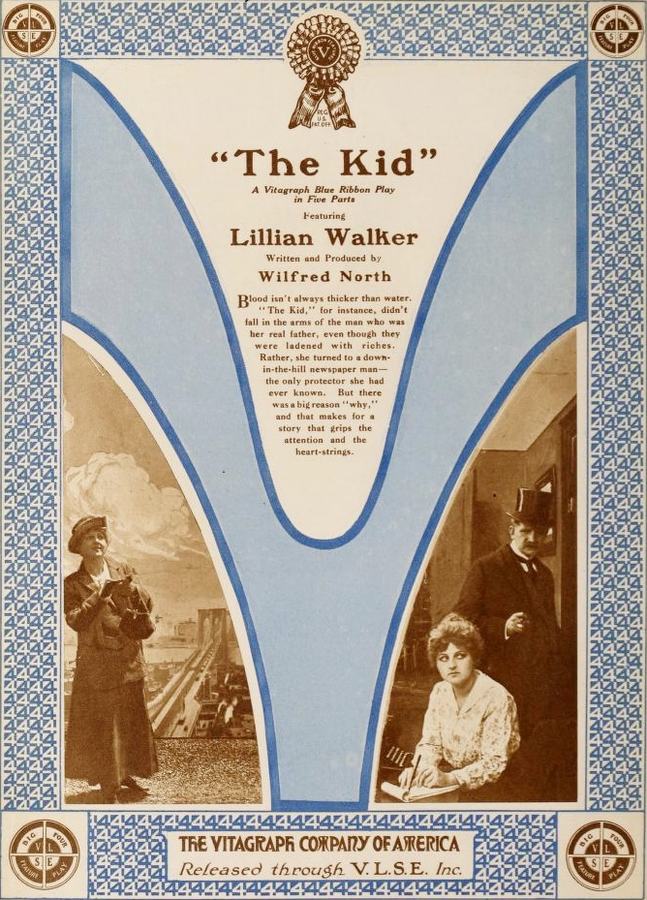
A definitive 7.4/10 rating for a film that redefined the boundaries of cult cinema. The Kid remains a cornerstone of transgressive art.
Stepping back into the nascent days of cinema, one occasionally unearths a gem that, despite its age, resonates with surprising modernity and thematic depth. Wilfrid North's 1916 drama, The Kid, is precisely such a discovery. Far from a mere historical curiosity, this film, crafted in an era of rapid social and technological change, offers a potent blend of thrilling investigative journalism, profound personal drama, and a surprisingly progressive portrayal of female agency. It’s a testament to the storytelling power of the silent film, where nuanced performances and carefully constructed narratives carried the weight of emotion and exposition without a single spoken word.
At its core, The Kid is a narrative about identity, justice, and the often-uncomfortable intertwining of personal history with professional pursuit. We are introduced to the eponymous protagonist, a vibrant seventeen-year-old, brimming with youthful optimism and an unshakeable ambition. Her world is shaped by Joe Hazard, portrayed with a compelling blend of paternal warmth and journalistic gravitas by Robert Gaillard. Joe isn't just a mentor; he's been her sole guardian, having raised her since infancy. This foundational relationship anchors the entire film, providing both a moral compass and an emotional touchstone against the backdrop of a bustling, often ruthless, New York City.
Before the Kid embarks on her career at the prestigious New York Herald – a position secured through Joe’s influence – she receives a revelation that irrevocably alters her perception of her own origins. Joe, with a heavy heart, recounts the tragic tale of her mother, a woman betrayed and abandoned by a man named Dunster. This devastating act led to her mother's untimely death shortly after the Kid's birth, leaving Joe to honor a promise to raise the child. This backstory, delivered with a solemnity that underscores its gravity, isn’t just exposition; it’s a crucial thematic precursor, setting the stage for the moral complexities and personal reckonings that will define the Kid’s journey. It imbues her future endeavors with a deeper resonance, hinting that her pursuit of truth might inadvertently lead her back to the very shadows of her past.
Lillian Walker, in the role of The Kid, delivers a performance that transcends the typical melodramatic flourishes often associated with the silent era. Her portrayal is a delicate balance of youthful exuberance, burgeoning intelligence, and an underlying vulnerability that makes her character deeply empathetic. As she steps into the bustling newsroom, one can almost feel the electric energy of the burgeoning metropolis, a character in itself, promising both unparalleled opportunities and unforeseen dangers. The film expertly uses the urban landscape as a symbol of both progress and moral decay, a common motif in early 20th-century cinema, perhaps echoing the struggles for integrity amidst power seen in films like The Might of Gold, which often explored the corrupting influence of wealth.
The Kid’s first major assignment is a daunting one: to uncover the truth behind an alarming rise in meat prices. This task immediately plunges her into the world of corporate intrigue and potential corruption. It’s here that the film truly showcases her ingenuity and resourcefulness. Spotting Robinson, a prominent cattle owner, she embarks on a clandestine pursuit, demonstrating an almost preternatural instinct for detective work. Her initial attempt to follow him through the crowded city streets is a masterclass in visual storytelling, conveying the chaotic energy of urban life and the ease with which one can disappear within it. This scene, devoid of dialogue, relies on Walker’s expressive movements and the dynamic editing to convey the tension of the chase.
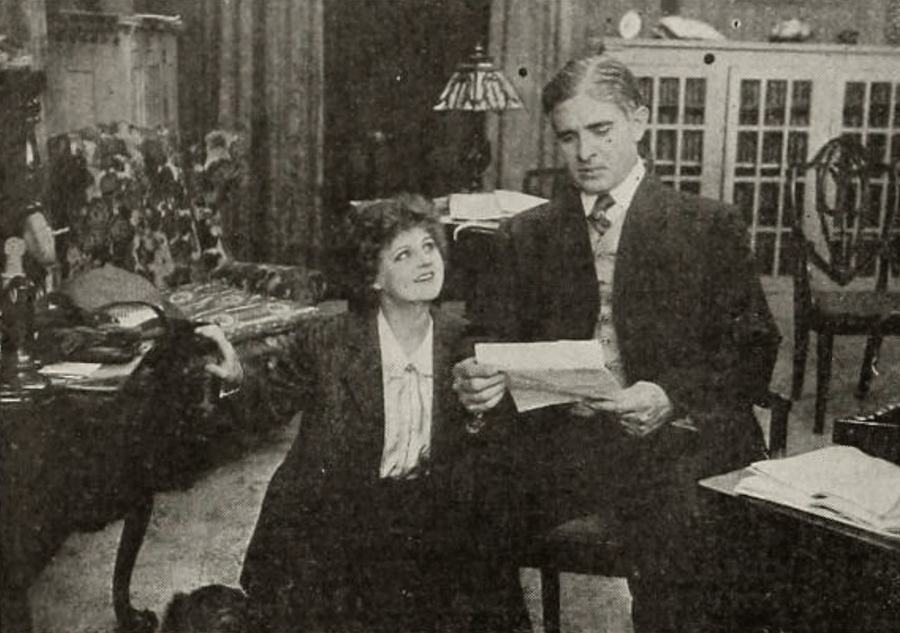
Her subsequent decision to adopt the guise of a bootblack at the very stand where she lost sight of Robinson is a stroke of narrative brilliance. This act of infiltration, a hallmark of investigative journalism, is not only clever but also speaks volumes about her determination and willingness to shed societal expectations. In an era where women were only just beginning to assert their presence in professional fields, the Kid’s proactive and fearless approach to her work is remarkably progressive. It sets her apart as a protagonist whose intelligence and courage drive the plot, rather than her simply being a passive object of circumstance. Her methods, involving disguise and direct engagement with the target, are reminiscent of the bold, often dangerous, lengths to which characters in other suspenseful dramas of the period might go to uncover a truth, much like the intricate deceptions in The Labyrinth or the hidden agendas in Sealed Orders.
The plot thickens considerably with the introduction of a shocking murder: Robinson's wife, a charity worker, is killed in her car. This tragic event elevates the stakes, transforming a corporate investigation into a murder mystery. The Kid, undeterred by the increased danger, manages to secure a position in Robinson's office. This infiltration allows her direct access to crucial documents and conversations, slowly piecing together a mosaic of evidence that points to her employer's involvement not only in the meat market manipulation but, more disturbingly, in his wife's murder. Eulalie Jensen, as a supporting character, likely contributed to the film’s rich tapestry of roles, though details of her specific impact without seeing the film are speculative. However, the collaborative nature of early cinema relied heavily on a strong ensemble to flesh out the narrative's emotional and dramatic beats, with actors like Ned Finley and Kate Price rounding out the cast.
The film employs a classic narrative device of hidden surveillance when the Kid arranges for detectives to hide in Robinson's office. This scene, pregnant with tension, serves as a pivotal turning point. Instead of confirming Robinson's guilt in the murder, the overheard conversation implicates Hidalgo, Robinson's manager, as the true killer. This twist is expertly handled, shifting the audience's perception and adding another layer of complexity to the already intricate plot. Hidalgo's swift apprehension provides a temporary sense of resolution for the murder, allowing the Kid to focus on her initial mandate: the corporate malfeasance. The script, penned by Wilfrid North, demonstrates a remarkable ability to weave together multiple plot threads, keeping the audience engaged through a series of revelations and reversals.
The climax of The Kid arrives with breathtaking emotional force. Having secured a warrant for Robinson's arrest concerning the meat market scandal, the Kid is poised for a professional triumph. However, fate, or perhaps dramatic necessity, intervenes. Joe Hazard, recognizing Robinson, delivers the film's most devastating personal blow: Robinson is, in fact, Dunster, the man who betrayed her mother, and thus, her biological father. This revelation is a masterstroke of dramatic irony, forcing the protagonist to confront the very source of her familial pain in the guise of her professional adversary. Robert Gaillard’s reaction as Joe, conveying the immense weight of this truth, would have been a powerful moment in a silent film, relying solely on facial expression and body language to communicate profound shock and sorrow.
The ensuing confrontation between the Kid and Dunster (Robinson) is fraught with a moral and emotional dilemma that elevates the film beyond a simple crime drama. Dunster, now aware of his daughter's identity, begs for leniency, a stark reversal of fortune for the powerful magnate. The Kid is faced with an agonizing choice: uphold the law and see her biological father imprisoned, or extend mercy to a man who, despite his past transgressions, is now a humbled figure. Her decision to secure his freedom, while perhaps surprising, speaks to a complex understanding of justice that transcends mere retribution. It suggests a maturity that allows for compassion, even for those who have caused immense suffering. This kind of nuanced moral struggle, where personal loyalties clash with broader ethical imperatives, is a recurring theme in compelling dramas of any era, perhaps even explored in a different light in Divorced, where personal choices have far-reaching societal impacts.
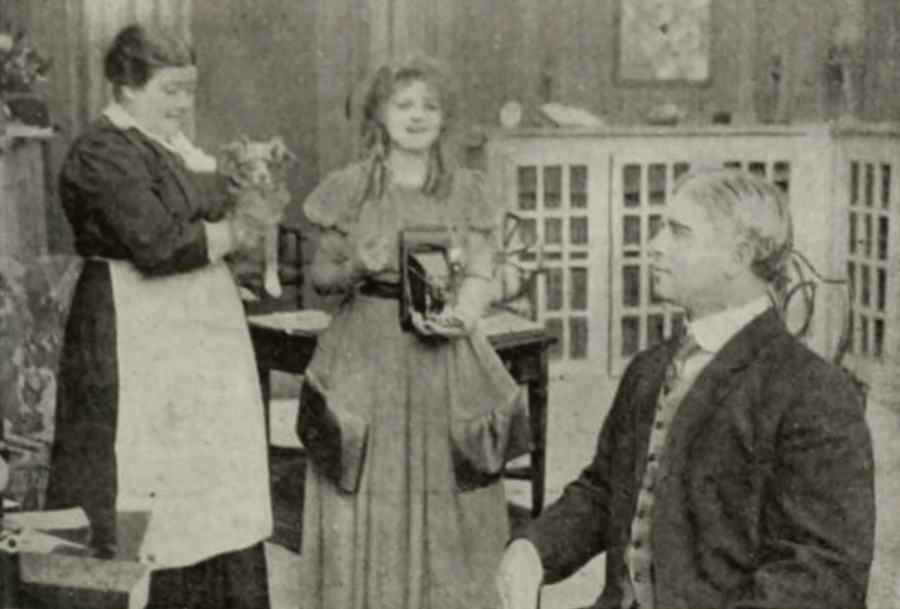
The film culminates not with a resolution of blood ties, but with a powerful reaffirmation of chosen family. When Dunster comes to claim a daughter’s love, expecting a reconciliation, the Kid turns away from him, her gaze fixed instead on Joe Hazard. This final, poignant gesture underscores the film's central message: true fatherhood is not defined by biology, but by nurture, love, and unwavering support. Joe, who had been her 'Daddy' for all these years, is the one who truly earned her affection and loyalty. This emotional conclusion resonates deeply, emphasizing the strength of bonds forged through care and sacrifice over those of mere lineage. It's a powerful statement about the nature of family, a theme that remains timeless and universal.
The Kid, as a work of early cinematic art, is more than just a suspenseful drama. It’s a fascinating window into the social anxieties and progressive ideals of its time. The portrayal of a young, intelligent woman excelling in a male-dominated profession, using her wits and courage to expose corruption, was undoubtedly inspiring for contemporary audiences. Lillian Walker’s performance imbues the Kid with a pioneering spirit, making her a formidable figure whose investigative prowess rivals, if not surpasses, that of her male counterparts. This film, for its period, offers a compelling vision of female empowerment, illustrating that a woman's intellect and determination were potent forces capable of shaping public discourse and uncovering uncomfortable truths.
Wilfrid North, as both writer and director, crafted a narrative that is both intricate and emotionally resonant. The pacing of the film, characteristic of the silent era, relies on visual cues, intertitles, and the expressive acting styles to propel the story forward. The use of disguise, the dramatic reveals, and the moral quandaries all contribute to a film that, even a century later, holds its audience captive. It’s a testament to the foundational storytelling techniques that were being developed in the early 20th century, laying the groundwork for the complex narratives we see in cinema today.
Comparing The Kid to other films of its era highlights its unique strengths. While films like His Vindication might explore themes of personal redemption, The Kid combines this with a robust investigative plot. The element of a young woman's journey into a challenging world also finds distant echoes in the independent spirit depicted in dramas like Runaway June, though the contexts are vastly different. The film's exploration of corporate greed and its impact on the common citizen, through the meat price scandal, reflects a broader societal concern about industrial monopolies and ethical business practices, a theme that continues to be relevant in contemporary cinema. The dramatic revelation of Dunster's true identity and the subsequent moral dilemma for The Kid also resonates with the profound personal choices and consequences seen in a film like Der Eid des Stephan Huller, where an individual's past undeniably shapes their present and future.
In conclusion, The Kid is a remarkably rich and engaging film that deserves renewed attention. It’s a powerful story of courage, betrayal, and the enduring strength of familial bonds that transcend blood. The performances, particularly from Lillian Walker and Robert Gaillard, are compelling, and Wilfrid North's direction ensures a taut, emotionally charged narrative. It stands as a testament to the early capabilities of cinema to not only entertain but also to explore complex social issues and profound human emotions with depth and sophistication. For any enthusiast of early cinema or those curious about the roots of the investigative drama genre, The Kid offers an insightful and thoroughly rewarding viewing experience.
IMDb 6.6
1929
Community
Log in to comment.