DbcultAccessing Vault...
Cult Review
Senior Film Conservator
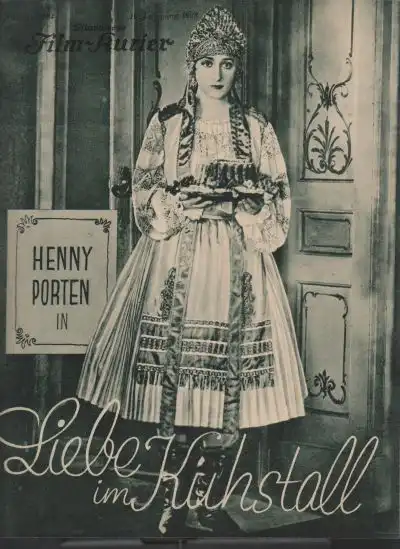
So, Liebe im Kuhstall. Is it worth digging up today? Probably yes, if you’re into really, *really* old films, especially those gentle, slightly awkward comedies from a bygone era.
You’ll probably enjoy it if you appreciate seeing a different kind of storytelling, something quiet and unassuming. But if you need fast pacing, big laughs, or anything remotely modern, then nope. You’ll be bored stiff, probably wondering what the big deal was about a movie with, well, a cow shed in the title. 🤷♀️
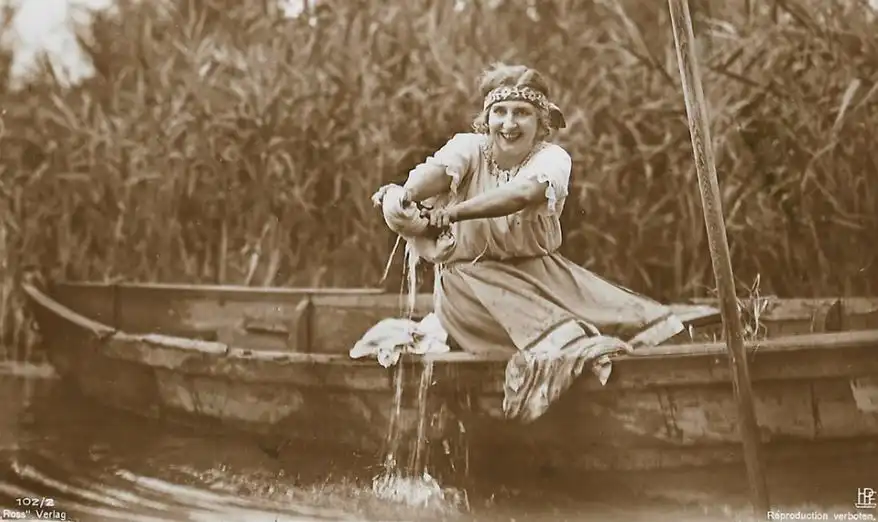
The whole thing, as you might guess from the name, unfolds largely around a farm. It's got that immediate charm of rural life, even if some of it feels a bit… staged.
There’s a certain simplicity to it all, a quietness you just don’t get anymore.
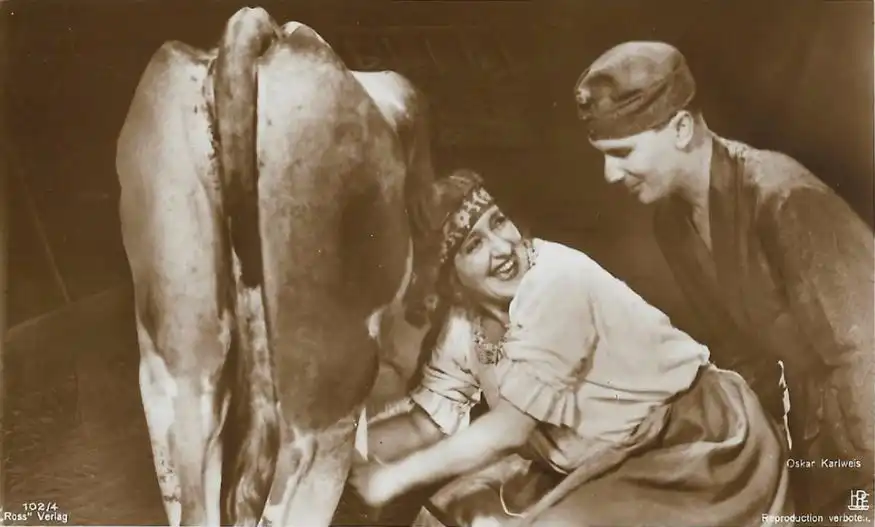
Henny Porten, she’s really the anchor here. Her character just has this natural grace, even when she’s covered in straw or looking exasperated at some farm animal.
You believe her, especially in that scene where she’s trying to milk a cow, and the cow just keeps turning its head. It’s a small bit, but her reaction felt *so real* there.
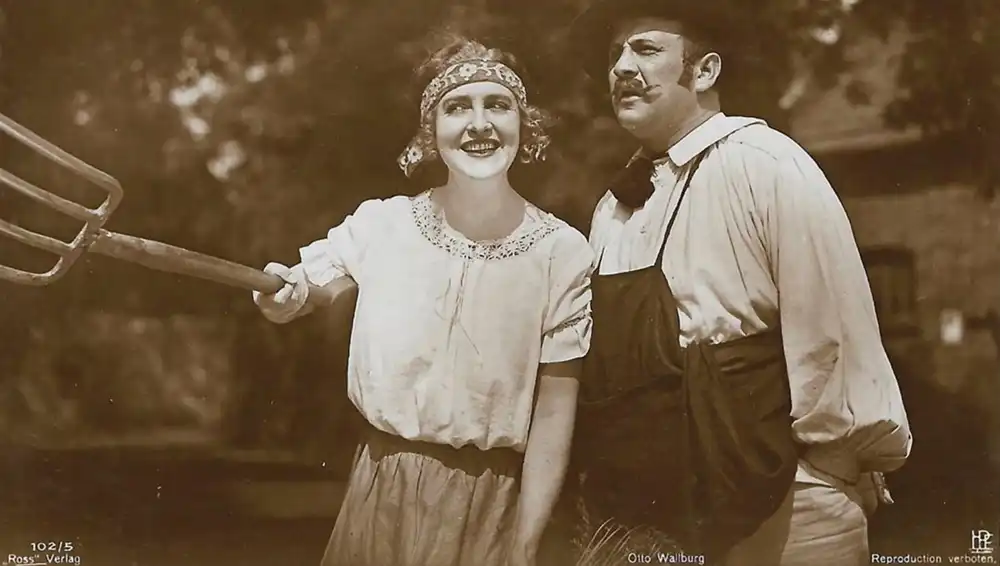
Then you have Otto Wallburg. He’s often the source of the film’s broadest humor.
His face, it’s a whole comedy show on its own. There’s a scene where he’s trying to impress someone, maybe a city visitor, by pretending to be good at farming. He ends up slipping in, you guessed it, cow dung. The way he tries to recover, looking all dignified while completely covered, it’s a classic bit. 👀
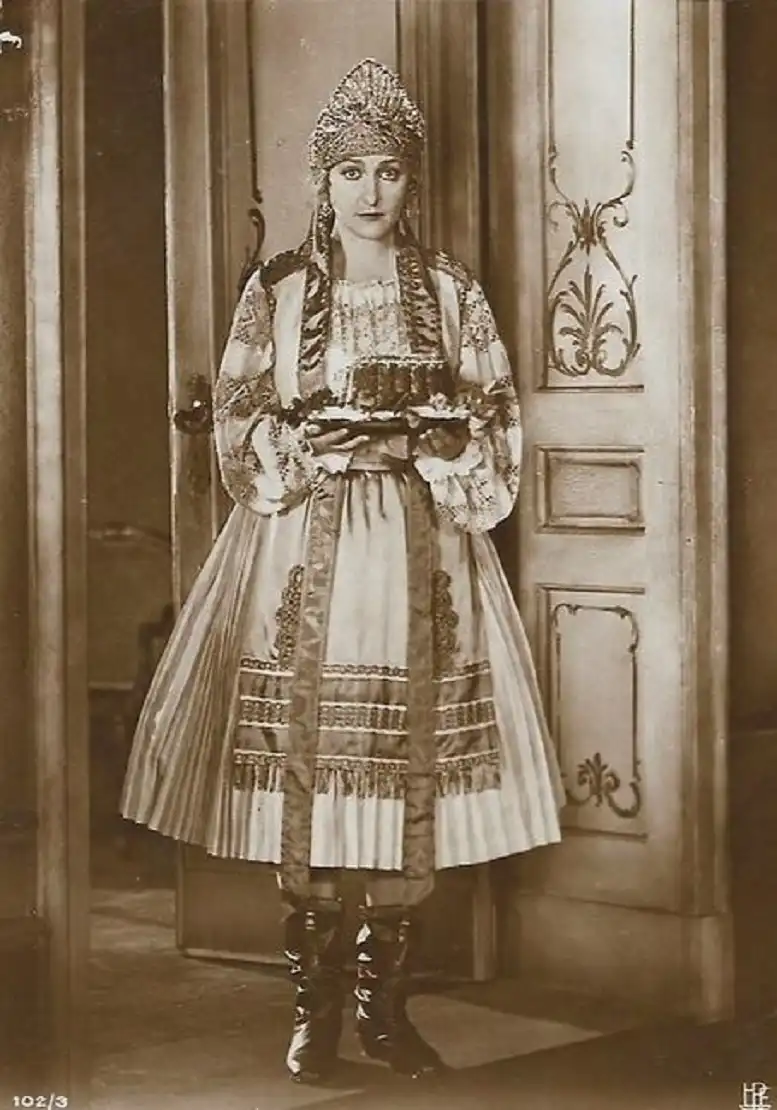
The romance itself, it’s not exactly fiery. More like a slow burn, a very, *very* slow burn.
It’s about glances, little gestures, a shared laugh over a clumsy moment. The film takes its sweet time, letting these small connections build up. Sometimes, you wish it would hurry along, but then you realize that’s kind of the point.
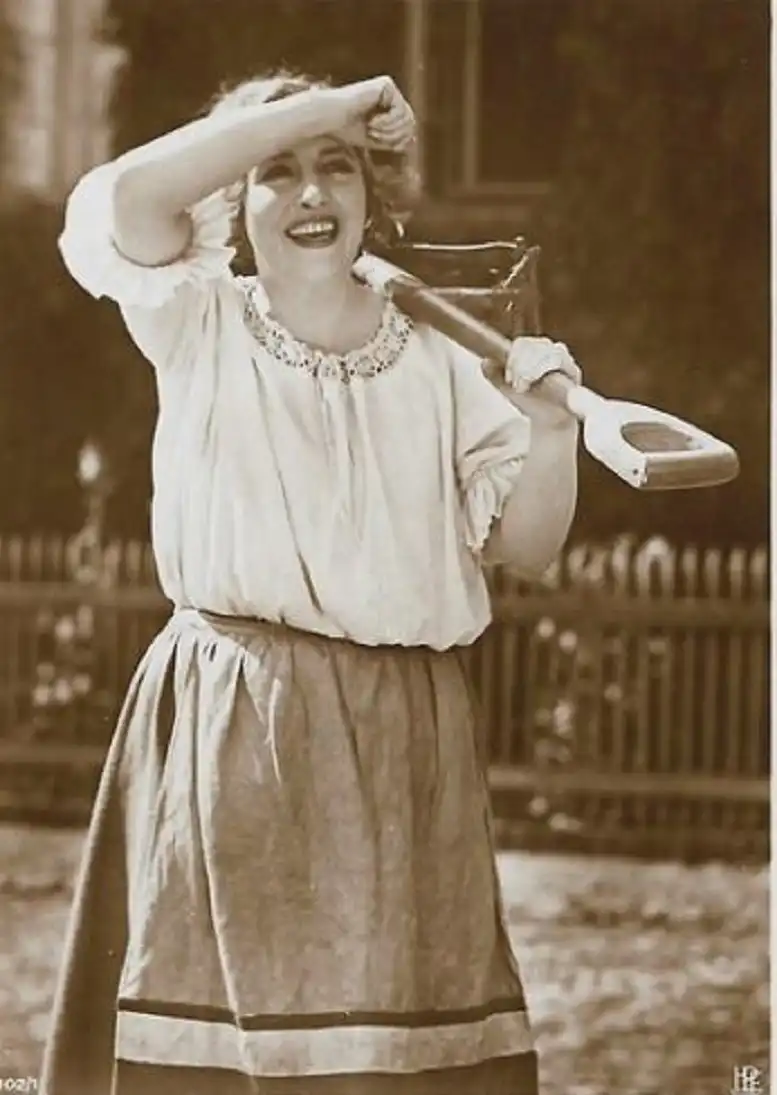
I found myself focusing on the background sometimes. The way the light hits the dusty beams in the barn, or the sound of the cow bells. They linger.
It’s clear someone really wanted to capture that atmosphere. It’s not about grand sweeping shots, but rather these intimate, almost mundane details.
There’s a part where the camera just sits on a pair of boots outside a farmhouse door for a surprisingly long time. You almost forget what’s happening in the plot.
It feels like a little pause, a breath. Maybe it was an editing error, maybe intentional, but it makes you notice the small things.
And Felix Bressart, even in his smaller role, he brings this wonderfully understated awkwardness. He’s often just *there*, observing.
There’s one scene where he’s polishing an apple, listening to a conversation, and he just keeps polishing. It's a nice little human touch. He doesn’t need lines to tell you he’s taking it all in.
The film doesn't try to be anything profound. It’s not Womanhood, the Glory of the Nation, you know? It’s just a simple story about
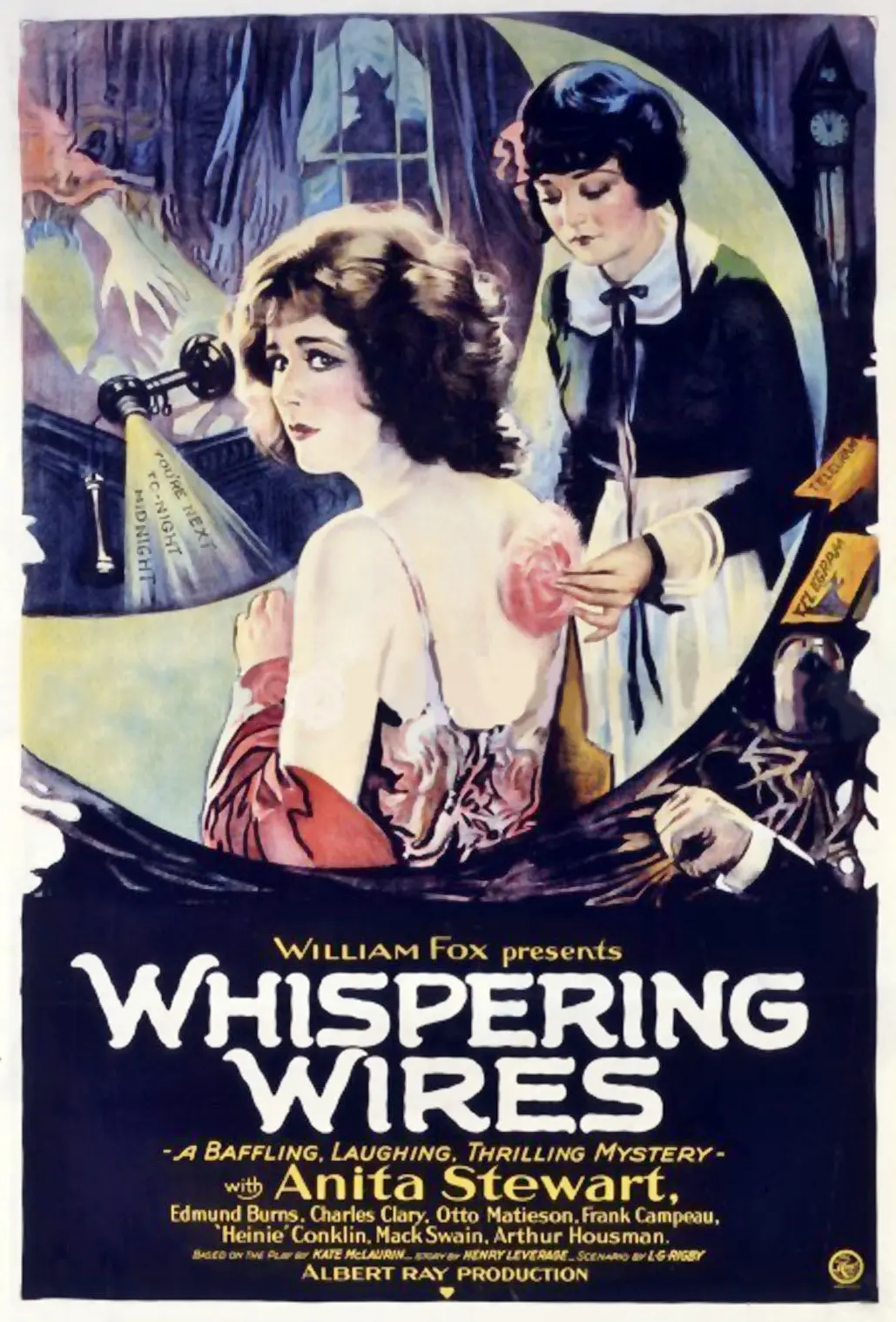
IMDb 7
1926
Community
Log in to comment.