DbcultAccessing Vault...
Cult Review
Senior Film Conservator
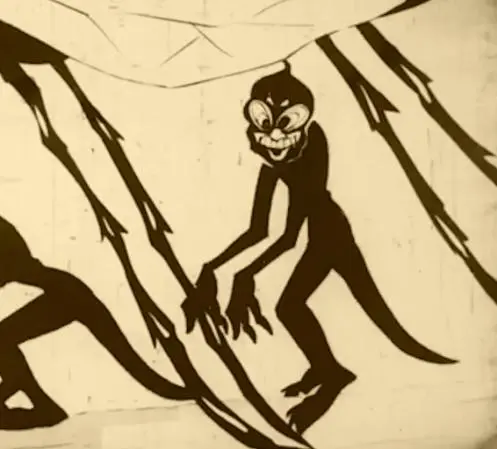
Giro the Germ is not a movie you watch for entertainment; it is a film you watch to understand how terrified the early 20th century was of things they couldn't see. If you are looking for a cohesive narrative or a spark of cinematic genius, look elsewhere. This is a blunt, repetitive, and unintentionally creepy piece of instructional propaganda that treats its audience like children who have never seen a bar of soap. It is worth watching only if you have a high tolerance for the bizarre or a professional interest in the history of public health messaging.
The short answer is no, unless you are an archival completist. Most viewers will find the repetitive dancing and the lack of a traditional plot boring within three minutes. However, for those who find the aesthetics of early 20th-century costume design fascinating, there is a certain grotesque charm here. It is a film for historians and fans of the uncanny, not for anyone seeking a casual movie night.
This film works because: It uses physical performance to illustrate a concept that is difficult to visualize without modern technology. The costumes are memorable, if only because they look like something out of a low-budget nightmare.
This film fails because: It has zero variety. Once you have seen the germs dance for sixty seconds, you have seen everything the film has to offer. The pacing is non-existent, and the message is delivered with the subtlety of a sledgehammer.
You should watch it if: You enjoy the surreal quality of early silent shorts or you want to see how the 1920s tried to gamify hygiene.
There is something deeply unsettling about the way Giro and his cohorts move. The performers are encased in what look like oversized, lumpy potato sacks, intended to represent bacteria. They hop, they twitch, and they engage in a sort of rhythmic flailing that was likely meant to be whimsical but ends up feeling predatory. Compared to the structured comedy of The Crackerjack, the movement in Giro the Germ is chaotic and purposeless.
The film relies entirely on this visual metaphor. There are no sets to speak of, and the camera remains static, staring at the performers with a cold, unblinking eye. This lack of dynamic cinematography makes the experience feel claustrophobic. You are trapped in a void with these dancing infections. While films like Innocence used the camera to tell a story, this short uses it as a mere recording device for a stage act that probably went on too long even in person.
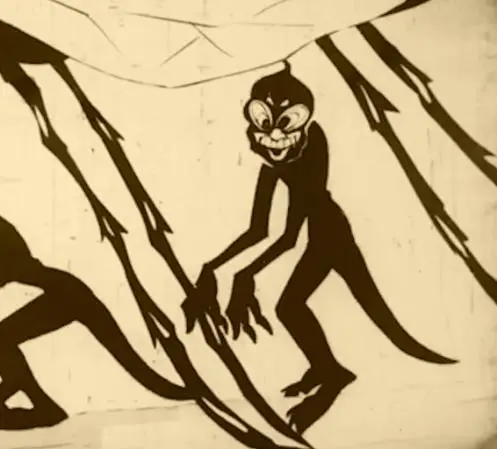
The biggest problem with Giro the Germ is that it refuses to be a movie. It is a lecture. Every movement is designed to scream 'wash your hands' or 'cover your mouth.' While this was a noble goal in an era of rampant infectious disease, it makes for incredibly stiff viewing today. There is no subtext. There is no character development. Giro isn't a character; he is a symptom with legs.
I would argue that the film actually fails its primary mission by making the germs too silly. If the goal was to instill a healthy fear of disease, making the pathogens look like dancing marshmallows seems counterproductive. It lacks the dramatic weight found in other shorts of the era, such as The Broken Violin, which managed to convey a message through actual human stakes. Here, the stakes are purely theoretical, and the presentation is purely absurd.
The editing is primitive, even for its time. Transitions are jarring or non-existent. We move from one group of dancing germs to another with no sense of progression. It feels like a series of outtakes from a much longer, even more tedious project. The lighting is flat, washing out the textures of the costumes and making the whole production look like it was filmed in a basement. Unlike the visual ambition of Turbina No 3, there is no attempt here to use the medium to its full potential.
One could argue that the simplicity is the point—that it needed to be clear for a general audience. But clarity doesn't have to mean boredom. The film lacks the wit of contemporary animations or the physical comedy of the great silent clowns. It sits in a middle ground of 'educational' content that is too weird to be taken seriously and too dull to be enjoyed as camp.
Pros:
• Short runtime means the agony is over quickly.
• Provides a fascinating look at early 20th-century social engineering.
• The costumes are a genuine curiosity of early special effects.
Cons:
• Zero narrative structure.
• The "dancing" is just erratic jumping.
• Visually drab and technically uninspired.
Giro the Germ is a historical footnote that probably should have stayed in the archives. It isn't 'so bad it's good'; it's just 'so weird it's confusing.' While it offers a minor look at the history of public health, as a piece of cinema, it is a failure. It is repetitive, visually uninteresting, and lacks any real creative spark. Watch it once if you must, but don't expect to remember anything about it other than the vague, lingering feeling that you need to go wash your hands.

IMDb —
1935
Community
Log in to comment.