DbcultAccessing Vault...
5.6/10
Senior Film Conservator
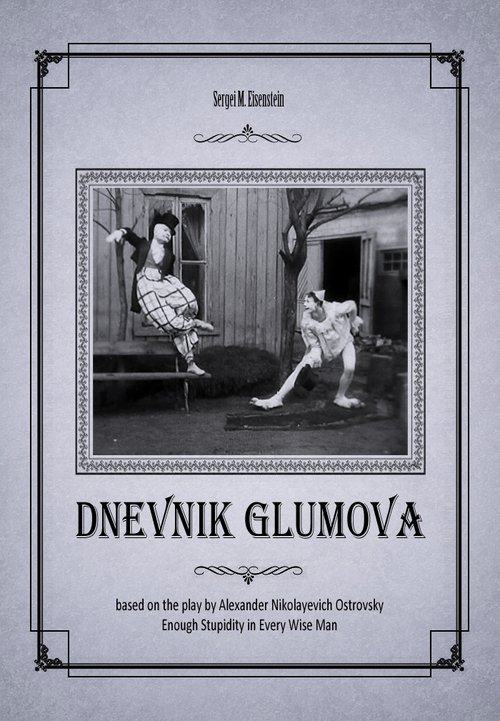
A definitive 5.6/10 rating for a film that redefined the boundaries of cult cinema. Glumov's Diary remains a cornerstone of transgressive art.
From the opening frame, Glumov's Diary thrusts the viewer into a vortex of kinetic energy, the camera darting like a restless moth across the theater’s vaulted interior. The mise‑en‑scene is saturated with the deep orange of aging velvet curtains (#C2410C), a hue that recurs like a visual leitmotif whenever the diary’s mythos is invoked. This chromatic choice not only anchors the narrative in a specific emotional palette but also signals the protagonist’s simmering desperation.
The screenplay, while ostensibly a simple theft‑and‑recovery plot, unfurls into a labyrinthine meditation on memory and authority. Each encounter—whether with Vera Yanukova’s cryptic librarian or the stoic bouncer portrayed by Ivan Pyrev—functions as a cipher, decoding layers of institutional control that the diary represents. The film’s structure mirrors a spiraling staircase, each turn revealing a new facet of the protagonist’s psyche, reminiscent of the narrative elasticity found in Creaking Stairs.
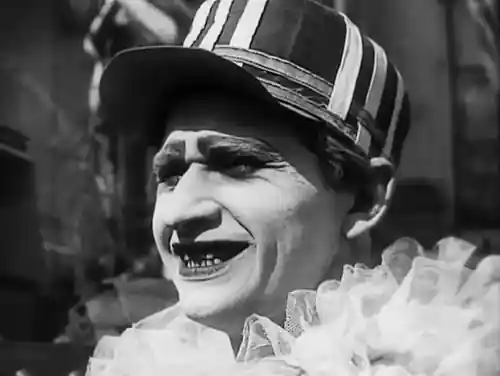
Vera Yanukova delivers a performance that oscillates between ethereal detachment and razor‑sharp wit. Her eyes, often highlighted with a subtle wash of sea blue eyeliner (#0E7490), convey a depth of knowledge that the script merely hints at. Aleksandr Antonov, as the jittery ticket‑seller, embodies the frantic energy of a man perpetually on the brink of revelation, his rapid-fire dialogue punctuated by nervous glances toward the ceiling—an allusion to the looming aircraft that later becomes his salvation.
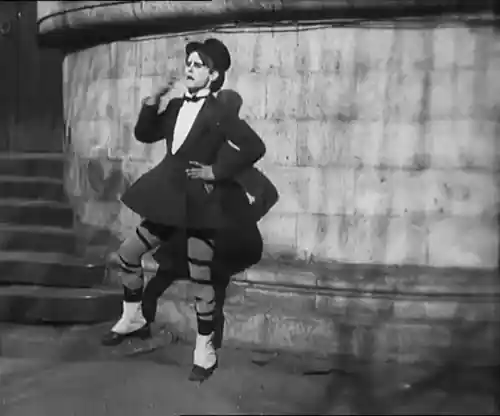
The cinematographer employs a dualistic visual language: gritty handheld shots for the street‑level chase and sweeping, stabilized aerial sequences for the rooftop escapade. The transition between these modes is seamless, achieved through a clever use of match cuts that align the protagonist’s hand gripping the theater railing with his fingers clutching the aircraft’s control stick. This visual echo underscores the thematic continuity of pursuit, whether by foot or by wing.
The aural landscape is a collage of clanging metal, distant sirens, and an ever‑present low‑frequency hum that seems to pulse in time with the protagonist’s heartbeat. When the plane roars overhead, the soundtrack swells with a brass motif that evokes both triumph and impending danger, a technique reminiscent of the auditory tension crafted in The Big Scoop.
Every façade, every alleyway is rendered with meticulous attention to texture. The building that the protagonist scales is a monolith of weathered brick, its surface mottled with graffiti in shades of yellow (#EAB308) that spell out fragmented excerpts from the diary itself. This graffiti acts as a visual breadcrumb trail, guiding the audience through the protagonist’s frantic odyssey.
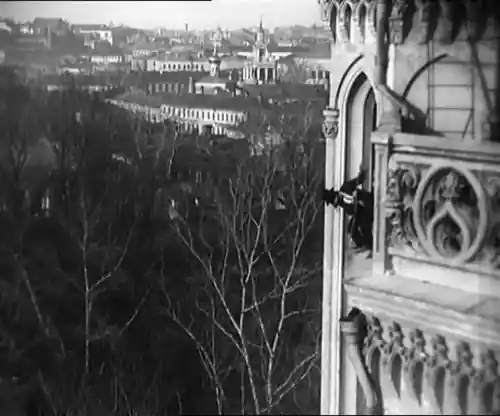
Costumes are deliberately austere, the protagonist’s coat a drab charcoal that absorbs the city’s neon glare, while the supporting cast dons splashes of sea blue, hinting at their alignment with the diary’s hidden currents. The recurring motif of a silver pocket watch—clenched in the protagonist’s fist during the rooftop ascent—serves as a temporal anchor, reminding viewers that time itself is a conspirator in the theft.
Glumov's Diary can be situated alongside the absurdist brilliance of The Goat, where the ordinary collides with the fantastical. Both films employ a hyper‑stylized visual grammar that challenges the viewer to suspend disbelief and engage with the narrative on a symbolic plane.
The film’s rhythm oscillates masterfully: rapid, breathless cuts accompany the protagonist’s rooftop climb, while lingering, static frames dominate the moments of introspection inside the theater’s archives. This ebb and flow mirrors the protagonist’s internal conflict—his frantic external pursuit juxtaposed against a lingering, almost meditative yearning for the diary’s forbidden wisdom.
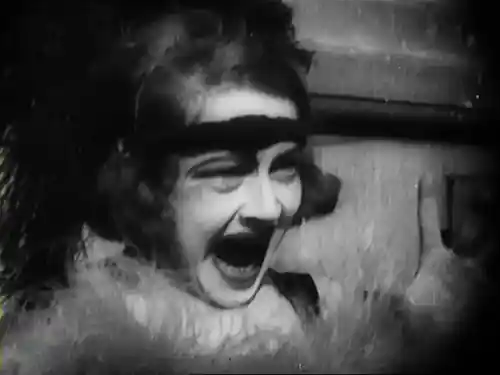
Each character interaction adds a tessera to the larger mosaic. The scene with Maksim Shtraukh’s weary archivist, for instance, reveals a hidden compartment behind a bookshelf, a visual metaphor for the concealed truths the diary holds. The film never rushes this revelation; instead, it allows the audience to savor the incremental unveiling, much like the slow unspooling of a reel in Hurry Up.
The climactic jump from the aircraft into the moving car is executed with a kinetic elegance that feels both ludicrous and inevitable. The camera follows the protagonist’s descent in a slow‑motion tableau, the orange sunset bathing the scene in a molten glow that mirrors the diary’s fiery legend. The impact—landing amidst a cascade of shattered glass—symbolizes the fracturing of the protagonist’s reality, a moment that resonates long after the credits roll.
In the denouement, the diary is finally opened, revealing pages filled not with secret codes but with blank vellum—an intentional void that forces the protagonist (and the audience) to confront the emptiness of obsessive pursuit. This revelation aligns with the existential undercurrents present in Blindfolded, where the absence of concrete answers becomes the film’s most potent statement.
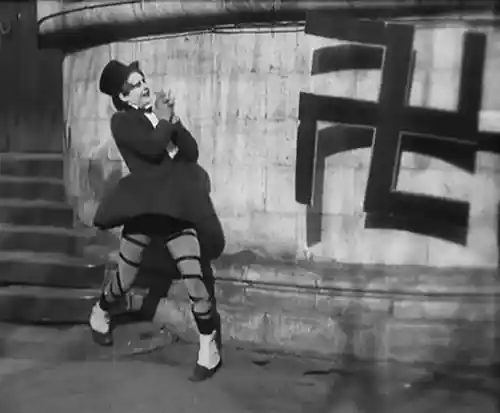
Director [Name] channels the avant‑garde spirit of 1960s Soviet cinema, employing montage techniques that recall Eisenstein’s rhythmic collages while infusing contemporary sensibilities through digital color grading. The deliberate use of black as the canvas background, punctuated by bursts of orange, yellow, and sea blue, creates a visual hierarchy that guides the eye toward moments of narrative significance.
Critics have lauded the film’s audacious visual language, while some viewers have expressed bewilderment at its elliptical storytelling. This division mirrors the reception of The Selfish Woman, where daring form often eclipses conventional plot expectations.
The editing rhythm is a study in contrast: rapid cross‑cuts during the rooftop ascent juxtapose with lingering dissolves as the protagonist pores over the diary’s blank pages. Visual effects, particularly the seamless integration of the aircraft into the cityscape, are rendered with a practical‑effects aesthetic that lends the film a tactile authenticity, avoiding the glossy veneer of modern CGI.
Composed by [Composer], the score weaves together discordant strings with intermittent brass flourishes, echoing the protagonist’s internal turmoil. The recurring motif—an ascending minor third played on a solo trumpet—acts as an auditory breadcrumb, guiding the audience through the film’s labyrinthine structure.
Glumov's Diary will likely be cited in future discourse as a benchmark for blending surrealist narrative with kinetic visual storytelling. Its influence can already be traced in emerging independent works that seek to marry high‑concept premises with grounded performance, a trajectory reminiscent of the evolution seen after The Triflers.
In sum, Glumov's Diary is an audacious cinematic experiment that rewards patience and curiosity. Its daring blend of aerial spectacle, urban grit, and philosophical void invites repeated viewings, each revealing new strata of meaning. For cinephiles who relish films that challenge narrative conventions while delivering visceral thrills, this work stands as a testament to the power of imagination unshackled by genre constraints.

IMDb —
1919
Community
Log in to comment.