DbcultAccessing Vault...
Cult Review
Senior Film Conservator
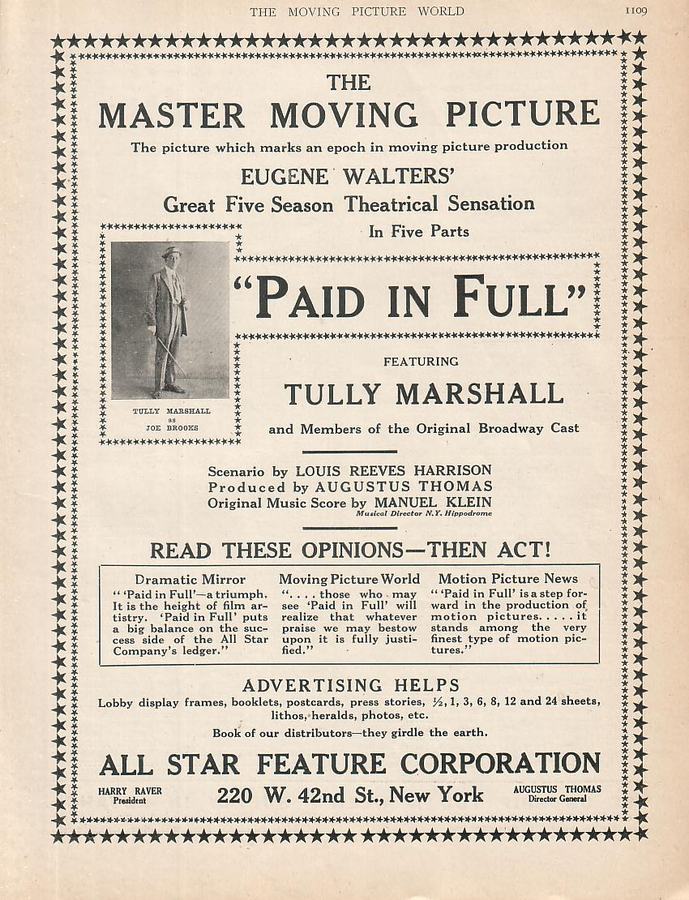
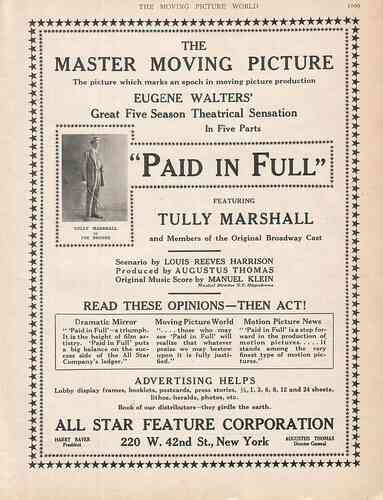
In the pantheon of early American cinema, few works manage to distill the pungent essence of class resentment as effectively as the 1914 adaptation of Paid in Full. While many films of the era were content to lean on the visual spectacle of historical epics—think of the sweeping, albeit different, grandiosity found in Joseph in the Land of Egypt—this production, directed by Augustus Thomas, focuses its lens inward. It is a domestic tragedy that feels startlingly modern in its cynicism. The narrative doesn't just ask what a man will do for money; it asks what he will force those he loves to do for his own survival. This is not the whimsical world of The Firefly; it is a gritty, unvarnished look at the psychological wreckage of the urban middle class.
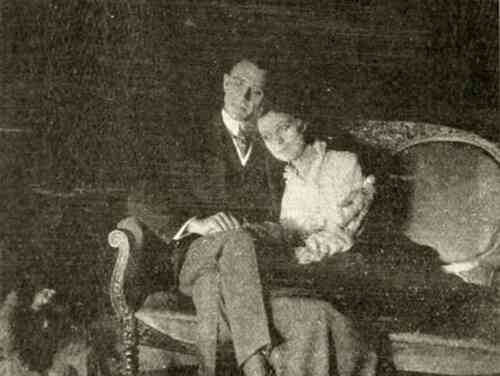
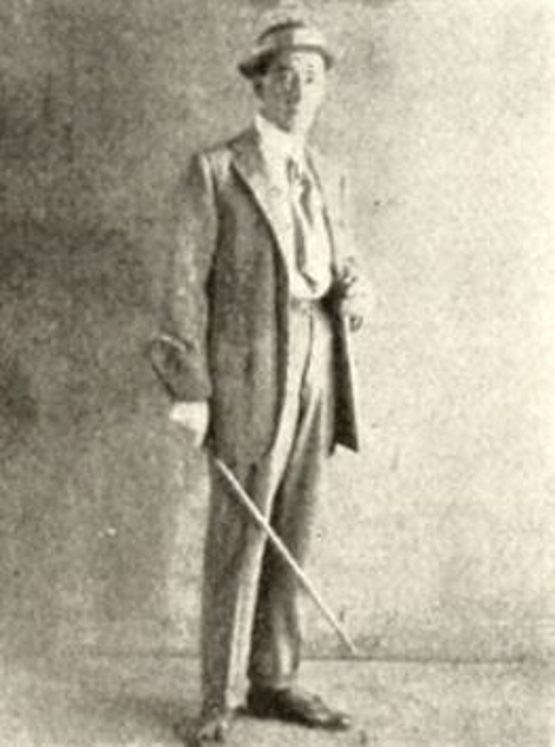
The casting is nothing short of inspired. Tully Marshall, an actor whose face seemed etched with the very anxieties of the early 20th century, portrays Joe Brooks with a frantic, jittery energy that makes the viewer’s skin crawl. Marshall avoids the pantomime excess typical of 1914, opting instead for a performance grounded in a very real, very pathetic sense of entitlement. His Brooks is a man who believes the world owes him a higher station, and when he steals to achieve it, he lacks the fortitude to face the consequences. This is a far cry from the more noble archetypes seen in Cameo Kirby, where honor is the currency of the realm.
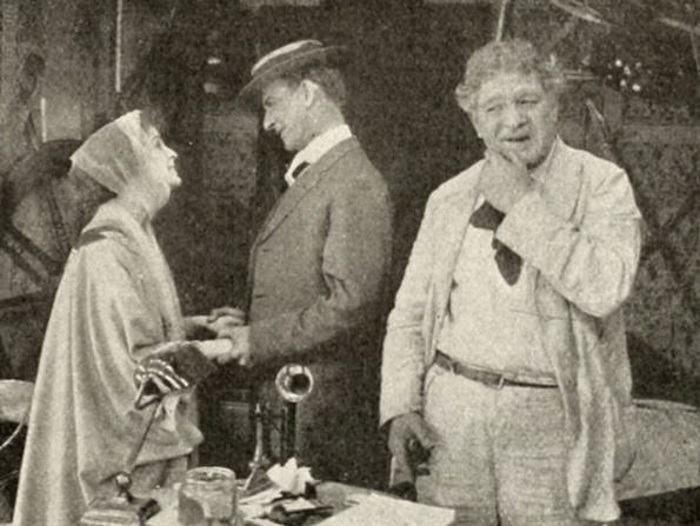
Conversely, Winifred Kingston brings a quiet, stoic dignity to Emma. Her performance serves as the film's moral anchor. As she navigates her husband's descent into depravity, Kingston conveys a sense of betrayal that is palpable even without the benefit of sound. The scene in which Joe suggests she visit Captain Williams to 'negotiate' his freedom is one of the most chilling moments in silent cinema. It echoes the tragic entrapment of female protagonists in European works like Manon Lescaut, yet it feels uniquely American in its focus on the transactional nature of marriage and social standing.
Perhaps the most fascinating element of Paid in Full is the character of Captain Williams, played with a gruff, weathered authority by Riley Hatch. In a standard melodrama, the Captain would be the predatory villain, a man using his power to exploit a vulnerable woman. However, Eugene Walter’s script—and this cinematic realization—subverts those expectations entirely. Williams is the only character who truly respects Emma. His ultimate refusal to partake in the 'bargain' Joe Brooks proposed is a scathing indictment of the husband’s character. It is a narrative twist that offers a more complex view of masculinity than the swashbuckling heroics of The Midnight Wedding.
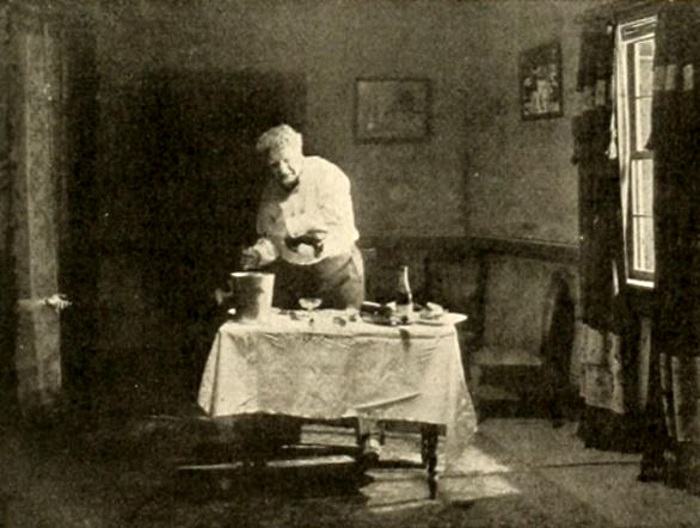
Visually, the film utilizes interior spaces to create a sense of mounting pressure. The Brooks apartment is not merely a setting; it is a cage. The cinematography, while constrained by the technology of 1914, manages to capture the claustrophobia of their existence. When compared to the outdoor expanses of Australia Calls or the rugged terrain of The Boundary Rider, the static, heavy compositions of Paid in Full serve a specific thematic purpose. They reflect the stagnant social mobility that Joe so desperately—and destructively—tries to overcome.
The film also exhibits a sophisticated understanding of pacing. The tension builds not through action, but through the escalating psychological stakes. This approach mirrors the investigative rigor of Where Is Coletti?, though the mystery here is not 'who did it,' but rather 'how low will they go?' The directorial choice to linger on the faces of the actors during moments of moral crisis allows the audience to witness the internal rot of Joe Brooks in real-time.
To understand the impact of Paid in Full, one must look at how it diverged from the prevailing trends of 1914. While The Child of Paris was exploring the sentimental depths of childhood innocence, this film was plunging into the murky waters of adult infidelity and ethical bankruptcy. It shares a certain DNA with Der fremde Vogel in its exploration of social outsiders, but it remains more grounded in the harsh realities of the American economic ladder. Even when compared to character-driven pieces like Jack or the Hungarian drama Házasodik az uram, Paid in Full stands out for its sheer lack of sentimentality.
The writing, credited to Eugene Walter and Louis Reeves Harrison, preserves the sharp, acerbic wit of the original play. Walter was known for his 'unpleasant' plays, and this film does not shy away from that reputation. It is a work that challenges the audience, forcing them to confront the possibility that the people we are meant to love are often the ones most capable of destroying us. This theme of emotional betrayal is also reflected in the somber tones of Der Zug des Herzens, yet here it is sharpened by the cold edge of financial ruin.
As the film reaches its climax, the title Paid in Full takes on a multi-layered meaning. It is not just about the money Joe Brooks stole; it is about the heavy price Emma pays for her loyalty and the emotional debt that Joe can never truly settle. The resolution is not a happy one in the traditional sense. There is no easy redemption here. Instead, we are left with a sense of weary resolution, much like the ending of Under the Gaslight, though stripped of that film’s more overt sensationalism.
In the grand scheme of cinematic history, Paid in Full deserves to be remembered as a pioneer of the psychological drama. It proved that cinema could do more than just record movement or tell simple fables; it could dissect the human soul with the precision of a surgeon’s scalpel. While it may not have the technical polish of modern cinema or the sheer scale of a project like Atop of the World in Motion, its emotional resonance remains undiminished. It is a stark, powerful reminder that the most terrifying monsters are often the ones sitting right across from us at the dinner table.

IMDb 8.2
1932
Community
Log in to comment.