DbcultAccessing Vault...
7/10
Senior Film Conservator
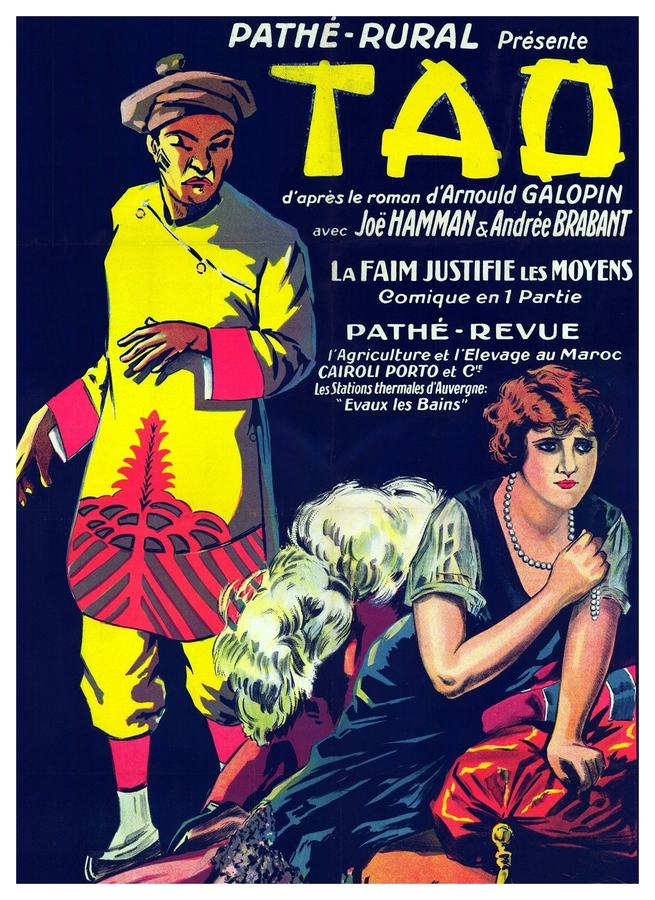
A definitive 7/10 rating for a film that redefined the boundaries of cult cinema. Tao remains a cornerstone of transgressive art.
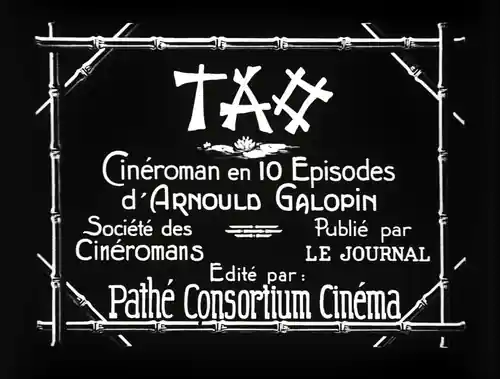
There is a specific, haunting resonance found in the celluloid artifacts of the 1920s, a period when the grammar of cinema was still being written in the ink of shadows and silver. Tao, the 1923 silent epic directed by Gaston Ravel and penned by the formidable duo of Arthur Bernède and Arnould Galopin, stands as a gargantuan example of the 'ciné-roman'—a film designed to be consumed like a serialized novel, dripping with intrigue, exoticism, and a palpable sense of atmospheric dread. Unlike the more domestic tensions found in Just for Tonight, Tao ventures into the heart of French Indochina, leveraging the landscape not merely as a backdrop, but as a psychological participant in the unfolding drama.
At the center of this labyrinthine plot is the titular character, Tao, portrayed with a sinister, serpentine grace by Tony Lekain. Tao is a man caught between worlds, a mixed-race figure who weaponizes his identity to manipulate both the colonial occupiers and the indigenous populace. His transformation into the Spirit of Evil via a dragon-head mask is a masterstroke of pulp iconography. It taps into a primal fear, a visual manifestation of the 'uncanny' that would feel right at home in the suspenseful corridors of The Greek Interpreter. The mask isn't just a disguise; it is a semiotic tool that allows Tao to transcend the mundane limitations of a common criminal, granting him a quasi-supernatural authority over the superstitious.
One cannot help but admire how Bernède and Galopin—architects of the French thriller—construct Tao’s misdeeds. He is not merely seeking wealth; he is seeking the keys to the future: the oil field plans. This shift from traditional pirate booty to industrial resources marks the film as a precursor to the modern techno-thriller. While The Shadows of a Great City explored the urban decay and the moral rot of the metropole, Tao projects these anxieties onto the frontier, where the law is thin and the shadows are long.
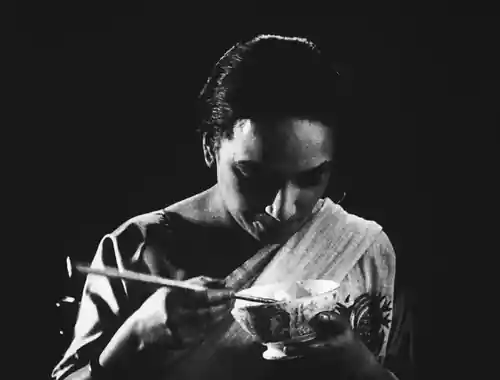
Contrasting Tao’s calculated villainy is Soun, played with a luminous vulnerability by Andrée Brabant. The narrative engine is fueled by her possession of the oil plans, a legacy bestowed upon her by an old monk. This element of the 'sacred trust' elevates the film above a mere colonial adventure. Soun represents the soul of the region—threatened by Tao’s internal betrayal and protected by Jacques Chauvry’s external order. The chemistry, or perhaps the ideological friction, between Soun and Chauvry provides the film with its emotional core. Unlike the melodramatic heights of Sua figlia!, the stakes here are geopolitical as much as they are personal.
The cinematography captures the Laotian setting with a mixture of documentary-style realism and expressionistic flourishes. The way the light filters through the dense canopy, creating a dappled effect that hides and reveals the dragon-headed Tao, is a testament to Ravel’s visual sophistication. There is a sequence involving a confrontation in a hidden temple that rivals the tension found in The Edge of the Abyss, utilizing the silence of the medium to amplify the physiological response of the audience. Every gesture, every widened eye, carries the weight of a spoken paragraph.
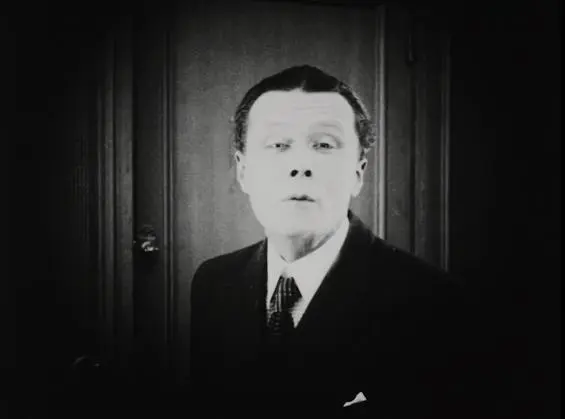
The ensemble cast is a fascinating cross-section of early 20th-century talent. Aïcha, a performer of North African descent who became a muse for many Parisian artists, brings a grounded presence to the screen that contrasts with the more stylized acting of the European leads. Then there is André Deed, known primarily for his slapstick 'Cretinetti' persona. Seeing him in a production of this gravity is akin to finding a hidden depth in a familiar face, much like the tonal shifts one might experience in Newman Laugh-O-Grams, though obviously far more dramatic. Joë Hamman, the king of the French Western, brings an athletic dynamism to the role of an accomplice, reminding us that the 'Eastern' and 'Western' genres often shared the same DNA of rugged individualism and frontier justice.
The pacing of Tao is deliberate, almost hypnotic. It doesn't rush to its conclusions. Instead, it allows the viewer to marinate in the atmosphere of the Orient as imagined by the French avant-garde. It shares a certain rhythmic DNA with Kærlighedsvalsen, though it replaces the waltz with a funeral march of impending doom. The writers, Bernède and Galopin, were masters of the cliffhanger, and even in this feature-length format, one can feel the episodic structure pulling the viewer toward the next revelation.
Why the oil field? In 1923, the world was rapidly pivoting toward petroleum as the lifeblood of empire. By making the MacGuffin a set of oil plans, Tao transcends the 'exotic adventure' trope and enters the realm of social commentary. The 'Spirit of Evil' is not a ghost or a demon; it is the avarice of the modern age wearing an ancient mask. This thematic depth is what separates Tao from more ephemeral works like Faint Hearts or the whimsicality of The Sawdust Doll. It deals with the desecration of the sacred for the sake of the profitable.
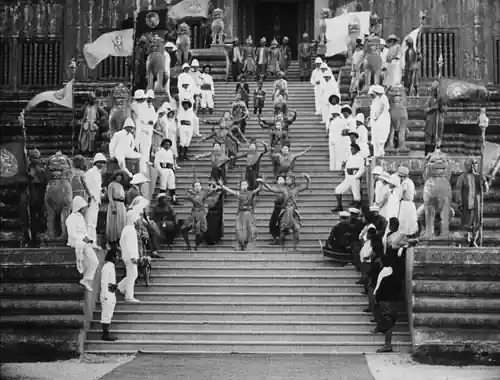
Jacques Chauvry, the administrator, is a complex figure. He is the 'civilizing' force, yet he is also the representative of the very system that makes the oil plans so valuable. Pierre de Canolle plays him with a stiff-upper-lip resolve that occasionally cracks to reveal a genuine empathy for Soun’s plight. Their relationship is the bridge between the old world and the new, a dynamic that mirrors the societal shifts seen in Vanity and Vengeance. The conflict is not just between 'good' and 'evil,' but between different modes of existence.
Technically, the film is a marvel of its era. The use of location shooting—or at least very convincing sets that mimic the lush density of the jungle—provides a sense of immersion that was rare for the time. The lighting design, particularly in the nocturnal scenes where Tao’s dragon mask catches the moonlight, is nothing short of breathtaking. It creates a visual dialectic of black and white that predates the noir aesthetic by decades. If you look at the framing in Udar v spinu, you can see the echoes of this early mastery of spatial tension.
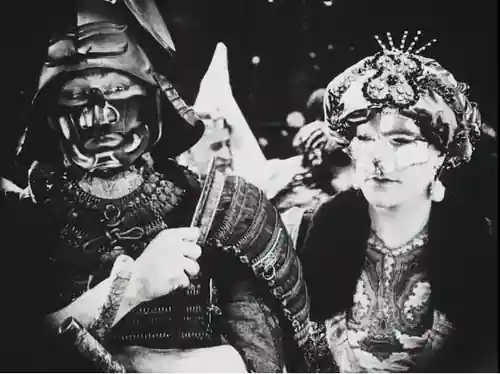
Furthermore, the film’s exploration of the 'mixed-race' identity of its villain, while undeniably filtered through the colonial lens of 1920s France, offers a fascinating (if problematic) look at the era's anxieties regarding racial purity and cultural hybridity. Tao is a villain because he can navigate both worlds and belongs to neither, making him the ultimate 'other.' This complexity is often missing from contemporary shorts like That's It! or the straightforward characterizations in The Bashful Lover.
Tao is more than a relic; it is a vibrant, breathing piece of cinema that captures a world on the brink of total transformation. It balances the sensationalism of the pulp novel with the artistic ambitions of the French silent era. Whether it is the terrifying silhouette of the dragon-man or the quiet dignity of Soun as she guards her secret, the film lingers in the mind long after the final intertitle has faded. It is a journey into the heart of darkness, but one illuminated by the flickering brilliance of a projector bulb. For those who seek the roots of the modern thriller, or for those who simply wish to be transported to a time when the world felt larger and more mysterious, Tao is an essential experience. It possesses a formal beauty that makes even the most dated aspects of its narrative feel like essential components of a grander, more mythic architecture. In the pantheon of 1920s cinema, it stands tall, a dragon in the tall grass, waiting to be rediscovered by a new generation of cinephiles who can appreciate its jagged, colonial beauty.
A note for the curious: if you find the gender dynamics of this era particularly fascinating, consider contrasting Soun's role here with the protagonists in The Girl Angle or the structural experimentation of Form. Cinema has always been a mirror, and Tao reflects a very specific, very turbulent moment in our collective history.
IMDb —
1917
Community
Log in to comment.