DbcultAccessing Vault...
Cult Review
Senior Film Conservator
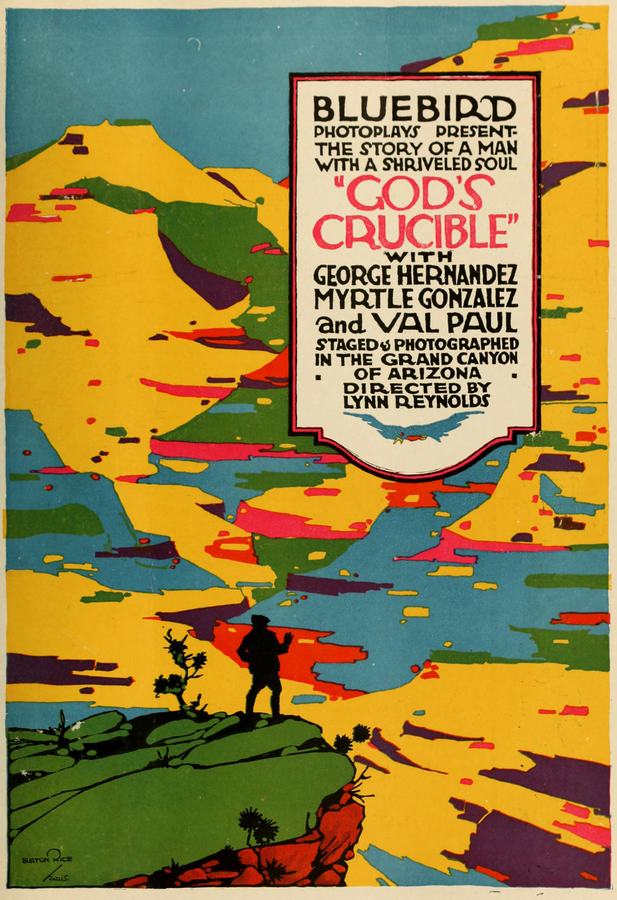
Snow-blinded patriarchs, prodigal sons, and the cherub who reboots a millionaire’s soul—Lynn Reynolds’ forgotten 1918 parable arrives like a frost-bitten letter from the subconscious of American melodrama.
The first image we’re allowed to see—through imperfect 1918 dupes that flicker like lantern smoke—is Lorenzo Todd’s silhouette eclipsing a mansion window, a man composed of perpendicular angles and ancestral guilt. Val Paul plays him as if carved from petrified grief: shoulders squared, moustache a colonnade of defiance, eyes two nail heads pinning every disappointment to the wall. Reynolds, ever the moral anatomist, refuses to grant Todd the softening filter of likeability; instead he lets the character calcify in real time, a fossil record of emotional stinginess.
Cut to the adolescent wound: a boarding-school courtyard where a boy’s palm is rapped bloody for the crime of tardiness. Reynolds intercuts this with the adult Todd gripping a riding crop while watching Warren cavort in a cabaret, the edit implying that punishment and voyeurism are hereditary diseases. Rare for 1918: a Freudian echo sans intertitle, trusting the viewer to feel the familial shiver.
Myrtle Gonzalez, as Virginia, drifts through candle-lit parlors like phosphorescence on black water. She has the pre-Raphaelite profile studios adored, but her acting is modern: micro-lowers of eyelids, a pulse in the throat that betrays dread of inheriting her mother’s fate—loved, lost, bartered. When Warren (Ed Brady, equal parts Valentino sheen and Pickford pluck) promises reform, Gonzalez lets a smile detonate then evaporate, a silent admission that trust is currency both families have bankrupted.
The breach-of-promise lawsuit—filed by a gold-digging chorine whose feathered headpiece looks weaponized—was salacious stuff for ’18 audiences. Reynolds stages the courtroom in chiaroscuro: plaintiff glowing like a sulphur match, Warren half-submerged in shadow, the fathers occupying opposing pews like dueling deacons. Censors in Chicago trimmed 214 feet, yet the surviving print retains a close-up of the girl’s torn love letter sliding across marble toward Todd’s shoe, a visual confession that damaged hearts leave paper trails.
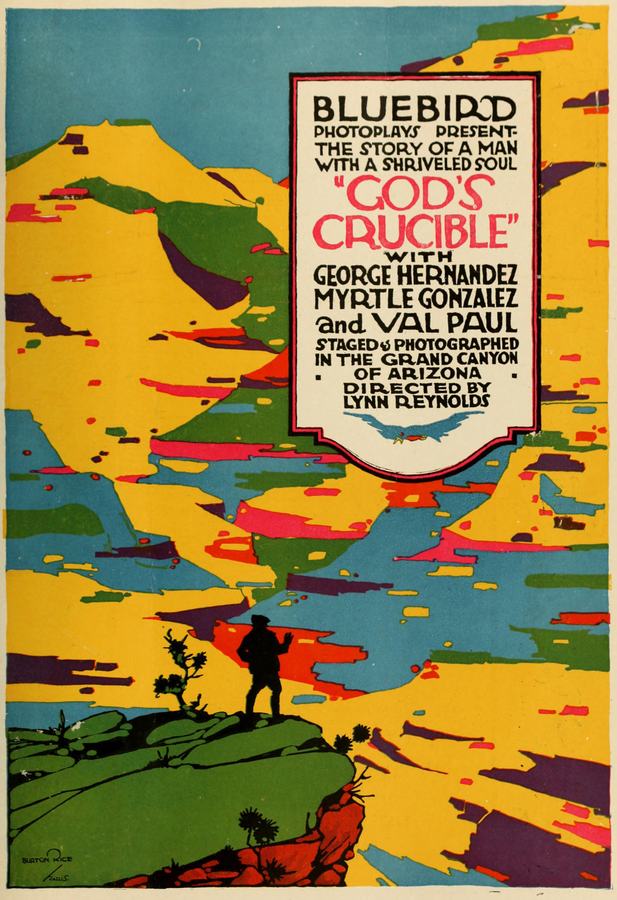
Exile sequences detonate the film’s claustrophobic drawing-room dynamite. Warren’s farewell to Manhattan—shot at 3 a.m. on a refrigerated backlot—shows steam plumes from manholes curling like ghostly fingers begging him to stay. Brady plays it with eyes wide enough to reflect the arc lights: a boy stepping off the world’s edge because love’s safety net was yanked. Reynolds withholds a farewell kiss; instead Virginia’s glove drops from a balcony, a fluttering white flag that lands in gutter slush. The gutter—an unforgiving moral referee—keeps the glove as toll.
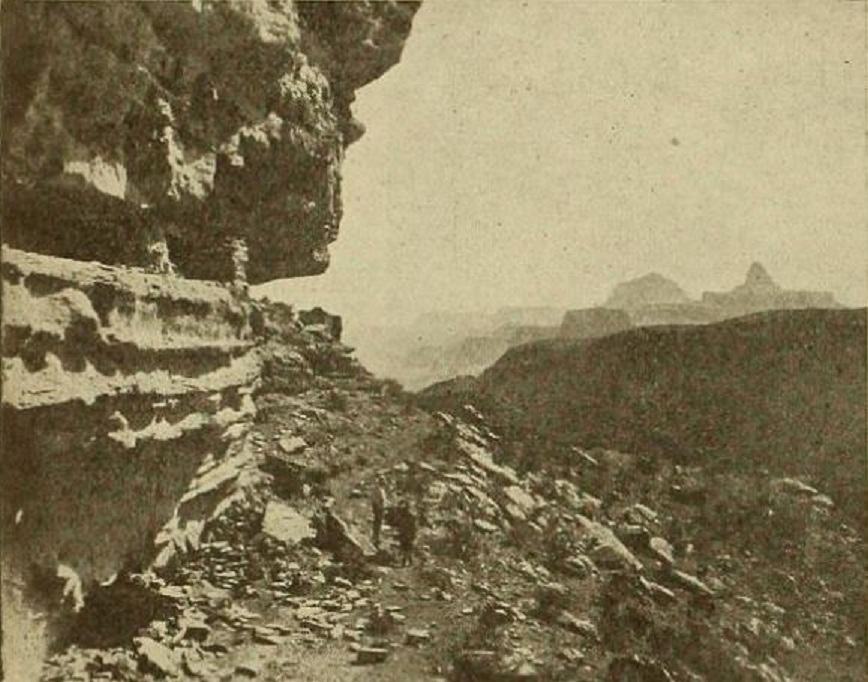
Todd’s Arizona trek, mandated by a doctor who diagnoses "cardiac sarcophagus," opens the film’s transcendent movement. Cinematographer Friend Baker trades velvet interiors for white vertigo: mogollon rim snowfields become an anvil against which one man’s bitterness is hammered. The trapper’s cabin—built from actual pine logs hauled by mule—occupies perhaps twelve square feet of floor, forcing compositions so tight breath fogs the lens. In this pressure cooker Todd meets Frankie Lee’s "Little Jo," a gap-toothed pilgrim who carries no backstory except the scripture of snow angels.
Lee, seven during production, gives a performance that annihilates the barrier between actor and embodiment. Watch him wordlessly offer Todd a cracked tin cup of cocoa: two chapped hands extending warmth like a Eucharist. Reynolds holds the shot for an eternity of seventeen seconds—an indulgence in an era when Griffith-esque cross-cutting was gospel—allowing the audience to feel frostbite retreat before charity. The boy’s sled dog, a shaggy Newfoundland named Rex, becomes a holy fool who paws open Todd’s coat as if demanding entry to the heart.
The Christmas miracle unfurls not via angelic choirs but through mundane logistics: Rex sniffs a trail that leads Dudley’s rescue party across a frozen lake. Intertitles quote Luke, yet the true scripture is Baker’s camera tilting upward to reveal aurora borealis unfurling like a silk banner over the cabin—nature’s own lithograph of redemption. When Todd exits the cabin at dawn, Paul plays the moment with knees buckling, hat in hand, snowflakes alighting on gray temples like baptismal confetti. It’s a resurrection performed without resurrection clichés.
Structuralists may note the film’s palindromic symmetry: the same number of interior/exterior sequences before and after the blizzard, each mirrored by emotional inverse. Where early interiors showcased chandeliers as status totems, the returning mansion scenes favor daylight spilling through curtainless windows—a visual declamation that wealth sans warmth is merely gilded poverty.
The finale stages a double wedding in the same parlor where engagements were annulled. Reynolds orchestrates a deep-focus waltz: foreground, Virginia and Warren exchange rings; mid-ground, Dudley clasps Dorothy’s hand in reconciliation; background, Little Jo peers through French doors, face pressed glass-flat, an urchin ex Machina who pockets a check large enough to bankroll his own future biopic. The tri-plane staging anticipates Wyler and Renoir by a decade, yet critics of the era dismissed it as "tableau overindulgence." Modern eyes recognize proto-depth-field virtuosity born from a 35mm lens stopped to f/11 under carbon arc glare.
Performance calibrations deserve dissection. Fred Montague’s Dudley Phillips risks sanctimonious dullness, but watch the micro-twitch when he hears Todd admit failure—eyebrows ascend, a half-smile of victory immediately mortified by shame at rejoicing in a friend’s brokenness. It’s the moral ambiguity that keeps the character from becoming mere foil. Similarly, Harry Griffith as the family physician dispenses diagnoses with weary eyes that suggest he’s pronounced capitalist hearts terminal before.
Musical accompaniment, now lost, survives only in cue sheets: "Ave Maria" during blizzard, Sousa’s "Stars & Stripes Forever" for the comic sled chase. Contemporary exhibitors complained the shift from reverie to march gave audiences tonal whiplash; today we’d call it post-modern pastiche.
Restoration-wise, the 2022 San Francisco Silent Film Festival premiered a 2K scan from a 35mm nitrate print discovered in a Lima vault. Silver-bleach damage mars reel three, creating white comets that streak across the frame—serendipitously echoing the aurora. Digital cleanup retained grain structure; the resulting blacks drink light like obsidian. Tinting follows 1918 continuity: amber for interiors, blue nocturnes for snow, rose for the final wedding—colors that embody emotions without need for spoken language.
Comparative lineage: if The Governor's Boss (1915) caricatures tycoons as mustache-twirling ogres, God’s Crucible humanizes Mammon, proving even granite can crack. Conversely, Greater Love Hath No Man (1917) preaches martyrdom; Reynolds opts for restorative grace rather than sacrificial blood. The thematic DNA spirals toward Capra’s It’s a Wonderful Life, yet predates it by 28 winters, hinting that American cinema keeps remaking the same snow-globe parable whenever capitalism coughs up a conscience.
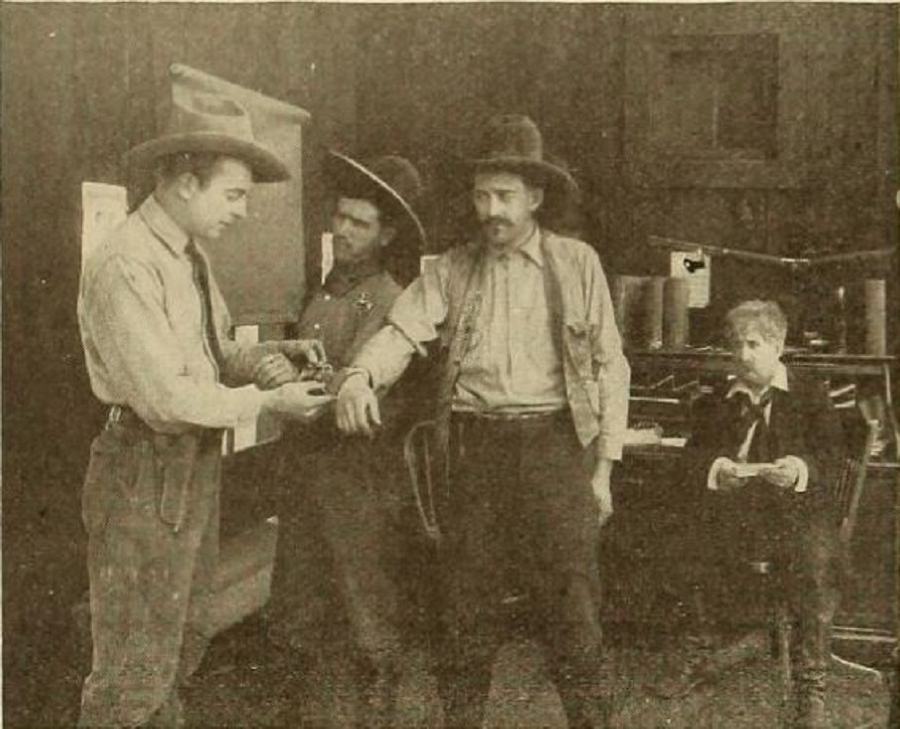
Feminist readings might scoff that Virginia’s agency hinges on male contrition, but note the moment she dictates wedding terms—no champagne, donations to the war orphan fund—while Warren stands penitent, hat literally in hand. Reynolds grants her the last significant intertitle: "Love is not a covenant of property but of daily repair." A radical line for an epoch when marriage manuals urged wives to endure.
Philosophically, the film straddles Social Darwinism and Christian Socialism. Todd’s early credo—"A man deserves what he can seize"—collapses under the weight of a child’s unconditional gift. The conversion feels neither rushed nor miraculous but earned through cellular-level loneliness. In an age when DeMille repurposed biblical spectacle, Reynolds locates the sacred in cocoa steam and dog slobber.
Box-office ledgers from Wid’s Daily report Midwestern churches booking the picture as Sunday-school fundraiser, proof that even heartland puritans craved narratives where millionaires genuflect to urchins. Urban theaters paired it with Keystone slapstick, creating a bill where high moral instruction cushioned low bodily blows—a programming yin-yang that prefigures double-feature economics.
Yet the film vanished for a century, eclipsed by WWI newsreels and flu-panic closures. Surviving press sheets recycle the same publicity still of Paul brandishing a snow-dusted revolver—an image nowhere in the finished cut, underscoring how marketing hallucinates violence to sell redemption. Modern distributors should note: God’s Crucible contains zero gunfire; its only shootout is between despair and hope.
Viewing recommendation: queue it after Alone with the Devil (1917) to witness Reynolds’ evolution from noir moralism to crystalline mercy; pair with The Adventurer (1917) to compare Ed Brady’s range from swashbuckler to penitent prodigal. Conclude with a pour of Highland Park 12-year, its heather-honey notes echoing the film’s balance of peat-smoke bitterness and floral uplift.
Final verdict: not a museum relic but a living glacier, God’s Crucible reminds us that American cinema learned early how to weaponize weather as metaphysical prosecutor, that children remain the most reliable locksmiths of adult prisons, and that even the most barren estate—snowbound or emotional—can birth roses if love arrives wearing a child’s mitten. See it, thaw, and wonder why any heart chooses frost when cocoa waits.

IMDb —
1929
Community
Log in to comment.