DbcultAccessing Vault...
Cult Review
Senior Film Conservator
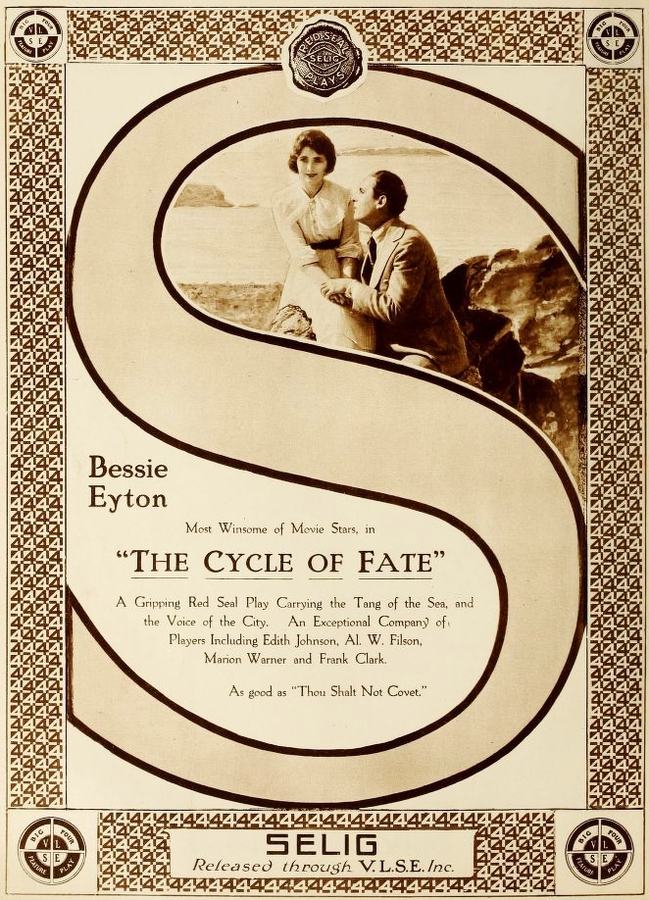
In the nascent years of American cinema, few directors possessed the narrative audacity of Marshall Neilan. With The Cycle of Fate, Neilan constructs a world where the sea is not merely a backdrop but an active, malevolent protagonist. The film opens with a sequence of maritime devastation that rivals the thematic weight of Peer Gynt, establishing a tone of inescapable doom. Aaron Strong, portrayed with a stoic nobility by Wheeler Oakman, is the quintessential sacrificial lamb of the Victorian era—a man of the sea whose industry is met with the indifferent cruelty of a storm.
The brilliance of the screenplay lies in its transition from the elemental to the psychological. When Maybelle, the captain's wife, collapses and burns her hand, the film shifts from a disaster epic into a gothic study of atavistic trauma. This isn't just a plot device; it is an early cinematic exploration of how the sins and sufferings of the parents are literally etched onto the flesh of the progeny. The twins, separated by the cold pragmatism of their grandfather Sandy Hodge, become avatars for the two warring halves of the American identity: the innocent, rural educator and the hardened, urban criminal.
Wheeler Oakman’s dual role (or rather, his transition into the role of the son) provides a masterclass in silent era physicality. As 'Red Hand' Joe, he embodies the grit of the city's underbelly. The gang leader is a far cry from the monochromatic villains of contemporary shorts; he is a creature of his environment, a victim of a 'cycle' that he did not choose. This thematic resonance is echoed in other works of the period like The Soul's Cycle, which similarly grapples with the concept of karmic recurrence.
The birthmark—the 'Red Hand'—is a potent visual metaphor. In a medium where dialogue was limited to intertitles, the visual shorthand of a matching scar across two disparate lives creates a visceral connection that the audience can feel. It is the bridge between the pastoral purity of Oceancove and the smoke-filled dens of 'Boss' Kipper. When Joe finally sees the mark on his sister’s hand, it isn't just a recognition of kin; it is a spiritual awakening. The criminal is forced to confront the innocence he lost, personified by the sister he forgot.
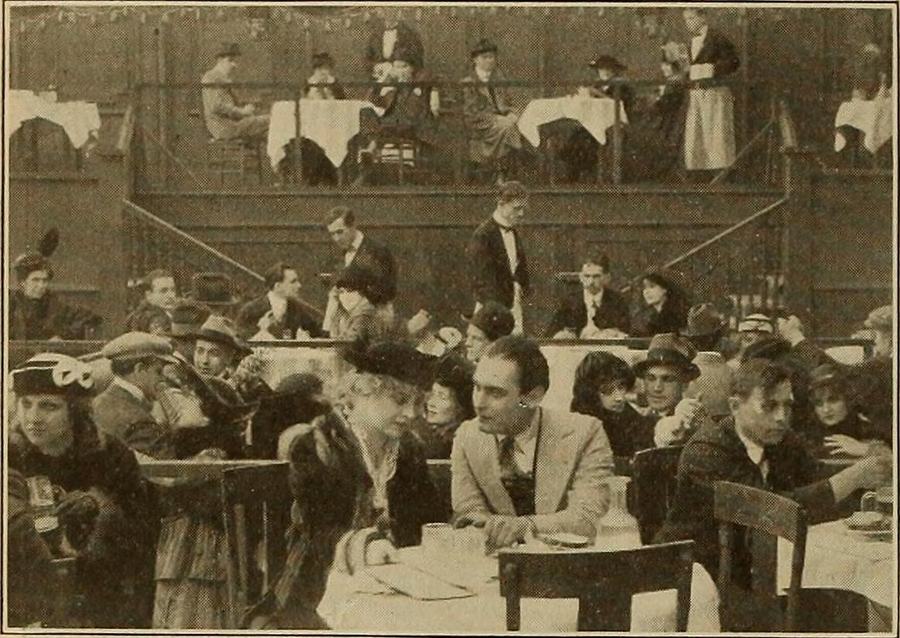
The middle act of the film introduces us to the predatory nature of the city, embodied by Sid Aldrich (Lew Cody) and Boss Kipper. Here, Neilan leans into the tropes of the 'city symphony' but with a darker, more cynical edge. The city is a trap for the unwary, a place where a new hat—a symbol of harmless vanity—can lead a woman into the clutches of a white slaver or a corrupt politician. The juxtaposition between the grandfather's suffocating thriftiness in Oceancove and the lavish, dangerous promises of the city creates a tension that is palpable.
Boss Kipper represents the institutionalized rot of the era. He is the 'ward politician'—a figure familiar to audiences of The Catspaw or The Greyhound. His attraction to Maybelle is presented with a predatory intensity that makes the eventual rescue by 'Red Hand' Joe all the more cathartic. It is a subversion of the hero's journey: the hero is a crook, the villain is the law-maker, and the battlefield is a locked room in a tenement building.
Visually, the film utilizes high-contrast lighting to delineate its moral boundaries. The scenes in Oceancove are bathed in a soft, ethereal glow, while the city scenes are defined by harsh shadows and claustrophobic framing. This visual dichotomy reinforces the narrative's central conflict. The use of the telephone as a tool for salvation—a relatively modern invention in 1916—adds a layer of 'technological providence' to the climax. It suggests that while the 'Cycle of Fate' is ancient, the means of breaking it are contemporary.
The character of Mame of the tenements provides a necessary emotional anchor for Joe. Her illness and his devotion to her provide the 'human' element that justifies the detective's eventual leniency. It is a nuanced portrayal of the 'fallen woman' archetype, reminiscent of the empathy found in The Clown or the social consciousness of Uncle Tom's Cabin. Joe’s willingness to kill Aldrich to save his sister, and his subsequent flight with Mame, suggests a morality that exists outside the confines of the law—a theme that would later become a staple of the noir genre.
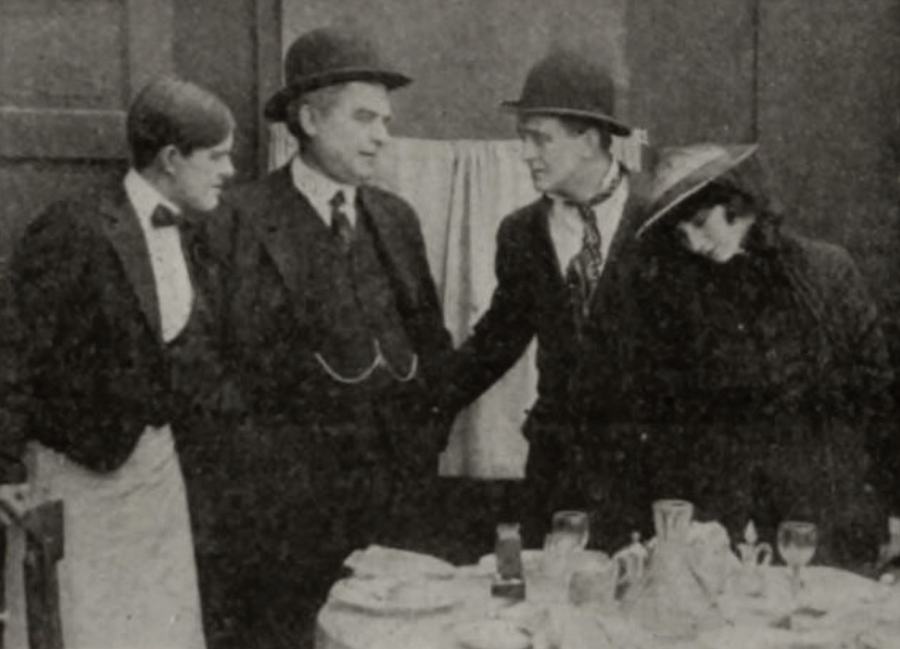
Comparing The Cycle of Fate to other 1910s dramas like Conscience or Revelation reveals a film that is surprisingly modern in its cynicism toward authority. The character of Detective Treem, who allows a murderer to escape because the victim 'deserved it,' is a startling departure from the rigid moralism often associated with silent cinema. It acknowledges that the world is a 'wicked' place, as the final intertitle suggests, and that sometimes the only way to win is to leave the game entirely.
The film’s conclusion, with Joe and Mame sailing away, brings the narrative full circle. The sea, which took Joe’s father and catalyzed the family’s ruin, now becomes the medium for his escape. It is a hauntingly beautiful resolution. The 'Cycle' is not broken by the law, but by an act of individual mercy and the recognition of a shared burden. Neilan’s direction ensures that we don't see this as a simple 'happy ending,' but as a weary departure from a world that had nothing left to offer but scars.
Ultimately, The Cycle of Fate stands as a testament to the power of symbolic storytelling. It bridges the gap between the theatrical melodrama of the 19th century and the psychological realism of the 20th. While some might find the coincidence of the birthmark to be a 'stretch' of narrative logic, in the context of the film’s internal mythology, it is a stroke of genius. It elevates a story of crime and punishment into a mythic struggle against predestination.
For those interested in the evolution of the crime drama, this film is essential viewing. It predates the complex moral landscapes of Drugged Waters and the structural ingenuity of Blind Man's Holiday. It is a film that understands the weight of history and the permanence of the marks we leave on one another. Whether it's the salt of the sea or the blood of the city, the 'Red Hand' reminds us that our origins are never truly behind us; they are written on our skin, waiting for the right moment to be recognized.
Further reading on silent era social dramas can be found in our reviews of The Unbeliever and the gritty realism of Khleb.
IMDb 4.3
1935
Community
Log in to comment.