DbcultAccessing Vault...
Cult Review
Senior Film Conservator

Ah, the silent era. A time when narratives unfurled with a grandiosity that often felt larger than life, propelled by the sheer force of visual storytelling and the dramatic flourishes of its performers. Among the myriad cinematic offerings of 1917, God's Law and Man's emerges as a particularly intriguing specimen, a melodrama that dares to weave together threads of colonial entanglement, societal expectation, and the unyielding grip of destiny. It’s a film that, even a century later, still resonates with a certain potent charm, not just for its historical value but for its surprisingly intricate plot, a narrative contortion that would make many a modern screenwriter blush. Directed with a steady hand by John H. Collins and penned by the collaborative efforts of Collins and Tom Trent, this picture invites us into a world where moral quandaries collide with cultural chasms, all culminating in a revelation so audacious it practically demands a standing ovation. For those uninitiated in the particular delights of early cinema, this film serves as an excellent primer, demonstrating how powerful emotions and complex human dilemmas could be conveyed without a single spoken word, relying instead on the subtle artistry of gesture, expression, and the carefully crafted intertitle.
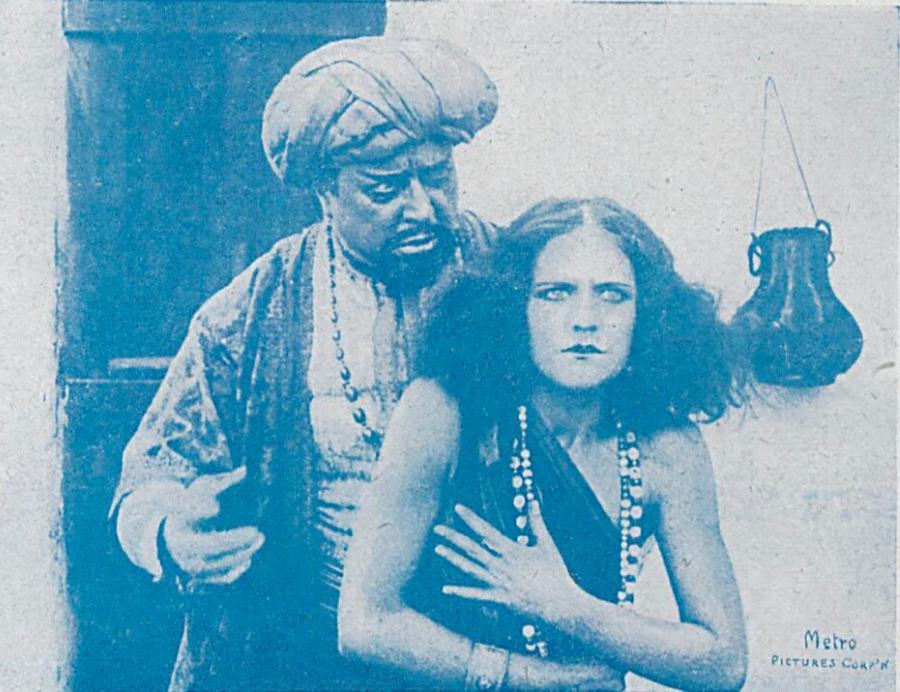
Our journey begins in the sun-baked, mystical landscape of colonial India, a setting frequently exoticized and romanticized in the early cinematic imagination. Here, we encounter Dr. Claude Drummond, portrayed with a commendable blend of earnestness and conviction by Henry Hallam. Drummond is not your typical detached colonial administrator; rather, he embodies a more humanitarian spirit, a man whose medical oath transcends cultural boundaries. His initial predicament is nothing short of harrowing: a young Indian girl, Ameia, played with captivating vulnerability by Viola Dana, faces an unthinkable fate – ritual sacrifice at the hands of zealous Krishna temple priests. Drummond's response is immediate and profoundly impactful; he intervenes, not through force of arms, but through an act of unconventional compassion, buying Ameia as his wife. This pivotal moment establishes the core conflict and the unconventional nature of their bond. It's a striking opening, immediately thrusting the audience into a moral dilemma that questions the very fabric of differing belief systems and the imposition of 'civilized' values. This dramatic rescue not only saves Ameia's life but also sets into motion a chain of events that will irrevocably alter both their futures, binding them together in a union born of exigency and, perhaps, a nascent affection that defies the dictates of their disparate worlds. The visual storytelling here, though constrained by the technical limitations of 1917, manages to convey the urgency and gravity of the situation, relying on close-ups and dramatic staging to emphasize the peril and Drummond's heroic intervention.
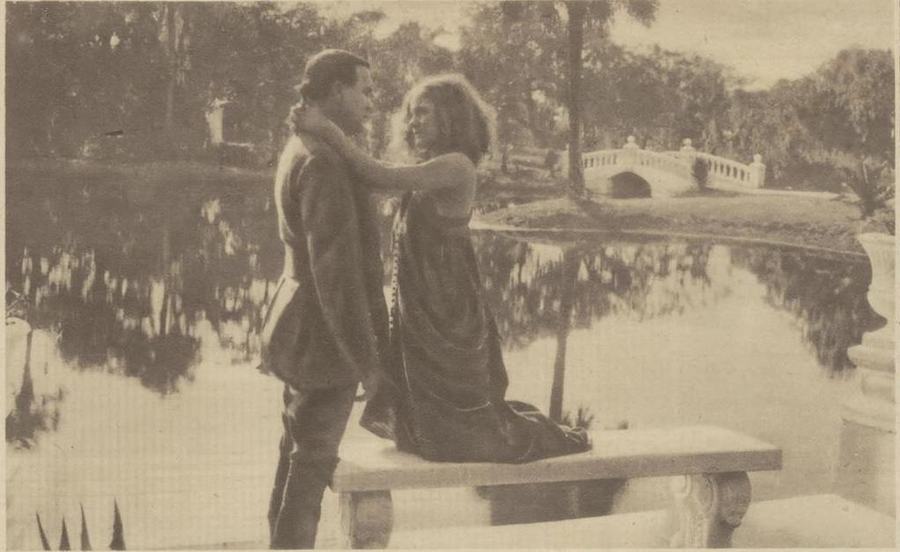
The narrative then executes a sharp geographical pivot, transporting us from the vibrant, often perilous Indian subcontinent to the staid, expectation-laden drawing-rooms of England. The death of Claude's elder brother elevates him to the position of family heir, a seismic shift that brings with it not just material wealth but also the heavy mantle of familial duty. His father, a man clearly steeped in the rigid social hierarchies of the era, has meticulously orchestrated a marriage between Claude and Olive Dennison, daughter of the formidable Major-General Dennison. This proposed alliance is a classic example of a 'suitable match' – one designed for social elevation and familial continuity rather than genuine emotional connection. Hallam's portrayal of Claude at this juncture is particularly poignant; he is a man torn, willing to submit to paternal decree despite the evident lack of love between himself and Olive. The film deftly portrays the crushing weight of Edwardian societal expectations, where personal desires often capitulated to the demands of status and lineage. It's a stark contrast to the impulsive, life-saving act that defined his time in India, showcasing the profound differences between the unbridled morality of a crisis and the stifling conventions of polite society. This segment echoes themes found in other silent era dramas exploring the constraints of class, much like the intricate social maneuvering often depicted in films such as As a Man Sows, where characters navigate a labyrinth of expectations and obligations.
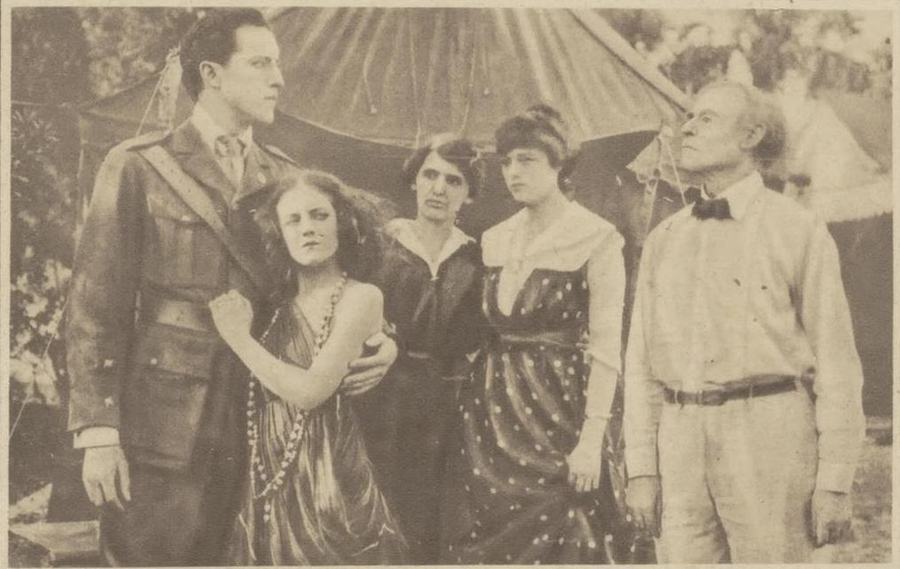
Just as Claude stands on the precipice of this loveless, arranged marriage, the past, in the form of Ameia, dramatically resurfaces. Her arrival from India is a shockwave, shattering the carefully constructed facade of English propriety and exposing the inconvenient truth of Claude's previous commitment. Viola Dana, as Ameia, conveys a profound sense of isolation and desperation upon realizing her presence jeopardizes Claude's future. Her character is not merely a plot device; she embodies the tragic consequences of cultural displacement and societal disapproval. The film reaches an emotional crescendo when Ameia, in an act of profound self-sacrifice, attempts to take her own life, believing her demise is the only way to clear Claude's path to a 'respectable' future. This moment is handled with a raw intensity that, even without dialogue, is deeply affecting. Claude's frantic administration of an antidote, his medical skills once again saving her, underscores the unbreakable bond forged between them. It’s a classic melodramatic turn, designed to heighten the stakes and push the characters to their emotional limits, reminiscent of the desperate acts of love and sacrifice seen in other intense dramas of the period, where characters are pushed to the brink by impossible circumstances, perhaps even finding echoes in the moral quandaries of Az éjszaka rabja, though with distinct cultural contexts.
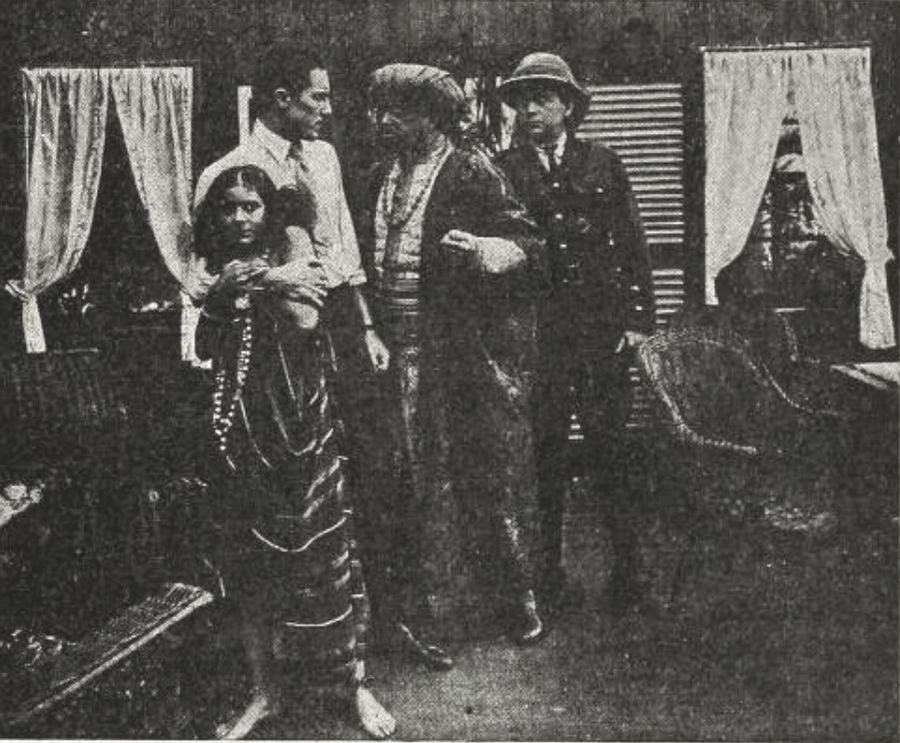
And then, the moment that truly elevates God's Law and Man's from a mere colonial romance to a masterclass in melodramatic ingenuity: the astonishing revelation of Ameia's true parentage. It is discovered that Ameia is, in fact, the long-lost daughter of none other than Major-General Dennison himself, born from a previous union with a native wife whom he had callously abandoned. This twist is nothing short of breathtaking, a narrative coup that simultaneously resolves the seemingly insurmountable obstacles and deepens the thematic resonance of the entire film. It’s a stroke of genius that binds the 'forbidden' love story to the very heart of the societal expectations that threatened to tear it apart. The General, a figure representing the rigid colonial establishment, is revealed to have a hidden past, a clandestine liaison that produced the very woman he now, unknowingly, seeks to cast aside. This revelation not only provides a convenient resolution to Claude's dilemma – allowing him to marry Ameia while simultaneously fulfilling his father's wish to marry into the Dennison family (since Ameia is the General's daughter) – but also casts a critical light on the hypocrisies of the colonial elite. It's a plot device that, while perhaps straining credulity for a modern audience, works perfectly within the heightened reality of silent melodrama, delivering maximum emotional impact and narrative satisfaction. This kind of dramatic unveiling, where hidden identities or past transgressions suddenly alter the entire landscape of a story, is a hallmark of the genre, a narrative technique frequently employed to great effect in films like The Pitfall, which similarly explores the unexpected consequences of concealed histories.
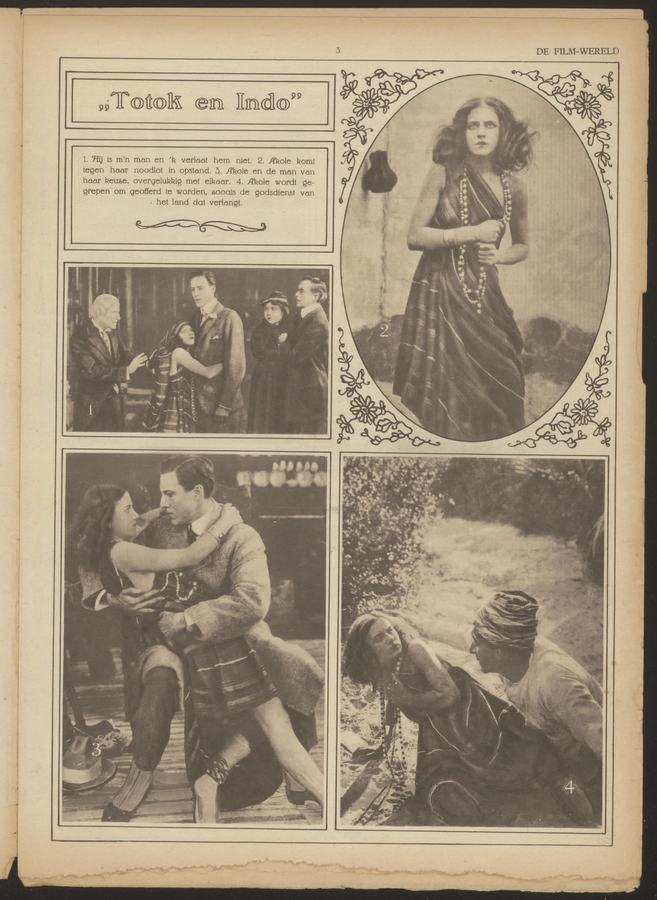
At its heart, God's Law and Man's is a profound exploration of the eternal conflict between personal desire and societal obligation. Claude's journey is a microcosm of this struggle: his instinct to save Ameia in India represents a 'God's Law' – a moral imperative that transcends man-made rules and prejudices. His subsequent return to England and the pressure to enter an arranged marriage embody 'Man's Law' – the restrictive, often arbitrary dictates of class, race, and patriarchal authority. The film champions the former, suggesting that true love and inherent moral righteousness will ultimately find a way to circumvent or even redefine the latter. The colonial backdrop amplifies these themes, highlighting the racial and cultural prejudices inherent in the British Empire. Ameia, as a native woman, is initially seen as an impediment, an 'other' whose presence threatens to derail Claude's 'proper' English life. Her eventual revelation as the Major-General's daughter ingeniously subverts these prejudices, forcing the English establishment to confront its own hidden complexities and moral compromises. It's a powerful statement, albeit delivered through the often simplistic lens of melodrama, about the interconnectedness of humanity and the arbitrary nature of social divisions. The film also touches upon the theme of identity, particularly for Ameia, who navigates between worlds, ultimately finding her place through a twist of fate that redefines her lineage and validates her love. This narrative approach to challenging societal norms through personal sacrifice and eventual triumph can be seen as a common thread in many silent films aiming for social commentary, even if subtly, such as The Cotton King, which also delves into the complexities of class and moral compromise.
The success of any silent film hinges almost entirely on the expressive capabilities of its cast, and God's Law and Man's is fortunate in this regard. Viola Dana, as Ameia, delivers a performance that is both delicate and powerfully emotive. Her large, expressive eyes and nuanced gestures convey fear, love, despair, and ultimately, a quiet strength that carries the audience through her character's arduous journey. She avoids the theatrical excesses sometimes associated with silent acting, instead opting for a more internalized portrayal that makes her plight genuinely sympathetic. Henry Hallam, as Dr. Drummond, is a fitting foil, embodying the conflicted hero with a believable earnestness. His internal struggles are clearly etched on his face, from the initial heroism in India to the later anguish of his predicament in England. Augustus Phillips, as Major-General Dennison, manages to convey the rigid authority and underlying hypocrisy of his character, even before his shocking secret is revealed. The ensemble works cohesively under Collins's direction, ensuring that each emotional beat lands with precision. The reliance on physical acting and facial expressions, a cornerstone of silent cinema, is particularly effective here, allowing the audience to intuit the complex emotional states of the characters without the aid of dialogue. This commitment to visual storytelling and expressive acting is a testament to the talent of these early film pioneers, who mastered the art of conveying profound human experiences through the silent medium, much like the compelling central performances in films such as Man of the Hour, where character integrity is paramount.
John H. Collins, both director and co-writer, demonstrates a keen understanding of melodramatic pacing and visual composition. The film moves with a deliberate rhythm, building tension effectively towards its dramatic climaxes. While the camera work is largely static by modern standards, typical of the era, Collins utilizes close-ups strategically to emphasize emotional reactions, drawing the audience into the characters' inner worlds. The intertitles are well-crafted, providing necessary exposition without over-explaining, and often adding poetic flair to the narrative. From a historical perspective, God's Law and Man's offers a fascinating glimpse into the social anxieties and imperialistic attitudes of the early 20th century. The portrayal of India, while undoubtedly stereotypical by today's standards, reflects the prevailing exoticism and paternalism of the time. Yet, the film also implicitly challenges these views through its ultimate resolution, suggesting a universality of human connection that transcends racial and cultural divides. It's a product of its time, certainly, but one that manages to imbue its conventional tropes with a surprising degree of nuance and moral complexity. The film's ability to navigate sensitive themes, even if imperfectly, speaks to the emerging power of cinema as a medium for social commentary and popular entertainment. The sheer ambition of its narrative, tackling cross-cultural relationships and hidden pasts, places it firmly in the tradition of grand, sweeping dramas that sought to captivate and provoke, echoing the bold storytelling found in contemporary works that grappled with challenging societal norms.
In conclusion, God's Law and Man's stands as a compelling testament to the enduring power of silent cinema. It's a film that, despite its age and the inherent limitations of its medium, manages to deliver a rich, emotionally charged narrative filled with unexpected twists and profound thematic undertones. The performances by Viola Dana and Henry Hallam are particularly noteworthy, breathing life into characters facing immense personal and societal pressures. The ingenious plot twist, while undeniably a hallmark of melodrama, serves not just as a convenient resolution but as a clever vehicle for exploring deeper questions about identity, duty, and the often hypocritical nature of societal 'laws.' For anyone with an appreciation for historical cinema, or simply a good old-fashioned drama with a heart and a brain, this film offers a captivating journey into a bygone era, reminding us that the fundamental human struggles for love, acceptance, and justice are timeless, irrespective of whether they are conveyed through spoken dialogue or the silent, eloquent language of the moving image. It’s a valuable piece of cinematic heritage, richly deserving of contemporary rediscovery and critical appreciation, showcasing how early filmmakers could craft narratives that were both entertaining and subtly subversive, leaving an indelible mark on the tapestry of film history.

IMDb —
1932
Community
Log in to comment.