DbcultAccessing Vault...
6.4/10
Senior Film Conservator
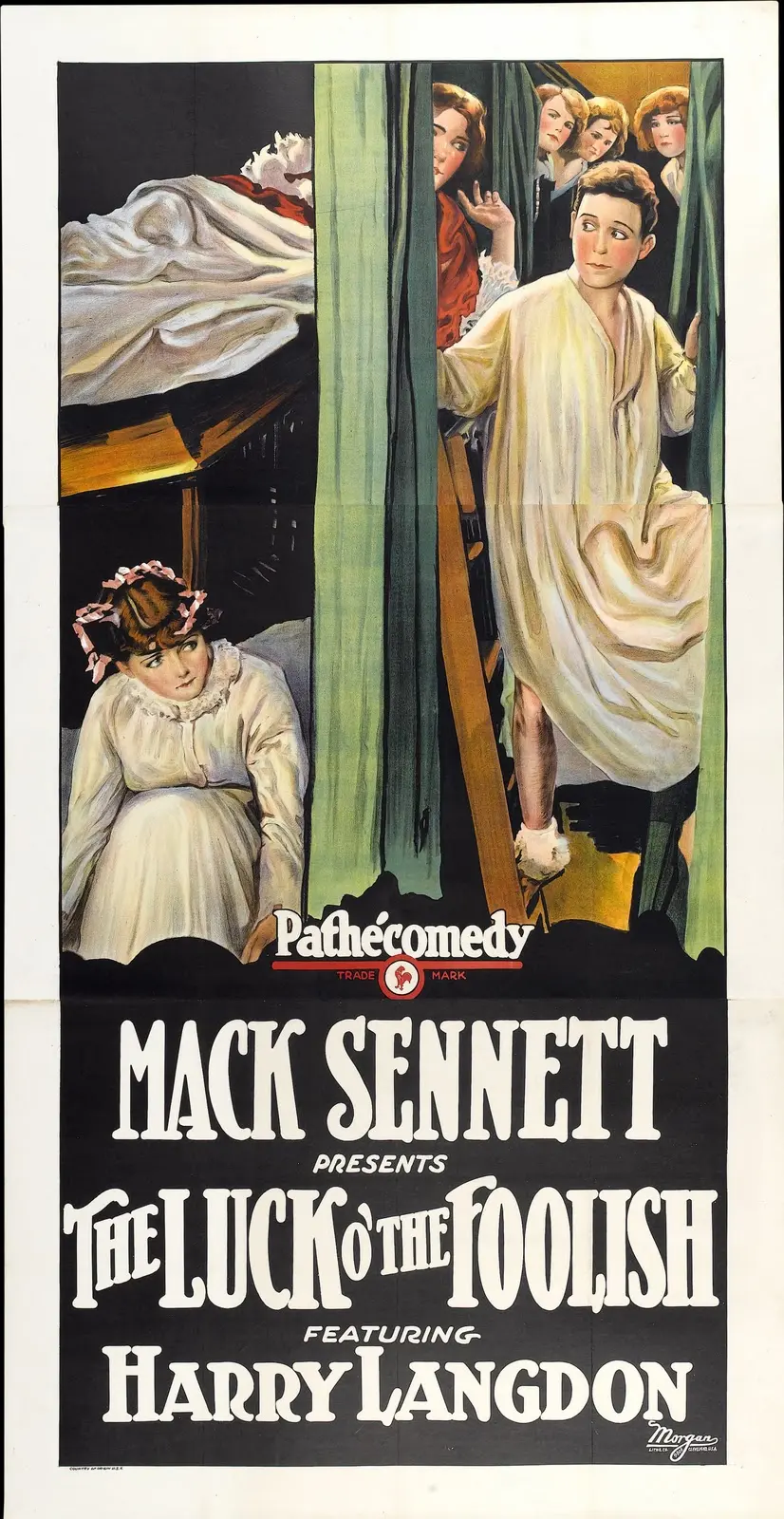
A definitive 6.4/10 rating for a film that redefined the boundaries of cult cinema. The Luck o' the Foolish remains a cornerstone of transgressive art.
In the shimmering, often boisterous landscape of silent cinema, certain films emerge not just as historical artifacts, but as vibrant, pulsing testaments to the universal human experience. 'The Luck o' the Foolish' stands as a prime example, a delightful confection of comedic timing, heartfelt characterization, and escalating chaos that transcends its era. This isn't merely a film; it's a meticulously crafted journey into the whimsical heart of misfortune, where the most earnest endeavors are often met with the most ludicrous obstacles, only to be overcome by an unwavering, if sometimes clumsy, spirit.
From its opening frames, the film invites us into the world of Harry and Marcie, portrayed with an exquisite blend of innocence and resilience by the incomparable Harry Langdon and the luminous Marceline Day. Their initial predicament, a train journey towards a promising new life and Harry's prospective employment, immediately establishes a tone that oscillates between hopeful anticipation and the subtle undercurrent of impending comedic calamity. Langdon, a master of the bewildered gaze and the understated physical gag, infuses Harry with a gentle earnestness that makes his subsequent travails all the more endearing. Day, meanwhile, brings a quiet strength and charm to Marcie, a perfect foil to Harry's often-flustered demeanor.
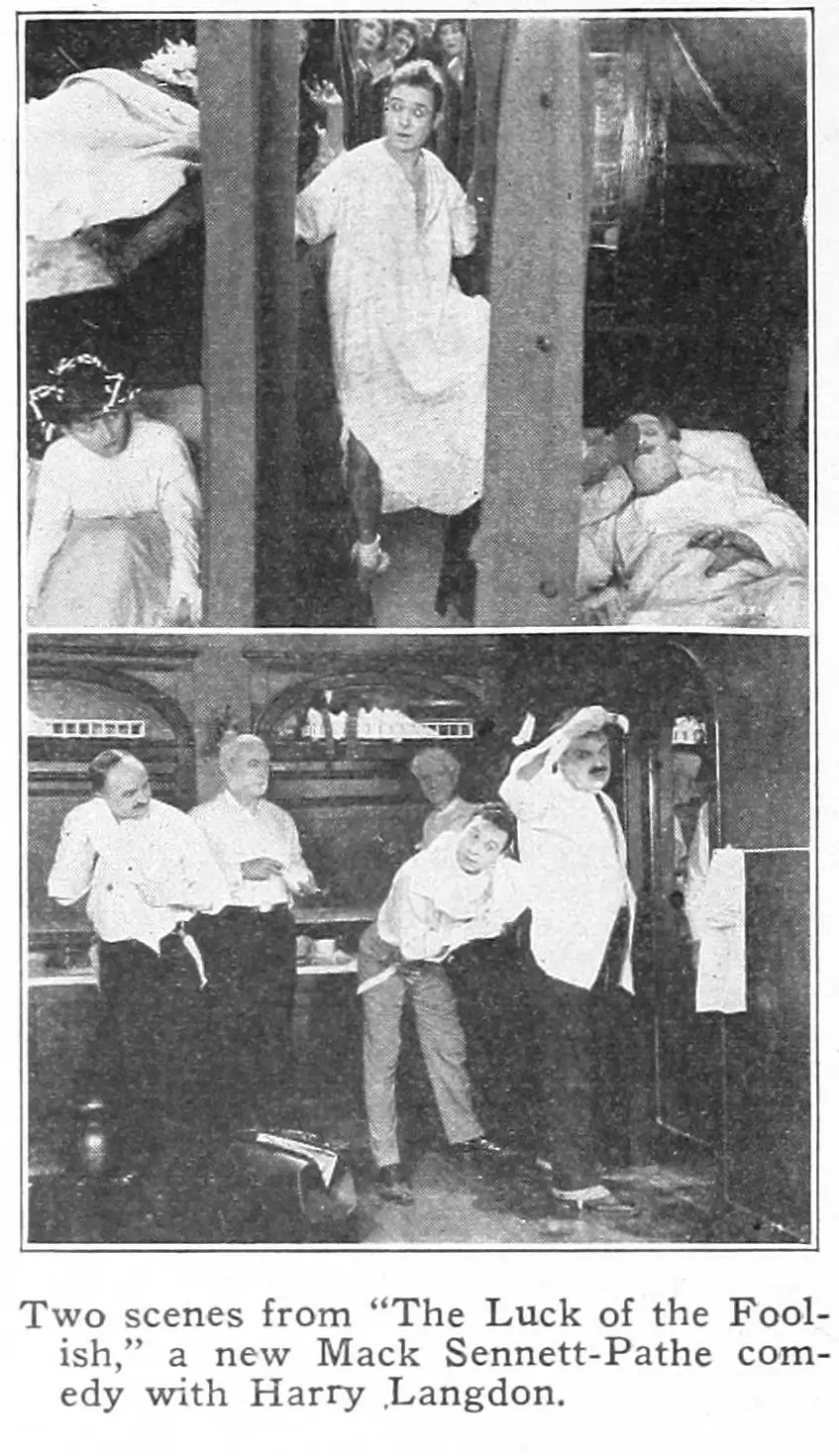
The early scenes aboard the train are a masterclass in situational comedy, demonstrating how even the most mundane of settings can become a stage for hilarious mishaps. The cramped confines of the berths give rise to a series of sight gags that feel both fresh and timeless, a testament to the universal humor found in shared, awkward spaces. Harry’s morning shave, a routine act, transforms into a ballet of near-disaster, illustrating the film's knack for extracting comedic gold from everyday struggles. This meticulous build-up of character and setting ensures that when the narrative pivot arrives, it carries genuine weight. The theft of Harry's crucial funds, the very bedrock of their future, is more than just a plot device; it’s a moment of poignant vulnerability that grounds the subsequent farcical elements in a tangible reality.
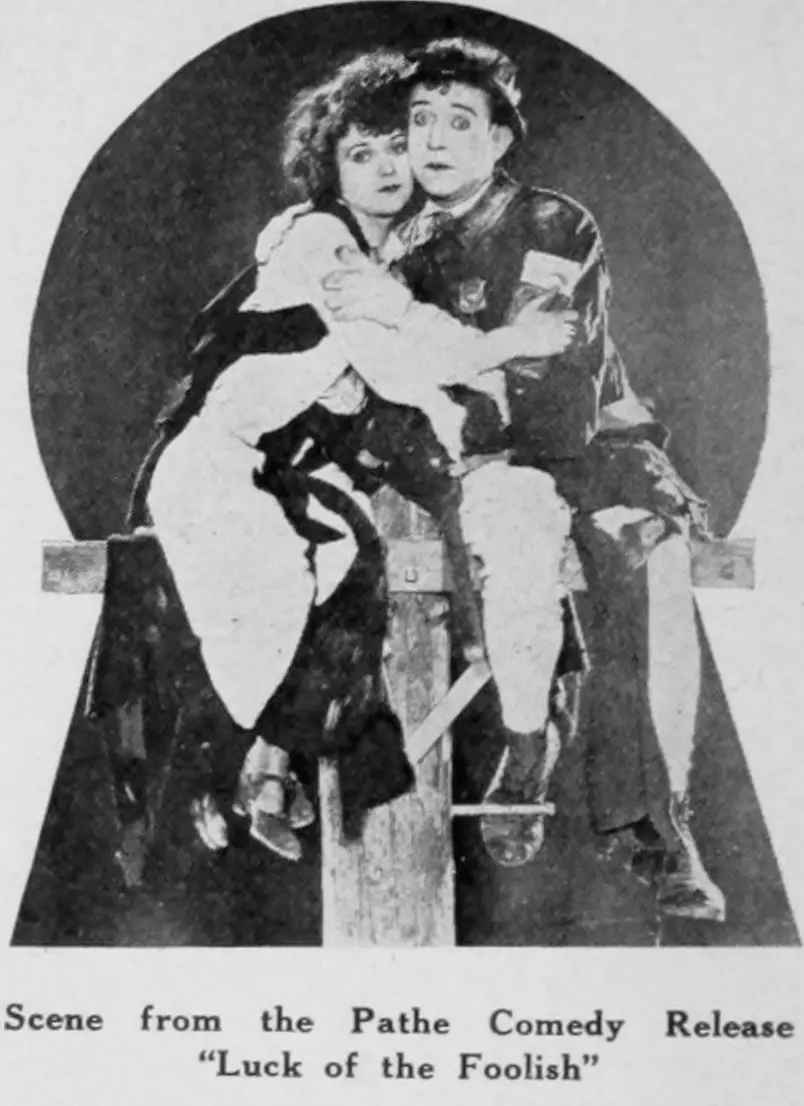
The immediate aftermath of the theft plunges our protagonists into a more humble existence. Harry, his dreams of a new career dashed, reverts to the dependable uniform of a beat cop. Marcie, with equal fortitude, embraces the delicate art of a seamstress. This period of their lives, though seemingly a setback, subtly underscores their resilience and adaptability. It also sets the stage for their eventual, and utterly improbable, re-convergence. This narrative structure, where initial hopes are dashed only to be rekindled through a series of escalating, often ludicrous, events, is a hallmark of the era's best comedies, echoing the journey of other earnest protagonists in films like My Boy, where simple folk navigate complex worlds with endearing naiveté.
The true genius of 'The Luck o' the Foolish' lies in its intricately woven climax, where the separate threads of Harry and Marcie's lives are dramatically, and comically, re-entangled. Marcie's delivery of a bespoke gown to an opulent party becomes the catalyst for a series of events that would stretch the bounds of belief in any other genre. Her unassuming charm catches the eye of a notorious Lothario, an archetypal figure of silent film melodrama, whose insistence on her staying sets the domestic drama in motion. Simultaneously, just outside the very same lavish mansion, Officer Harry, ever diligent, finds himself investigating a series of suspicious nocturnal disturbances. The juxtaposition of Marcie's elegant, if slightly uncomfortable, sojourn into high society and Harry's more gritty, street-level detective work is a stroke of narrative brilliance, setting up a collision course that is both inevitable and uproariously unpredictable.
What follows is a maelstrom of classic silent film tropes, expertly executed. Thieves, lurking in the shadows, add an element of genuine suspense, a tension that is deliciously undercut by the prevailing comedic tone. The introduction of bombs, a misplaced wallet, and an unexpected plunge into a swimming pool are all meticulously orchestrated to create a crescendo of escalating absurdity. Each new element doesn't just add to the chaos; it amplifies the misunderstandings that are central to the film's humor. Harry's attempts to maintain order, often exacerbating the very chaos he seeks to quell, are a joy to behold. His wide-eyed confusion, combined with his unwavering commitment to duty, creates a character that is both profoundly silly and deeply sympathetic. This blend of suspense and slapstick, where the stakes feel real even amidst the laughter, is reminiscent of the intricate plotting found in films like Fantomas: The Man in Black or Der grüne Skarabäus, albeit with a decidedly more lighthearted touch.
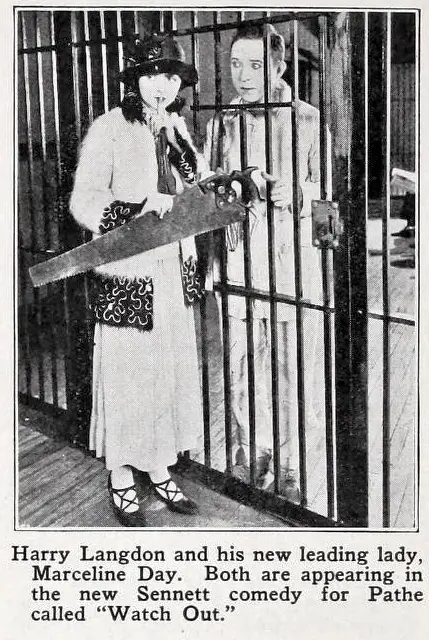
The film’s success is undeniably rooted in the extraordinary performances of its lead actors. Harry Langdon, in particular, showcases his unique brand of pathos and bewildered innocence. Unlike the more overtly acrobatic antics of a Keaton or the sentimental everyman of a Chaplin, Langdon's comedy often stemmed from his childlike vulnerability and his slow, almost dreamlike reactions to the world's absurdities. He doesn't just react; he processes, often with a delayed, wide-eyed stare that speaks volumes without a single intertitle. This allows the audience to not only laugh at his predicaments but to genuinely feel for his character. Marceline Day, with her elegant screen presence, provides a crucial anchor. Her portrayal of Marcie is one of quiet dignity and resourcefulness, a woman who navigates the unexpected twists of fate with grace and an inner strength that complements Harry's more outwardly flustered persona. The chemistry between them is palpable, adding a layer of genuine warmth to the escalating farcical events.
The supporting cast, including Eli Stanton, Tiny Ward, and Madeline Hurlock, contribute significantly to the vibrant tapestry of characters that populate this world. Their reactions, their exaggerated gestures, and their ability to embody distinct personalities within the silent film paradigm are essential to the film's overall comedic impact. Each character, no matter how minor, feels distinct and contributes to the overall sense of a bustling, slightly madcap universe where anything can happen.
Beyond the performances, 'The Luck o' the Foolish' is a testament to the sophisticated artistry of silent film direction. The pacing is expertly handled, building from gentle character-driven humor to a frenetic, tightly choreographed climax. The cinematography, while perhaps not groundbreaking for its era, is functional and effective, always serving the narrative and enhancing the visual gags. The use of intertitles is judicious, providing necessary plot points and dialogue without interrupting the flow of the visual storytelling. Indeed, the film's ability to communicate complex emotions and rapid-fire comedic beats purely through visual means is a masterclass in cinematic language. It demands attention to gesture, expression, and the careful staging of action, rewarding the attentive viewer with a richer, more immersive experience. The film's construction is a fine example of how silent films, despite the absence of synchronized sound, could convey intricate narratives and deeply felt emotions, often with a subtlety that modern cinema sometimes struggles to replicate.
At its core, 'The Luck o' the Foolish' explores themes that resonate far beyond its comedic surface. It is a story about resilience in the face of unexpected adversity, about the capacity of ordinary individuals to navigate extraordinary circumstances. The film posits that sometimes, the greatest 'luck' isn't the absence of misfortune, but the ability to find a way through it, often with a healthy dose of foolish optimism. Harry and Marcie, our winsome pair, embody this spirit perfectly. Their journey, from hopeful beginnings to unexpected setbacks and ultimately to a resolution born out of sheer chaotic coincidence, reflects a deeply human truth: life is unpredictable, and often, it's our 'foolish' persistence that carries us through. This sentiment echoes the journey of characters in films like The Big Adventure, where protagonists embark on quests that test their mettle and redefine their understanding of success and happiness.
The film also subtly touches upon class dynamics, contrasting the humble lives of Harry and Marcie with the opulent world of the partygoers. Marcie's role as a seamstress, and Harry's as a beat cop, place them firmly within the working class, making their eventual entanglement with the wealthy elite all the more amusing and symbolic. This exploration of social strata, often a backdrop for comedic or dramatic tension, can be seen in other films of the period like The Lion and the Mouse, which often explored the friction and occasional harmony between different social classes.
In an era that produced an astonishing array of cinematic wonders, 'The Luck o' the Foolish' distinguishes itself as a charming, often hilarious, and surprisingly poignant entry. It's a film that reminds us of the power of visual storytelling, the enduring appeal of well-crafted physical comedy, and the simple joy of watching endearing characters navigate life's absurdities. It may not possess the grand scale of some epic dramas, nor the groundbreaking technical innovations of certain experimental works, but it offers something equally valuable: pure, unadulterated entertainment infused with a warm, human spirit. For those keen to delve deeper into the rich tapestry of silent film, this particular piece offers a delightful journey, showcasing the unique talents of Harry Langdon and Marceline Day, and reaffirming the timeless appeal of a good story well told. Its blend of domestic comedy, lighthearted suspense, and character-driven humor ensures its place as a beloved classic, a testament to the enduring 'luck' of a foolish but ultimately winsome pair.
IMDb —
1917
Community
Log in to comment.