DbcultAccessing Vault...
7.4/10
Senior Film Conservator
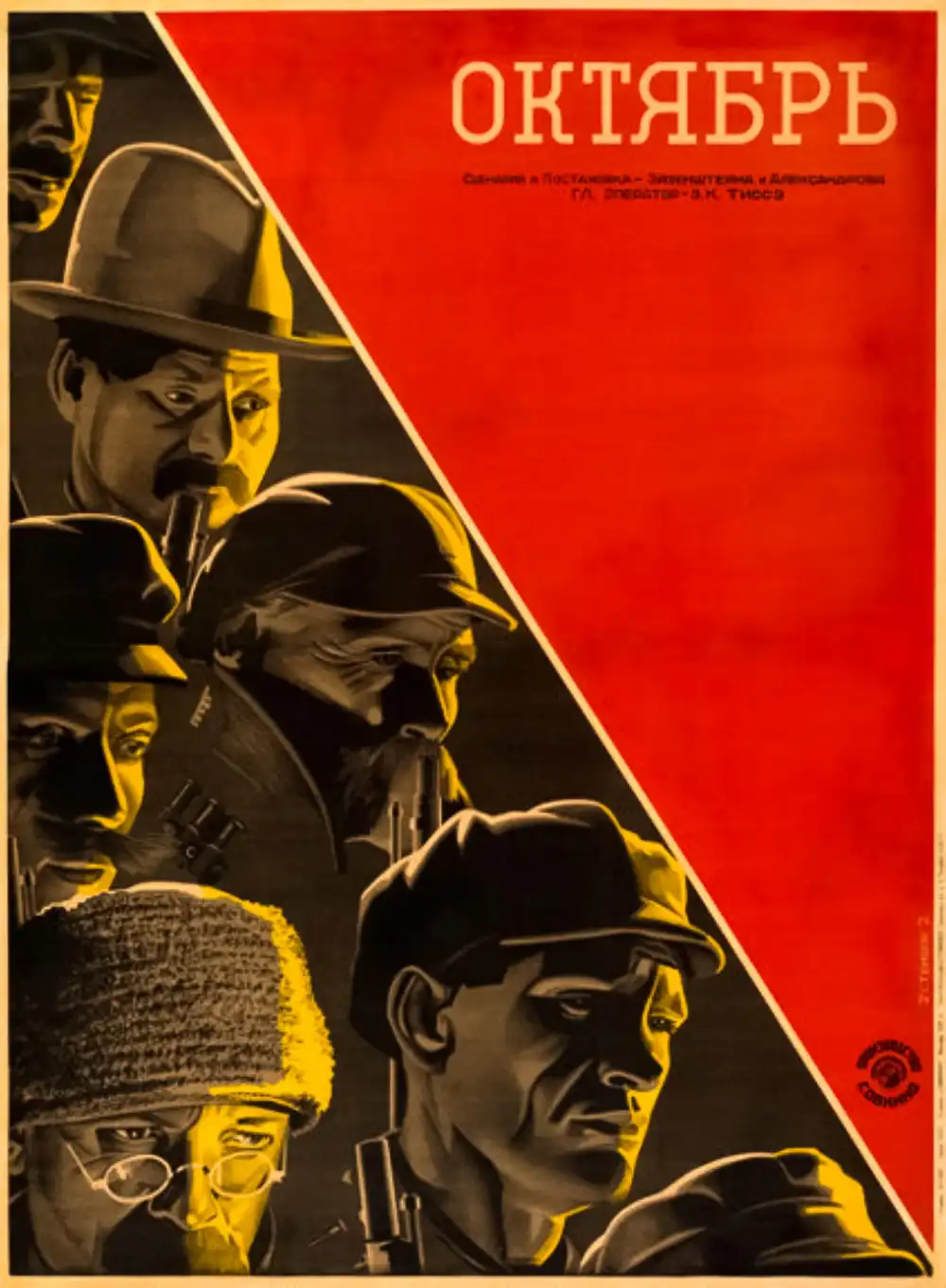
A definitive 7.4/10 rating for a film that redefined the boundaries of cult cinema. October (Ten Days that Shook the World) remains a cornerstone of transgressive art.
October (Ten Days that Shook the World) is not a movie you watch for the plot; it is a movie you watch to see the very foundation of modern film editing being poured. If you are looking for a human drama with a protagonist you can root for, you will find this film cold, confusing, and perhaps even exhausting. However, if you want to understand how a camera can be used as a weapon of persuasion, it is essential viewing. It is for the student of history and the lover of pure visual rhythm. It is definitely not for anyone who prefers the straightforward narrative structures of contemporary films like Quicksands or the serial-adventure pacing of Protéa.
Sergei Eisenstein famously rejected the idea of a single hero. In October, the hero is the proletariat—a faceless, churning mass of bayonets, flat caps, and determined glares. This choice makes the film feel massive, but it also creates a certain emotional distance. We don’t follow a soldier home to his family; we follow a thousand soldiers through a gate. When the film does focus on individuals, it’s usually to mock them.
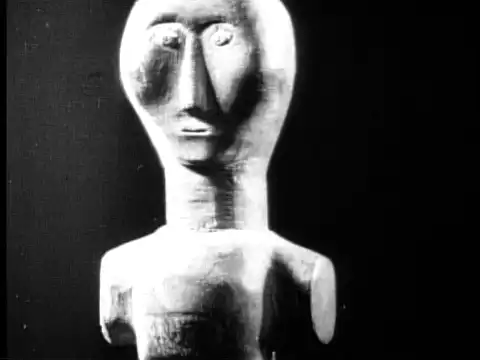
The depiction of Alexander Kerensky, the leader of the Provisional Government, is a masterclass in cinematic shade. Eisenstein cuts between Kerensky and a mechanical gold peacock that preens and spreads its feathers. It’s not subtle, but it’s incredibly effective. You see Kerensky’s boots climbing the stairs of the Winter Palace, intercut with titles listing his increasingly grand titles, and the editing makes him look like a ridiculous, self-important toy. This 'intellectual montage'—where two unrelated images are spliced together to create a new idea in the viewer's mind—is the film’s greatest strength and its most frequent indulgence.
If there is one sequence that justifies sitting through the slower middle hour, it is the raising of the bridges during the July Days. It is one of the most technically impressive and emotionally jarring sequences in silent cinema. As the bridges swing upward to divide the city and stop the protesters, Eisenstein captures a dead horse and a carriage caught on the seam.
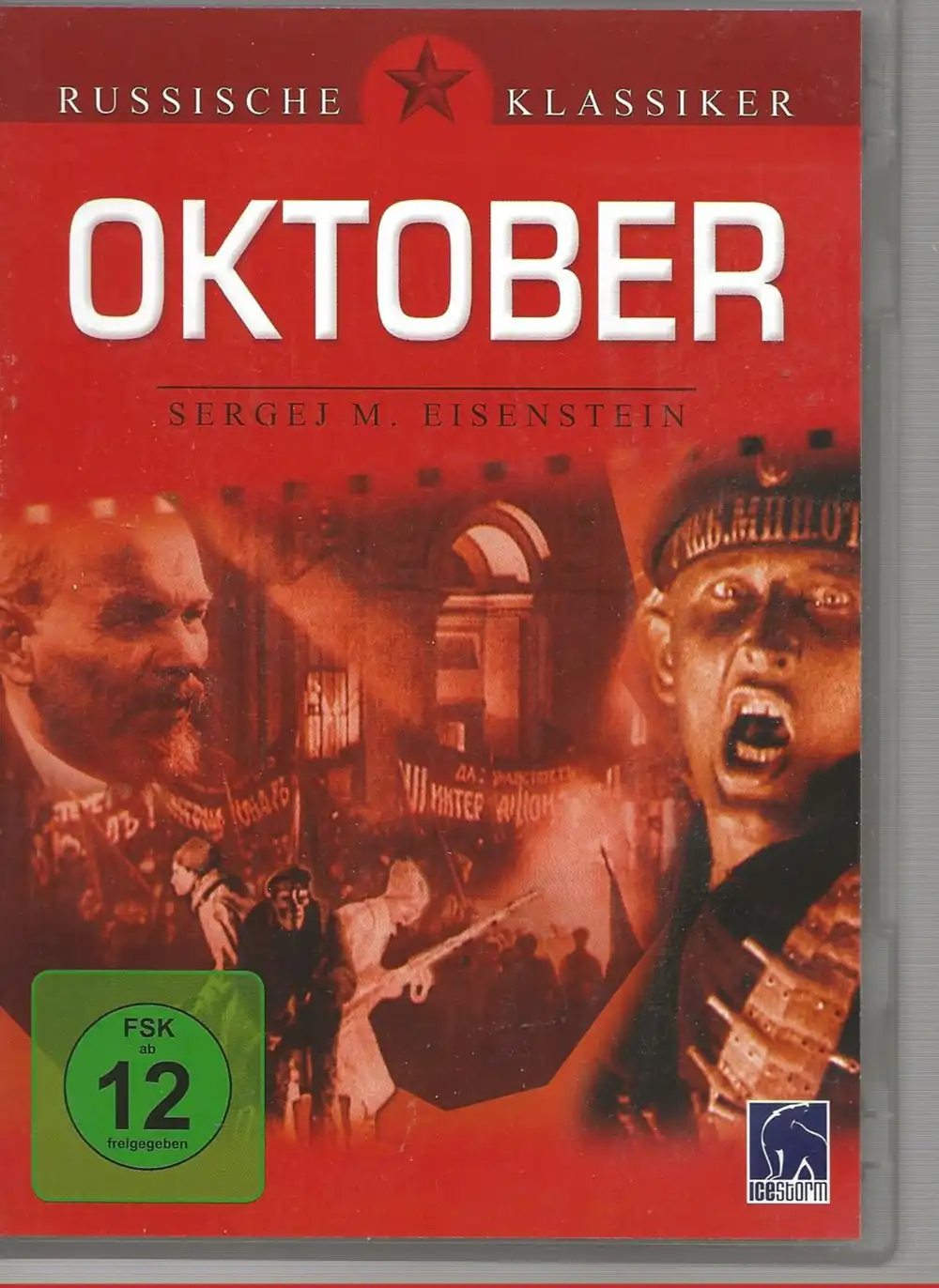
The camera lingers on the horse, its mane draped over the edge of the rising metal, until finally, it slides off and plunges into the Neva River. It’s a slow, agonizing piece of film that feels surprisingly modern in its brutality. The editing rhythm here accelerates until it’s almost nauseating, cutting between the straining machinery, the panicked crowds, and the bourgeois citizens watching with cold detachment. It’s a moment where the film moves past propaganda and into the realm of visceral, nightmarish reality.
Eisenstein’s use of objects as symbols is relentless. One of the most famous sequences is the 'God and Country' montage. To mock the idea of divine right and organized religion, the film rapidly cuts through a series of religious icons. It starts with an ornate, traditional crucifix and descends through increasingly 'primitive' or abstract idols from various cultures, ending with a simple wooden carving. The visual argument is clear: all religion is a construct, a series of masks.
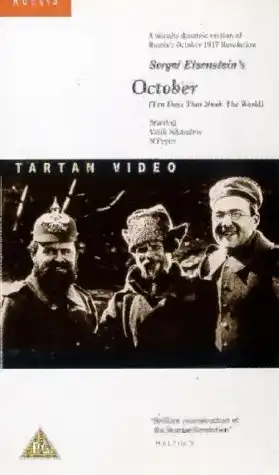
The lighting in these scenes is sharp and high-contrast, typical of Eduard Tisse’s cinematography. The statues are lit from below to look menacing, or from the side to emphasize their cold, stony texture. This isn't the soft, romantic lighting found in films like La secta de los misteriosos; this is industrial-strength imagery designed to hit the viewer like a hammer.
Despite its reputation for high-speed editing, October has several sections that feel like a slog. The political maneuvering between the Mensheviks and the Bolsheviks is handled through a barrage of intertitles that can be difficult to follow if you aren't intimately familiar with the specific political climate of Petrograd in 1917. There are long stretches where the visual invention takes a backseat to the demands of the state-commissioned history lesson.
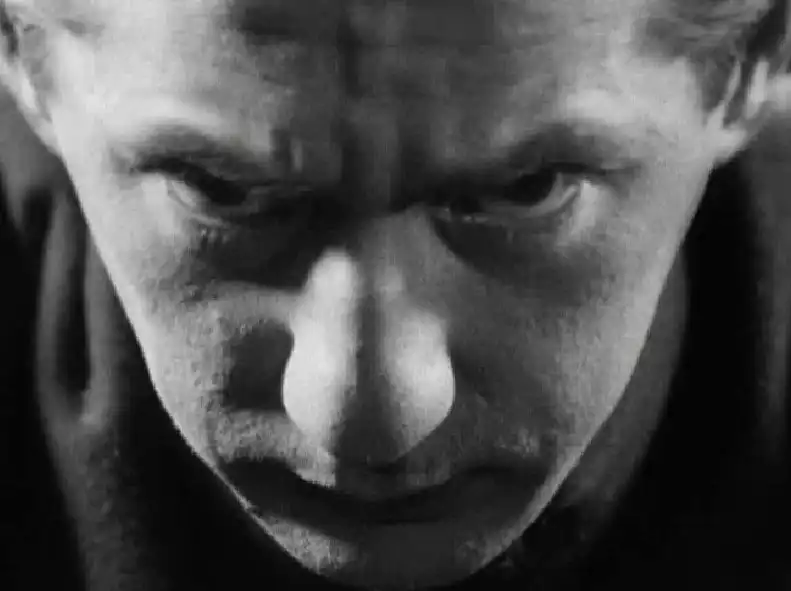
The performance of Vasili Nikandrov as Lenin is also a bit of a historical curiosity. Nikandrov wasn't an actor; he was a factory worker who happened to look exactly like Lenin. While his physical resemblance is striking, he doesn't really 'act' so much as he 'poses.' He stands on armored cars and points his finger toward the future. It’s iconography, not a performance. Compared to the expressive, theatrical acting in other films of the era, Nikandrov feels like a cardboard cutout moved around the set.
The climax of the film—the storming of the Winter Palace—is where the scale of the production is most evident. Thousands of extras swarm the gates and climb the ornate facades. There is a strange, voyeuristic quality to the scenes inside the palace. Eisenstein spends a significant amount of time showing the Bolsheviks discovering the Czarina’s private quarters.
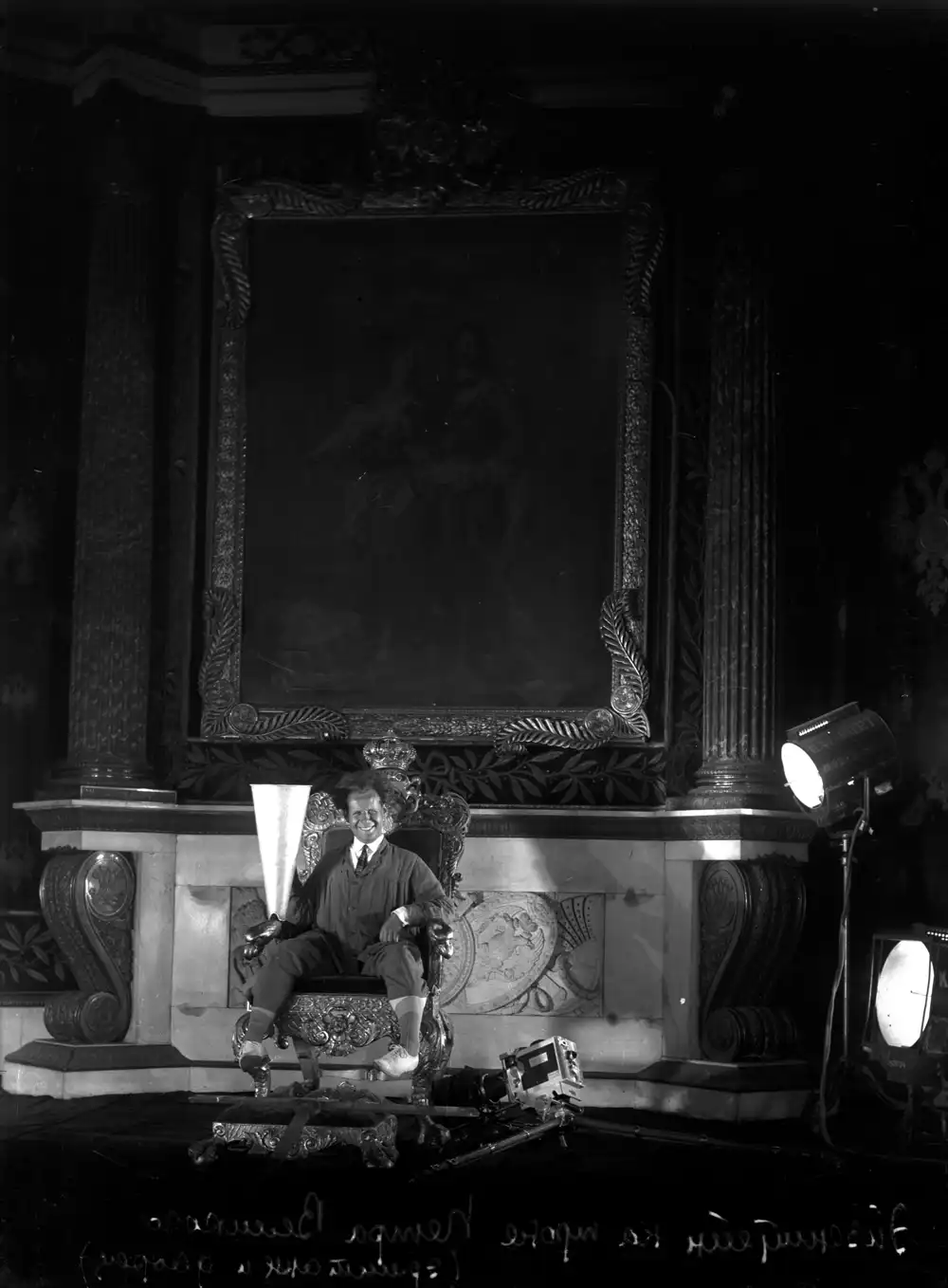
The camera pans across rows of fine china, delicate clocks, and massive wine cellars. There’s a specific, awkward moment where the soldiers are shown smashing the wine bottles, a scene meant to show revolutionary discipline over 'drunken' chaos, but it feels staged and slightly stiff compared to the frantic energy of the fighting outside. The sheer opulence of the palace is used as a silent antagonist, contrasting with the muddy, exhausted faces of the sailors and workers.
Is October worth watching today? Yes, but with caveats. It is a film that demands your full attention. You cannot have this on in the background. If you watch it, watch the restored version with the Edmund Meisel or Shostakovich score; the music is essential to maintaining the rhythmic pulse that Eisenstein intended.
"Eisenstein didn't just want to show you the revolution; he wanted to make your brain undergo a revolution while watching it."
The film is a fascinating contradiction: it is a technical masterpiece that is also a blatant piece of state propaganda. It is visually stunning yet emotionally sterile. You won't walk away feeling like you know the people involved, but you will walk away with images burned into your retinas—the white horse falling, the golden peacock spinning, and the endless sea of bayonets rising against the night sky. It remains a foundational text of cinema that proves a movie can be more than just a story; it can be an architecture of ideas.
IMDb —
1934
Community
Log in to comment.