DbcultAccessing Vault...
Cult Review
Senior Film Conservator
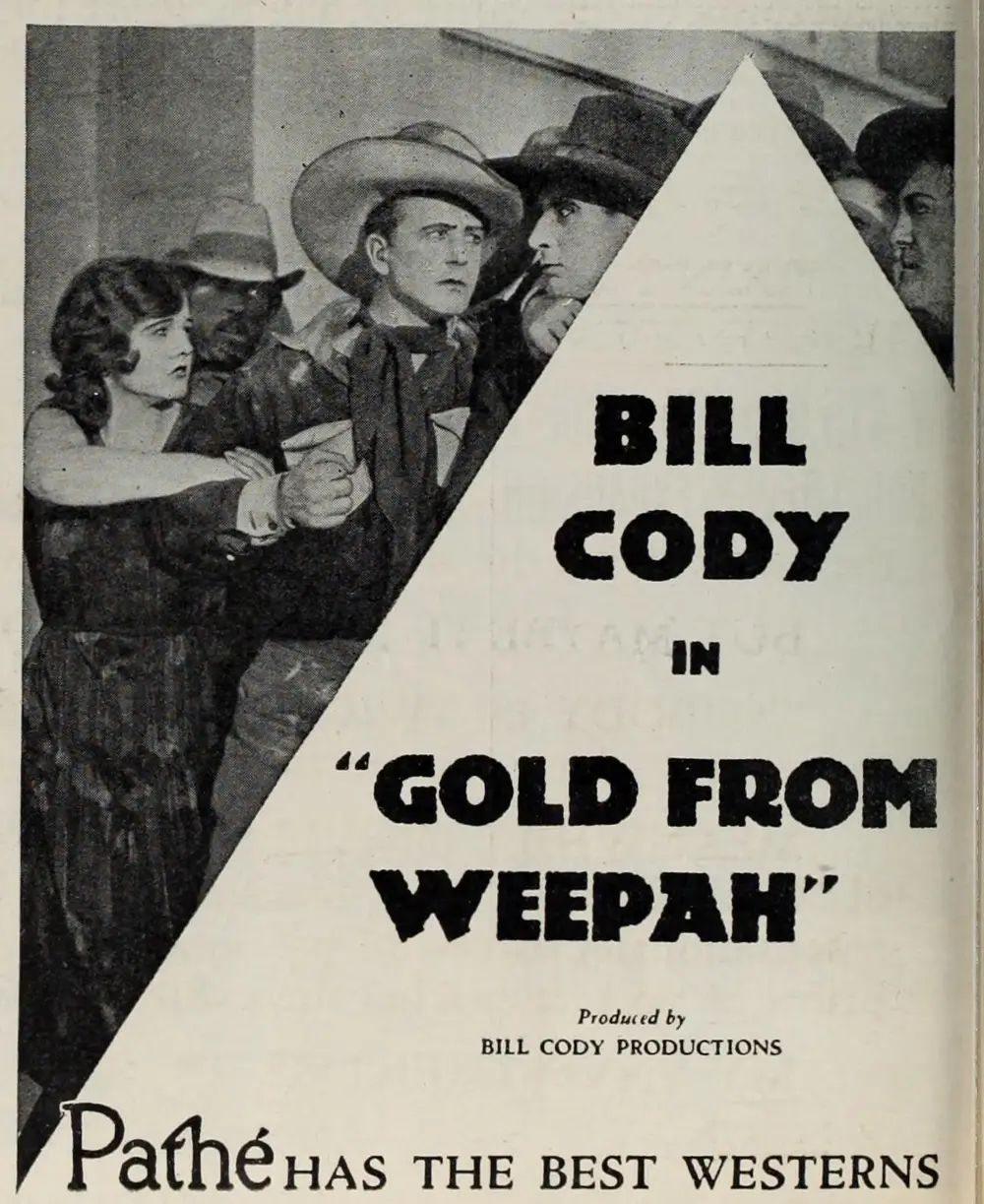
Can a silent Western from nearly a century ago still capture the imagination of a modern audience? Short answer: yes, but with a significant caveat. “Gold from Weepah” is a fascinating historical artifact that, against all odds, manages to deliver a surprisingly coherent and often engaging narrative, making it a worthwhile watch for specific cinephiles.
This film is unequivocally for students of silent cinema, Western genre enthusiasts, and those with a keen interest in early filmmaking techniques. It offers a raw, unfiltered glimpse into the storytelling conventions and societal values of its era. Conversely, it is decidedly NOT for viewers seeking fast-paced action, complex character studies, or modern cinematic polish. If your patience for intertitles is thin, or if you require a constant stream of dialogue, this dusty trail might prove too arduous.
This film works because... it distills the essence of the classic Western into its purest form: good versus evil, frontier justice, and burgeoning romance, all delivered with an earnestness that transcends its technical limitations.
This film fails because... its reliance on broad character archetypes and predictable narrative beats can feel simplistic to contemporary eyes, and its pacing, while deliberate, occasionally sags under the weight of exposition.
You should watch it if... you appreciate the foundational elements of cinema, desire to understand the roots of the Western genre, or simply enjoy a charming, if unsophisticated, tale of heroism and villainy.
“Gold from Weepah” represents a particular vein of early Hollywood filmmaking, where storytelling was paramount, often compensating for nascent technology with sheer narrative drive. Directed by a hand that understood the visual language of silent film, it showcases a remarkable economy of expression, even if some of its dramatic flourishes might seem quaint today. The film’s strength lies in its unpretentious embrace of genre tropes, delivering exactly what its contemporary audience expected: clear heroes, dastardly villains, and a resolution where virtue triumphs.
The journey of Jim Blaine (Dick La Reno) and his daughter Elsie (Doris Dawson) to the gold fields isn't just a plot device; it's a symbolic migration into the heart of American myth. We see the hope, the hardship, and the inherent danger of a land where fortunes could be made or lost in a single day. Their encounter with Bill Carson (Bill Cody) immediately establishes the film’s moral compass, setting up the classic Western triangle of damsel, hero, and the encroaching darkness personified by Steve Morton (Joseph Harrington).
The direction, while not groundbreaking by modern standards, is entirely competent for its era. The camera mostly observes, allowing the actors’ physical performances and the intertitles to carry the narrative weight. There’s a commendable clarity to the staging of key scenes, such as the initial robbery of Blaine’s gold dust or the climactic fire at the record office. The director understood how to use the full frame, often placing characters against vast, evocative Western backdrops that, even in black and white, hint at the grandeur of the landscape. This is a film that takes its time, allowing scenes to unfold with a deliberate, almost theatrical pacing.
Pacing in silent films is always a point of contention for modern viewers. “Gold from Weepah” maintains a steady, rather than breakneck, rhythm. While some sequences, particularly expositional ones, linger a touch too long, the narrative never truly grinds to a halt. The director skillfully punctuates these slower moments with bursts of action – a chase, a confrontation, a rescue – ensuring that the audience’s attention is periodically re-engaged. This ebb and flow, while not always perfect, is indicative of a thoughtful approach to silent storytelling, avoiding the frantic energy of some contemporaries while sidestepping the languidness of others. Consider its deliberate build-up compared to the more frenetic energy of a film like “Hit-the-Trail Holliday”, which often prioritized rapid-fire gags over narrative depth.
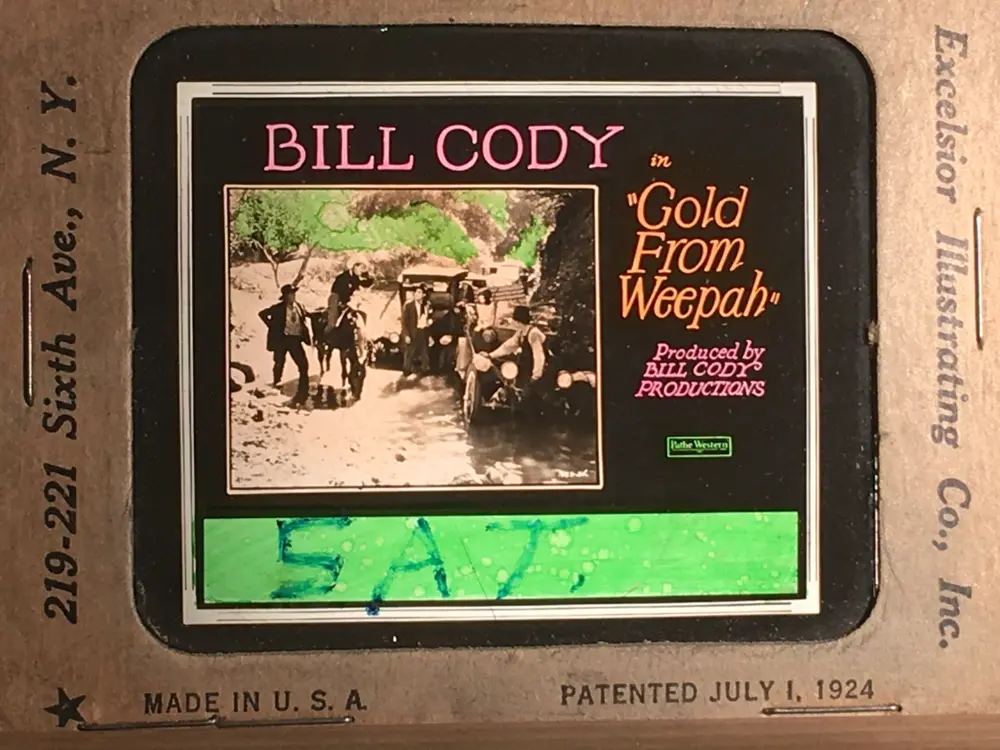
The cast of “Gold from Weepah” delivers performances that are wholly in keeping with the silent film tradition: broad, expressive, and often exaggerated. This isn't a criticism, but an observation of the craft. Without dialogue, actors had to convey emotion and intent through facial expressions and body language, and here, they largely succeed.
Bill Cody, as the heroic Bill Carson, embodies the stoic, honorable cowboy archetype with an appealing sincerity. His gestures are clear, his determination palpable. He's not a nuanced character, but he doesn't need to be; he's the moral center, the unwavering force for good. His interactions with Doris Dawson’s Elsie are particularly charming, conveying a nascent romance through stolen glances and protective stances, rather than overt declarations. Dawson, for her part, captures Elsie’s vulnerability and quiet strength effectively. Her violin playing, though unheard, is visually communicated as a source of both solace and allure within the rugged community.
Joseph Harrington’s Steve Morton is a wonderfully despicable villain. His sneering expressions and conniving demeanor leave no doubt as to his nefarious intentions. He’s the kind of villain you love to hate, a clear and present danger that drives much of the film’s conflict. Fontaine La Rue as Pearl, the jealous dancer, adds a layer of dramatic intrigue. While her motivations are perhaps less fully explored than they could be, her actions – particularly the kidnapping of Elsie – provide a crucial turning point, adding personal stakes to the broader conflict over gold claims. Her performance reminded me of the melodramatic flair often seen in films like “The Scarlet Oath”, where emotional extremes dictated character arcs.
The cinematography of “Gold from Weepah” is functional and, at times, surprisingly artistic. While not employing the complex camera movements or innovative shot compositions that would define later eras, it effectively uses wide shots to establish the desolate beauty of the Western landscape. The use of natural light, wherever possible, lends an authenticity to the outdoor scenes, grounding the drama in a tangible world. Close-ups are employed judiciously to emphasize emotional moments or crucial plot details, such as a stolen map or a key piece of evidence.
One particularly effective sequence is the burning of the record office. The flickering light and frantic movements of the actors, contrasted with Bill’s determined efforts to save the files, create genuine tension. It’s a moment where the visual storytelling truly shines, conveying danger and heroism without a single spoken word. This scene, while perhaps simple by today's standards, would have been quite impactful for audiences of the time, demonstrating the raw power of visual spectacle in early cinema.
At its core, “Gold from Weepah” is a morality play dressed in cowboy boots. It champions hard work, honesty, and communal solidarity against greed and corruption. The conflict between the honest miners and Morton’s gang of claim jumpers isn't just about gold; it's about the very soul of the frontier, about whether law and order can take root in a wild, lawless land. This thematic simplicity is, in my opinion, one of its greatest strengths. It provides a clear, resonant message that is easy to grasp, making it accessible even to those unfamiliar with the conventions of silent film.
An unconventional observation I made while watching this film is how effectively the sound of silence actually contributes to its atmosphere. Without dialogue, the viewer is forced to pay closer attention to every visual cue, every gesture, every detail in the frame. This creates a more immersive experience than one might expect, drawing you into the world of Weepah in a way that modern, sound-saturated films sometimes struggle to achieve. It’s a subtle but powerful reminder of cinema’s foundational power as a visual medium.
Another point of interest is the portrayal of women. Elsie is not merely a passive damsel; she's a source of inspiration and a catalyst for Bill's heroism. Her violin playing is presented as a civilizing force in the rough-and-tumble dance hall, a touch of beauty amidst the grit. Pearl, while antagonistic, is also a woman of agency, driven by powerful emotions. This isn't a progressive feminist statement, but it does show women as active participants in the drama, not just background figures. It’s a nuanced detail often overlooked in discussions of early Westerns, which are sometimes dismissed as purely masculine narratives.
“Gold from Weepah” is more than just a historical curiosity; it’s a surprisingly robust example of early Western filmmaking. It works. But it’s flawed. While it won't redefine your understanding of cinema, it offers a charming, unpretentious journey into a bygone era of storytelling. Its directness, its clear moral lines, and its commitment to the classic Western narrative make it an engaging watch for those willing to meet it on its own terms. It serves as a valuable reminder of where the genre, and indeed cinema itself, began.
For those with an appreciation for the silent era, this film is a nugget worth unearthing. It’s a testament to the enduring power of simple, well-told stories, even when stripped of sound and color. It's not a masterpiece on par with "Sahara" or the grand epics that would follow, but it's a solid, enjoyable piece of cinematic history that still holds a glint of its original luster. Give it a chance, and you might find yourself surprisingly invested in the fate of Weepah's gold and its inhabitants.
IMDb 6.3
1935
Community
Log in to comment.