DbcultAccessing Vault...
Cult Review
Senior Film Conservator
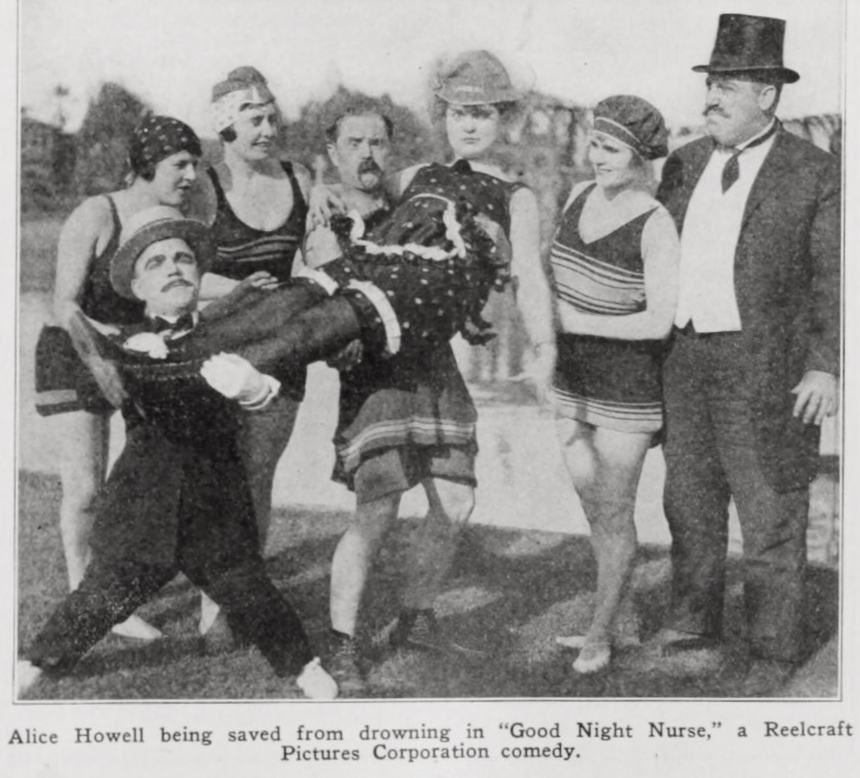
The cinematic landscape of the silent era is replete with films that, while perhaps not as well-known today, offer fascinating insights into the evolution of comedy and the art of storytelling. Good Night, Nurse, a 1918 film featuring the inimitable Alice Howell, is one such example. This movie, with its blend of physical humor and situational comedy, presents a unique window into the comedic sensibilities of its time, echoing the style of other films from the era, such as Defense or Tribute? and Saved in Mid-Air.
At the heart of Good Night, Nurse is Alice Howell, an actress whose comedic talents are on full display throughout the film. With a cast that includes E. Villipp, Phil Dunham, and Frank J. Coleman, the movie navigates a series of misadventures, each showcasing Howell's ability to evoke laughter through her expressions and physical antics. This capacity for comedy, reminiscent of other silent film stars, underscores the enduring appeal of silent cinema, even in the face of technological advancements that would eventually give rise to the 'talkies.'
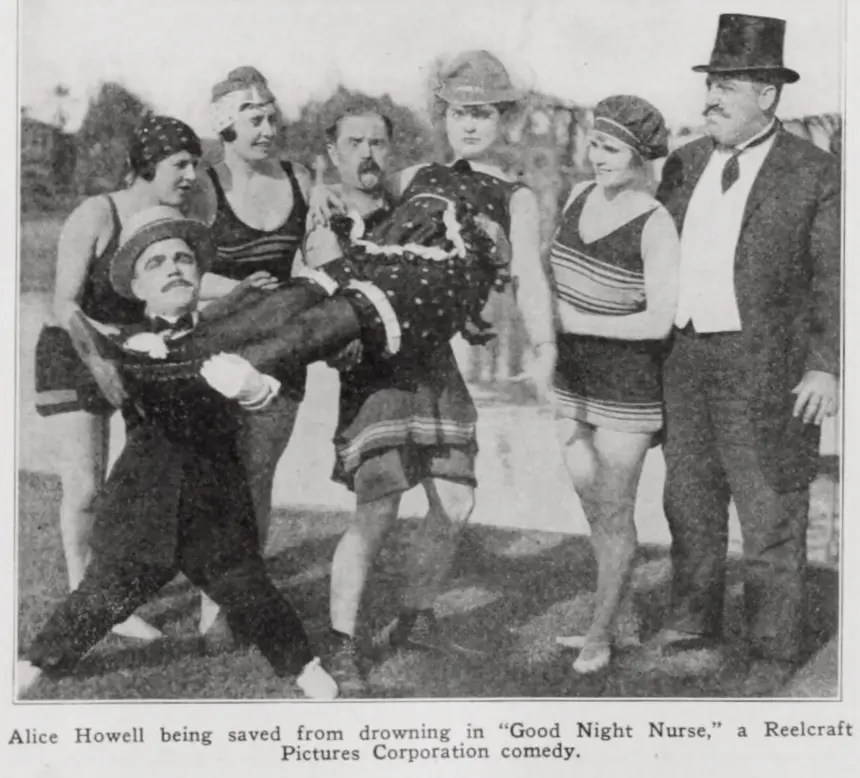
The narrative of Good Night, Nurse is characterized by its chaotic, somewhat disjointed nature, a trait that, while potentially bewildering to modern audiences, contributes to the film's comedic charm. This style, while unique, finds parallels in other films of the era, such as Die Königstochter von Travankore and Az éjszaka rabja, each offering its own brand of situational comedy and physical humor. The comparison with these films highlights the diverse comedic landscape of the silent era, where different styles and approaches to humor coexisted and influenced one another.
In analyzing Good Night, Nurse, it becomes apparent that the film's comedic success can be attributed, in large part, to the talents of its lead actress. Alice Howell's ability to convey emotion and evoke laughter through pantomime and physical comedy is a testament to her skill as a performer and the expressive capabilities of silent film. This aspect of the movie resonates with viewers, providing a connection to the comedic traditions of the past while also underscoring the timelessness of well-crafted comedy.
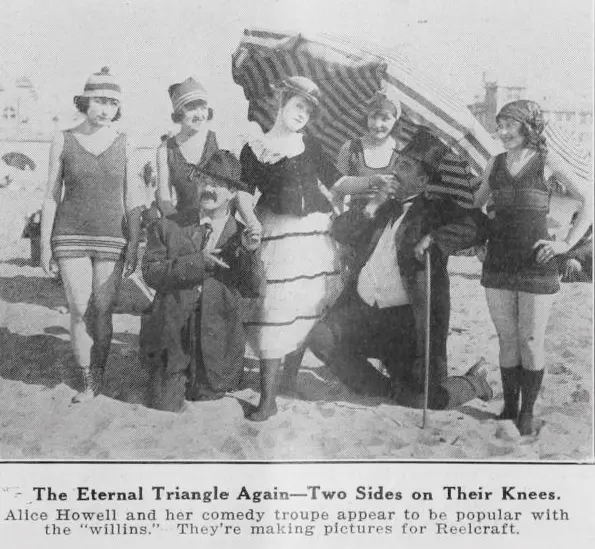
The film's place within the broader context of silent cinema is also noteworthy. Good Night, Nurse can be seen as part of a continuum that includes films like Der Einbruch and The Jack of Hearts, each contributing to the rich tapestry of comedic styles that defined the era. This continuum, marked by innovation and experimentation in comedic storytelling, laid the groundwork for future generations of comedians and filmmakers.
Moreover, the influence of Good Night, Nurse and similar films can be seen in later comedic works. The physical humor and situational comedy that are hallmarks of this movie find echoes in a wide range of films and television shows that followed. This legacy, while not always directly acknowledged, is a testament to the enduring impact of early cinematic comedies on the development of comedy as a whole.
In conclusion, Good Night, Nurse stands as a fascinating example of silent era comedy, with Alice Howell's performance at its core. The film's chaotic narrative, while challenging, adds to its comedic appeal, placing it alongside other notable films of the era, such as The Purple Mask and The Chalice of Sorrow. As a window into the past, Good Night, Nurse offers a unique glimpse into the evolution of comedy and the art of silent storytelling, reminding us of the power of film to transcend time and evoke emotions across generations.
For those interested in exploring further the comedic landscape of the silent era, films like War Spruce, Die Brüder von Zaarden, Westward Ho!, The Pursuit of the Phantom, and One Dollar Bid are also worthy of consideration. Each of these films, in its own way, contributes to our understanding of the silent era's comedic richness and diversity.
IMDb 5.7
1932
Community
Log in to comment.