DbcultAccessing Vault...
Cult Review
Senior Film Conservator

Is Les fiançailles rouges worth your time in the modern era? Short answer: yes, but only if you view it as a historical artifact of French social transition rather than a narrative powerhouse. This film is specifically for those who appreciate the slow, deliberate pacing of late-silent European cinema and students of early 20th-century costume drama. It is absolutely not for viewers who require rapid-fire editing or a plot that resolves without heavy doses of theatrical angst.
In the landscape of 1927 cinema, this production stood as a testament to the sophistication of the French industry before the talkies arrived. While Hollywood was experimenting with films like South Sea Love, Roger Lion was focused on a more interior, psychological brand of storytelling. The film works because it captures the suffocating atmosphere of social obligation with surgical precision. However, it fails because the script relies on coincidences that even for 1927 felt a bit tired. You should watch it if you want to see Jean Murat at the peak of his silent-era charisma or if you are tracking the evolution of French melodrama.
The cinematography in Les fiançailles rouges is its strongest asset. The camera doesn't just record the actors; it traps them. In one specific scene where Ginette Robert’s character is confronted in a dimly lit drawing room, the use of shadows creates a cage-like effect on the walls. This isn't the whimsical light play found in Feline Follies; it is heavy, oppressive, and intentional. The lighting designer clearly understood that in a silent film, the contrast between light and dark must do the heavy lifting of the dialogue.
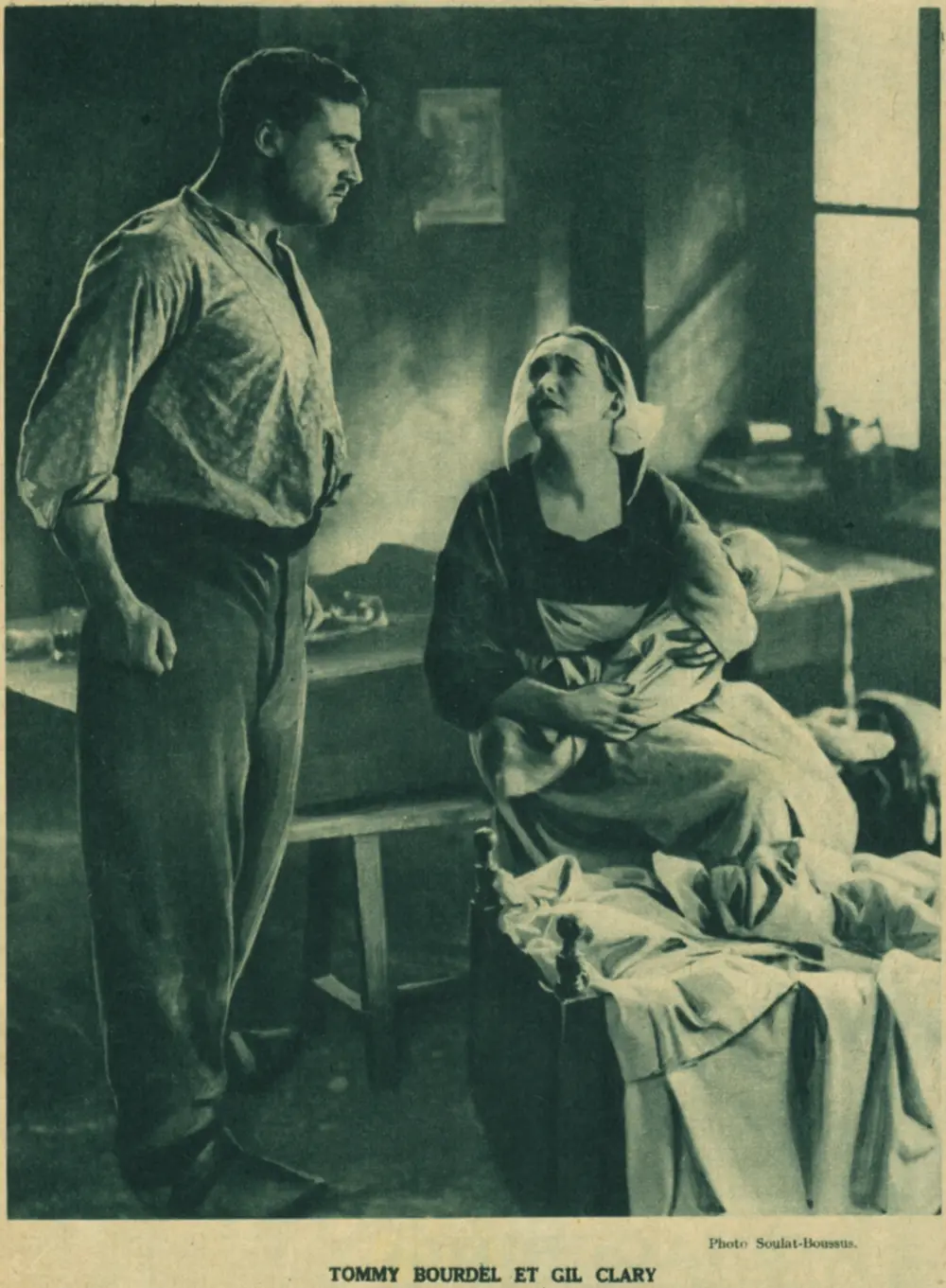
The framing is equally deliberate. Lion often places characters at opposite ends of the frame, emphasizing the emotional distance between them despite their physical proximity. This technique is particularly effective during the engagement dinner, where the clinking of glasses (implied) feels more like the sharpening of knives. It is a masterclass in tension without movement. Every gesture, from the tightening of a glove to the slight tilt of a head, is magnified. It works. But it’s flawed by its own obsession with stillness.
Jean Murat delivers a performance that is surprisingly restrained for the era. While many of his contemporaries were still leaning into the exaggerated pantomime of early silent film, Murat uses his eyes to convey a sense of weary resignation. His performance stands in stark contrast to the more kinetic energy seen in The Midnight Guest. He anchors the film, preventing it from drifting too far into the realm of soap opera.
Ginette Robert, on the other hand, is tasked with the more emotional heavy lifting. There is a moment in the second act where she realizes her past is about to be exposed. The camera lingers on her face for a full thirty seconds. In that time, we see a transition from confidence to terror to cold calculation. It is a stunning bit of acting that proves you don't need sound to tell a complex story. However, the supporting cast, particularly the elder relatives, often fall back on the very cliches the leads are trying to avoid. They represent the 'old guard' both in the story and in acting styles.
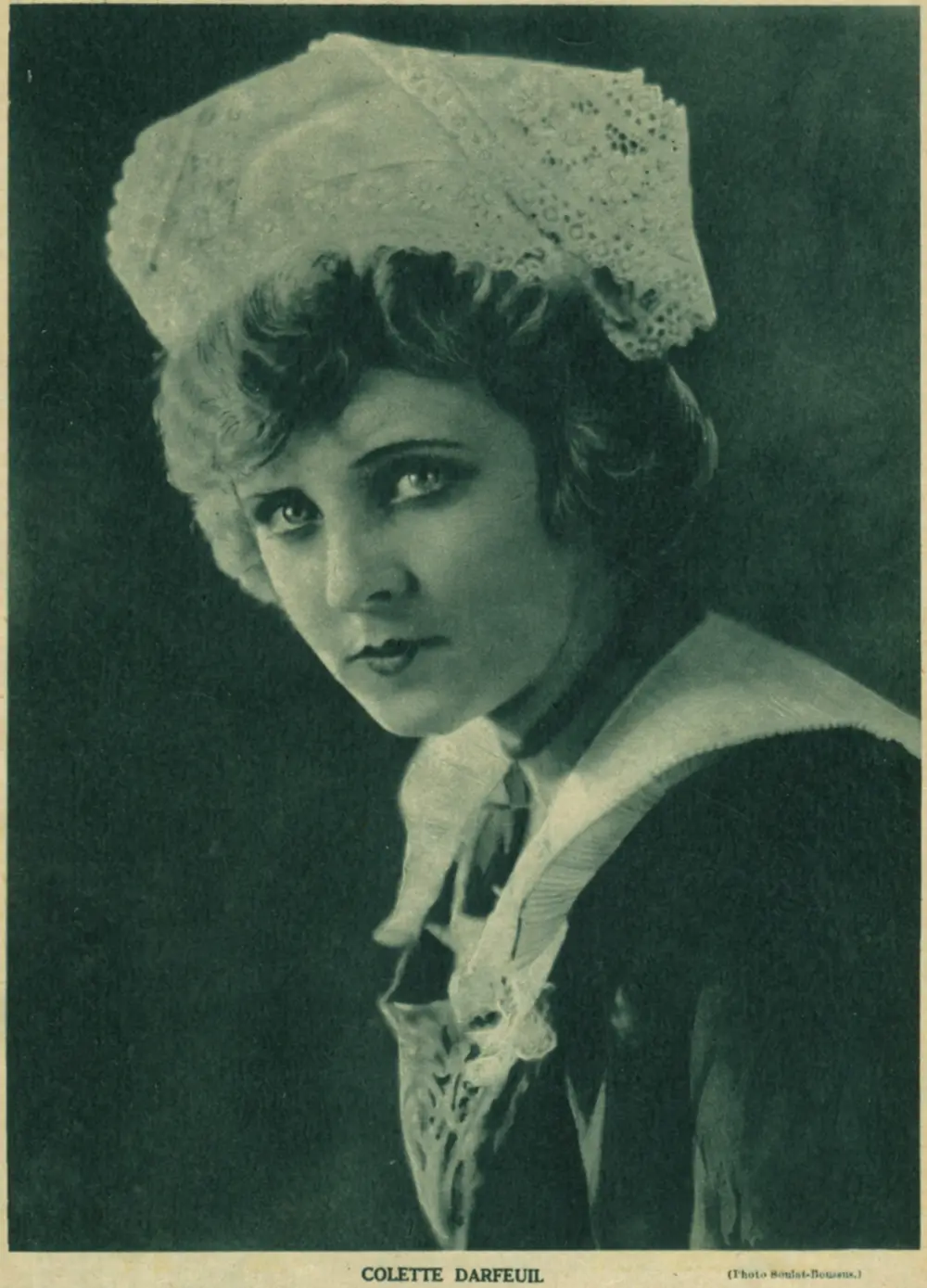
The pacing of Les fiançailles rouges is, frankly, glacial. If you are used to the punchy rhythm of Alice Cuts the Ice, this will feel like watching paint dry. But that is the point. The film is meant to feel heavy. The tone is one of inevitable tragedy, a slow-motion car crash involving horse-drawn carriages and silk gowns. There is no levity here; even the moments of supposed romance are tinged with the knowledge that everything is built on a lie.
The writers—Roger Lion, Lawrence Arnold, and Georges Spitzmuller—clearly wanted to make a statement about the rigidity of the French class system. Every scene is a brick in a wall that eventually entombs the protagonists. While this makes for a cohesive theme, it does make the middle hour a bit of a slog. There are sequences involving long-winded letters being read that could have been handled with more visual flair. It’s a film that demands your full attention, yet doesn't always reward it with excitement.
Yes, for the cinema historian. Les fiançailles rouges is a vital piece of the puzzle in understanding how French cinema moved from the avant-garde experiments of the early 20s toward the poetic realism of the 30s. It lacks the abstract energy of Rhythmus 23, but it gains points for its grounded, human drama. If you can forgive the technical limitations of 1927, there is a deeply moving story about the cost of honesty hidden beneath the layers of lace and dust.
Pros:
Cons:
Roger Lion’s direction is conservative but effective. He doesn't take the risks that a director like Fritz Lang might have taken in the same year, but he has a firm grasp on the emotional core of his characters. He treats the script by Arnold and Spitzmuller with a reverence that is both a blessing and a curse. By sticking so closely to the theatrical roots of the story, he captures the intensity of a stage play but loses some of the fluid potential of the camera.

Compare this to something like Sally in Our Alley, which feels much more 'street-level' and alive. Les fiançailles rouges is a 'studio' film in the truest sense. Everything is controlled. Everything is curated. This creates a beautiful, if somewhat sterile, viewing experience. The writing is sharp in its dialogue (via intertitles), but the structure is repetitive. We see characters worry about the same secret in three different rooms before the plot finally moves forward.
One thing that struck me was the film's treatment of the 'villain.' In many films of this era, like Guilt or Dark Secrets, the antagonist is clearly marked by their actions or appearance. In Les fiançailles rouges, the villain is the system itself. There is no single person to blame; everyone is a victim of their own social standing. It is a surprisingly modern, nuanced take for a film nearly a century old. It refuses to give the audience a simple catharsis.
The film also features a brief but fascinating look at the domestic staff. While they are mostly in the background, their silent observations of the drama unfolding above them add a layer of voyeurism. It reminds me of the class dynamics in The Plumber, though handled with far more gravity here. It’s these small touches that elevate the film above its more generic contemporaries.
Les fiançailles rouges is a demanding watch that requires the viewer to meet it halfway. It doesn't offer the easy thrills of A Fight for Millions or the broad comedy of In-Bad the Sailor. Instead, it offers a somber, beautifully shot meditation on the death of the heart in the face of societal duty. It’s a film that lingers in the mind long after the final intertitle fades. It is not a masterpiece, but it is a significant work that deserves more than to be a footnote in cinema history. If you have the patience, the 'Red Engagement' will eventually win you over with its cold, calculated beauty. It’s a relic, but one that still has a sharp edge.
IMDb —
1923
Community
Log in to comment.