DbcultAccessing Vault...
Cult Review
Senior Film Conservator
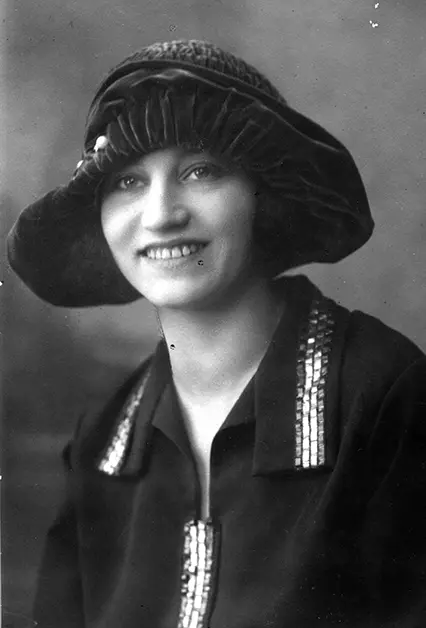
Stepping into the world of Verborgene Gluten (Hidden Guilt) is akin to unearthing a forgotten treasure from the golden age of cinema. This film, a poignant creation from the pen of Patrick Macgnil, transcends mere storytelling; it’s a profound exploration of societal constraints, forbidden passions, and the crushing weight of secrets. From the moment the first intertitle appears, you're not just watching a narrative unfold, but experiencing a visceral journey into the human heart, caught between duty and desire. It's a silent film that speaks volumes, its visual poetry and the expressive power of its cast carving an indelible mark on the soul.
The film introduces us to Elara von Rheinfels, portrayed with breathtaking nuance by Mary Hainlin. Elara is not merely a character; she is an embodiment of the era's contradictions – a woman of aristocratic bearing trapped within the gilded cage of expectation. Her impending marriage to Baron Leopold Kestner (Georg H. Schnell), a man whose ambition eclipses any genuine affection, is a stark reminder of the transactional nature of high society. Hainlin conveys Elara's inner turmoil with an exquisite subtlety, her eyes often betraying a deeper yearning that her societal role demands she suppress. It’s a performance that resonates with the quiet desperation of countless women confined by the rigid structures of their time.
Her clandestine encounter with Julian Thorne, brought to life by the magnetic Alphons Fryland, ignites the central conflict. Fryland, with his intense gaze and commanding presence, perfectly embodies the passionate, free-spirited artist. Their connection is immediate and palpable, a testament to the raw chemistry between the two leads. It's a love affair born of defiance, a desperate grasp for authenticity in a world built on artifice. Their stolen moments are imbued with an almost tragic beauty, foreshadowing the inevitable heartbreak that societal norms will inflict upon them. The film, in this regard, shares a thematic resonance with works like The Impossible Mrs. Bellew, where individual desires clash violently with the unyielding force of social convention and moral codes.
The revelation of Elara's pregnancy is the fulcrum upon which the entire narrative pivots. The film masterfully portrays the sheer terror and desperation of a woman facing such a scandal in an unforgiving era. The lengths to which Elara goes to protect her family's honor, and more importantly, the life of her child, Lena, are heartbreaking. Gertrude McCoy, as Aunt Hilda, offers a portrayal of quiet strength and unwavering loyalty, a beacon of compassion in Elara's darkest hour. Her character serves as a crucial anchor, embodying the silent sacrifices often made by marginalized figures in the service of family. The decision to spirit Lena away, to erase her from Elara’s public life, is a testament to the devastating power of societal judgment, a theme explored with stark realism.
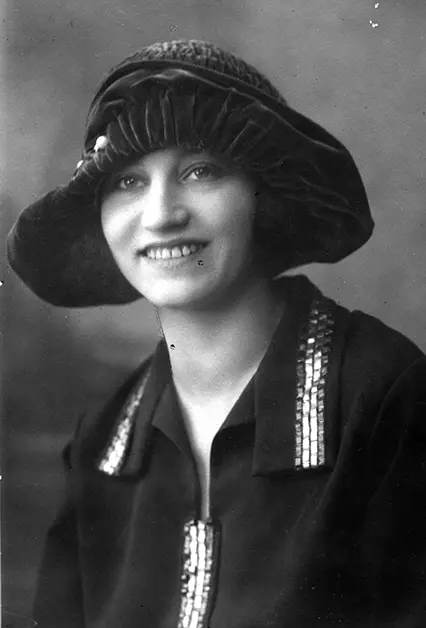
Julian's subsequent heartbreak, his belief that Elara chose duty over love, is rendered with gut-wrenching sincerity by Fryland. The years that pass are filled with unspoken grief and lingering questions, setting the stage for a reunion fraught with tension and rekindled yearning. This narrative device, where past transgressions resurface to haunt the present, is a potent one, reminiscent of the dramatic revelations found in films like The Forbidden Room, where long-buried secrets relentlessly claw their way to the surface, demanding reckoning.
The film's second act masterfully builds tension as the threads of fate begin to intertwine. Julian, now a celebrated artist, is commissioned to sculpt Elara, forcing a confrontation with his past love. Hainlin and Fryland deliver powerful, wordless dialogues through their expressions, capturing the pain, regret, and enduring attraction that simmer beneath the surface of their polite interactions. Meanwhile, Lisa Deihle, as the spirited young Lena, brings a refreshing innocence to the narrative. Her unwitting connection with Julian, her biological father, is a stroke of narrative genius, adding layers of tragic irony and suspense. Deihle’s portrayal of Lena is full of youthful vitality, making her a sympathetic figure whose fate becomes inextricably linked to the hidden guilt of her parents.
The introduction of Mary Nolan as Agnes, the vengeful former maid, injects a potent dose of external threat. Nolan’s portrayal of Agnes is chillingly effective, embodying the destructive potential of resentment and social injustice. Her attempts at blackmail are not merely plot devices; they are manifestations of the societal underbelly, the dark mirror to the glittering surface of aristocracy. Gloria Sved, as Lady Beatrice, adds another dimension to the ensemble. Her character, a keen observer of human folly and hidden passions, embodies the watchful, often judgmental, eye of society, subtly manipulating events or merely reflecting the moral ambiguity of the era. Her presence heightens the sense of impending doom, as though the very air is thick with unspoken accusations and veiled threats.
The climax of Verborgene Gluten is a masterclass in silent film drama. The grand unveiling of Julian's sculpture of Elara becomes the stage for a devastating confrontation. Agnes’s desperate, furious attempt to expose the truth ignites a firestorm, laying bare the meticulously constructed lies. Hainlin's performance during this sequence is nothing short of transcendent. Her face, a canvas of conflicting emotions – terror, defiance, love, and agonizing regret – conveys the immense burden of her secret and the profound sacrifice she made. The moment of revelation, when Lena's true parentage is exposed, is not just a plot point; it is a shattering of illusions, a cathartic release of years of bottled-up pain and unspoken truths. Ferdinand Martini, in a supporting role, perhaps as a family patriarch or a figure of moral authority, adds gravitas to the societal fallout, his reactions mirroring the conservative judgments of the time.
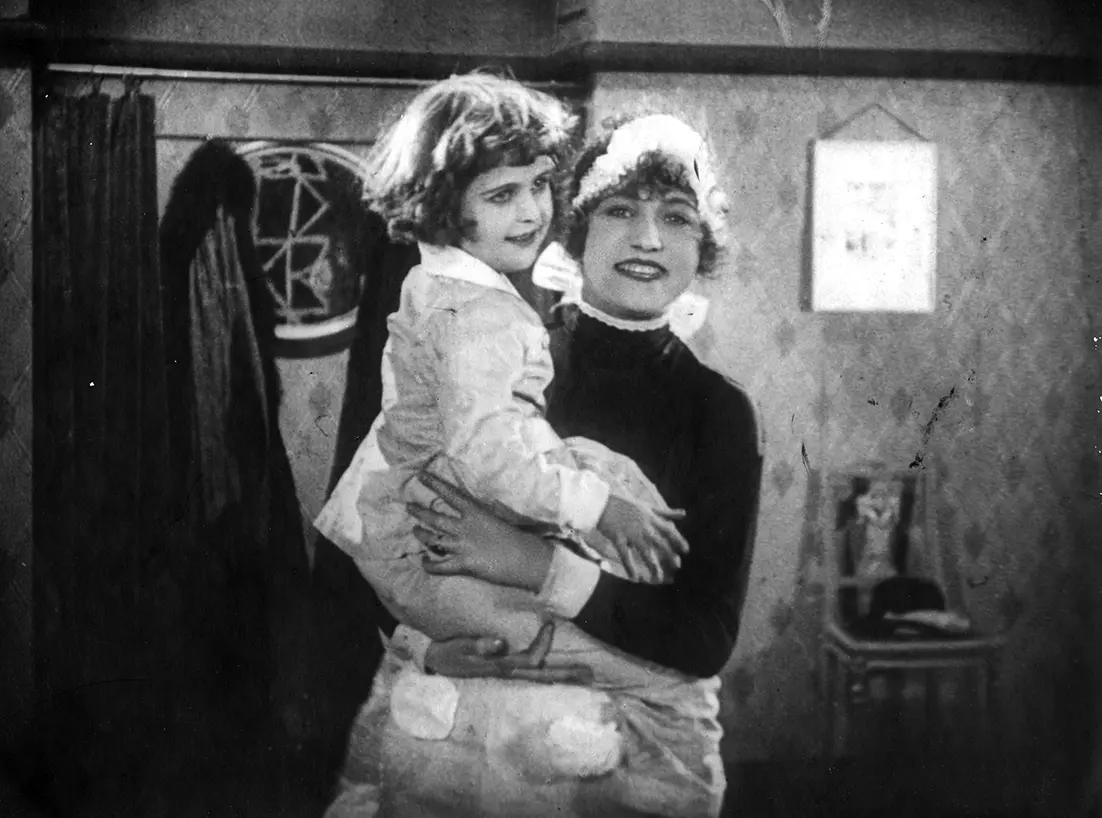
The film's strength lies in its refusal to offer a simplistic happy ending. Instead, it leaves the audience to grapple with the profound consequences of the truth. The 'verborgene gluten' – the hidden guilt – is not merely Elara’s; it is a collective burden, shared by Julian for his unwitting abandonment, by society for its unforgiving strictures, and by Lena for a childhood shadowed by secrecy. This nuanced approach to resolution elevates the film beyond a mere melodrama, positioning it as a timeless commentary on human fallibility and the enduring power of love and sacrifice. It possesses a raw emotional honesty that sets it apart from more conventional narratives of its era, such as the more overtly moralistic tones sometimes found in films like Pay Me! or even the straightforward romanticism of Heart of Gold. Verborgene Gluten delves deeper, into the moral grey areas that define genuine human experience.
Patrick Macgnil's screenplay is a marvel of intricate plotting and character development, especially considering the constraints of silent film. The narrative flows with a naturalistic pace, allowing the audience to fully immerse themselves in the emotional landscape. The direction, though uncredited in the prompt but undoubtedly a guiding force, would have utilized every available cinematic tool – expressive close-ups, evocative set design, and symbolic mise-en-scène – to convey the film’s rich emotional tapestry. The visual storytelling is paramount, with each gesture, each glance, carrying immense weight. The use of light and shadow, typical of the period, would have been employed to heighten the dramatic tension and underscore the characters' internal struggles, creating a chiaroscuro effect that mirrors the moral ambiguities of the plot.
The performances across the board are exemplary. Alphons Fryland and Mary Hainlin deliver career-defining roles, their silent expressions speaking volumes that modern dialogue often struggles to capture. The supporting cast, including Gloria Sved, Mary Nolan, Lisa Deihle, Georg H. Schnell, Gertrude McCoy, and Ferdinand Martini, each contribute essential nuances that build a rich, believable world around the central tragedy. Their collective talent ensures that every character, no matter how brief their appearance, leaves an impression, contributing to the overarching themes of love, loss, and the relentless march of fate. This ensemble work, where every actor is finely tuned to the emotional frequency of the story, is a hallmark of truly great silent era filmmaking, often seen in the best dramatic productions of the time.
In conclusion, Verborgene Gluten stands as a powerful testament to the artistry and emotional resonance of silent cinema. It is a film that challenges, moves, and ultimately lingers in the mind long after the final frame. Its exploration of forbidden love, societal hypocrisy, and the enduring burden of secrets remains as relevant today as it was in its own time. For those who appreciate cinema that delves deep into the human condition, that prioritizes genuine emotion over spectacle, this film is an absolute imperative. It is not merely a historical artifact; it is a vibrant, living piece of art that continues to speak to the universal experiences of longing, sacrifice, and the relentless pursuit of truth, even when that truth comes with a devastating cost. A truly unforgettable cinematic experience.
IMDb —
1930
Community
Log in to comment.