DbcultAccessing Vault...
Cult Review
Senior Film Conservator
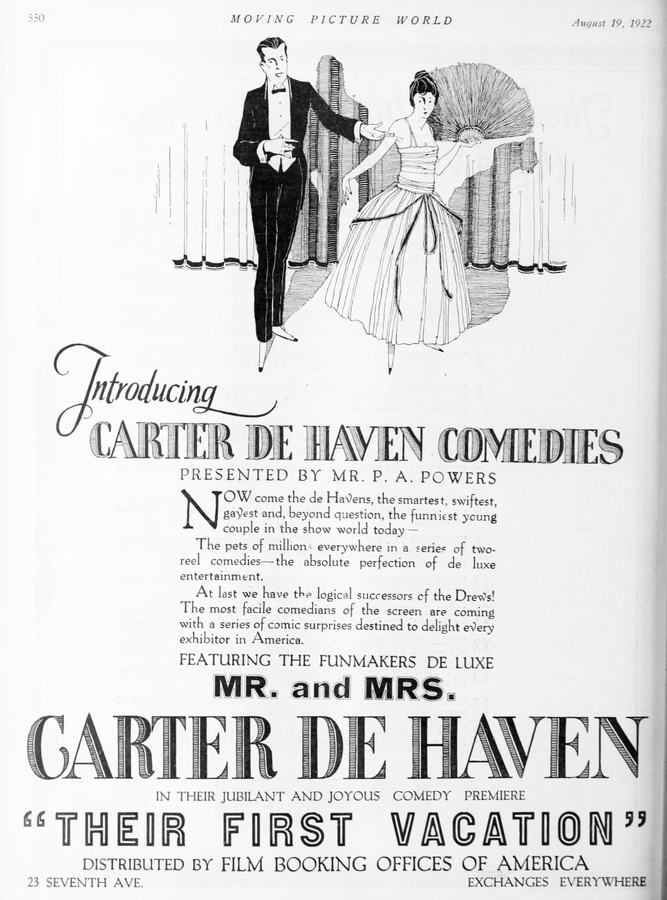
There’s a unique charm that emanates from the silent era, a period where narrative prowess was conveyed not through spoken dialogue but through exaggerated gesture, expressive facial contortions, and the evocative power of intertitles. Among the myriad of films from this foundational epoch, 'Their First Vacation' stands as a fascinating, if perhaps under-celebrated, artifact. Released at a time when cinema was rapidly evolving from mere novelty to a sophisticated art form, this particular feature, penned by the talented Beatrice Van and Carter DeHaven, and directed by DeHaven himself, offers a compelling glimpse into the comedic sensibilities of the early 20th century. It’s a riotous romp that, despite its age, still manages to elicit chuckles and nods of recognition for its timeless portrayal of marital discord and the sheer, unadulterated chaos that can engulf an ordinary man's life.
At its core, 'Their First Vacation' is a meticulously orchestrated symphony of escalating predicaments, a testament to the adage that when it rains, it truly pours. The film introduces us to a protagonist, portrayed with a delightful blend of exasperation and unwitting charm by Carter DeHaven, whose existence seems to be a magnet for trouble. His initial transgression, a seemingly innocuous encounter with former flames, quickly morphs into a full-blown marital crisis. The sheer audacity of his wife, Flora Parker DeHaven, catching him in such compromising circumstances is a comedic goldmine, a moment of exquisite, silent-film-era embarrassment that transcends the decades. Her reaction, a magnificent display of silent indignation and bewildered fury, is a cornerstone of the film's early comedic thrust. This isn't just a simple misunderstanding; it's a grand theatrical event, played out with the dramatic flair characteristic of the period, where every wide-eyed stare and frantic gesture speaks volumes more than any spoken line ever could.
DeHaven’s character, whose name largely remains an afterthought to his perpetual state of disarray, embodies the everyman caught in an extraordinary storm. His attempts at damage control are futile, each one digging him deeper into the hole of suspicion. The genius of the film lies in its ability to take a relatively simple premise – a man caught with his past – and amplify it to farcical proportions. It’s a universal theme, the fear of past indiscretions resurfacing, but here it’s treated with a lighthearted touch that belies the potential for real-world marital strife. The physical comedy inherent in DeHaven’s performance is impeccable; his flustered movements, his desperate pleas conveyed through frantic hand gestures, and his wide-eyed terror are all perfectly calibrated to extract maximum comedic impact. It’s a performance that echoes the physical virtuosity of contemporaries like Buster Keaton or Charlie Chaplin, albeit with its own distinct flavor of domestic desperation.
Just when one might assume the protagonist's troubles couldn't possibly escalate further, the narrative takes a sharp, unexpected turn into the realm of mistaken identity and unjust accusation. From the frying pan of domestic discord, he tumbles headlong into the fire of the legal system, apprehended for a crime he had absolutely no hand in committing. This transition from relationship woes to criminal entanglement is seamless, a testament to the writers' ability to weave disparate threads of misfortune into a cohesive comedic tapestry. The absurdity of the situation is heightened by the earnest, yet ultimately misguided, efforts of the law enforcement figures, including the imposing presence of Tiny Sandford, whose stature alone adds a layer of intimidating, albeit humorous, authority.
The sequence of the arrest and subsequent detention is a masterclass in silent film pacing. The quick cuts, the frantic energy, and the protagonist’s bewildered expressions all contribute to a sense of escalating panic that is both genuinely tense and utterly hilarious. It’s here that the film truly explores the theme of being an innocent bystander caught in the wrong place at the wrong time, a trope that has resonated throughout cinematic history. One might draw parallels to the helpless confusion of characters in films like Looking for Trouble, where protagonists similarly stumble into situations far beyond their control, or even the more dramatic, yet equally fated, journeys seen in Roads of Destiny, though here, the tone remains firmly in the realm of lighthearted farce.
The creative synergy between Carter DeHaven, who not only stars but also co-wrote and directed, and Flora Parker DeHaven, his real-life spouse, is palpable. This husband-and-wife team brought a unique authenticity to the domestic squabbles depicted on screen. Their shared history undoubtedly informed the nuances of their on-screen relationship, lending a layer of knowing humor to the marital spats. Flora Parker DeHaven's performance as the beleaguered, yet ultimately forgiving, wife is a study in understated strength. She isn't merely a prop for her husband's antics; she's an active participant in the comedic dynamic, her reactions often more potent than his actions. The interplay between them is a highlight, reminiscent of other comedic duos of the era who leveraged their personal rapport for on-screen magic.
Their collaboration extends beyond just acting; Carter DeHaven’s directorial choices are astute, guiding the viewer through the rapid-fire succession of gags and plot twists with an assured hand. The film's pacing is brisk, a necessary quality for a silent comedy aiming to maintain audience engagement without the benefit of spoken dialogue. The visual storytelling is paramount, and DeHaven, along with cinematographer Charles King, excels at conveying complex emotions and plot developments through purely visual means. The blocking of scenes, the use of close-ups for emphasis on a character's reaction, and the overall rhythm of the editing all contribute to a sophisticated, albeit unassuming, directorial vision.
What truly elevates 'Their First Vacation' is its unwavering commitment to the art of the gag. From the initial sight gag of the protagonist's awkward encounters to the more elaborate sequence of his arrest and subsequent escape attempts, the film is packed with inventive visual humor. These aren't just isolated incidents; they’re carefully woven into the fabric of the narrative, each one building upon the last to create a cumulative effect of escalating absurdity. The use of props, the timing of entrances and exits, and the sheer physical dexterity of the performers are all deployed with precision, transforming potentially mundane situations into moments of pure comedic genius.
The film also provides a valuable window into the societal norms and comedic conventions of its era. The portrayal of marriage, the role of women, and the perception of law enforcement are all filtered through a comedic lens, offering insights that are both entertaining and historically significant. While the humor is broad, it’s also remarkably nuanced, allowing for moments of genuine empathy amidst the laughter. The supporting cast, including the aforementioned Tiny Sandford, and the often-overlooked contributions of May Wallace and Mary Culver, add layers of character and comedic foil that enrich the overall experience. Each player, no matter how small their role, contributes to the vibrant tapestry of this silent-era farce, demonstrating the collaborative spirit that defined early filmmaking.
The central premise of a well-meaning but perpetually unlucky individual finding themselves in a spiral of comedic misfortune is a timeless trope, one that 'Their First Vacation' executes with particular panache. This narrative archetype can be seen reverberating through cinematic history, from the frantic escapades of characters in The Trufflers, who navigate their own intricate webs of deception and happenstance, to the more overtly dramatic, yet equally fated, protagonists of films like The Drifter. Even in international cinema, the concept of a protagonist caught in a relentless cycle of comedic errors finds its expression, as seen in the chaotic nuptials of Die Hochzeit im Excentricclub, which shares a certain structural resonance with DeHaven’s film in its reliance on escalating comedic dilemmas.
The film's exploration of domestic strife, handled with such a light touch, also places it within a broader tradition of marital comedies. While not as overtly satirical as later works, it shares a common thread with films that examine the complexities and absurdities of married life. The idea of a 'vacation' that quickly devolves into anything but relaxation is also a familiar comedic setup, one that speaks to the universal human experience of plans gone awry. This element of ironic misadventure is part of what gives the film its enduring appeal, making it relatable even to contemporary audiences who might be unfamiliar with the specific stylistic conventions of the silent era.
In conclusion, 'Their First Vacation', while perhaps not as widely canonized as some of its silent-era contemporaries, is a film that richly deserves reappraisal. It's a vibrant, energetic piece of filmmaking that showcases the formidable talents of the DeHaven duo, both in front of and behind the camera. The narrative, though seemingly simple, is executed with a sophistication that belies its early production date, demonstrating a keen understanding of comedic timing and visual storytelling. Its legacy lies not just in its ability to provoke laughter, but also in its capacity to illuminate the foundational principles of cinematic comedy – the power of physical expression, the universal appeal of human foibles, and the enduring charm of a good old-fashioned chase sequence.
For those with an appreciation for the pioneering spirit of early cinema, or simply for anyone seeking a hearty dose of well-crafted, timeless humor, 'Their First Vacation' offers a delightful journey into a bygone era. It’s a testament to the fact that even without spoken words, a story told with wit, charm, and a generous helping of slapstick can resonate across generations, proving that the language of laughter is truly universal. The film solidifies its place as a significant, albeit often overlooked, chapter in the rich annals of cinematic comedy, a charming reminder of the ingenious ways early filmmakers captivated audiences and laid the groundwork for the art form we cherish today.
The intricate dance between character, circumstance, and comedic timing in 'Their First Vacation' is a pleasure to behold. It’s a film that reminds us of the sheer inventiveness required to tell compelling stories without dialogue, relying instead on the universal language of human emotion and physical expression. The enduring appeal of its central premise—a good-hearted individual perpetually out of his depth—continues to captivate, making it a valuable piece for both film historians and casual viewers alike. The DeHaven's creative partnership shines through every frame, a vibrant testament to their combined talent and their shared vision for comedic storytelling.
IMDb 4.8
1916
Community
Log in to comment.