DbcultAccessing Vault...
Cult Review
Senior Film Conservator
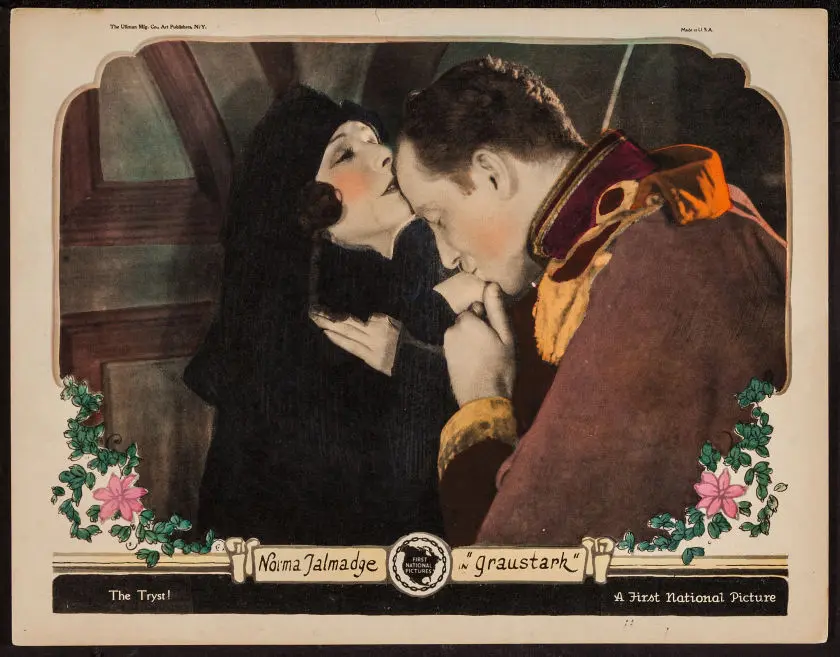
Graustark is a 1925 silent film that captivates with its intricate narrative and stunning visual elements. Set during a train journey from Denver to Washington, DC, the story unfolds with a chance encounter between Grenfall Lorry, a wealthy young American, and a beautiful young girl. Their connection is immediate and profound, leading to a whirlwind of events as they navigate the rugged mountains of a mining town and eventually arrive in the fictional Eastern European country of Graustark.
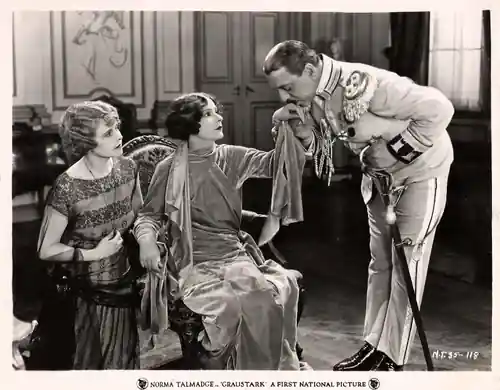
The film's plot takes a dramatic turn when Grenfall and his friend Harry rescue the girl, later revealed to be Princess Yetiva, from kidnappers. The intrigue deepens as it's revealed that Yetiva is engaged to Prinze Lorenz of Asphan to pay off Graustark's war debts. The murder of Prinze Lorenz and Grenfall's subsequent framing for the crime throw the narrative into a complex web of deception and suspense.
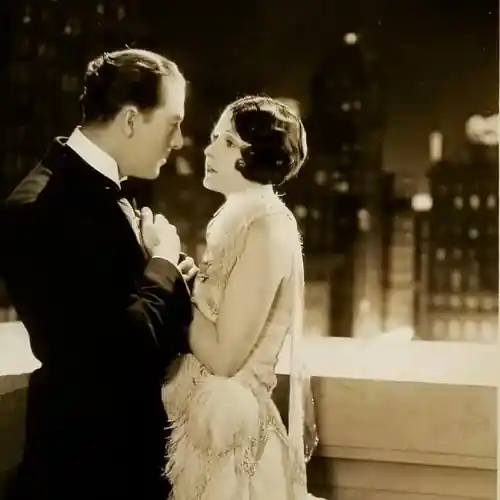
Starring Albert Gran as Grenfall Lorry and Wanda Hawley as Princess Yetiva, the performances are nuanced and engaging. Gran's portrayal of a man caught between duty and love is both compelling and sympathetic, while Hawley brings a captivating blend of innocence and mystery to her role. The supporting cast, including Frank Currier, Marc McDermott, and Michael Vavitch, adds depth and texture to the story.
Directorly, the film showcases a remarkable blend of silent cinema techniques. The use of visual storytelling, expressive body language, and intricate camera work effectively conveys the emotional and physical dynamics of the characters. The setting of the mining town and the fictional Eastern European country of Graustark itself become integral characters in the narrative, each scene meticulously crafted to enhance the overall atmosphere of the film.
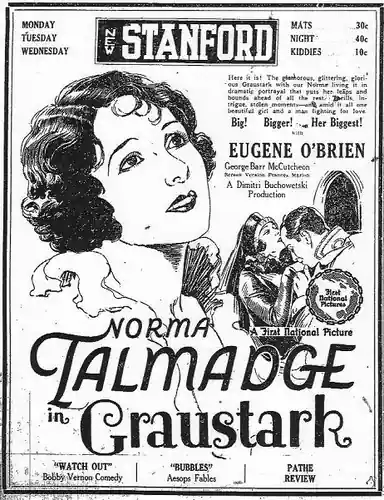
The music, though silent, is an essential element of the film's ambiance. The score, if any, is carefully composed to mirror the mood of the scenes, providing a subtle yet powerful emotional backdrop to the visual storytelling. The use of intertitles and the pacing of the narrative are impeccable, ensuring that the audience remains engaged and invested in the unfolding drama.
Comparatively, 'Graustark' shares thematic and stylistic similarities with other films of the era. 'Phantom Fortunes' (1921), for instance, explores the use of mistaken identities and political intrigue, while 'The Railroader' (1926) delves into the lives of railroad workers, reflecting the broader social and economic contexts of the time. However, 'Graustark' stands out for its more international and whimsical approach, blending romance with political drama in a way that resonates with audiences both then and now.
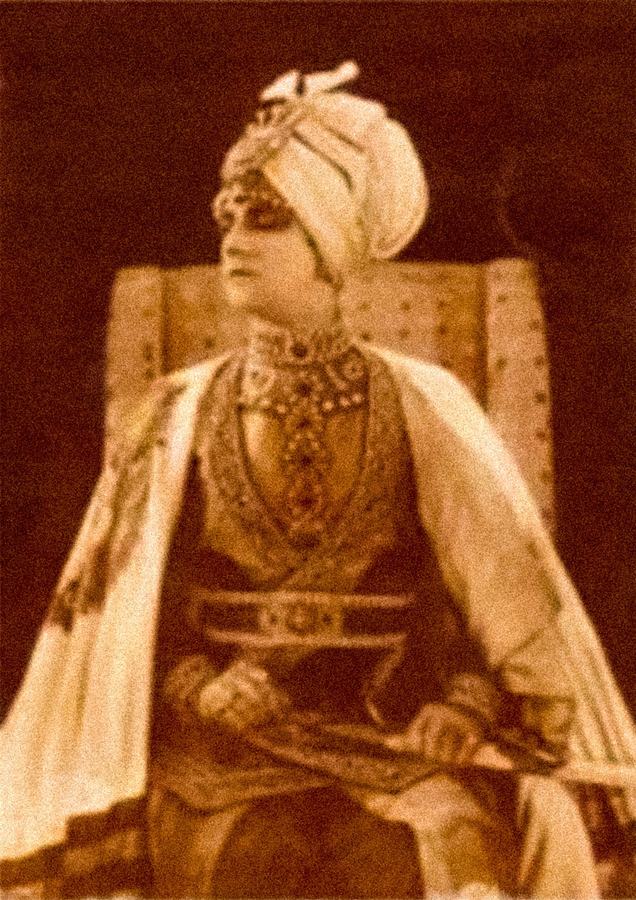
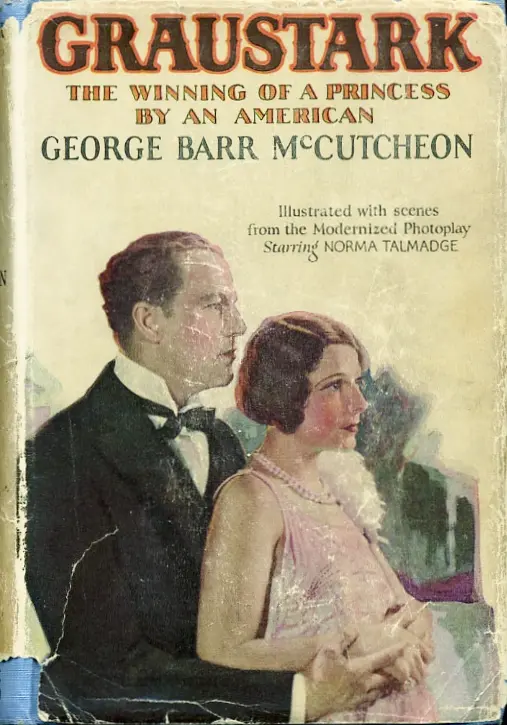
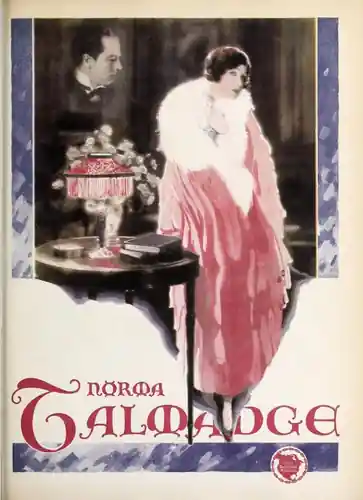
The use of color in the posters and promotional materials for 'Graustark' is particularly striking. The rich, vibrant hues evoke a sense of exoticism and romance, perfectly complementing the film's narrative. The imagery of the train journey, the rugged mountains, and the opulent palace of Graustark all contribute to the film's allure, making it a must-see for silent film enthusiasts and cinephiles alike.
In conclusion, 'Graustark' is a masterclass in silent cinema, offering a compelling story of romance, intrigue, and adventure. With its stellar cast, expert direction, and intricate narrative, it remains a significant work in the history of early filmmaking. For those seeking a cinematic experience that transcends the boundaries of time, 'Graustark' is a journey well worth taking.
IMDb —
1926
Community
Log in to comment.