Is Graziella (1926) worth watching today? Short answer: yes, but with significant caveats. This film is a fascinating artifact for silent film enthusiasts and those interested in early cinematic adaptations of classic literature, though it will likely test the patience of mainstream audiences accustomed to modern pacing and narrative conventions.
It's a journey back in time, not just to the 19th-century Italy it depicts, but to the very dawn of cinematic storytelling. For those with an appreciation for historical context and the raw emotion of early cinema, Graziella offers a unique, if melancholic, experience. However, if your cinematic palate leans towards rapid-fire plots and dialogue-driven narratives, this particular silent film might feel more like an academic exercise than an engaging drama.
A Glimpse into a Bygone Era: The Plot Reimagined
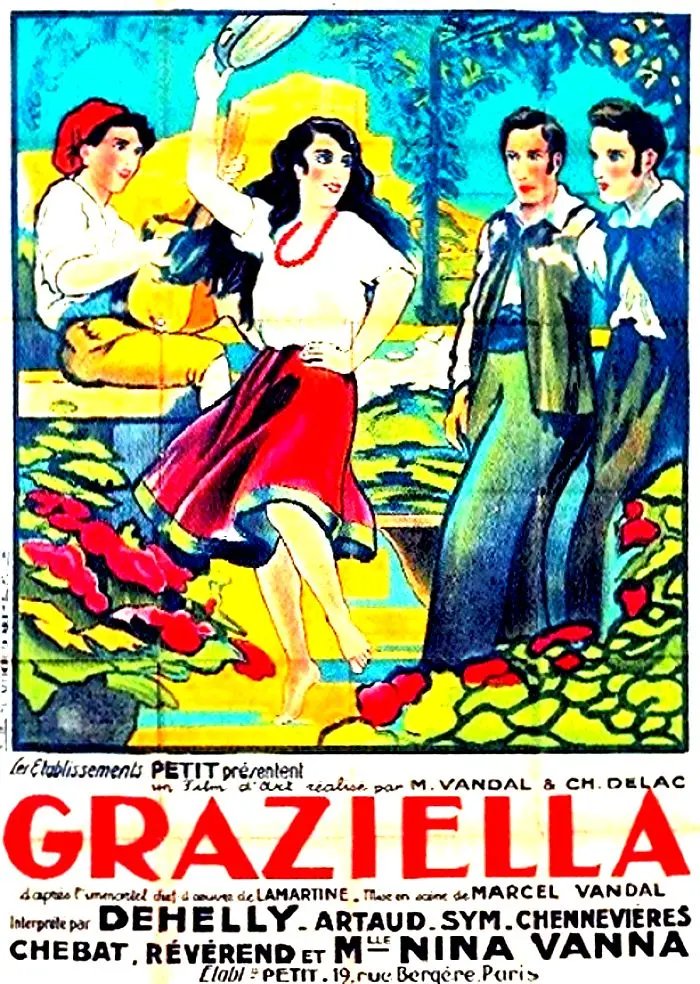
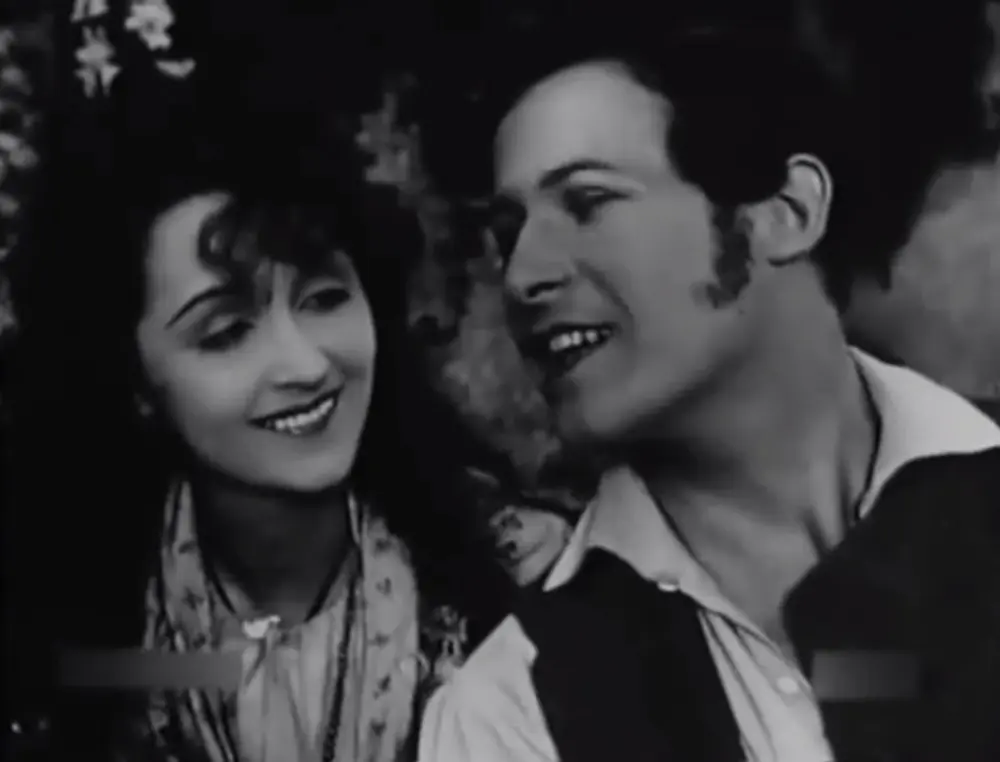
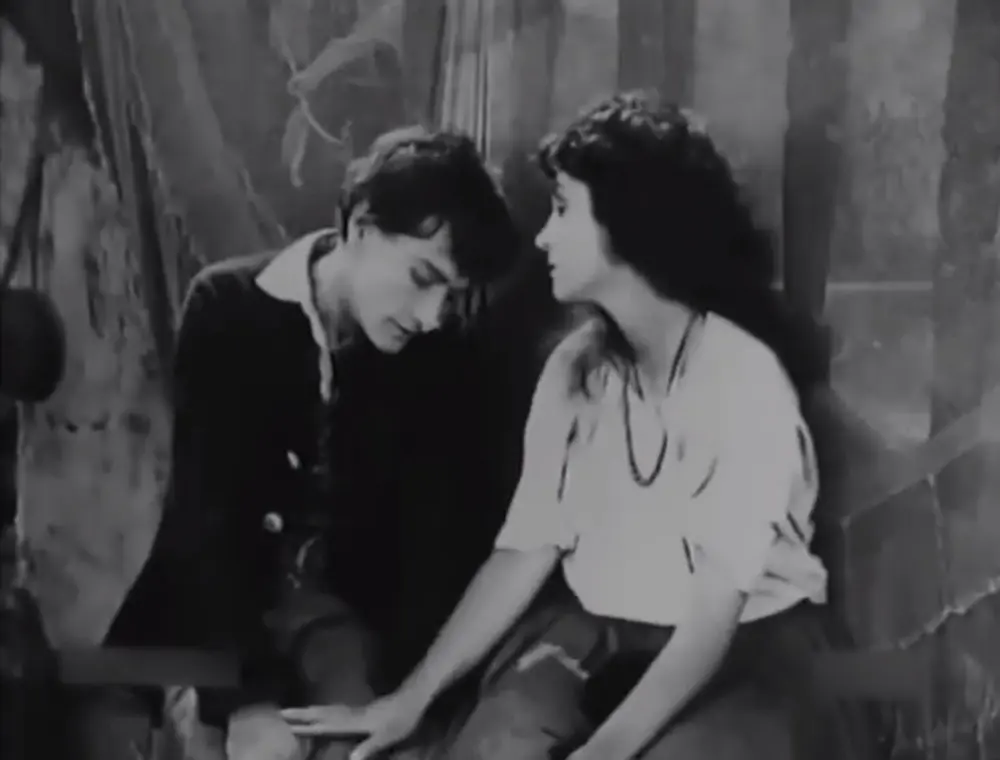
Edmond Épardaud's 1926 adaptation of Alphonse de Lamartine's novel Graziella transports viewers to a Naples that exists now only in sepia-toned memories and literary prose. It meticulously charts the innocent, yet doomed, romance between a young French nobleman, Alphonse (Jean Dehelly), and the eponymous Graziella (Nina Vanna), a humble fisherman's granddaughter.
Their love story is painted with broad, expressive strokes typical of the silent era. It begins with idyllic encounters, stolen glances, and a burgeoning affection that transcends their stark social disparities. Naples, with its sun-drenched shores and bustling local life, acts as a vibrant, almost character-like backdrop to their burgeoning romance.
However, the narrative is fundamentally a tragedy of circumstance. Alphonse's inevitable return to France, dictated by societal obligations rather than personal choice, serves as the cruel catalyst for their separation. Graziella's subsequent decline and untimely death underscore the novel's original themes of lost innocence, the transient nature of happiness, and the unforgiving grip of fate.
Scene from Graziella
Cinematic perspective: Exploring the visual vocabulary of Graziella (1926) through its definitive frames.
The film doesn't shy away from the inherent melodrama of its source material, embracing the heightened emotions and grand gestures that defined romantic literature of the period. It’s a simple, straightforward narrative, yet one that aims to pluck at the heartstrings with earnest sincerity.
Is Graziella (1926) Worth Watching Today?
The answer to this question largely depends on your cinematic preferences and your willingness to engage with the conventions of a century-old art form. Graziella is not a film that will cater to every taste, nor should it be expected to.
This film works because of its raw emotional sincerity, Nina Vanna's compelling screen presence, and its invaluable contribution as a preserved piece of early cinematic history.
This film fails because its pacing can feel glacial to modern audiences, its reliance on intertitles occasionally disrupts immersion, and the narrative, while tragic, might strike some as overtly simplistic or melodramatic.
You should watch it if you are a dedicated silent film enthusiast, a student of film history, or someone who appreciates classic literary adaptations and the unique challenges of visual storytelling without dialogue.
Scene from Graziella
Cinematic perspective: Exploring the visual vocabulary of Graziella (1926) through its definitive frames.
It demands a certain kind of patience and an open mind, a willingness to adjust to a different rhythm of storytelling. For those who embrace this, Graziella offers a quiet, contemplative experience, a window into a past where emotions were writ large on the screen and conveyed through gesture and expression.
Performances That Speak Volumes Without Words
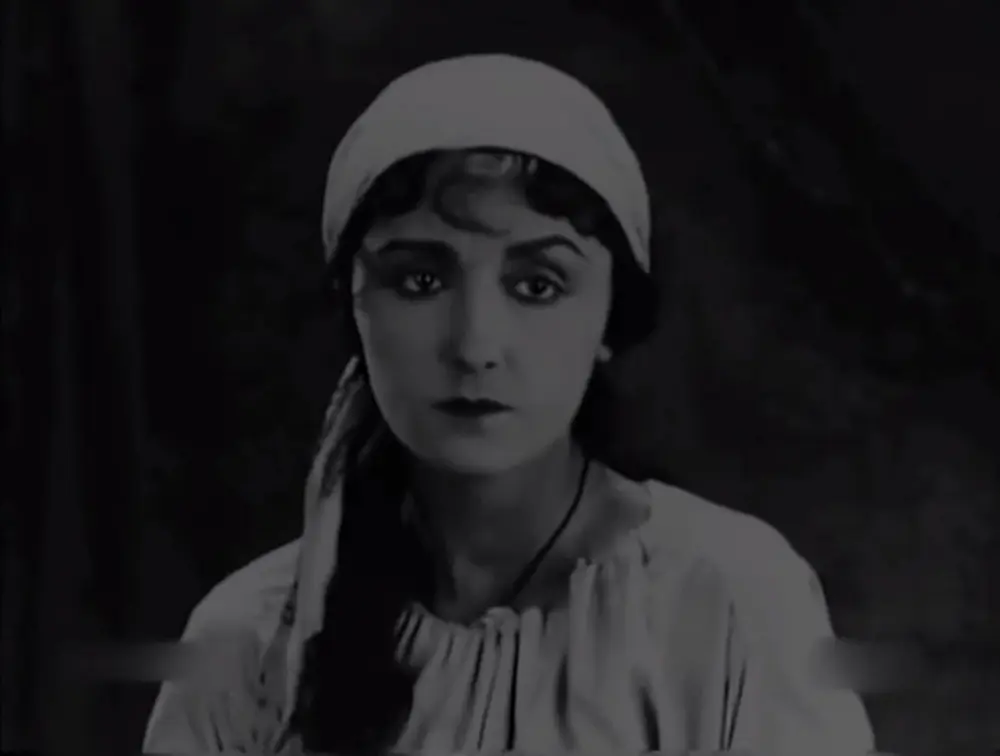
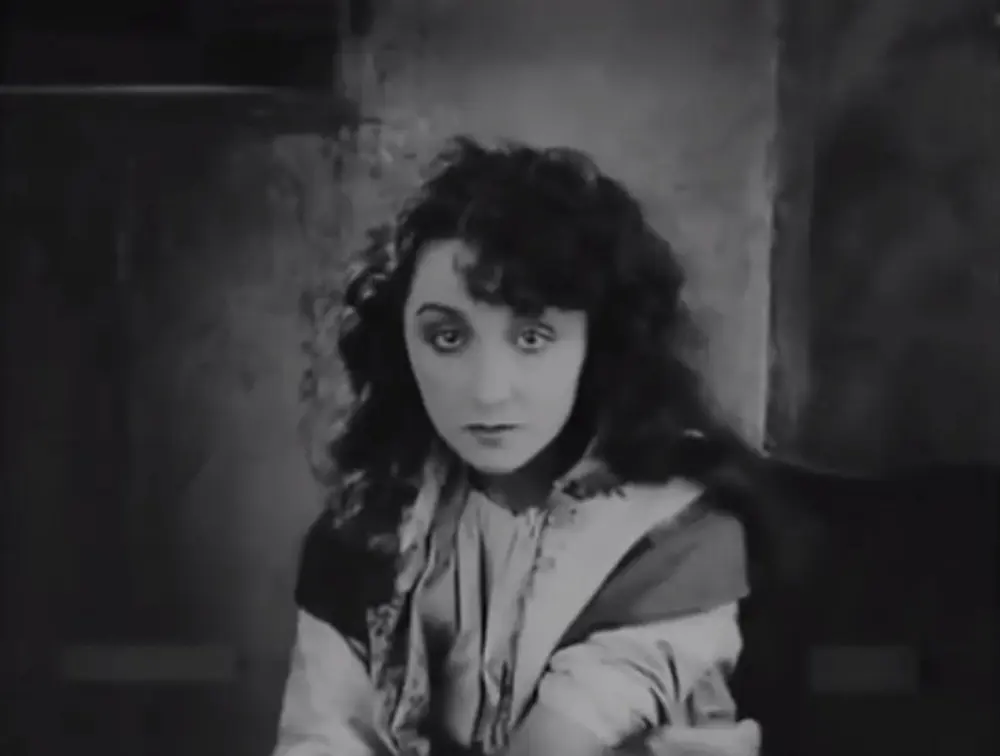
In the silent era, an actor's face and body were their most potent tools, and Nina Vanna, as Graziella, embodies this truth. Her performance is the undeniable heart of the film. Vanna masterfully conveys Graziella's transition from youthful exuberance to profound sorrow, her eyes often communicating more than any intertitle ever could.
Consider the scene where Alphonse departs; Vanna’s posture, the subtle tremor in her hands, and the way her gaze lingers on the retreating ship speak volumes about her burgeoning heartbreak. It’s a testament to her skill that even a century later, her portrayal resonates with a genuine, unforced pathos. She is not merely acting; she is feeling, and we, the audience, feel with her.
Jean Dehelly, as Alphonse, provides a solid, if less effusive, counterpoint. His aristocratic bearing and internal conflict are conveyed through a more restrained style, typical of the leading men of the period. While Vanna’s performance is the more captivating, Dehelly successfully grounds the narrative, making Alphonse's societal constraints palpable.
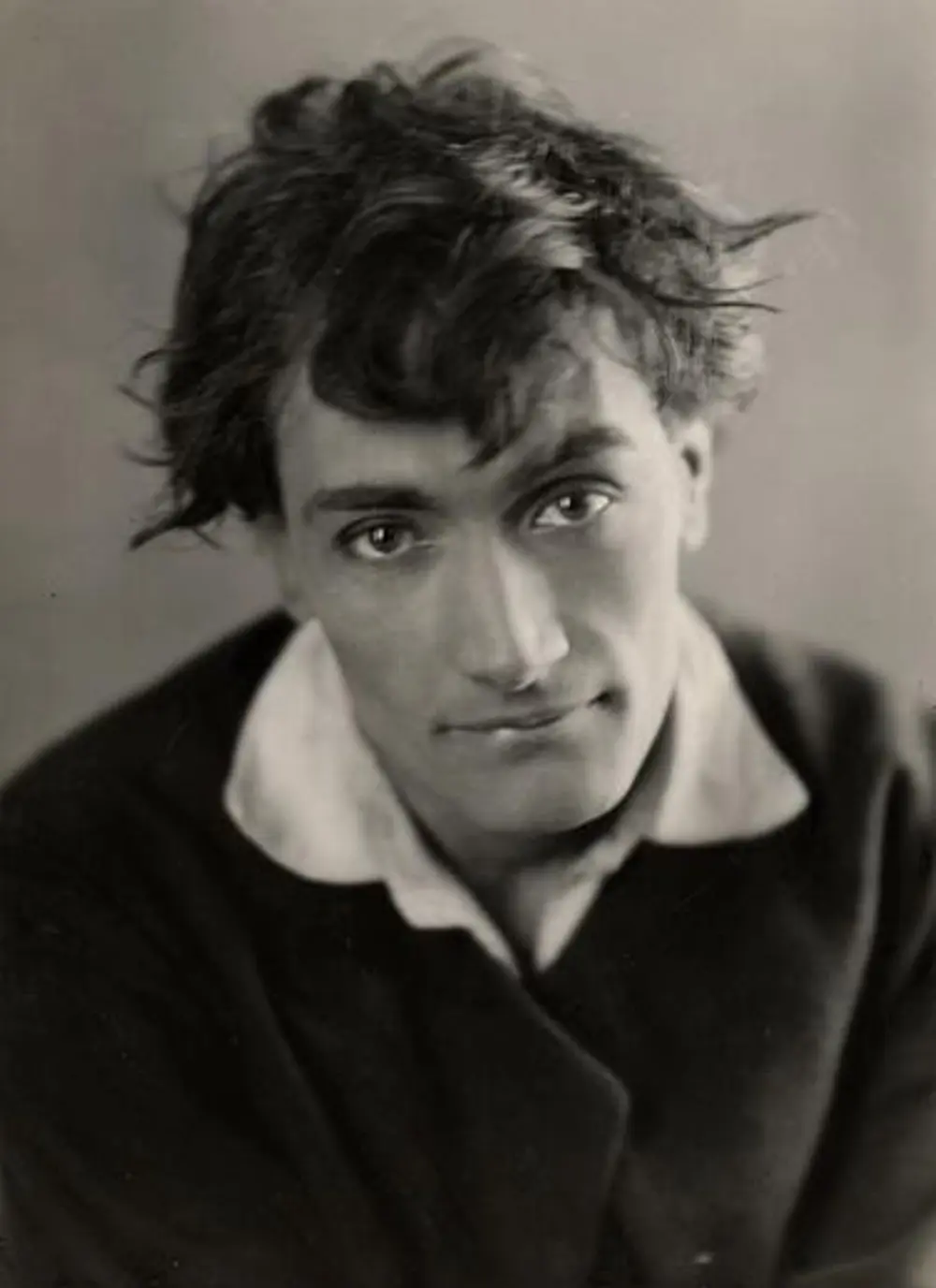
The supporting cast, including Antonin Artaud in a minor role, contributes to the film's atmospheric authenticity, even if their screen time is limited. Their exaggerated gestures and expressions, while perhaps jarring to a modern eye, were the accepted lexicon of silent film, designed to project emotion to the back rows of a bustling picture house.
Scene from Graziella
Cinematic perspective: Exploring the visual vocabulary of Graziella (1926) through its definitive frames.
Directorial Vision and Cinematic Language
Edmond Épardaud’s direction, while not revolutionary, is competent and effective for its time. He understands the need for clear visual storytelling. The choice to film on location in Naples lends an undeniable authenticity and beauty to the production, distinguishing it from many studio-bound contemporaries.
The cinematography, though limited by the technology of the era, captures the picturesque quality of the Italian coast. Shots of the sea, the fishing boats, and the narrow streets of Naples are not just backdrops; they are integral to establishing the mood and grounding the romance in a tangible reality. The use of natural light, particularly in the outdoor scenes, imbues the film with a warmth that contrasts sharply with the eventual tragedy.
Épardaud employs classic silent film techniques: close-ups to emphasize emotion, long shots to establish setting, and clear, decisive cuts. There’s a particular shot of Graziella gazing out at the sea after Alphonse's departure that encapsulates the film's melancholic tone, utilizing the vastness of the ocean to symbolize the distance between them and the overwhelming nature of her loss.
The film’s tone is consistently elegiac, even in its happier moments. There’s a sense of impending doom that permeates the idyllic romance, a quiet foreshadowing that prevents the story from ever feeling truly lighthearted. This consistent tonal control is one of Épardaud's understated strengths, ensuring the audience is always aware of the story's tragic trajectory.
Pacing, Intertitles, and the Silent Narrative Challenge
One of the most significant hurdles for a modern viewer engaging with Graziella is its pacing. Silent films generally operated on a different temporal rhythm, often feeling slower and more deliberate than today’s fast-cut, information-dense narratives. This is not necessarily a flaw, but a characteristic that requires adjustment.
Scene from Graziella
Cinematic perspective: Exploring the visual vocabulary of Graziella (1926) through its definitive frames.
The extensive use of intertitles, while crucial for conveying dialogue and narrative exposition, frequently interrupts the visual flow. Each title card acts as a pause, forcing the viewer to break from the on-screen action to read. While essential, these interruptions can detract from the immersive experience, particularly for those unaccustomed to the format. Compare this to the more visually dynamic storytelling seen in later silent films like Feet of Mud, where visual gags often replaced lengthy explanations.
Yet, the intertitles also offer a unique glimpse into the literary sensibilities of the era. They are often poetic, even flowery, reflecting the language of the novel it adapts. This duality – necessary for understanding, yet disruptive to flow – is a defining feature of early silent cinema. It forces the viewer to engage with the film on two levels: visual and textual.
The challenge for Épardaud was to balance these elements, allowing the visuals to carry as much weight as possible while relying on the written word to clarify plot points. While he largely succeeds, the overall effect is a narrative that unfolds with a measured, almost stately pace, demanding a different kind of attention from its audience.
The Enduring Appeal of Tragic Romance
The core of Graziella is a timeless tragic romance. The story of star-crossed lovers separated by class and fate is a narrative trope that has resonated across centuries and cultures. From Romeo and Juliet to countless modern dramas, this formula continues to captivate, and Graziella is an early cinematic embodiment of it.
However, for a contemporary audience, the film's tragic conclusion, while emotionally resonant, might feel somewhat inevitable and even simplistic. The relentless march towards sorrow, without much narrative complexity or character agency to complicate it, can sometimes border on the formulaic. It works. But it’s flawed.
Scene from Graziella
Cinematic perspective: Exploring the visual vocabulary of Graziella (1926) through its definitive frames.
My unconventional observation is that the film's very simplicity, rather than being a weakness, inadvertently highlights the brutal finality of its tragedy. By stripping away all but the raw emotional core, it lays bare the unforgiving societal structures and the fragile nature of human existence that defined the era. There's no grand twist or complex psychological motivation; just love, loss, and the unyielding hand of destiny. This starkness, for some, will be its profoundest strength.
It's a reminder that sometimes, the most heartbreaking stories are the ones that are unadorned, allowing the sheer weight of circumstance to carry the emotional burden. Its appeal lies not in intricate plotting, but in the universal recognition of love's fleeting nature.
Key Takeaways
Best for: Silent film aficionados, film history students, and those who appreciate classic literary adaptations.
Not for: Viewers seeking fast-paced plots, extensive dialogue, or complex modern narrative structures.
Standout element: Nina Vanna's emotionally potent and expressive performance as Graziella.
Biggest flaw: Pacing that can feel excessively slow, and frequent intertitles breaking immersion for contemporary audiences.
Pros and Cons
Pros:
Authentic portrayal of 19th-century Naples and Italian culture.
Nina Vanna delivers a powerful and memorable performance.
Offers a valuable historical insight into early cinematic adaptation and storytelling.
Beautifully shot on location, providing a strong sense of place.
Embraces the melodrama of its source material with genuine sincerity.
Cons:
The slow pacing can be a significant barrier for modern viewers.
Heavy reliance on intertitles can disrupt the viewing experience.
Narrative simplicity might feel underdeveloped compared to contemporary dramas.
The tragic ending, while true to the source, can feel somewhat predictable.
Limited character depth beyond the central romance.
Verdict: A Poignant Relic with Enduring Echoes
Ultimately, Graziella (1926) isn't merely a film; it's a preserved sigh from a century past. It’s a testament to the nascent power of cinema to adapt beloved literature and evoke profound emotion through visual poetry and the raw talent of its performers. While it undoubtedly shows its age in terms of pacing and narrative conventions, its core emotional sincerity remains remarkably intact.
For those willing to adjust their viewing expectations and immerse themselves in the unique language of silent film, it offers a poignant, if melancholic, experience. It’s a valuable piece of cinematic history, showcasing the craft of early filmmakers and the timeless allure of a tragic love story. It might not sweep you off your feet with action or intricate plot twists, but it will gently pull at your heartstrings with its earnest portrayal of love lost.
It serves as an important reminder of where cinema began, and how far it has evolved, while also proving that some stories, no matter how simply told, possess an enduring power to move us. If you approach Graziella not as a blockbuster, but as a delicate, antique artifact, you’ll find its beauty and its sorrow surprisingly resonant.