DbcultAccessing Vault...
7.8/10
Senior Film Conservator
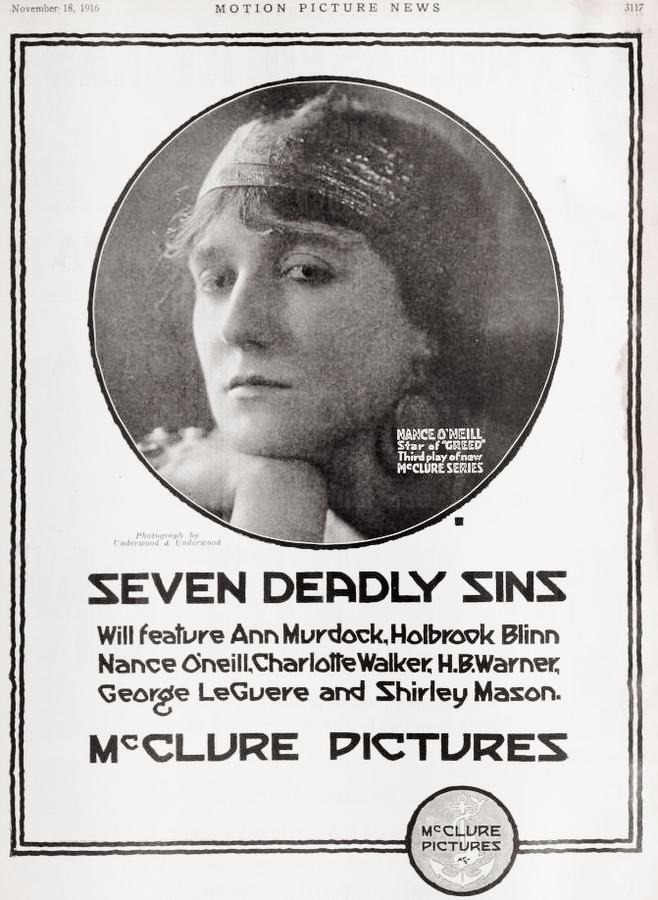
A definitive 7.8/10 rating for a film that redefined the boundaries of cult cinema. Greed remains a cornerstone of transgressive art.
There is a moment, roughly midway through Greed, when the camera lingers on Eve Leslie’s profile as she watches a stock-ticker spit out its frenetic Morse. The celluloid itself seems to sweat; the frame jitters like a heartbeat hooked on cocaine. In that jitter lies the entire film’s thesis: money is not metal or paper—it is pure electricity, and whoever grasps it without rubber gloves dies convulsing.
Director Harry Northrup, also gliding before the lens as Denton, orchestrates this morality play like a man who has traded his soul for foot-candles of light. The result feels less photographed than exposed, as though every silhouette were a wound in the emulsion. The plot, deceptively dime-novel, spirals into a fever dream worthy of von Stroheim—had Stroheim been weaned on bootleg gin and the savage din of the trading floor.
Eve’s arc from curious bourgeois girl to ravenous speculator is charted through wardrobe: her hems rise in tandem with her margin debt, cloche hats skew ever sharper, pearls swell until they resemble a hangman’s noose of nacre. Shirley Mason plays her with a porcelain fragility that belies the calcifying rapacity within; watch how her gloved fingers tremble while signing a buy order—ecstasy masquerading as panic.
Opposite her, Robert Elliott’s Adam Moore is all rectitude and squared shoulders, yet the actor injects a twitch of complicity: he loves the idea of saving Eve more than the grinding labor of actually doing so. Their engagement feels like a contract drafted on tissue paper, already absorbing the grease of market ink.
Nance O’Neil, a tragedian of the Grand Guignol stripe, imbues Alma with the weary grandeur of a retired assassin. Every close-up reveals strata: powder, shame, defiance. Denton’s reappearance—slipping a blackmail note into her mink like a venomous love letter—ignites the second act. George LeGuere’s Denton never twirls a mustache; instead he smiles with only half his mouth, the other half reserved for the bail bondsman waiting off-screen.
Their history is hinted at through staccato flashbacks: back-alley stock certificates changing hands in a Chinatown cellar lit by a single green bulb. Northrup refuses expositional hand-holding; we piece together Alma’s crimes from the way she caresses a faded ticker tape as if it were a child’s lock of hair.
When the decadent partygoers empty their pockets and are ordered to splurge a solitary ten-cent piece, the film shifts genre gears with a grind that sprays sparks. What follows is a hallucinatory scavenger hunt: Eve and Denton purchase entry to a basement jazz joint where trumpets bleat like dying geese; Alma and Adam bribe a ferryman to row them to a torch-lit shanty on the Hudson, discovering a toddler who sells bootleg verses of Lord Byron for a penny apiece.
These sequences, tinted amber and cyan by the hands of a colorist who must have dreamed in CMYK, prefigure the urban labyrinths of 1950s noir while maintaining the carnivalesque ethos of silent European avant-garde. Intertitles shrink, letters quiver and dance atop the frame—language itself debased to stock-price glyphs.
The climax transpires in an abandoned amusement pavilion cluttered with cracked fun-house mirrors. Denton corners Eve; every shot frames them amid splintered reflections, so that a single kiss multiplies into a hydra of predation. Alma’s entrance—blood blooming through her cloak like a crimson ticker-tape ribbon—triggers a scuffle. The revolver’s cough is accompanied by the synchronized snap of every mirror, as though the very act of violence shatters illusions on every plane.
Denton dies mid-sentence, his final words swallowed by a subtitle card that simply reads: “———”—a void more chilling than any epitaph. Alma, struck in the temple, descends into a madness rendered via double-exposure: her face superimposed over spinning roulette wheels, melting coins, and finally a blank margin.
Adam’s trial is a brisk montage of newspaper headlines, gawkers, and a jury whose faces dissolve into the same stock-ticker numerals that once seduced Eve. The gavel falls; death by electric chair. Northrup stages the cell-block scenes with ecclesiastical gloom—bars cruciform, shadows like absolution withheld.
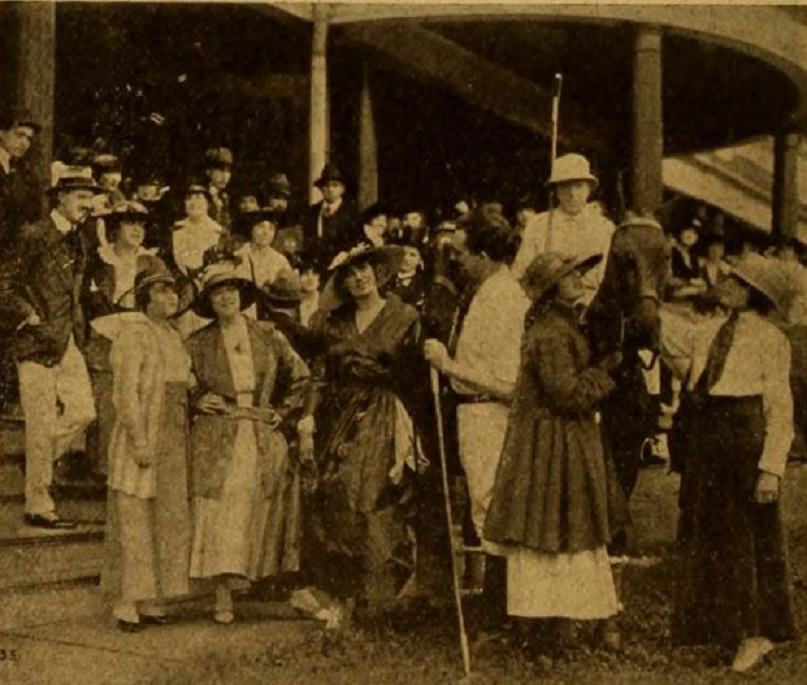
Yet silent cinema abhors nihilism as markets abhor equilibrium. A deus-ex-machina arrives not through divine grace but through the fragile restoration of Alma’s memory: a doctor’s lantern passed before her vacant eyes suddenly mirrors the muzzle-flash she witnessed. One declarative intertitle—“It was not Adam!”—and the noose unravels.
Adam emerges into dawn light that feels refrigerated, embraces Eve whose eyes now hold the stunned clarity of a survivor pulled from rubble. The final shot: the couple stands before a closed stock-exchange door, its marble pediment cracked by a shell blast of graffiti reading “SOLD”. Fade to ivory.
Cinematographer Alfred Hickman employs chiaroscuro so aggressive it borders on assault: faces half-submerged in umbra, eyeballs lit like calcium flares. Tinting follows emotional barometry—sea-foam green for greed, sulphur yellow for panic, arterial red for violence. The palette anticipates the digital color-grading era by nearly a century, yet retains the artisanal imperfections of hand-dipped frames: flecks, scratches, the tremble of human pulse.
Though devoid of synchronized dialogue, the film’s rhythm track is carved through montage: the percussive clatter of ticker tape becomes a snare drum; the whoosh of elevated trains supplies bass; the flutter of canceled stock certificates stands in for castanets. Modern restorations often accompany the picture with a jazz quartet improvising in minor pentatonic scales—an anachronism that, paradoxically, restores the anarchic spirit of 1924.
Beneath the plot’s tangle lies a treatise on liquidity as moral solvent. Every relationship is translated into share value: Eve trades trust for leverage; Denton corners affection like a commodity; Alma attempts to divest from her past only to find the market illiquid. The dime-dare sequence literalizes the absurd reduction of human experience to token currency, predating Brecht’s “What is the robbing of a bank compared to the founding of a bank?” by a half-decade.
Redemption arrives not through wealth regained but through narrative foreclosure: the trading house doors shut, the ticker falls silent, Eve’s pupils finally reflect a human face rather than a price.
Cinephiles will detect DNA strands shared with later socio-scandals like Slander (media sensationalism) and The Devil-Stone (gem as cursed capital). Yet Greed’s closest spiritual sibling might be A Butterfly on the Wheel, where marital bonds buckle under financial torque. Meanwhile, fans of Where Are My Children? will recognize the same fatalistic march toward an institutional blade, though here the gallows are Wall Street rather than the judiciary.
Issued the same year Lenin’s NEP reintroduced limited capitalism to the USSR, the picture feels eerily prescient: crypto bubbles, meme stocks, NFT tulipomania—all echo Eve’s trajectory. The dime dare anticipates reality-TV humiliation rituals where dignity is bartered for fleeting virality. One can easily imagine a Silicon Valley bro staging a “spend-only-a-doge-coin” challenge, ending similarly in blood and bankruptcy.
Reconstructed from a 35mm nitrate print discovered in a Slovenian monastery (next to prayer books illustrated with gold-leaf bourses), the current 4K restoration breathes without suffocating on digital cleanliness. Archivists retained gate weave and emulsion cracks, understanding that history’s scabs are not to be cosmetically erased. Streaming on boutique platforms, the film also tours repertory cinemas with live accompaniment—seek it large; your laptop is a peephole unworthy of its frenzy.
Great art does not moralize; it metabolizes. Greed swallows the viewer whole, processes marrow, excretes conscience. Ninety minutes later you stagger out, pupils dilated, certain your own wallet has grown heavier with every sin onscreen. It hasn’t; that’s the film’s supreme confidence trick. Yet unlike Eve, you can walk away before the closing bell tolls—an exit she, tragically, could never time.
“Speculate not on futures of the soul; the margin called in darkness will be paid with daylight.” — intertitle never shown, but felt
Grade: A+ for audacity, mise-en-scène, and prophetic sting. Subtract nothing for age; add vintage for bite. A silent that screams across a century, louder than any bell rung on today trading floor.
IMDb —
1918
Community
Log in to comment.