DbcultAccessing Vault...
6.1/10
Senior Film Conservator
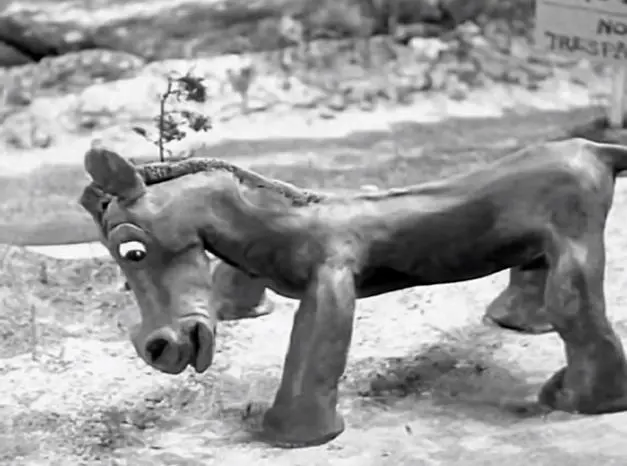
A definitive 6.1/10 rating for a film that redefined the boundaries of cult cinema. Green Pastures remains a cornerstone of transgressive art.
Is Green Pastures a hidden gem of the silent era? Short answer: yes, but only if you have a deep-seated appreciation for the minimalist slapstick and pastoral pacing of 1920s shorts. This film is specifically for cinephiles who enjoy character-driven animal comedies and historical parables; it is not for those who require rapid-fire dialogue or complex, high-stakes plotting.
1) This film works because it transforms a simple idiom into a tangible, physical conflict that anyone can relate to. 2) This film fails because its repetitive structure can feel monotonous even within a short runtime. 3) You should watch it if you want to see a masterclass in how early filmmakers used animal behavior to mirror human insecurity.
Yes. It is a quick and charming watch. The film offers a unique look at early animal training. It provides a simple message about contentment. You will find the horse's persistence quite funny.
At the heart of Green Pastures lies a horse that serves as a surprisingly effective surrogate for the human condition. We have all looked at our neighbor's life—or in this case, their lawn—and felt a pang of underserved lack. The horse does not care for logic. He does not care for the fence. He only cares for the perceived sweetness of the forbidden clover. This isn't just a movie about a horse; it’s a critique of the consumerist drive to always want more.
The way the camera lingers on the horse's neck as it stretches over the wooden beams is a stroke of directorial genius. It emphasizes the physical strain of envy. It shows how much effort we put into being unhappy with what we have. In many ways, it reminds me of the physical struggle depicted in The Border Legion, though the stakes here are significantly more domestic. The horse is a jerk. That is the movie. And yet, you can't help but root for his audacity.
Joseph Sunn’s presence in the film is understated but vital. In many silent shorts of this era, the human actors often overcompensate with wild gestures to compete with their animal co-stars. Sunn takes a different approach. He plays the straight man to the horse’s chaotic energy. His frustration feels lived-in. When he looks at the ruined fence, you don't just see an actor; you see a man who is tired of fixing the same three boards every morning.
Sunn’s performance provides a necessary contrast to the horse’s whimsical trespassing. While the horse represents the id, Sunn represents the weary ego trying to maintain order in a world that refuses to be fenced in. This dynamic is far more sophisticated than the broad comedy found in something like A Milk Fed Hero. It’s a quieter, more observational style of humor that relies on timing rather than pratfalls.
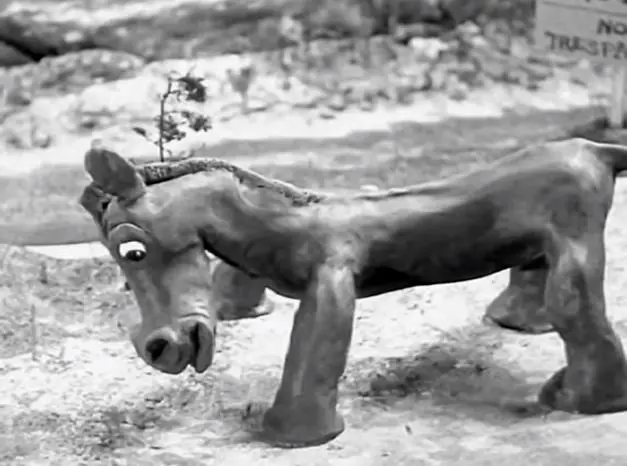
The visual language of Green Pastures is deceptively simple. The use of natural light creates a soft, hazy atmosphere that makes the grass look genuinely inviting. You can almost smell the hay. The framing of the fences is particularly important; they aren't just props, they are the primary antagonists of the film. Every shot is composed to show the divide between 'mine' and 'thine.'
Compared to the urban grit of Black Friday, the cinematography here is airy and open. However, there is a subtle tension in the way the horizon is captured. The wide shots make the horse look small and insignificant against the vastness of the fields, which only heightens the absurdity of his obsession with one specific patch of dirt. It works. But it’s flawed. The lack of varied camera angles can make the second act feel a bit stagnant.
The film follows a cyclical structure: the horse looks, the horse leaps, the neighbors complain, the horse is moved, and the horse looks again. This repetition is intentional. It mimics the obsessive nature of envy. However, for a modern audience used to the narrative complexity of films like Lily of the Dust, this might feel a bit thin. The film doesn't so much progress as it does rotate.
There is a specific scene where the horse manages to get his entire body through a gap that seems too small for him. The pacing slows down here, allowing the viewer to appreciate the sheer physical comedy of the moment. It’s a sequence that rivals the slapstick precision of The Duck Hunter. It’s a moment of pure, unadulterated cinema that doesn't need a single title card to explain the joke.
One of my more debatable opinions on this film is that the neighbors are the true villains. They are obsessed with their property to a degree that feels almost pathological. The horse is just being a horse. The humans, however, are choosing to be miserable over a few mouthfuls of grass. This film is secretly a scathing critique of property rights and the artificial boundaries we build between ourselves.
If you look at the subtext, Green Pastures shares a thematic DNA with Her Honor, the Governor, in how it deals with the enforcement of rules and the friction that arises when those rules are challenged. The neighbors' unhappiness is a choice. The horse’s hunger is a fact. By the end of the film, you realize that the 'green pastures' aren't a place, but a state of mind that none of the characters—human or animal—can actually reach.
Green Pastures is a fascinating relic that manages to be both a lighthearted animal romp and a cynical commentary on human nature. While it lacks the emotional depth of Gengældelsens ret or the stylistic flair of The Marionettes, it succeeds on its own terms. It is a film about the fences we build and the creatures that have the sense to ignore them. It is charming, slightly annoying, and visually pleasant. It is worth a look if only to remind yourself that the grass on the other side is usually just... grass.
IMDb —
1918
Community
Log in to comment.