DbcultAccessing Vault...
Cult Review
Senior Film Conservator
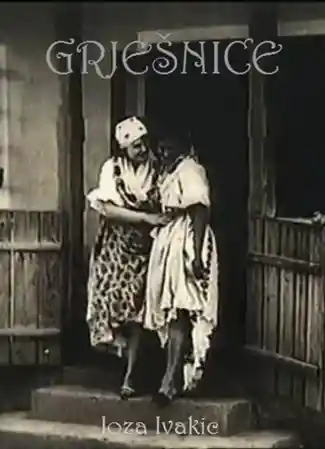
If you are looking for something to put on while you fold laundry, Grjesnice is definitely not it. It is the kind of movie you watch because you are either a film student or you have a weird obsession with how people used to give advice a hundred years ago.
Most people today will probably hate this. It is slow, it is preachy, and it feels like being stuck in a room with a very stern grandfather who won't stop talking.
But if you like seeing how history actually looked—not the polished Hollywood version—there is something kind of hypnotic about it. It is a 'lesson' movie about abortion, and it does not try to be subtle about its message at all.
The first thing you notice is the atmosphere. It’s thick. Like, you can almost smell the old wool coats and the dust in the rooms where these characters are moping around.
Mato Grkovic has this way of looking at the camera that makes you feel like you personally did something wrong. He doesn't even have to say much; his face just carries this weight of total disappointment.
There is a scene where a woman is just sitting by a table, and the light from the window is hitting the side of her head. It stays there for a long time. Maybe too long.
I found myself wondering if the cameraman fell asleep or if they just really liked the way the shadows looked on the wall. It’s actually kind of pretty in a bleak way, even if the plot is dragging its feet.
Not really. Not by modern standards, anyway. It feels more like a series of warnings tied together by a very thin string of a story.
Joza Ivakic, the writer, clearly had a goal here. He wanted to make sure everyone knew that certain choices lead to misery, and he beats you over the head with it until you’re kind of numb.
It lacks the energy of something like The Scarlet Car. While that movie feels like it wants to go somewhere, Grjesnice just wants to sit you down and make you feel bad.
I noticed a small detail in one of the houses—a crooked picture frame that nobody fixed. It’s such a tiny thing, but it made the whole set feel more real, like a place where people actually lived and were too miserable to care about the decor.
"It’s the kind of film that makes you glad you live in a time with better lighting and less public shaming."
There is a lot of walking. People walk into rooms, they look around, they leave. Then they walk down a path. It’s very rhythmic but not in a way that keeps you on the edge of your seat.
I kept thinking about Youth to Youth while watching this. Both movies have that 'listen up, kids' energy, but Grjesnice is way darker and less interested in being charming.
Jelena Lukateli does a good job of looking terrified, though. Her eyes get really wide, and you can tell she’s carrying the whole emotional weight of the scene while the men just sort of stand around and judge her.
There’s this one reaction shot of a doctor (I think it was a doctor?) that lingers for so long it almost becomes funny. You keep waiting for him to blink, but he just... doesn't. It’s like a staring contest with the past.
It’s not a fun watch. It’s not even a 'so bad it’s good' watch. It’s a piece of educational propaganda that got lost in time.
If you’ve seen The Passion of St. Francis, you know how these old films can be really intense and spiritual. This one tries for that intensity but ends up feeling more like a cold shower.
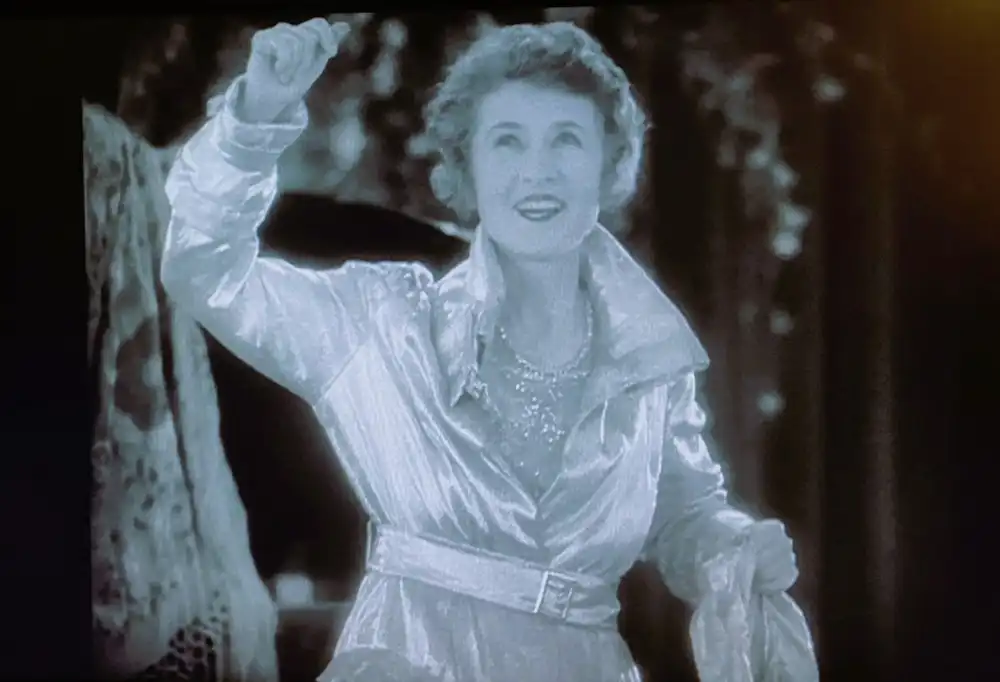
The print I saw was pretty beat up, which actually helped the mood. The scratches and the flickering made the whole thing feel like a ghost story. Which, in a way, it kind of is.
I wouldn't recommend this for a movie night with friends. You’d all be bored within ten minutes. But if you’re alone at 2 AM and want to see what worried people in 1930, give it a look.
Just don't expect a happy ending. Or a fast pace. Or anything other than a lot of very serious faces staring at you through the grain.
IMDb 7.8
1934
Community
Log in to comment.