DbcultAccessing Vault...
5.8/10
Senior Film Conservator
A definitive 5.8/10 rating for a film that redefined the boundaries of cult cinema. Stories in Song remains a cornerstone of transgressive art.
If you have ten minutes and you actually like seeing how movies learned to talk, this is worth a look. History nerds will find it fascinating, but if you need a plot or, you know, action, you are going to hate this so much. 📽️
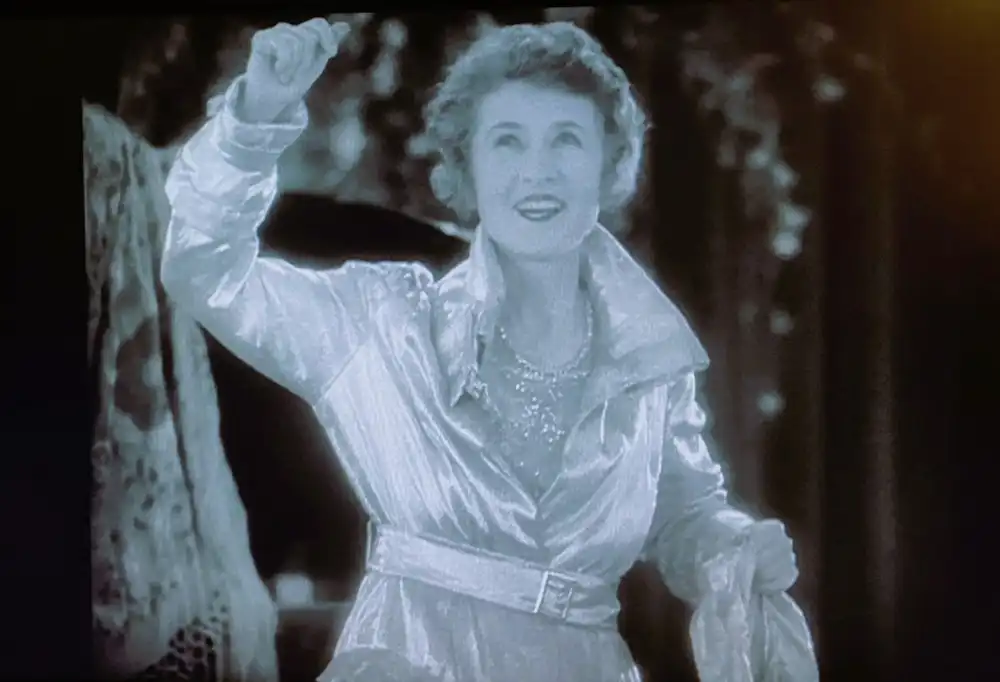
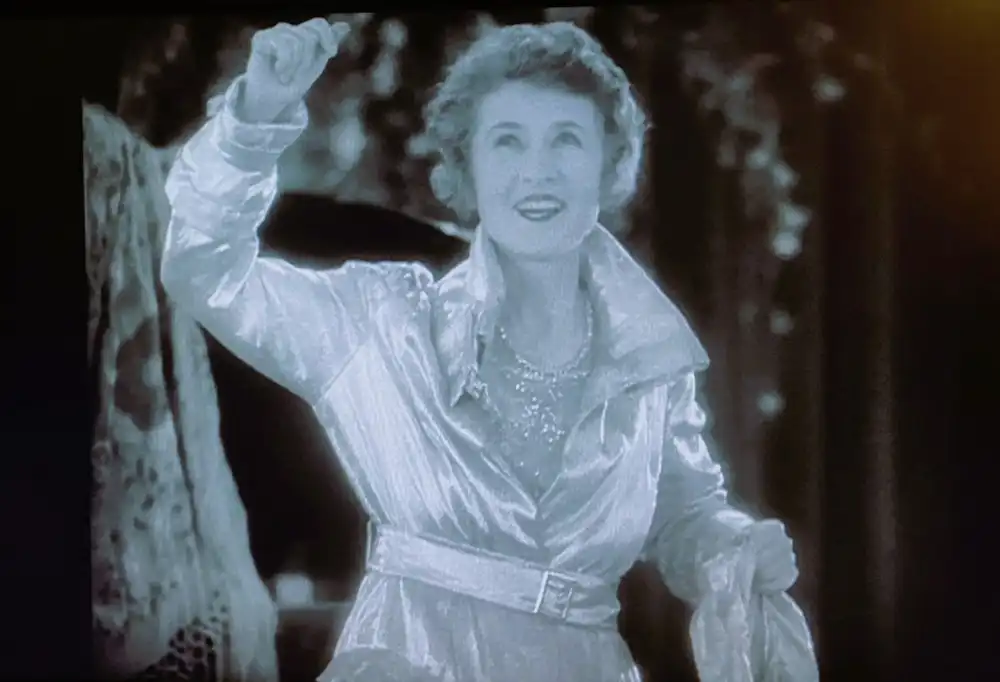
It’s literally just Adele Rowland standing there. No sets really, just a backdrop and her voice.
You can tell she’s used to playing to the back of a huge theater. Her facial expressions are huge, like she’s trying to make sure someone in the cheap seats can see her eyebrows move.
The Vitaphone sound has that specific crackle to it. It sounds like someone is frying bacon in the room next door while she sings.
I kept looking at her dress. It’s got these layers that catch the light in a way that modern digital cameras would probably mess up. 👗
She sings four songs, and they are all very... 1920s. The kind of music that feels like it should be playing in a dusty antique shop.
The camera doesn't move once. Not a single inch. It just sits there and stares at her like a polite ghost.
It’s a big change from something like Lilies of the Field which came out around the same time but felt more like a "real" movie. This is just a filmed act.
One of the songs is about a little girl, and Adele does this weird character voice. It’s a bit creepy if I’m being honest. 😬
Her hands are constantly moving. She does these little gestures that feel very rehearsed, probably from doing the same show on stage five hundred times.
There is this one moment where she looks slightly to the left of the lens. I wondered if someone off-camera coughed or if she just forgot where the eye of the machine was.
The lighting is incredibly flat. It makes her look a bit like a ghost, especially with the heavy stage makeup they used back then to combat the bright lights.
It reminds me of the stiff feeling in His Father's Son, where everyone is just terrified of moving too far from the microphone.
The microphones back then were hidden in things like flower vases or just hung like heavy weights. You can tell she’s trying not to walk around too much.
I found myself wondering what she was thinking while she sang. Did she think this "talking movie" thing was a fad? Or did she know she was being preserved forever?
The way she says her "R" sounds is very old-school. Nobody talks like that anymore unless they are playing a villain in a cartoon. 🎙️
It’s much more theatrical than the vibe in Sunday Calm, which has that loose, kid-centric energy. This is very professional and very stiff.
There is no applause at the end of the songs. Just a sudden silence and then the next song starts. It feels a bit lonely.
The black and white contrast is really sharp in the version I saw. Her dark hair against the light background makes her head look like it's floating sometimes.
I think I liked the second song the best, even though I can't remember the name of it. It had a bit more of a swing to it.
It’s weird to think that in 1929, this was high technology. People probably sat in a theater and were blown away that they could hear her breathe.
Now, we just watch it on a laptop and think about how the sync is a millisecond off. The way her lips move doesn't quite match the sound perfectly, which makes it feel like a badly dubbed kung fu movie at times.
If you’re into the Vaudeville era, this is a goldmine. If you aren't, it’s just a lady in a fancy dress singing at you for no reason.
I'm glad it exists, though. Most of these shorts probably rotted away in a basement somewhere, so seeing this one feels like finding a lost letter.
The film just ends. No credits, no "The End," just a cut to black. It’s blunt.
I think I’ll go watch something with a lot of explosions now to balance it out. 💥
IMDb 8.2
1933
Community
Log in to comment.