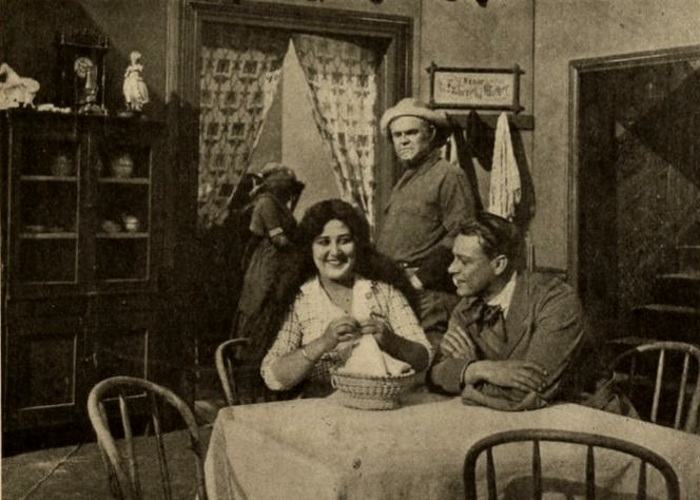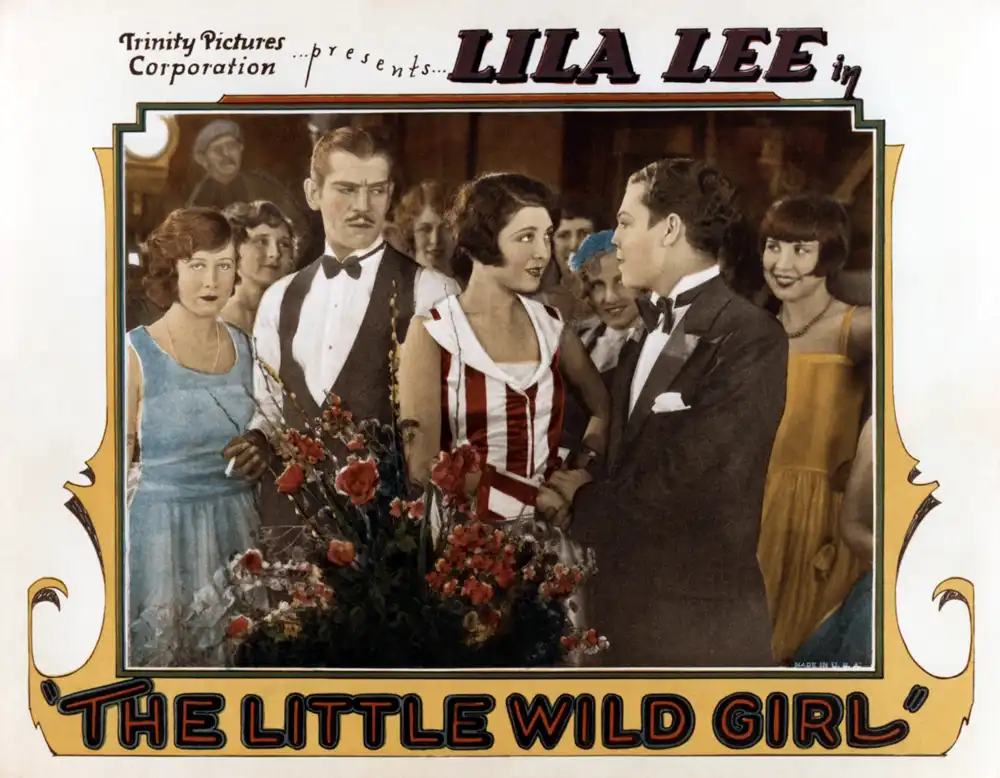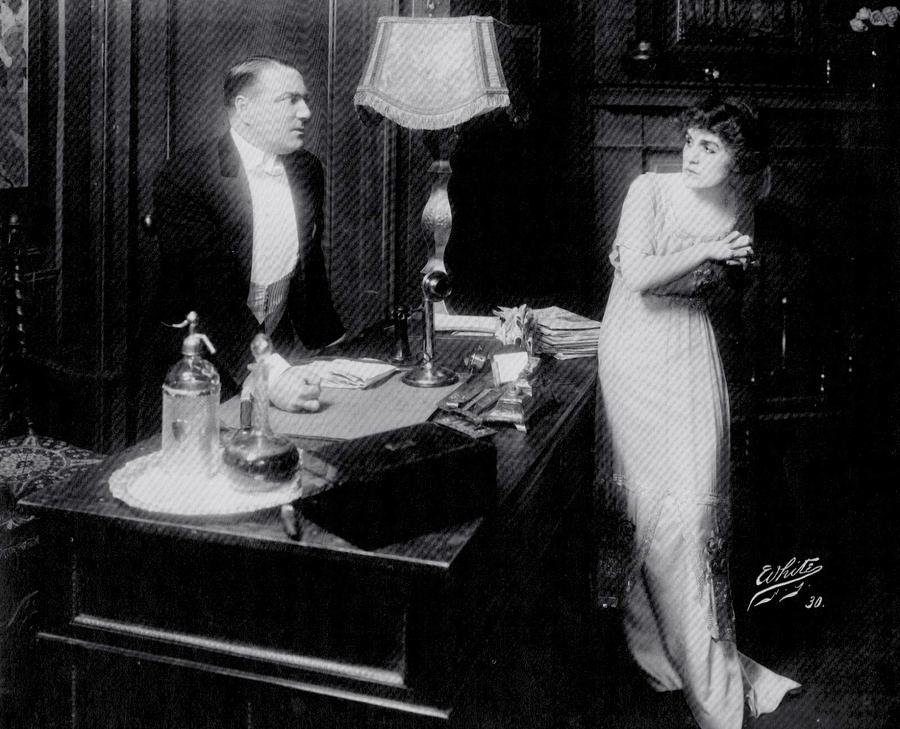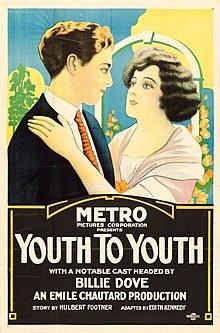
A pretty young girl from the country arrives in New York, hoping to become a Broadway star. She achieves that goal, but when she hears untrue stories that she became a star because she's the mistress of her show's wealthy backer, she leaves the show and joins a traveling stock company.
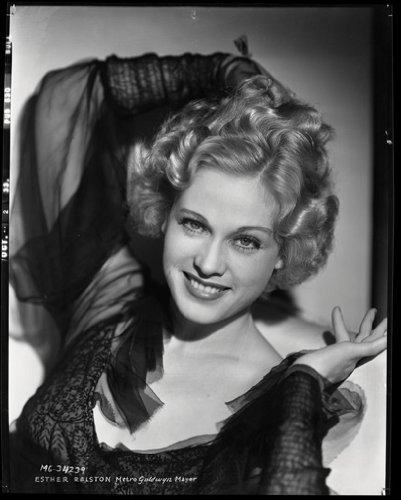
Broadway’s klieg lights once licked Esther Ralston’s cheekbones like gilt paint on porcelain; in Youth to Youth they also scorch. The picture opens on a whistle-stop platform so rural the air itself smells of churned butter. A lone girl—boot-button eyes, hat brimsized for a scarecrow—clutches a pasteboard ticket to Ma...
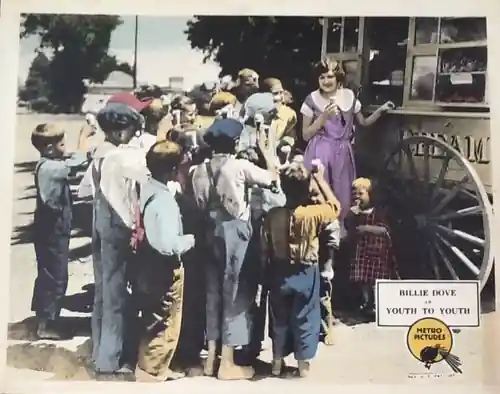
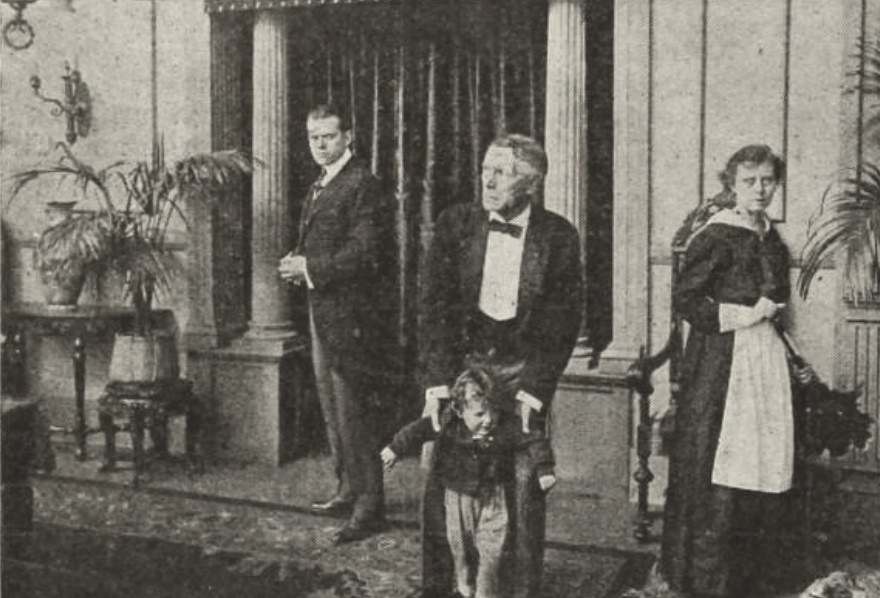
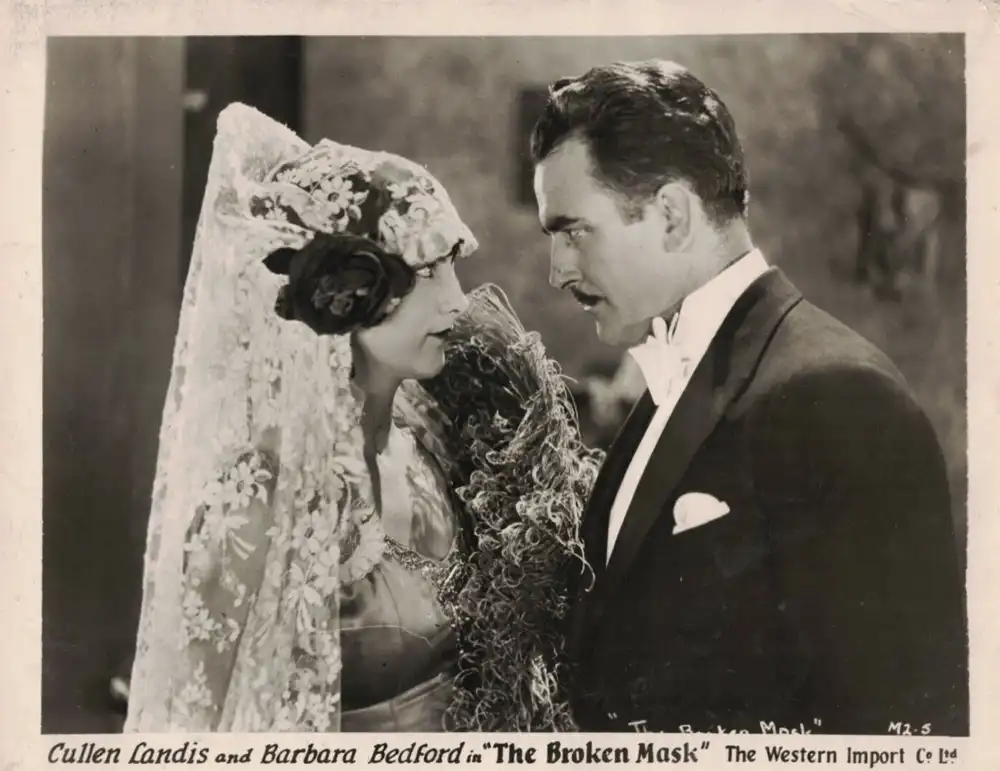
still_frame
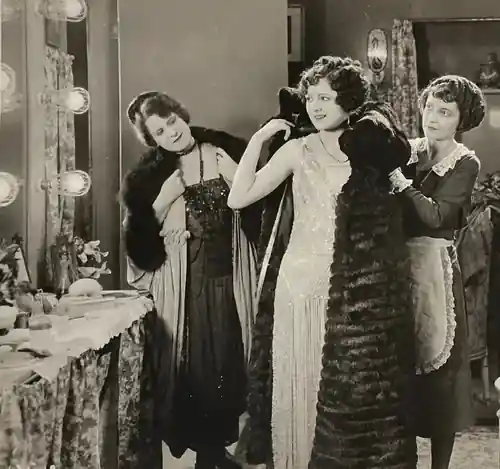
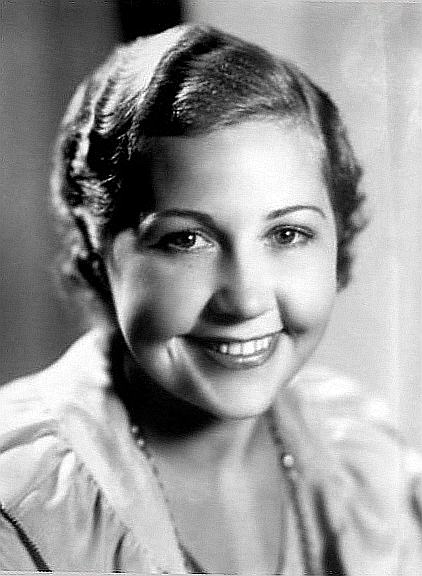
publicity
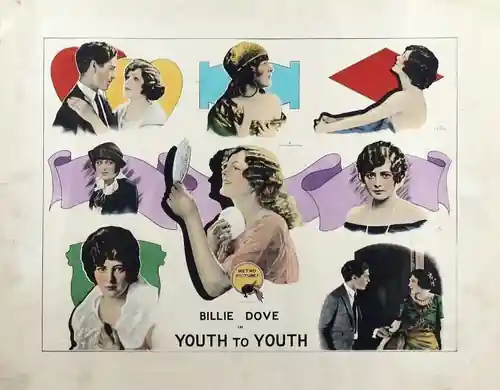
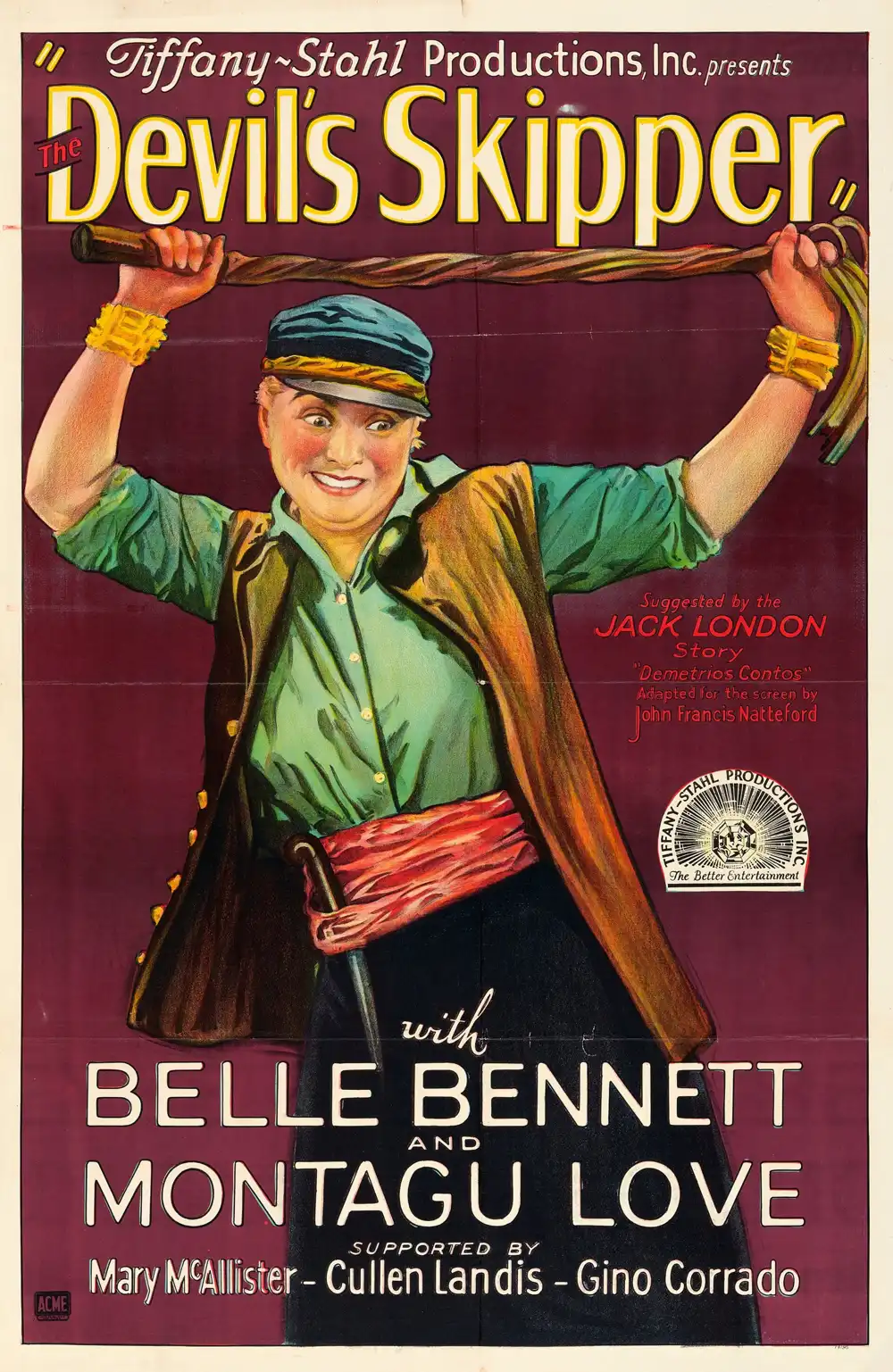
publicity
Comparing the cinematic DNA and archive impact of two defining moments in cult history.
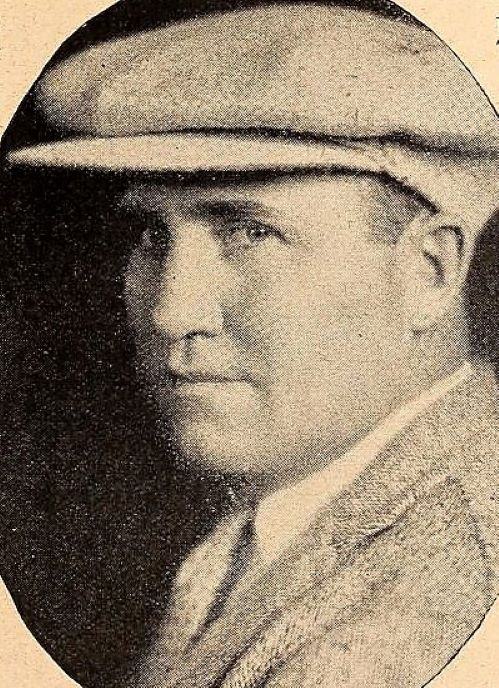
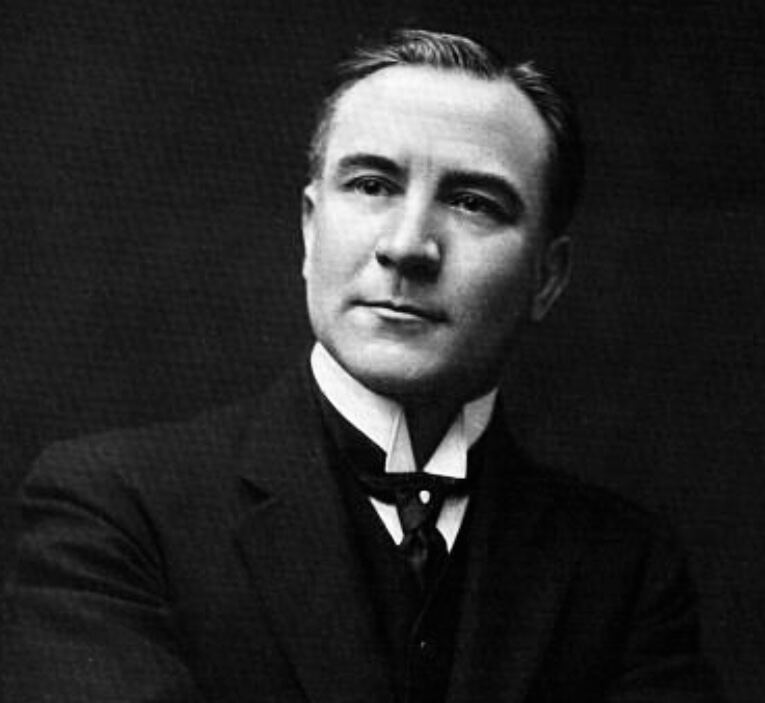
Emile Chautard
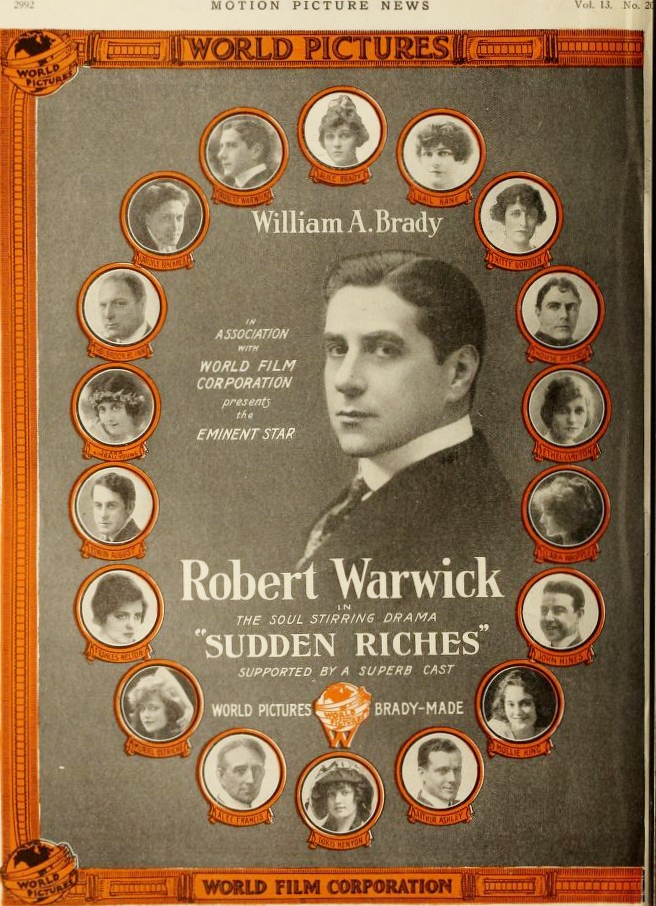
Emile Chautard
Community
Log in to comment.
" Broadway’s klieg lights once licked Esther Ralston’s cheekbones like gilt paint on porcelain; in Youth to Youth they also scorch. The picture opens on a whistle-stop platform so rural the air itself smells of churned butter. A lone girl—boot-button eyes, hat brimsized for a scarecrow—clutches a pasteboard ticket to Manhattan. One splice later she’s swanning under a marquee whose bulbs blink Morse code for make me a star. The montage is merciless: rehearsal rooms where pianos gasp out Sousa, cos..."
Edythe Chapman
Hulbert Footner, Edith M. Kennedy
United States
Deep dive into the cult classic
Discover similar cinematic experiences
A Directorial Spotlight on Emile Chautard