DbcultAccessing Vault...
Cult Review
Senior Film Conservator
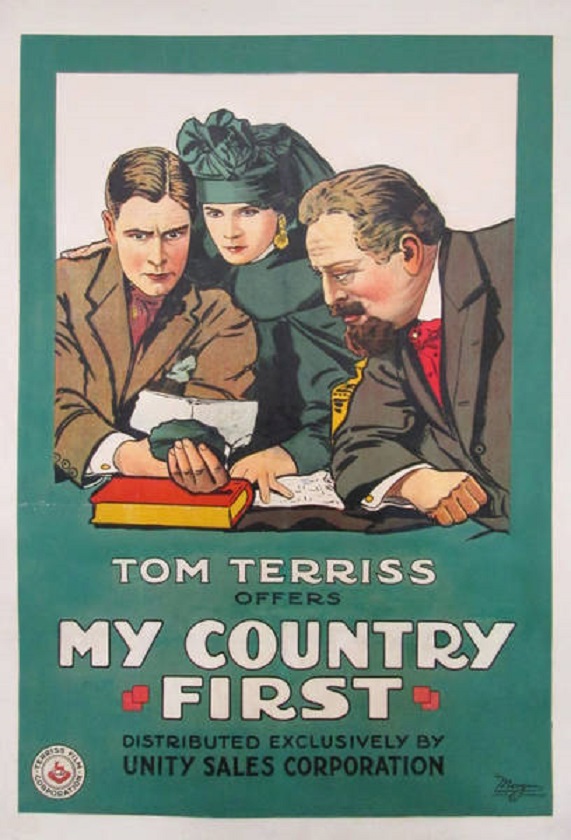
Ah, the silent era! A time when narratives unfurled with a grand, almost operatic sweep, where emotions were writ large across faces, and moral dilemmas were painted in the broadest of strokes. Stepping back into this fascinating period, we encounter 'My Country First' (my-country-first), a film that, despite its age, still pulsates with a fervent energy, a testament to its compelling themes and the dramatic prowess of its time. Directed by the prolific Tom Terriss, this cinematic relic isn't just a historical artifact; it's a vibrant, if sometimes quaint, exploration of national loyalty, personal sacrifice, and the relentless machinations of international intrigue.
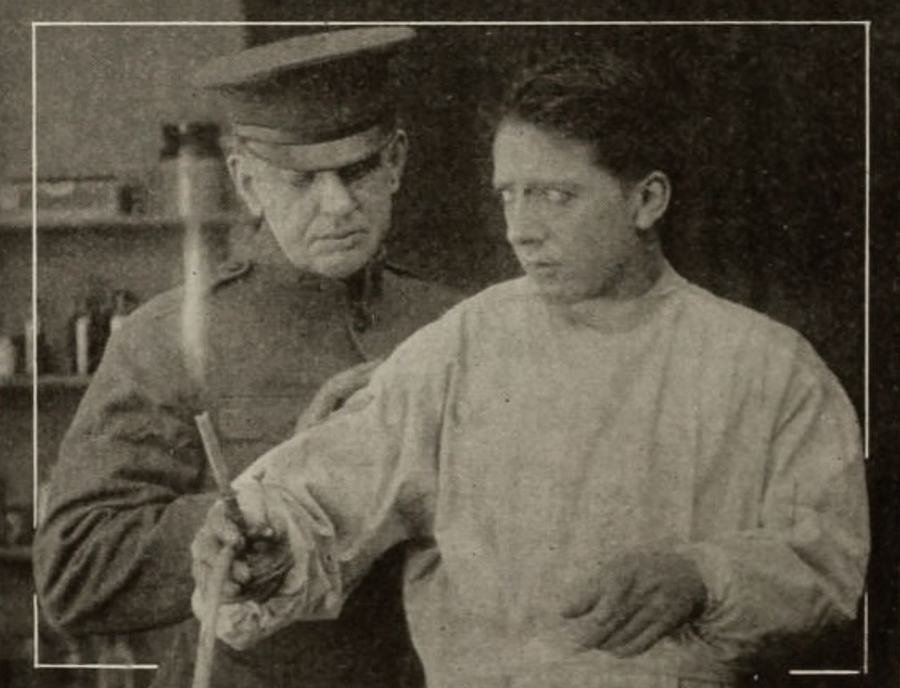
At its heart, 'My Country First' is a melodrama, yes, but one imbued with an earnestness that transcends its period trappings. It plunges us into the tumultuous life of Frank Draper, portrayed with a compelling blend of ingenuity and vulnerability by Jack Hopkins. Draper is not merely an inventor; he is a visionary, a man whose intellect has birthed a weapon of unparalleled destructive potential, intended not for conquest, but for the defensive bulwark of his beloved United States. This "wonderful explosive" serves as a potent MacGuffin, driving the plot forward with relentless urgency, a symbol of both national pride and the terrifying power of human ingenuity.
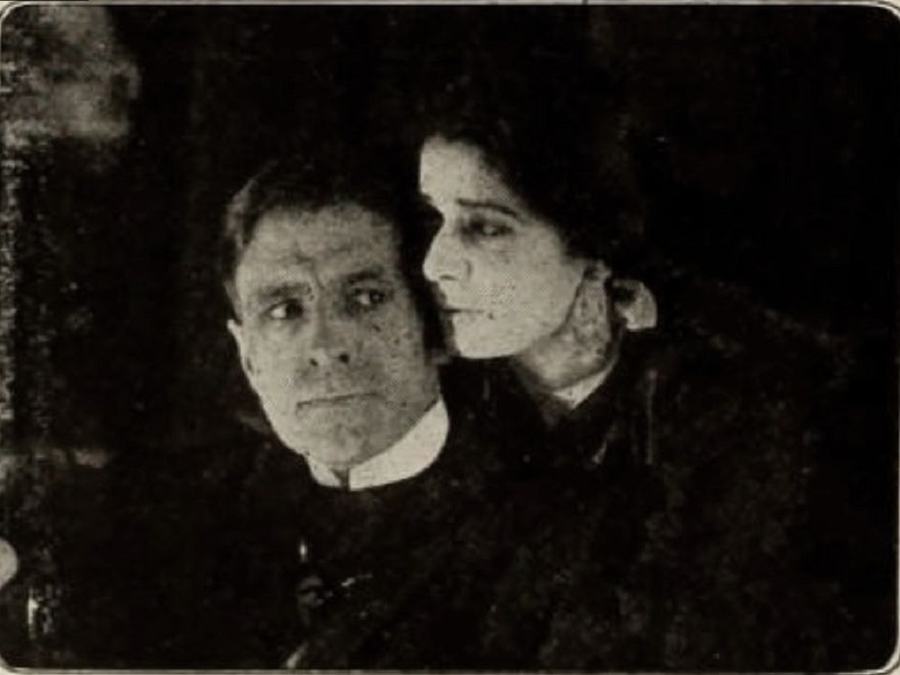
Draper's journey from national hero-in-waiting to unjustly imprisoned man forms the narrative's agonizing core. The film wastes no time in establishing his noble character, only to immediately plunge him into a crucible of injustice. His heroic defense of a "pure girl," a role brought to life with a certain delicate strength by Jill Woodward, against shadowy antagonists, is the catalyst for his downfall. This act of chivalry, intended to protect, ironically ensnares him in a "serious crime," a vague but potent charge that swiftly dispatches him to the cold confines of a prison cell. The ambiguity surrounding the crime itself, while perhaps a narrative convenience of the era, only heightens the sense of Draper's victimhood, making his plight all the more sympathetic. We witness his patriotic dreams shattered, his future unjustly stolen, all while the nation remains oblivious to the true hero behind bars.
The film cleverly uses this period of incarceration to amplify the stakes. With Draper out of the picture, the stage is set for the true villains to emerge from the shadows: a cabal of "international spies." These shadowy figures, embodying the pervasive anxieties of the early 20th century regarding foreign threats and clandestine operations, are not merely content with Draper's removal; they covet his invention. Their connivance, executed with a chilling efficiency, orchestrates Draper's escape, not as an act of mercy, but as a calculated maneuver to gain control over him and, by extension, his explosive. This turn of events transforms Draper from a wronged man into a pawn in a much larger, more dangerous game, echoing the intricate plots seen in other thrillers of the period, albeit with a distinctly American flavor.
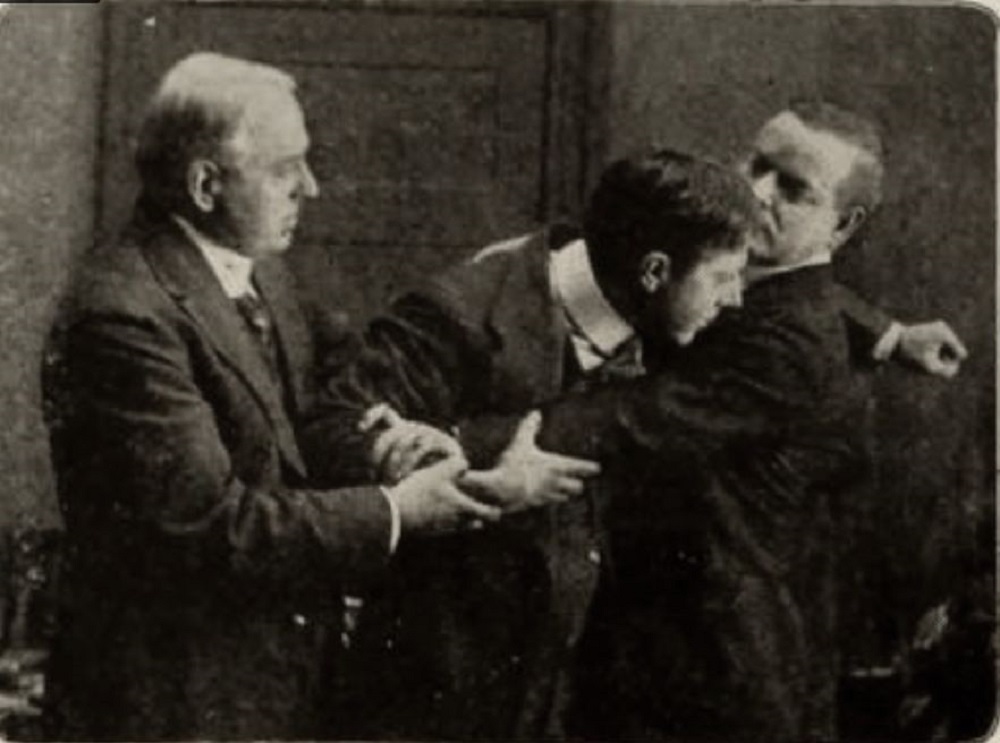
The true moral quandary, the very essence of the film's title, unfolds as Draper finds himself a prisoner once more, this time at the mercy of the international spies. Here, the film elevates its narrative beyond mere crime and punishment, delving into profound questions of loyalty and sacrifice. Draper is presented with an impossible choice: his own life or the security of his country. The stakes could not be higher, and Hopkins, through his expressive performance, conveys the immense weight of this decision. This is where the film truly shines, tapping into a timeless archetype of the hero who must choose between self-preservation and the greater good. It's a narrative device that resonates deeply, even today, in an age where national identity and global threats continue to be subjects of intense debate.
Draper's unwavering decision to sacrifice himself for his country is presented with a solemn dignity that underscores the film's patriotic message. His "sands of life have almost run out," a poignant metaphor for his imminent demise, as he remains "trapped and bound." This sequence, likely filled with tense close-ups and dramatic intertitles, would have gripped contemporary audiences, holding them captive in anticipation of his fate. The film, however, is not without its dramatic flair, and true to the conventions of the era, an "eleventh-hour" rescue materializes. This deus ex machina, while predictable to modern sensibilities, was a staple of early cinema, designed to provide maximum emotional catharsis and reaffirm the triumph of good over evil. The sheer relief of his escape, the return to freedom, is palpable, not just for Draper, but for the audience invested in his ordeal.
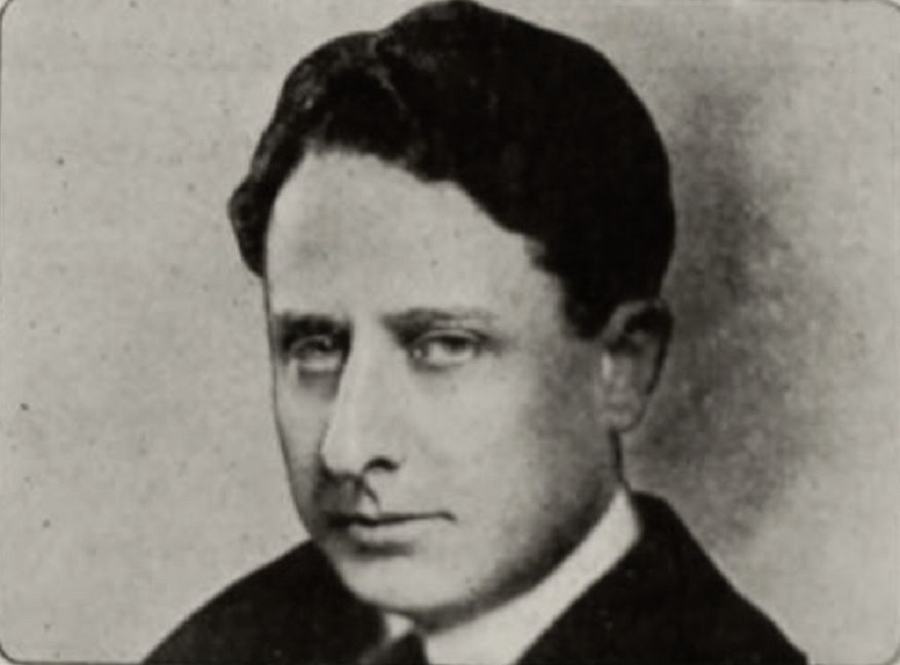
Tom Terriss, who not only directed but also penned the screenplay, demonstrates a clear understanding of the silent film language. While specific details about the cinematography or editing techniques are scarce without direct viewing, the plot outline suggests a narrative structure built on escalating tension, dramatic reversals, and clear moral lines. Terriss, known for his work on numerous films of this period, often balanced melodrama with a keen sense of pacing, ensuring that even the most outlandish plot points felt impactful within their context. The use of intertitles would have been crucial, not just to convey dialogue, but to deepen character motivations and explain the intricacies of the espionage plot, which by its nature requires a certain level of exposition.
The performances, led by Jack Hopkins as Frank Draper, Jill Woodward as the pure girl, and a supporting cast including Helene Ziegfeld, Joseph Sterling, and Harold Vosburgh, would have relied heavily on physical expression and exaggerated gestures, typical of the period. In silent films, an actor's face was their most powerful tool, capable of conveying terror, defiance, love, and despair without a single spoken word. One can imagine Hopkins's portrayal of Draper, shifting from the proud inventor to the despairing prisoner, and finally to the resolute patriot, all through nuanced facial expressions and body language. Woodward's role, while seemingly secondary, is pivotal as the catalyst for Draper's initial troubles and his ultimate romantic reward, a common trope in early cinema where female characters often served as symbols of purity and motivation for male heroes.

'My Country First' is more than just a thrilling escapade; it's a reflection of its time. Released during a period of significant global instability, with the shadows of World War I still lingering and new international tensions brewing, the film's emphasis on national preparedness and the dangers of foreign espionage would have resonated deeply with contemporary audiences. The idea of a brilliant American inventor creating a defensive weapon, only to have it targeted by external forces, tapped into a collective consciousness of vulnerability and the importance of self-reliance. This theme of national defense and the threat of external powers is also explored in films like The Battle of Ballots, though that film focuses more on political intrigue, while 'My Country First' leans into military and technological espionage.
The film also touches upon the perennial theme of justice, or the lack thereof. Draper's wrongful imprisonment, a narrative device seen in countless films across genres, serves to highlight the fragility of individual liberty in the face of powerful, unseen forces. His eventual vindication and return to freedom offer a satisfying, if somewhat idealistic, resolution, reaffirming the belief that truth and patriotism will ultimately prevail. This pursuit of justice, often through dramatic and perilous means, is a thread that runs through many silent films, from urban thrillers like Trapped by the London Sharks to more domestic dramas. The concept of personal sacrifice for a larger cause is also a powerful motif, reminding viewers of the moral obligations that extend beyond individual desires.
While 'My Country First' might not be as widely known today as some other silent epics, its narrative elements place it firmly within a tradition of early cinema that sought to entertain and morally instruct. Its blend of invention, espionage, and patriotic fervor can be seen as a precursor to countless spy thrillers and action films that followed. The clear-cut morality, where heroes are pure and villains are unambiguously evil, is a hallmark of the era, providing a comforting sense of order in a rapidly changing world.
Considering its contemporaries, one might draw parallels with films that explore grand narratives of heroism and national identity. While Julius Caesar offers a classical epic, and The Conqueror deals with historical figures, 'My Country First' grounds its heroism in a more contemporary (for its time) setting of scientific innovation and covert operations. The element of a "master key" or crucial invention being sought by villains also brings to mind films like The Master Key, which often featured intricate plots centered around a vital object or secret. The melodrama and peril faced by the innocent protagonist also align it with films like The Devil's Bondwoman or The Sacrifice of Pauline, where virtue is tested under extreme duress.
Upon his triumphant return, Draper not only delivers his groundbreaking weapon, ensuring "preparedness" for his nation, but also reaps the personal reward of the girl's love. This dual victory—national security and personal happiness—provides a deeply satisfying conclusion, characteristic of the era's narrative ideals. It reinforces the idea that true patriotism is not only rewarded by country but also by fate. The film, in its entirety, is a fascinating glimpse into the moral and dramatic sensibilities of early 20th-century American cinema, a testament to the enduring power of a well-told story, even without spoken dialogue. It's a reminder that the core tenets of heroism, sacrifice, and the fight for justice are timeless, echoing across cinematic eras and continuing to captivate audiences, albeit with different expressive forms.
To truly appreciate 'My Country First' today requires a certain lens, one that acknowledges its historical context and the conventions of silent film. It's not a film that attempts to deconstruct patriotism or offer morally ambiguous characters; rather, it embraces a straightforward, earnest narrative of good versus evil, loyalty versus betrayal. And in that embrace, it finds its strength. The film stands as a vibrant example of how early cinema engaged with contemporary anxieties, celebrated national virtues, and delivered thrilling entertainment.
For those interested in the evolution of the spy thriller, the development of patriotic cinema, or simply the rich tapestry of the silent era, 'My Country First' offers a compelling viewing experience. It's a journey back to a time when heroes were unequivocally heroic, villains were dastardly without question, and the fate of a nation could hinge on the courage of one man and his ingenious invention. It reminds us that even in silence, a powerful story can speak volumes, resonating with themes that continue to shape our understanding of national identity and personal duty. The film, much like the explosive Frank Draper created, is a potent artifact, revealing the explosive power of early cinematic storytelling.
IMDb —
1924
Community
Log in to comment.