DbcultAccessing Vault...
6.9/10
Senior Film Conservator
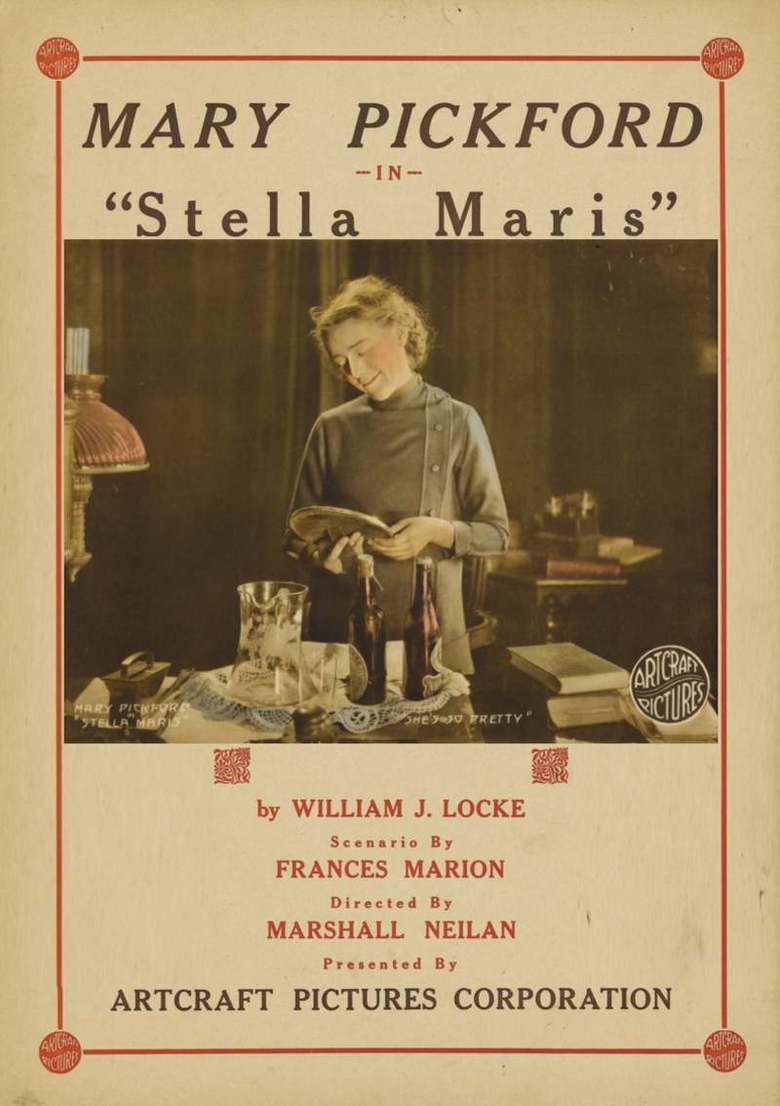
A definitive 6.9/10 rating for a film that redefined the boundaries of cult cinema. Stella Maris remains a cornerstone of transgressive art.
Stepping back into the hallowed halls of silent cinema often feels like unearthing a forgotten treasure, and Stella Maris, a cinematic gem from 1918, is precisely that—a profound, emotionally resonant narrative that continues to captivate with its intricate character studies and daring thematic explorations. Directed with a delicate yet firm hand, this film presents Mary Pickford in a dual role that showcases the astonishing breadth of her talent, cementing her status as "America's Sweetheart" while simultaneously revealing a darker, more complex facet of her acting prowess. It's a testament to the enduring power of storytelling, demonstrating how a century-old film can still speak volumes about human nature, societal constraints, and the unyielding pursuit of love and justice. The sheer artistry involved in crafting such a compelling drama without spoken dialogue is a powerful reminder of the medium's inherent strength, relying on visual cues, nuanced expressions, and universal human emotions to convey its potent message.
At the heart of Stella Maris lies a brilliant conceit: the juxtaposition of two vastly different lives, both portrayed with breathtaking nuance by Pickford herself. On one hand, we have Stella, a creature of almost ethereal purity, confined to a life of sheltered beauty due to a debilitating illness that renders her a paraplegic. Her world is a meticulously curated garden, shielded from the harsh realities outside by her affluent, doting guardians, Herbert Standing and Ida Waterman. This insulation, while born of love, has fostered in Stella an almost childlike naiveté, a radiant innocence that shines through her every gesture and expression. Her understanding of the world is filtered through the prism of art, literature, and the gentle ministrations of those around her, creating a character who is both fragile and remarkably resilient in her spirit. Pickford imbues Stella with a luminous quality, her eyes reflecting an untouched soul, brimming with an almost spiritual serenity that belies her physical limitations. It’s a performance of exquisite restraint, where every subtle movement of her hands, every fleeting glance, conveys a universe of unspoken emotion. The careful staging of her scenes, often bathed in soft, diffused light, further emphasizes her delicate nature, making her a poignant symbol of beauty preserved from the world's harshness.
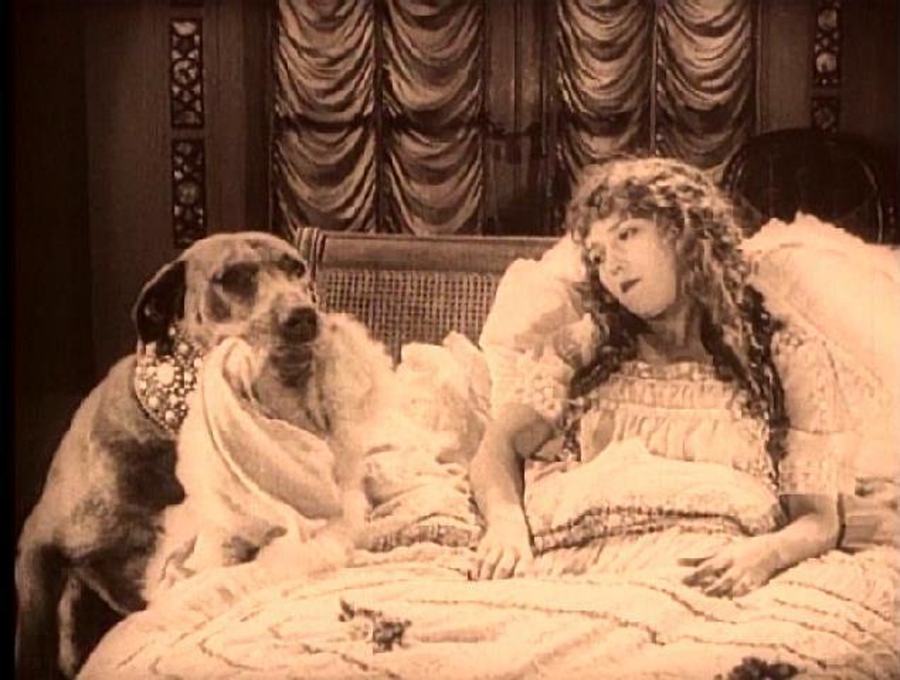
Conversely, Pickford also embodies Unity, an orphan whose existence has been anything but sheltered. Forged in the crucible of poverty and hardship, Unity is a stark counterpoint to Stella’s sheltered grace. Her life has been a relentless struggle, a constant negotiation with a world that offers little in the way of kindness or compassion. This character, often overlooked in popular discourse surrounding Pickford's career, is arguably one of her most compelling and daring. Unity is hardened, pragmatic, yet beneath the veneer of cynicism lies a profound capacity for loyalty and a yearning for something more. Pickford's portrayal of Unity is raw and unvarnished, a remarkable departure from her usual ingénue roles. She adopts a different physicality, a more guarded demeanor, and a gaze that reflects a lifetime of shrewd observation and defensive posturing. The contrast between these two women, both physically and emotionally, is not merely a clever plot device but a profound exploration of how circumstances shape identity and perception. The film challenges us to consider whether innocence is a virtue born of protection or an inherent quality that can survive even the harshest of environments. Pickford's ability to switch between these two distinct personalities, often in quick succession through clever editing, is nothing short of brilliant, creating a powerful emotional resonance that makes the audience deeply invest in both characters' fates.
Caught between these two poles of female experience is John Risca, portrayed with commendable depth by Conway Tearle. Risca is a man burdened by an unconscionable marital bond to a truly malevolent figure, his violent wife, played with chilling conviction by Marcia Manon. Manon’s portrayal is crucial; her character is not merely an antagonist but a force of destructive chaos, a stark reminder of the insidious nature of domestic abuse and the societal constraints that often trapped individuals in such relationships. Risca’s love for Stella blossoms from a place of profound empathy and a yearning for beauty and purity that his own life utterly lacks. He sees in Stella a reflection of the peace and goodness he has been denied. Simultaneously, his relationship with Unity, though different in its genesis, is equally vital. It’s a connection rooted in shared suffering, a silent understanding of life’s brutal realities that Stella, in her protected world, cannot fully grasp. This triangulation of affection and obligation creates a powerful dramatic tension, driving the narrative forward with an almost unbearable sense of impending tragedy.
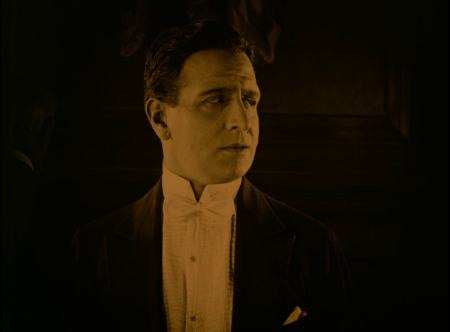
Tearle masterfully conveys Risca’s internal struggle—his profound affection for Stella, his sense of duty, and the crushing weight of his circumstances. He navigates a minefield of emotions, from tender devotion to desperate resignation. His character becomes a focal point for the film's exploration of ethical dilemmas. How does one navigate love when bound by a marriage that is not only loveless but actively destructive? The film doesn't offer easy answers, instead delving into the moral quagmire with an unflinching gaze. Risca's plight is reminiscent of characters found in other silent era dramas exploring societal traps and personal sacrifices, such as the intricate legal and emotional binds depicted in The Matrimonial Martyr, where individuals are likewise caught in the coils of stifling conventions, or even the desperate choices made in Der Thug. Im Dienste der Todesgöttin, albeit in a different genre. The narrative refuses to simplify his predicament, instead presenting a nuanced portrait of a good man caught in an impossible situation, forced to make choices with devastating repercussions that reverberate through the lives of all those around him.
Stella Maris is rich with thematic depth, dissecting concepts that remain profoundly relevant today. The most prominent theme is perhaps that of sacrifice. Each of the main characters, in their own way, makes significant sacrifices for love, for duty, or for a perceived greater good. Stella's acceptance of her condition and her eventual, heart-wrenching realization of the world's harshness; Unity's ultimate act of selfless devotion, born from a desperate love and a desire for justice; and Risca's agonizing choices all converge to form a powerful commentary on the nature of altruism and the boundaries of personal agency. The film probes the question of whether true love necessitates self-abnegation, or if there are limits to what one should give up for another, ultimately suggesting that some sacrifices, however painful, can redefine the very meaning of love.
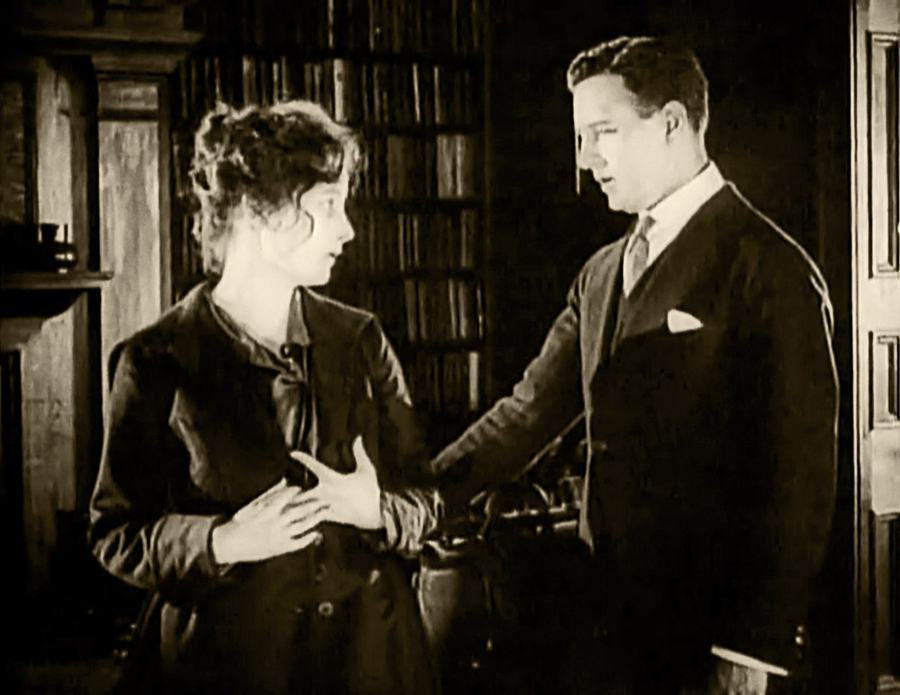
Moreover, the film bravely tackles the difficult subject of domestic violence and the societal mechanisms that allow it to persist. Mrs. Risca’s cruelty is not merely a plot device; it’s a stark depiction of abuse, and the inability of the legal system or social norms to adequately protect victims. This element of the narrative lends a gritty realism to an otherwise romantic tragedy, forcing audiences to confront uncomfortable truths about the world, even in a film over a century old. This unflinching portrayal of social ills and the struggle for justice echoes the powerful social commentary found in films like Traffic in Souls, which similarly exposed the darker underbelly of urban society and exploitation, or even the dramatic ethical quandaries posed in Moderens Øjne. The screenplay, penned by Frances Marion from William J. Locke's novel, navigates these complex moral landscapes with remarkable sensitivity and foresight, avoiding simplistic villainy in favor of exploring the profound ripple effects of human actions and the often-invisible suffering they cause.
Redemption, too, is a powerful undercurrent. While not every character finds a conventional happy ending, there is a sense that through their trials and tribulations, a form of spiritual or emotional redemption is achieved. Unity's journey, in particular, is one of transformation, moving from a hardened survivor to a figure of immense moral fortitude. Her actions, though extreme, are born of a deeply felt love and a desire to alleviate suffering, positioning her as a tragic heroine whose path, however unconventional, ultimately leads to a profound assertion of self-worth and purpose. The film doesn't shy away from the darker aspects of human nature, but it ultimately champions the enduring power of compassion and the human spirit's capacity for profound good, suggesting that even in the face of despair, hope for a better, more just world can persist.
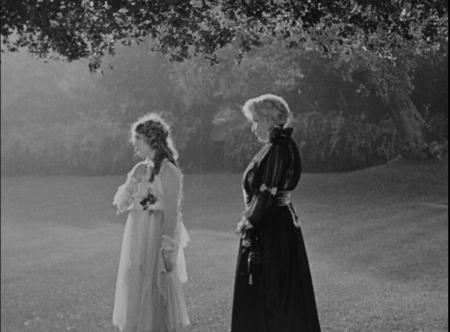
The performances across the board are exemplary, but it is Mary Pickford who, unsurprisingly, commands the screen with an unparalleled presence. Her dual roles are not mere exercises in theatricality; they are deeply felt, meticulously crafted characterizations that demonstrate an extraordinary range. As Stella, her fragility is palpable, yet beneath it, a quiet strength radiates, a burgeoning awareness that makes her eventual heartbreak all the more devastating. As Unity, she transforms, adopting a grittier, more world-weary persona that is utterly convincing, her expressions conveying volumes of unspoken resentment and fierce loyalty. The subtle differences in posture, gait, and especially in her eyes, are a masterclass in silent film acting, showcasing her meticulous attention to detail and profound understanding of human psychology. It’s a performance that transcends the limitations of the medium, speaking directly to the audience’s heart with raw, unfiltered emotion.
Conway Tearle’s John Risca is a study in quiet despair and conflicted nobility. He manages to convey the immense pressure on his character without resorting to overt melodrama, a pitfall many silent actors struggled to avoid. His interactions with both Stella and Unity are charged with genuine emotion, making his impossible choices all the more agonizing for the viewer. His portrayal anchors the central conflict, making his dilemma feel deeply personal and relatable. Marcia Manon, as the antagonist Mrs. Risca, is terrifyingly effective. Her portrayal of cruelty is stark and unsettling, a necessary counterpoint to the film's more tender moments, and her presence casts a long, dark shadow over the entire narrative. Even Teddy the Dog, a minor but memorable character, adds a touch of poignant realism to Stella's isolated world, symbolizing her innocent companionship.
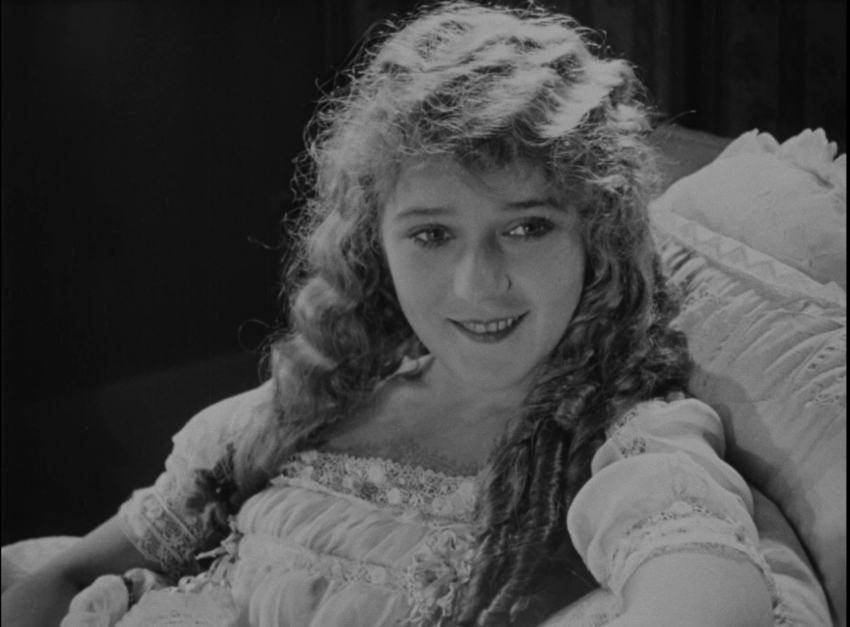
Visually, the film is a triumph. The cinematography is thoughtful, using lighting and composition to underscore the emotional states of the characters and the stark contrast between their worlds. Stella’s environment is often bathed in soft, ethereal light, emphasizing her innocence and fragility, while Unity’s scenes are frequently grittier, shadowed, reflecting the harshness of her existence and the grim realities she faces. The direction maintains a steady pace, allowing the emotional beats to land with maximum impact without ever feeling rushed or drawn out, a testament to the director's keen understanding of dramatic rhythm. The use of intertitles is judicious, serving to advance the narrative and reveal inner thoughts without overwhelming the visual storytelling, ensuring that the audience remains immersed in the unfolding drama rather than distracted by text. This careful balance of visual and textual elements is a hallmark of superior silent filmmaking, allowing the audience to fully immerse themselves in the unfolding drama.
Stella Maris stands as a towering achievement in silent cinema, not merely for its technical brilliance or its star power, but for its audacious emotional honesty. It’s a film that doesn't shy away from the complexities of human relationships, the injustices of society, or the profound sacrifices people make for love. It challenges conventional notions of heroism and villainy, presenting characters who are multifaceted and deeply human, even in their flaws. The film's exploration of disability, while viewed through the lens of its era, is handled with a degree of sensitivity that allows Stella to be seen not just as a victim, but as an individual with an inner life and a profound capacity for love, whose physical limitations do not define her spirit.
Its influence can be felt in subsequent melodramas and character-driven narratives, setting a high bar for emotional realism in a medium often prone to overt theatricality. For those interested in the evolution of cinematic storytelling and the incredible range of silent film actors, Stella Maris is an indispensable viewing experience. It reminds us that stories of love, loss, and sacrifice are timeless, and that the human heart, in all its complicated glory, remains the most compelling subject of all. This film, much like a timeless literary classic, invites repeated viewings, revealing new layers of meaning and emotional resonance with each encounter. It is a testament to the collaborative genius of its writers, Frances Marion and William J. Locke, and the visionary performances that bring their words to life. Truly, Stella Maris is not just a film; it is an experience, a journey into the depths of human emotion that leaves an indelible mark, solidifying its place as a cornerstone of early cinematic art.
IMDb 4.2
1915
Community
Log in to comment.