DbcultAccessing Vault...
5.5/10
Senior Film Conservator
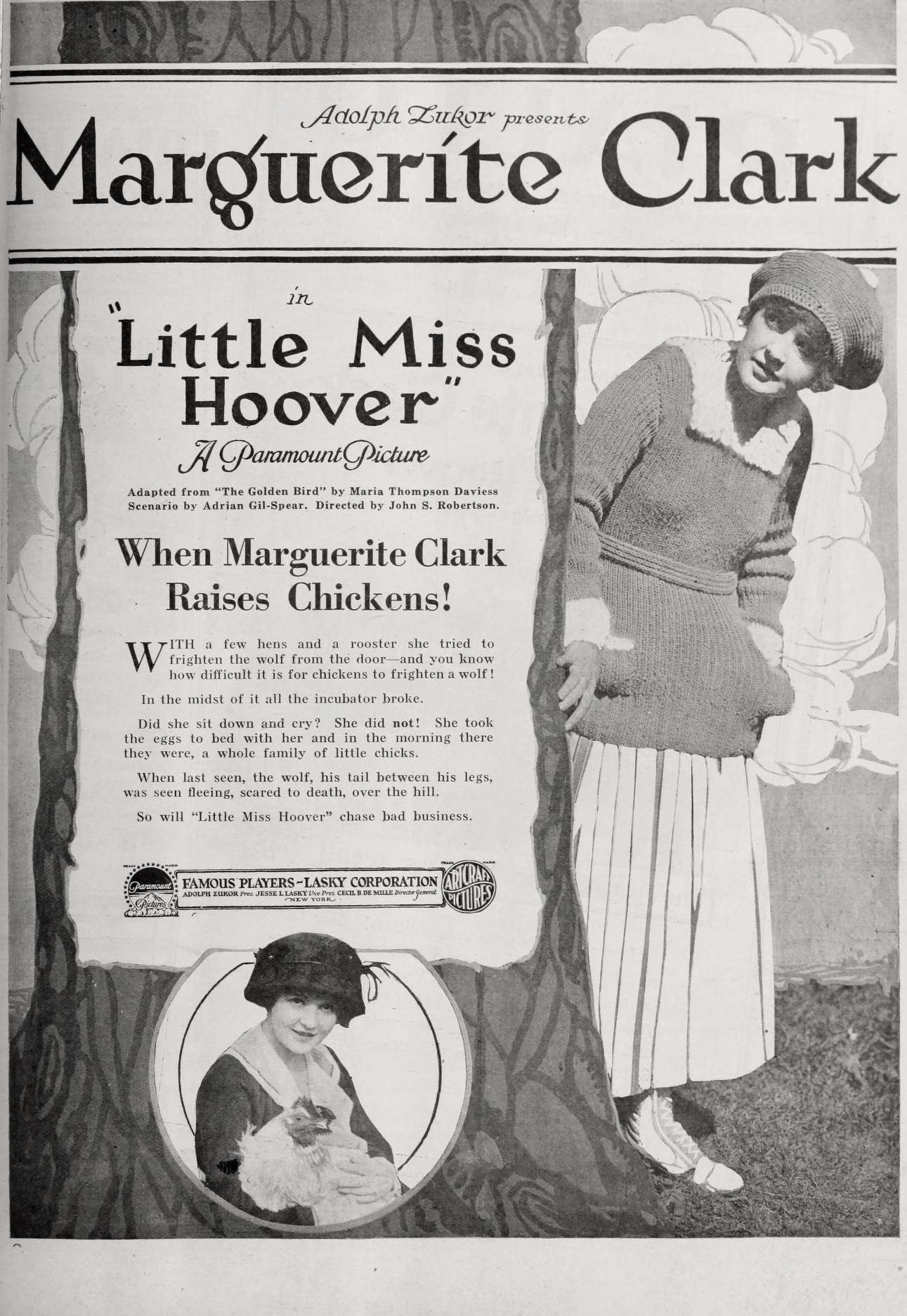
A definitive 5.5/10 rating for a film that redefined the boundaries of cult cinema. Little Miss Hoover remains a cornerstone of transgressive art.
Step back in time, dear readers, to an era of global upheaval and fervent patriotism, a period when the very fabric of American society was being rewoven by the exigencies of conflict. We're talking, of course, about World War I, and today's cinematic excavation brings us to a gem from 1918: Little Miss Hoover. This isn't just another silent film; it's a fascinating snapshot of a nation rallying, a testament to the power of collective action, and a charming vehicle for its luminous star, Marguerite Clark. The premise, at first blush, seems almost quaint: a Washington, D.C. society girl, Nancy Craddock, decides to throw herself into the war effort with the earnest, albeit slightly amusing, conviction that 'eggs will win the war.' But beneath this seemingly simplistic declaration lies a deeper narrative about societal transformation, individual awakening, and the pervasive spirit of a nation united.
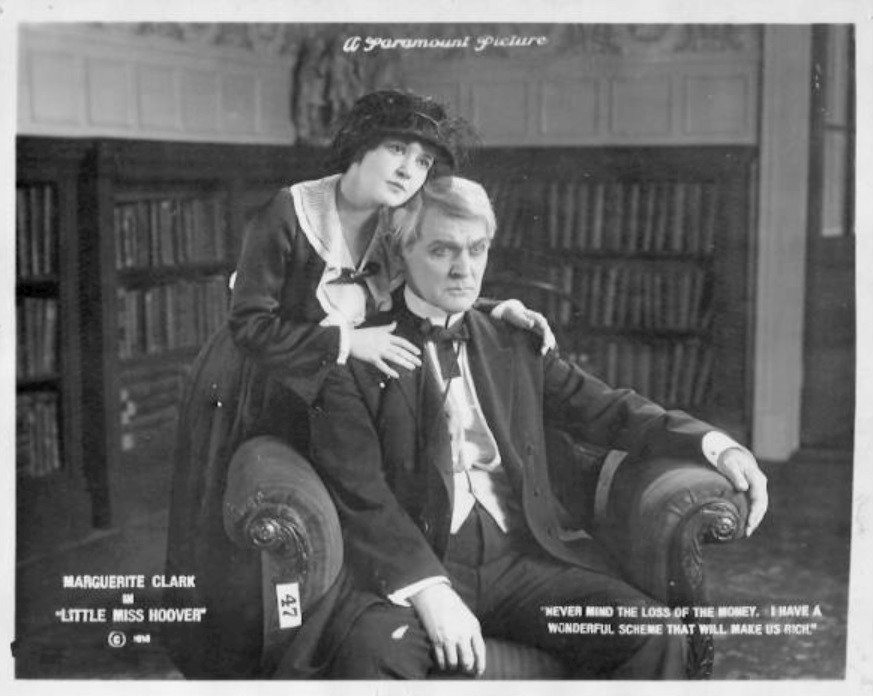
Marguerite Clark, a veritable titan of the silent screen, imbues Nancy Craddock with a captivating blend of aristocratic charm and burgeoning earnestness. Her performance is a masterclass in silent film acting, conveying a spectrum of emotions through nuanced gestures, expressive eyes, and a vivacious physicality that transcends the lack of spoken dialogue. Clark’s Nancy isn’t merely a socialite playing dress-up; she undergoes a palpable evolution. Initially, her patriotic zeal might stem from a fashionable impulse, a desire to be seen as contributing, but as the narrative unfolds, her commitment deepens. The film skillfully portrays this transition, allowing us to witness Nancy’s journey from a sheltered existence to a woman genuinely invested in the national cause. Her 'eggs will win the war' mantra, initially a symbol of her privileged naiveté, becomes a rallying cry for practical, grassroots involvement, transforming her from an object of gentle amusement to an inspiring figure.
The narrative, penned by Maria Thompson Davies and Adrian Gil-Spear, navigates a delicate balance between lighthearted comedy and the serious undertones of wartime exigency. They craft a story that is both an entertaining romp through D.C. society and a serious exploration of the Food Administration's crucial role. The Food Administration, under Herbert Hoover, was a monumental undertaking, aiming to conserve resources and ensure adequate supplies for both the troops abroad and the populace at home. Little Miss Hoover serves as a wonderfully accessible, if idealized, primer on this historical initiative. It shows how everyday citizens, even those from the most insulated echelons of society, were encouraged to participate in a tangible way. The film doesn't shy away from depicting the practical challenges, the bureaucratic hurdles, and the occasional skepticism Nancy faces, making her eventual triumphs all the more satisfying.
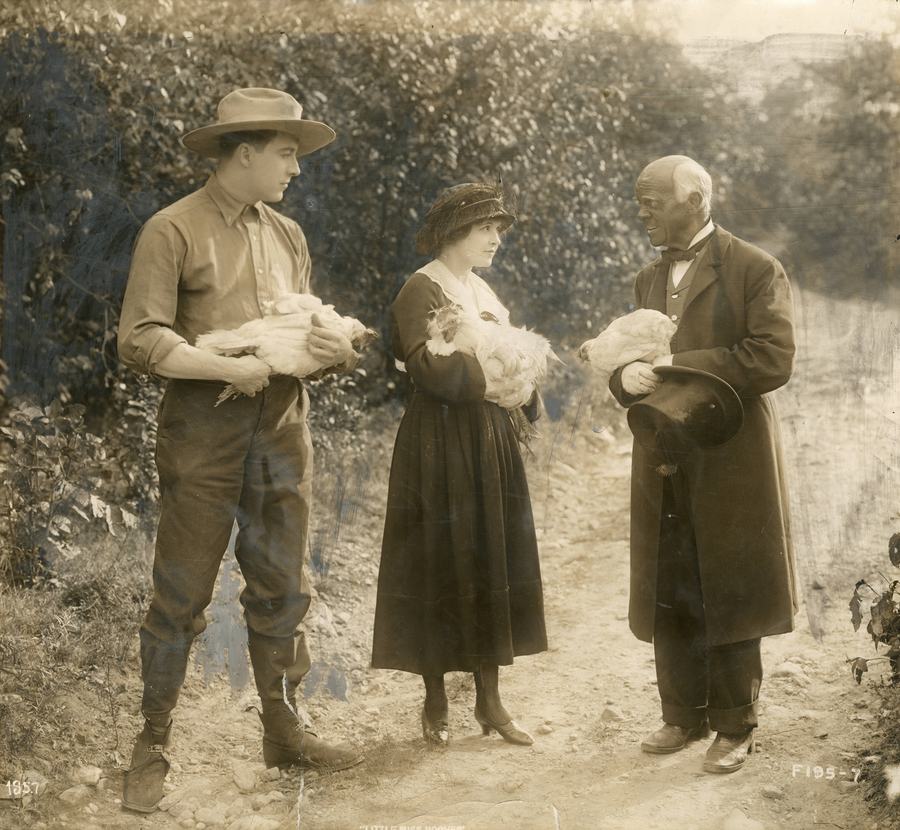
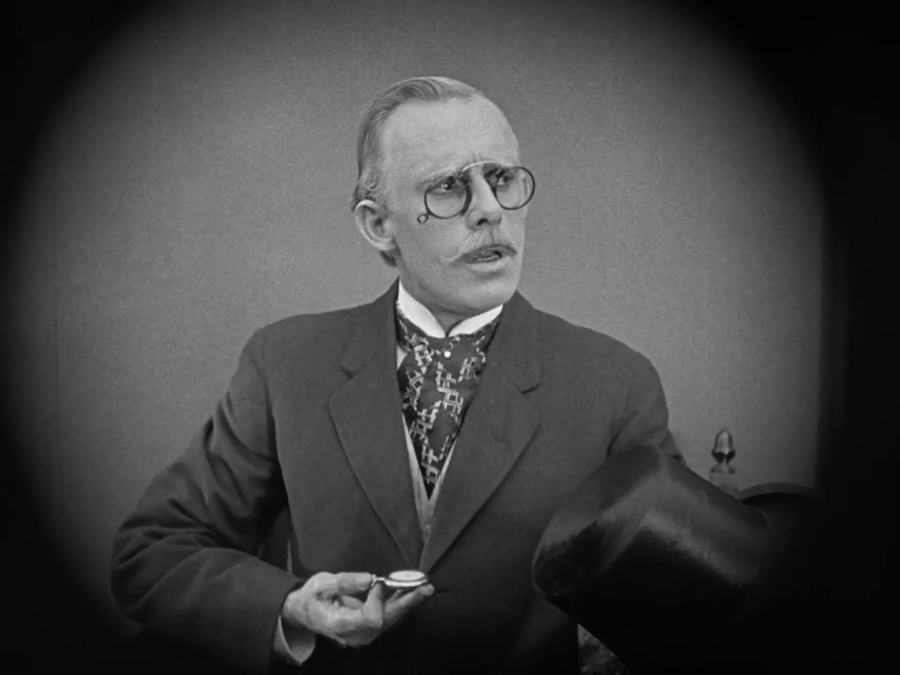
The supporting cast, though perhaps less celebrated than Clark, plays a pivotal role in grounding Nancy's journey in a believable world. John Tansey, Alfred Hickman, and Eugene O'Brien, among others, provide the necessary foils and allies for Nancy's endeavors. They represent the diverse cross-section of society grappling with the war – from the skeptical cynic to the steadfast patriot, from the bureaucratic obstacle to the supportive mentor. Dorothy Walters, J.M. Mason, Hal Reid, Robert Milasch, Frances Kaye, Forrest Robinson, and John J. Williams each contribute to the rich tapestry of characters that populate wartime Washington. Their interactions with Nancy highlight the class dynamics and gender roles prevalent at the time, offering a nuanced view of how different individuals responded to the call of duty. For instance, the initial resistance Nancy might face from established male figures underscores the societal expectations placed upon women, making her eventual success a quiet, yet potent, victory for female agency.
One cannot discuss Little Miss Hoover without acknowledging its inherent propaganda elements. This was, after all, a film produced during wartime, intended to galvanize public support and encourage participation in national programs. However, it transcends mere didacticism by embedding its message within a compelling human story. Unlike some more heavy-handed efforts, this film uses charm and character development to convey its message of conservation and patriotism. It's an example of effective soft power, making the idea of rationing and resourcefulness appealing rather than a chore. The film's enduring appeal lies in this delicate balance – it informs and persuades without ever feeling preachy, a testament to the writers' and director's understanding of their audience.
The cinematic language of 1918, particularly in a film like this, offers a fascinating glimpse into early filmmaking techniques. While the specific director isn't listed, the visual storytelling relies heavily on clear compositions, expressive intertitles, and the magnetic presence of its lead. The sets and costumes, though likely modest by today's standards, effectively evoke the period, immersing the viewer in the elegant, yet increasingly austere, world of wartime D.C. The use of close-ups on Clark's face, for instance, allows for intimate connection with her character's internal struggles and triumphs, a technique that was still evolving in the silent era but already proving its immense power in conveying emotion. The rhythm of the editing, while different from modern cinema, maintains a brisk pace that keeps the audience engaged, ensuring that Nancy's various escapades and challenges feel dynamic and impactful.
Comparisons to other films of the era reveal Little Miss Hoover's unique position. While films like The Mating or The Morals of Marcus might have explored societal norms and romantic entanglements, Little Miss Hoover anchors its societal commentary firmly in the context of a national crisis. It's less about individual romantic drama and more about individual contribution to a collective good, a theme that resonates differently during wartime. Nancy's journey of self-discovery through service, rather than through romantic conquest or personal ambition, sets it apart. Her transformation isn't driven by a desire for a suitor, but by an internal call to action, a burgeoning sense of civic responsibility that transcends traditional gender roles of the time. This focus on public service as a vehicle for personal growth is a refreshing take, especially when contrasted with films that might prioritize domesticity or social climbing.
Furthermore, while films such as Those Without Sin might delve into moral dilemmas and social transgressions, Little Miss Hoover presents a more optimistic, albeit earnest, vision of human potential and collective virtue. It's a film that champions good intentions and the power of positive action, even when faced with bureaucratic inertia or personal skepticism. The challenges Nancy faces are practical and logistical, rather than existential or moral, making the film a testament to practical problem-solving and community spirit. It's a narrative that, despite its specific historical context, speaks to the timeless appeal of individuals making a difference, proving that even the most seemingly insignificant contributions can add up to something monumental.
The legacy of Little Miss Hoover extends beyond its entertainment value. It serves as an invaluable historical document, offering modern viewers a window into the cultural zeitgeist of World War I America. It showcases the methods used to mobilize the civilian population, the prevailing attitudes towards women's roles in public life, and the pervasive sense of national unity that defined the era. For film historians, it's another piece in the puzzle of Marguerite Clark's significant career, demonstrating her range and ability to carry a film with both comedic flair and dramatic weight. The film reminds us that even seemingly small acts, like conserving eggs, were imbued with profound meaning during a time of global crisis. It's a reminder of the ingenuity and resilience of a nation facing unprecedented challenges, and how popular culture played a crucial role in shaping public perception and participation.
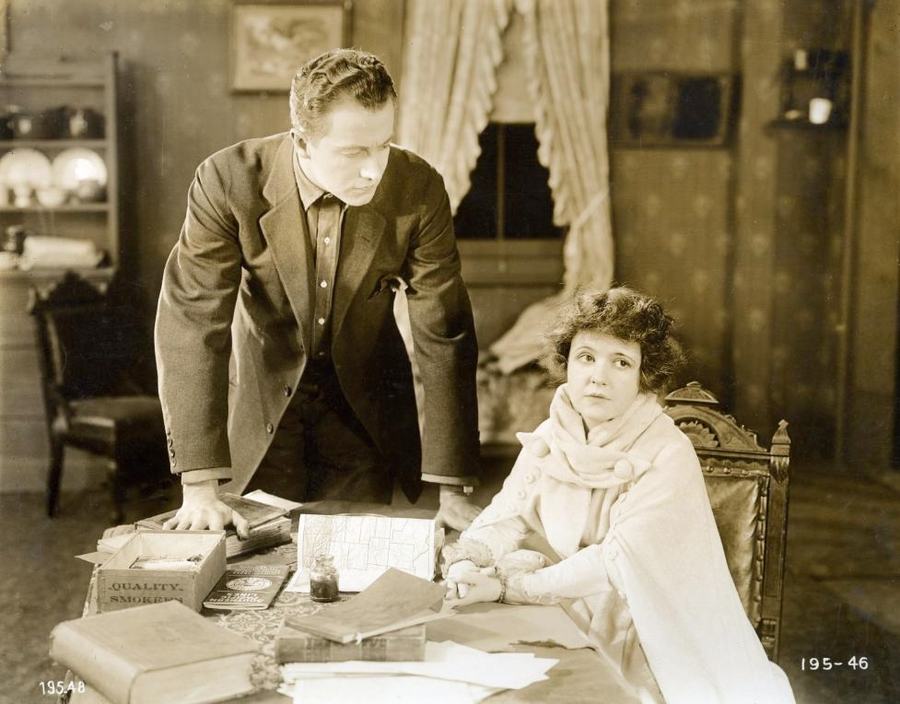
In a broader sense, the film's exploration of a privileged individual finding purpose through public service echoes themes found in narratives across different eras. It's a classic arc of an insulated character being exposed to the wider world and discovering a deeper sense of self and responsibility. This narrative universality is part of what allows Little Miss Hoover to resonate even today, despite its age and silent format. It speaks to the human desire for meaning, for contribution, and for rising to the occasion when one's community or nation calls. The 'eggs will win the war' slogan, initially a source of gentle humor, ultimately transforms into a powerful symbol of how grassroots efforts, fueled by genuine conviction, can contribute significantly to larger, seemingly insurmountable goals. It’s a message that, in its simplicity, carries an enduring weight.
The intricate dance between individual agency and collective responsibility is at the heart of this cinematic endeavor. Nancy Craddock, through her unwavering dedication to the Food Administration, becomes a microcosm of the American spirit during WWI. She embodies the transition from a society accustomed to abundance to one embracing frugality and shared sacrifice. Her story is a testament to the belief that every citizen, regardless of their station, had a vital role to play. The film's charm is undeniable, its historical value immense, and its message of community and purpose remains as relevant as ever. It's a delightful and insightful journey into a pivotal moment in history, brought to life by the indelible performance of Marguerite Clark and the thoughtful craftsmanship of its creators.
To truly appreciate the nuances of Little Miss Hoover, one must view it not merely as a historical artifact, but as a vibrant piece of storytelling that reflects its time with remarkable clarity and warmth. It’s a film that invites us to reconsider the often-underestimated power of seemingly small acts of service and the profound impact of individual conviction on the broader tapestry of society. Its humor, its heart, and its historical significance make it a compelling watch for anyone interested in the silent era, women's history, or the societal impact of wartime efforts. The film stands as a charming, yet potent, reminder of a period when a nation rallied, and even a society girl's belief in the power of eggs could become a symbol of resolute patriotism.
IMDb 6.6
1922
Community
Log in to comment.